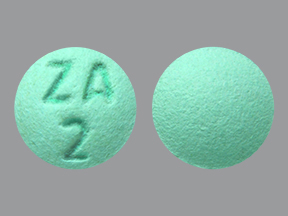
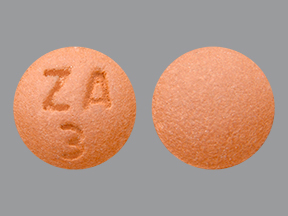
Drug class
Tricyclic antidepressant with sedative effects; inhibits reuptake of norepinephrine and serotonin
Uses
For the relief of symptoms of depression. Endogenous depression is more likely to be alleviated than are other depressive states.
Warnings
BOXED WARNING - Suicidality Risk: Antidepressants increased suicide risk in children, adolescents, and young adults in short-term studies. Adults over 24 showed no increased risk; those 65+ showed reduced risk compared to placebo. Key Warnings Include: - "Clinical worsening and/or the emergence of suicidal ideation and behavior...may persist until significant remission occurs" - Close monitoring required, especially during initial months and dose changes - Patients should not have access to large quantities; prescribe smallest feasible amount - Not approved for pediatric use; not recommended for patients under 12 years - Caution with cardiovascular disorders, seizure history, glaucoma, hyperthyroidism - Potentiates alcohol and CNS depressants
Side effects
Drowsiness, dizziness, dry mouth, blurred vision, constipation, urinary retention, tachycardia, orthostatic hypotension, tremors, headache, weakness, fatigue