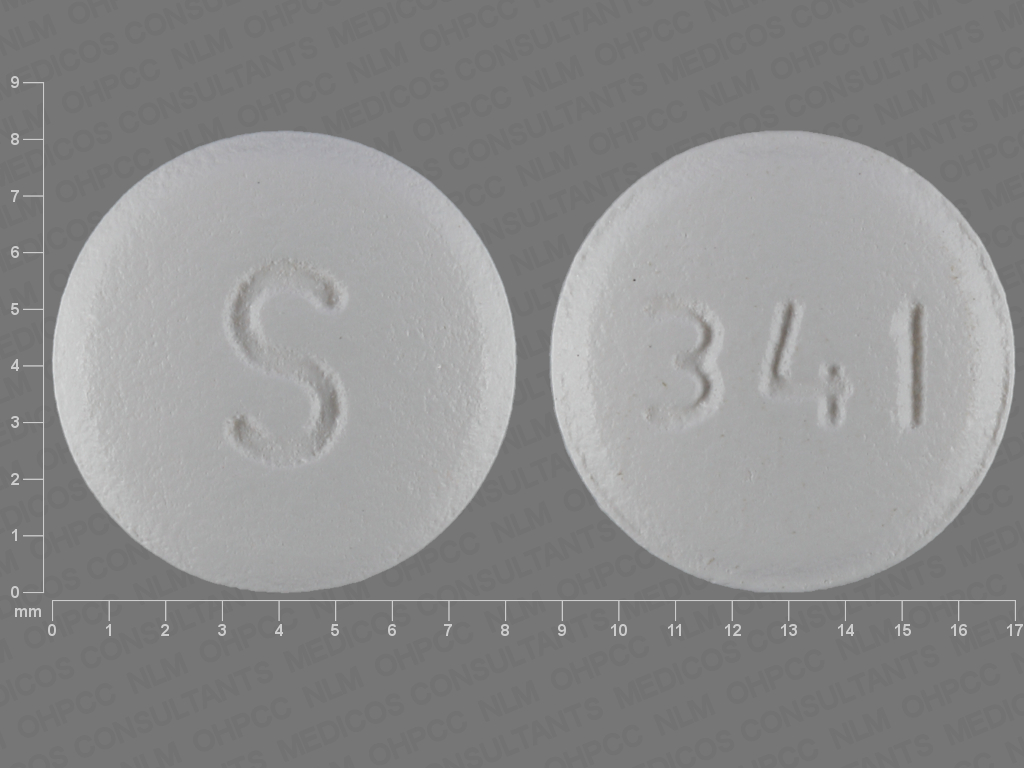
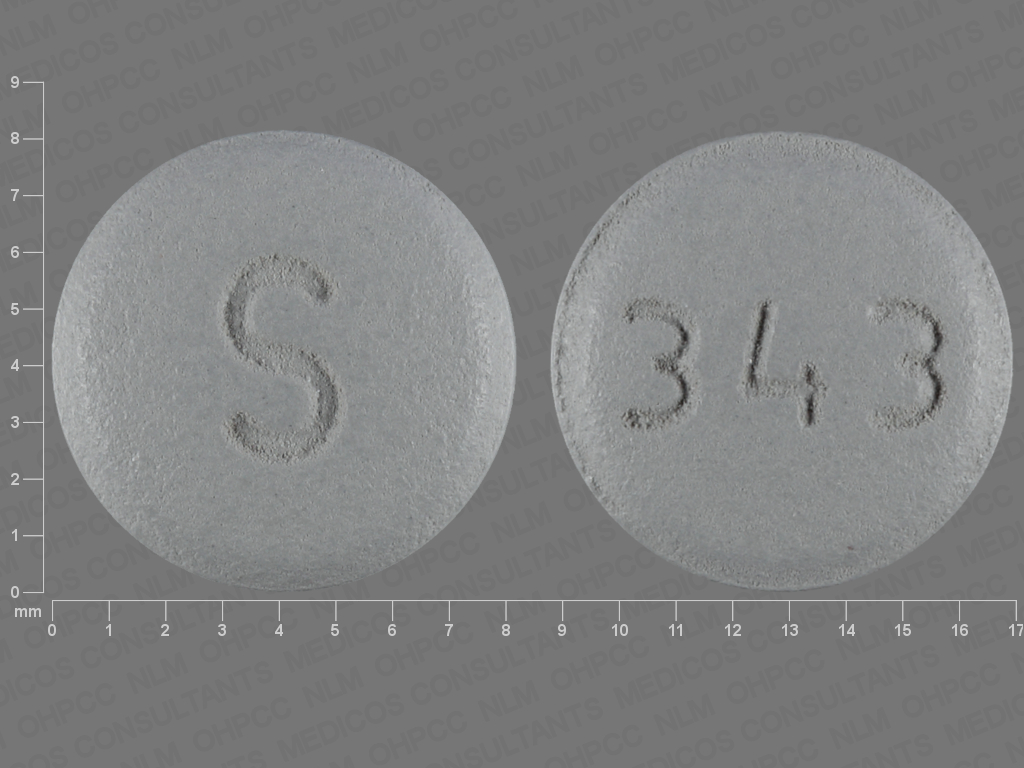
Drug class
An angiotensin-converting enzyme (ACE) inhibitor. Benazepril is hydrolyzed to its active metabolite benazeprilat, which "inhibits ACE," blocking conversion of angiotensin I to angiotensin II and thereby reducing vasoconstriction and aldosterone secretion.
Uses
Benazepril Hydrochloride Tablets are "indicated for the treatment of hypertension, to lower blood pressure." Lowering blood pressure reduces the risk of fatal and nonfatal cardiovascular events, primarily strokes and myocardial infarctions. It may be used alone or combined with other antihypertensive agents.
Warnings
BOXED WARNING: Fetal toxicity - "When pregnancy is detected, discontinue benazepril as soon as possible," because ACE inhibitors used during the second and third trimesters can cause fetal injury and death. Other key warnings include angioedema (facial, lingual, or laryngeal swelling with potential airway obstruction, requiring immediate discontinuation), contraindication in patients with a history of ACE-inhibitor-associated angioedema or concomitant use with neprilysin inhibitors (e.g., sacubitril), hyperkalemia risk especially with potassium-sparing diuretics, worsening renal function, and symptomatic hypotension.
Side effects
Common adverse reactions reported include headache (about 6%), dizziness (about 4%), and cough, which led to discontinuation in about 0.5% of patients. Less common but serious reactions include angioedema, Stevens-Johnson syndrome, hepatic necrosis, thrombocytopenia, hemolytic anemia, and acute renal failure.