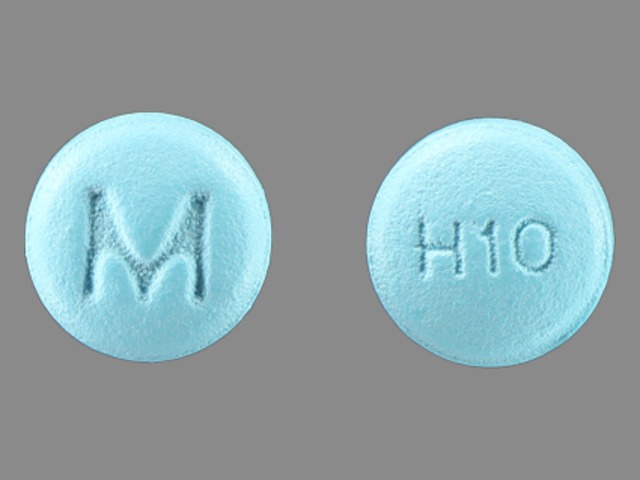
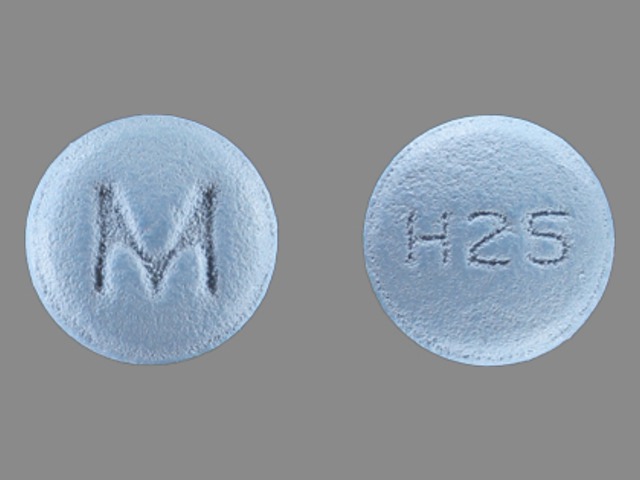
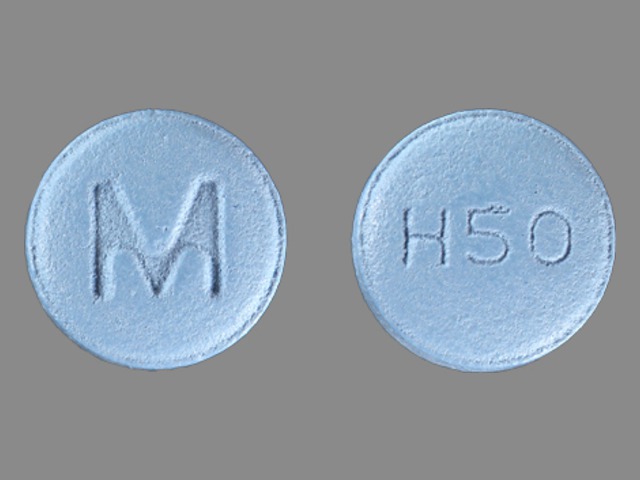
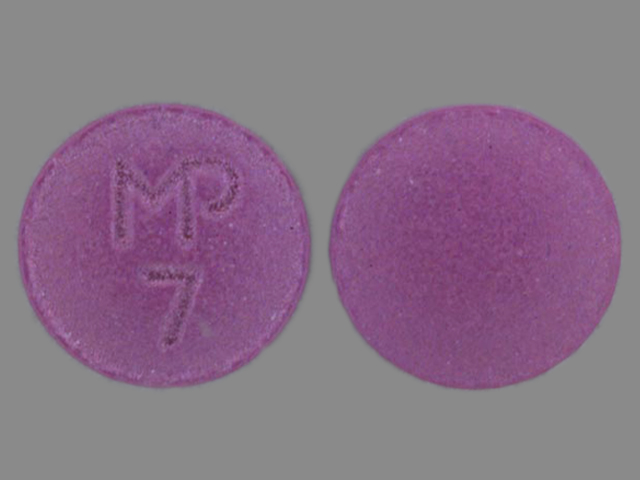
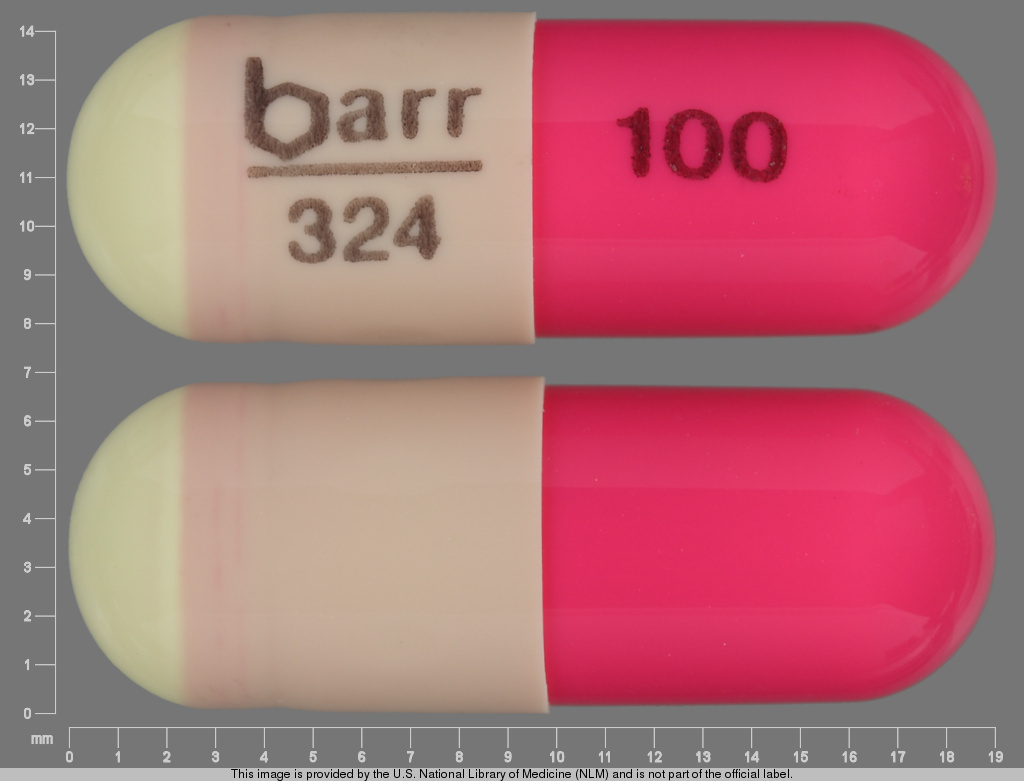
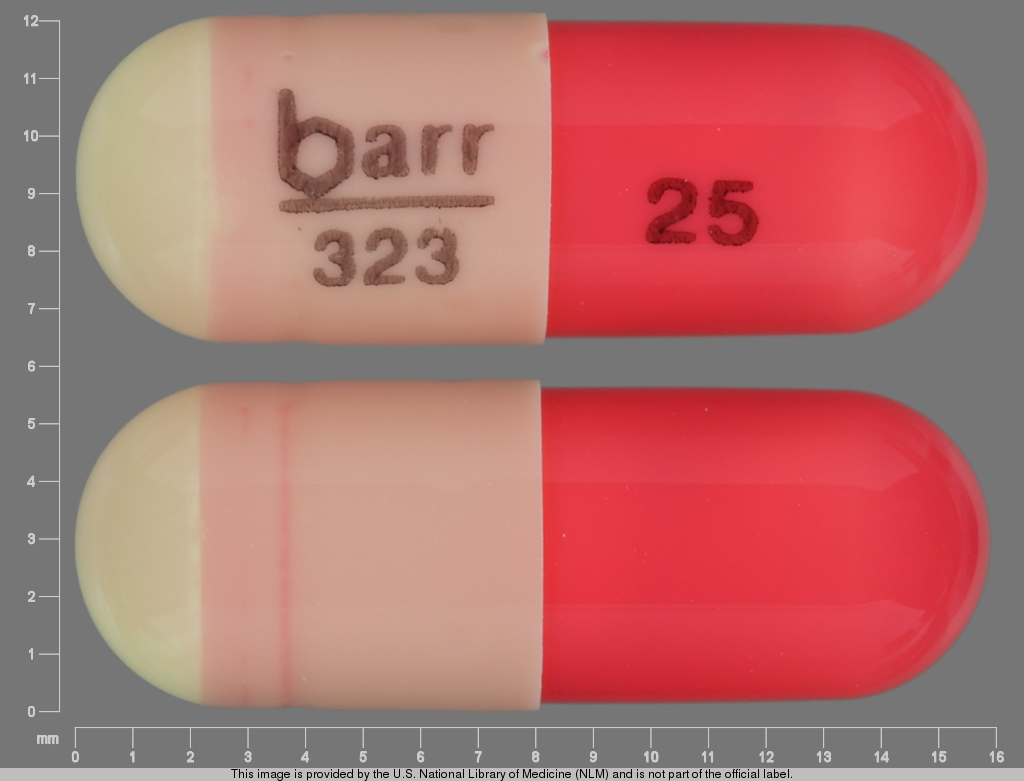
Drug class
An "antihistamine" (piperazine derivative) that is chemically unrelated to the phenothiazines, reserpine, meprobamate, or the benzodiazepines. Its action is "based on a suppression of activity in key regions of the subcortical area of the central nervous system," and the compound has demonstrated "antihistaminic, sedative, antiemetic, antispasmodic, and mild antisecretory" properties.
Uses
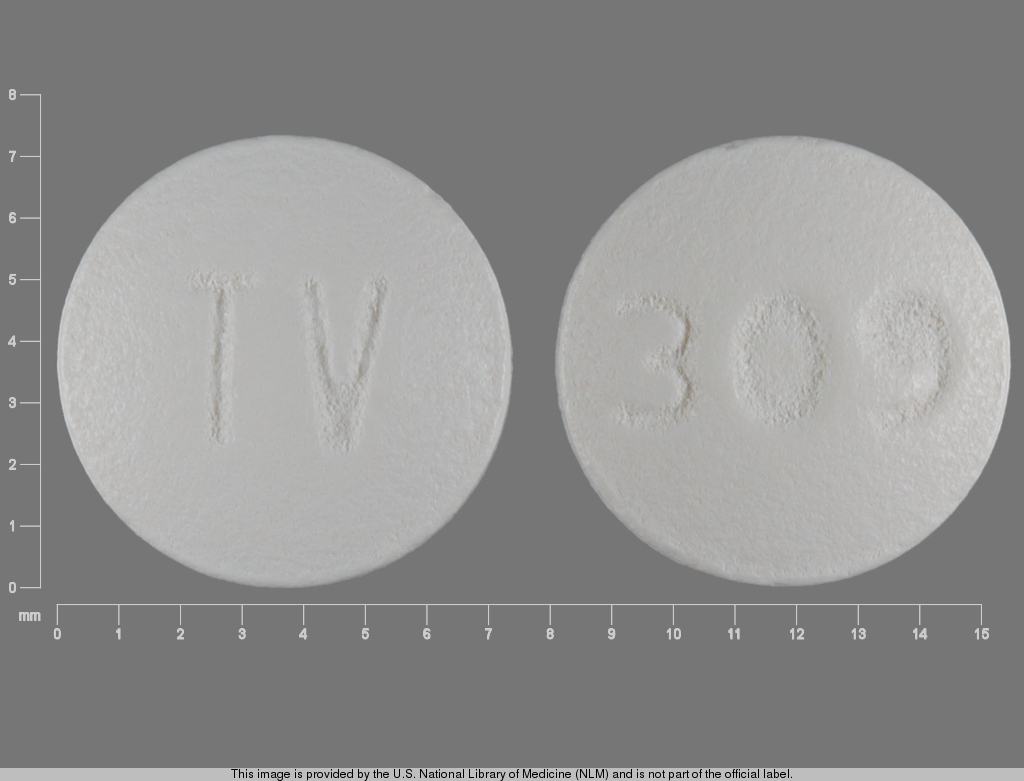
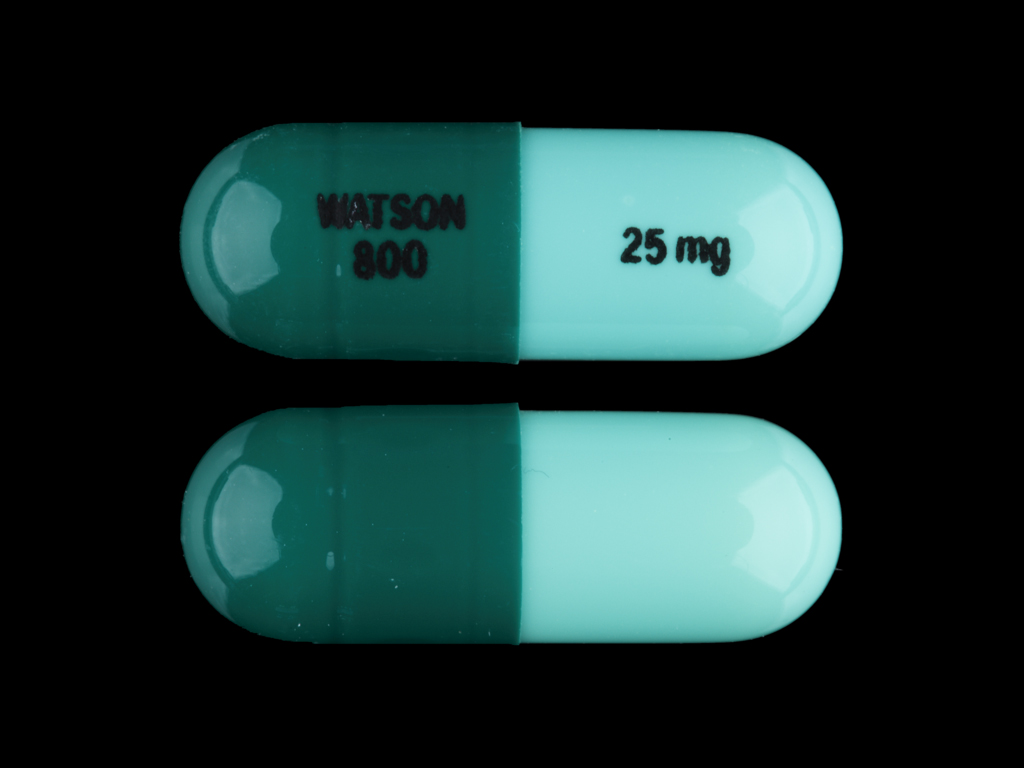
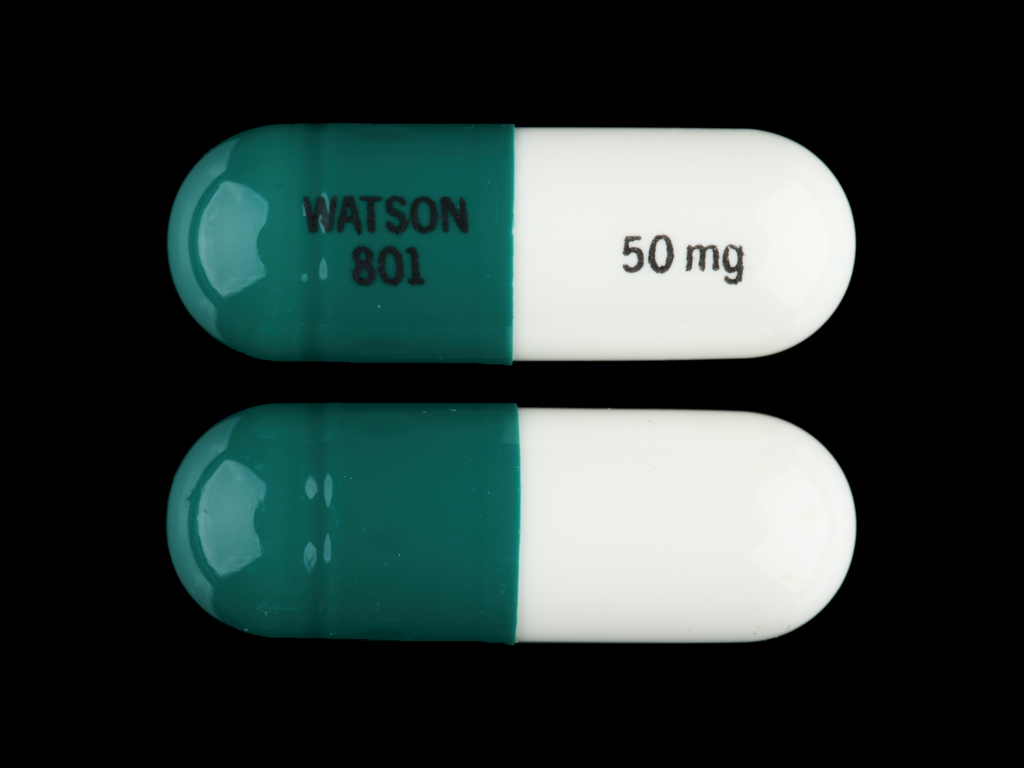
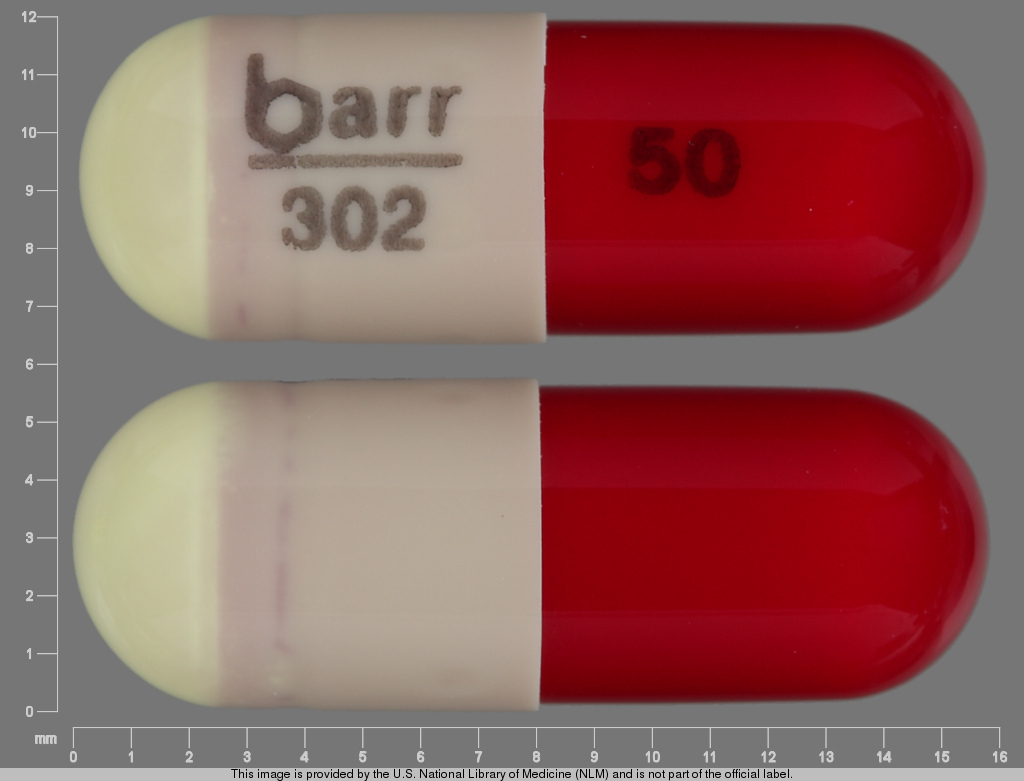
Hydroxyzine Hydrochloride Tablets are indicated for: - Symptomatic relief of "anxiety and tension associated with psychoneurosis" and as adjunctive therapy in organic disease states where anxiety is a component - "Management of pruritus due to allergic conditions such as chronic urticaria and atopic and contact dermatoses" - As a sedative when used as a premedicant and following general anesthesia
Warnings
No boxed warning. Hydroxyzine is contraindicated in patients with known hypersensitivity to hydroxyzine or to cetirizine/levocetirizine, in patients with "a prolonged QT interval," and is "contraindicated in early pregnancy"; it should not be given to nursing mothers. The label warns that hydroxyzine "has been associated with QT interval prolongation and Torsade de Pointes," a risk increased by concomitant use of other QT-prolonging drugs, and that it potentiates the CNS-depressant effects of narcotics, non-narcotic analgesics, barbiturates, and other CNS depressants.
Contraindications
CONTRAINDICATIONS Oral hydroxyzine hydrochloride is contraindicated in patients with known hypersensitivity to hydroxyzine hydrochloride products, and in patients with known hypersensitivity to cetirizine hydrochloride or levocetirizine hydrochloride. Hydroxyzine is contraindicated in patients with a prolonged QT interval. Hydroxyzine, when administered to the pregnant mouse, rat and rabbit induced fetal abnormalities in the rat and mouse at doses substantially above the human therapeutic range. Clinical data in human beings are inadequate to establish safety in early pregnancy. Until such data are available, hydroxyzine is contraindicated in early pregnancy. Hydroxyzine is contraindicated for patients who have shown a previous hypersensitivity to it.
Overdose
OVERDOSAGE The most common manifestation of hydroxyzine overdosage is hypersedation. As in the management of overdosage with any drug, it should be borne in mind that multiple agents may have been taken. If vomiting has not occurred spontaneously, it should be induced. Immediate gastric lavage is also recommended. General supportive care, including frequent monitoring of the vital signs and close observation of the patient, is indicated. Hypotension, though unlikely, may be controlled with intravenous fluids and levarterenol or metaraminol. Do not use epinephrine as hydroxyzine counteracts its pressor action. Hydroxyzine overdose may cause QT prolongation and Torsade de Pointes. ECG monitoring is recommended in cases of hydroxyzine overdose. There is no specific antidote. It is doubtful that hemodialysis would be of any value in the treatment of overdosage with hydroxyzine. However, if other agents such as barbiturates have been ingested concomitantly, hemodialysis may be indicated. There is no practical method to quantitate hydroxyzine in body fluids or tissue after its ingestion or administration.
Dosage & administration
DOSAGE AND ADMINISTRATION For symptomatic relief of anxiety and tension associated with psychoneurosis and as an adjunct in organic disease states in which anxiety is manifested: Adults, 50 to 100 mg q.i.d.; children under 6 years, 50 mg daily in divided doses; children over 6 years, 50 to 100 mg daily in divided doses. For use in the management of pruritus due to allergic conditions such as chronic urticaria and atopic and contact dermatoses and in histamine-mediated pruritus: adults, 25 mg t.i.d. or q.i.d.; children under 6 years, 50 mg daily in divided doses; children over 6 years, 50 to 100 mg daily in divided doses. As a sedative when used as a premedication and following general anesthesia: 50 to 100 mg for adults and 0.6 mg/kg of body weight in children. When treatment is initiated by the intramuscular route of administration, subsequent doses may be administered orally. As with all potent medication, the dosage should be adjusted according to the patient's response to therapy.
Side effects
The most frequently reported adverse reaction is "drowsiness," which the label states "is usually transitory and may disappear in a few days of continued therapy or on reduction of dose." Dry mouth from mild anticholinergic activity has also been reported. At higher-than-recommended doses, particularly in children, "involuntary motor activity, including tremor and convulsions," has occurred. Post-marketing reports include QT prolongation, Torsade de Pointes, headache, rash, urticaria, hallucination, and Acute Generalized Exanthematous Pustulosis (AGEP).