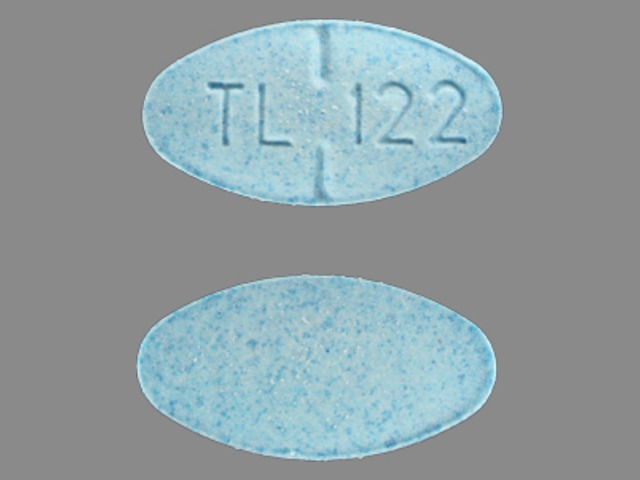
Drug class
A histamine H1-receptor antagonist. "The precise mechanism by which meclizine exerts its therapeutic effect is unknown but is presumed to involve antagonism of the histamine H1 receptor."
Uses
"Meclizine hydrochloride tablets are indicated for the treatment of vertigo associated with diseases affecting the vestibular system in adults," typically dosed at 25 mg to 100 mg daily in divided doses.
Warnings
No boxed warning. "Meclizine hydrochloride tablets are contraindicated in patients with a hypersensitivity to meclizine or any of the inactive ingredients." Patients should be "warned of this possibility [drowsiness] and cautioned against driving a car or operating dangerous machinery," and the label advises avoiding alcoholic beverages while taking meclizine. It should be used cautiously in patients with asthma, glaucoma, or prostatic enlargement because of anticholinergic-like effects.
Contraindications
4 CONTRAINDICATIONS Meclizine hydrochloride tablets are contraindicated in patients with a hypersensitivity to meclizine or any of the inactive ingredients [see Adverse Reactions (6) and Description (11) ]. Meclizine hydrochloride tablets are contraindicated in patients with hypersensitivity to meclizine or any of the inactive ingredients ( 4 ).
Drug interactions
7 DRUG INTERACTIONS Coadministration of meclizine hydrochloride tablets with other CNS depressants, including alcohol, may result in increased CNS depression ( 7.1 ). CYP2D6 inhibitors: As meclizine is metabolized by CYP2D6, there is a potential for drug-drug interactions between meclizine hydrochloride tablets and CYP2D6 inhibitors ( 7.2 ). 7.1 CNS Depressants There may be increased CNS depression when meclizine hydrochloride tablets are administered concurrently with other CNS depressants, including alcohol [see Warnings and Precautions (5.1) ] . 7.2 CYP2D6 Inhibitors Based on in-vitro evaluation, meclizine is metabolized by CYP2D6. Therefore, there is a possibility for a drug interaction between meclizine hydrochloride tablets and CYP2D6 inhibitors. Therefore, monitor for adverse reactions and clinical effect accordingly.
Dosage & administration
2 DOSAGE AND ADMINISTRATION Recommended dosage: 25 mg to 100 mg daily, in divided doses ( 2.1 ). Tablets: Swallow whole ( 2.2 ). 2.1 Recommended Dosage The recommended dosage is 25 mg to 100 mg daily administered orally, in divided doses, depending upon clinical response. 2.2 Administration Instructions Tablets: Meclizine hydrochloride tablets must be swallowed whole.
Side effects
Reported adverse reactions include "anaphylactic reaction, drowsiness, dry mouth, headache, fatigue, and vomiting. On rare occasions blurred vision has been reported."