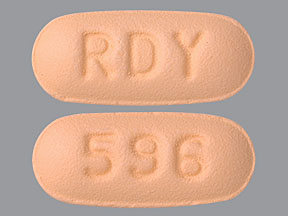
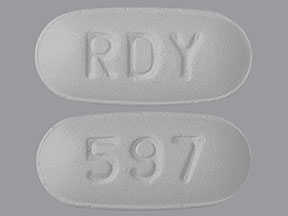
Drug class
"An N-methyl-D-aspartate (NMDA) receptor antagonist" that acts as "a low to moderate affinity uncompetitive (open-channel) NMDA receptor antagonist," blocking excessive glutamate activation believed to contribute to neuronal dysfunction.
Uses
Indicated for the treatment of moderate to severe dementia of the Alzheimer's type.
Warnings
No boxed warning. The label's key caution is that "conditions that raise urine pH may decrease the urinary elimination of memantine, resulting in increased plasma levels" (e.g., carbonic anhydrase inhibitors, sodium bicarbonate), requiring careful monitoring. It also notes that "combined use of memantine hydrochloride with other NMDA antagonists...has not been systematically evaluated and such use should be approached with caution."
Contraindications
4 CONTRAINDICATIONS Memantine hydrochloride tablets are contraindicated in patients with known hypersensitivity to memantine hydrochloride or to any excipients used in the formulation. • Memantine hydrochloride tablets are contraindicated in patients with known hypersensitivity to memantine hydrochloride or to any excipients used in the formulation.
Overdose
10 OVERDOSAGE Signs and symptoms most often accompanying memantine overdosage in clinical trials and from worldwide marketing experience, alone or in combination with other drugs and/or alcohol, include agitation, asthenia, bradycardia, confusion, coma, dizziness, ECG changes, increased blood pressure, lethargy, loss of consciousness, psychosis, restlessness, slowed movement, somnolence, stupor, unsteady gait, visual hallucinations, vertigo, vomiting, and weakness. The largest known ingestion of memantine worldwide was 2 grams in a patient who took memantine in conjunction with unspecified antidiabetic medications. The patient experienced coma, diplopia, and agitation, but subsequently recovered. Fatal outcome has been very rarely reported with memantine, and the relationship to memantine was unclear. Because strategies for the management of overdose are continually evolving, it is advisable to contact a poison control center to determine the latest recommendations for the management of an overdose of any drug. As in any cases of overdose, general supportive measures should be utilized, and treatment should be symptomatic. Elimination of memantine can be enhanced by acidification of urine.
Drug interactions
7 DRUG INTERACTIONS 7.1 Drugs that Make the Urine Alkaline The clearance of memantine was reduced by about 80% under alkaline urine conditions at pH 8. Therefore, alterations of urine pH towards the alkaline condition may lead to an accumulation of the drug with a possible increase in adverse effects. Urine pH is altered by diet, drugs (e.g., carbonic anhydrase inhibitors, sodium bicarbonate) and clinical state of the patient (e.g., renal tubular acidosis or severe infections of the urinary tract). Hence, memantine should be used with caution under these conditions. 7.2 Use with Other N-methyl-D-aspartate (NMDA) Antagonists The combined use of memantine hydrochloride with other NMDA antagonists (amantadine, ketamine, and dextromethorphan) has not been systematically evaluated and such use should be approached with caution.
Dosage & administration
2 DOSAGE AND ADMINISTRATION The recommended starting dose of memantine hydrochloride is 5 mg once daily. The dose should be increased in 5 mg increments to 10 mg/day (5 mg twice daily), 15 mg/day (5 mg and 10 mg as separate doses), and 20 mg/day (10 mg twice daily). The minimum recommended interval between dose increases is one week. The dosage shown to be effective in controlled clinical trials is 20 mg/day. Memantine hydrochloride tablets can be taken with or without food. If a patient misses a single dose of memantine hydrochloride, that patient should not double up on the next dose. The next dose should be taken as scheduled. If a patient fails to take memantine hydrochloride for several days, dosing may need to be resumed at lower doses and retitrated as described above. Special Populations Renal Impairment A target dose of 5 mg twice daily is recommended in patients with severe renal impairment (creatinine clearance of 5 to 29 mL/min based on the Cockroft-Gault equation). Hepatic Impairment Memantine hydrochloride should be administered with caution to patients with severe hepatic impairment [see Clinical Pharmacology ( 12.3 )]. • May be taken with or without food • Initial dose is 5 mg once daily. Increase dose in 5 mg increments to a maintenance dose of 10 mg twice daily. A minimum of 1 week of treatment with the previous dose should be observed before increasing the dose. • Severe renal impairment: recommended dose is 5 mg twice daily.
Side effects
The most frequently reported adverse reactions in clinical trials were "dizziness, headache, confusion and constipation," occurring at rates of roughly 5-7% in treated patients versus 2-5% on placebo.