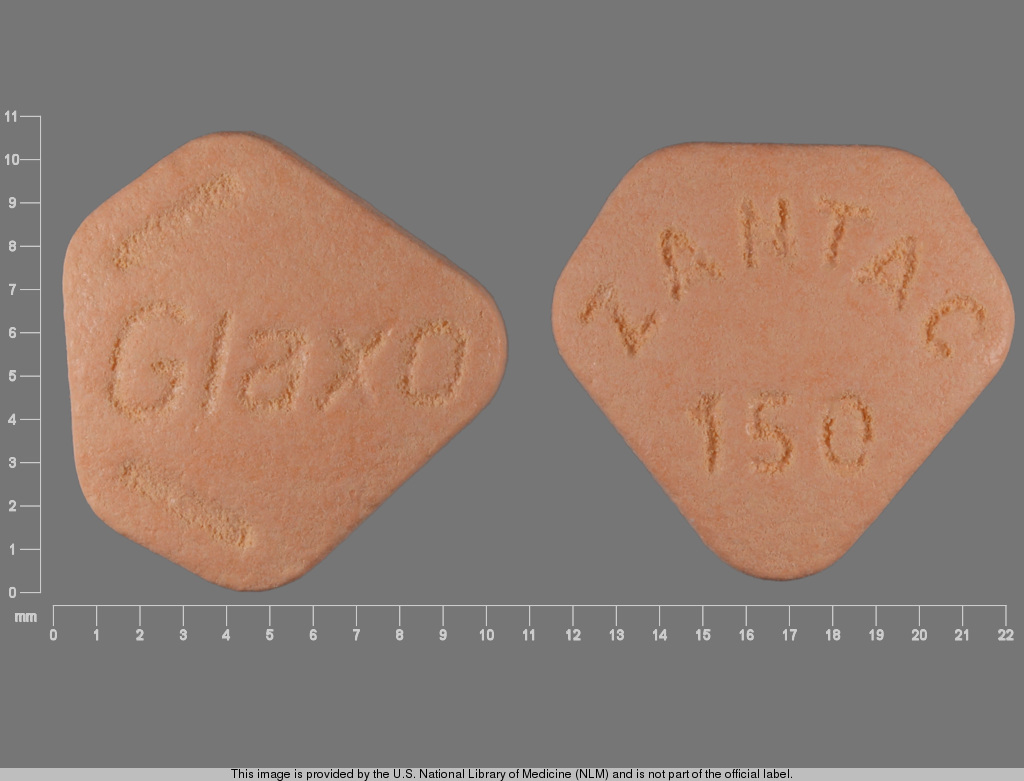
Drug class
"Histamine H2-receptor antagonist" acting as "a competitive, reversible inhibitor of the action of histamine at the histamine H2-receptors, including receptors on the gastric cells," which reduces gastric acid secretion.
Uses
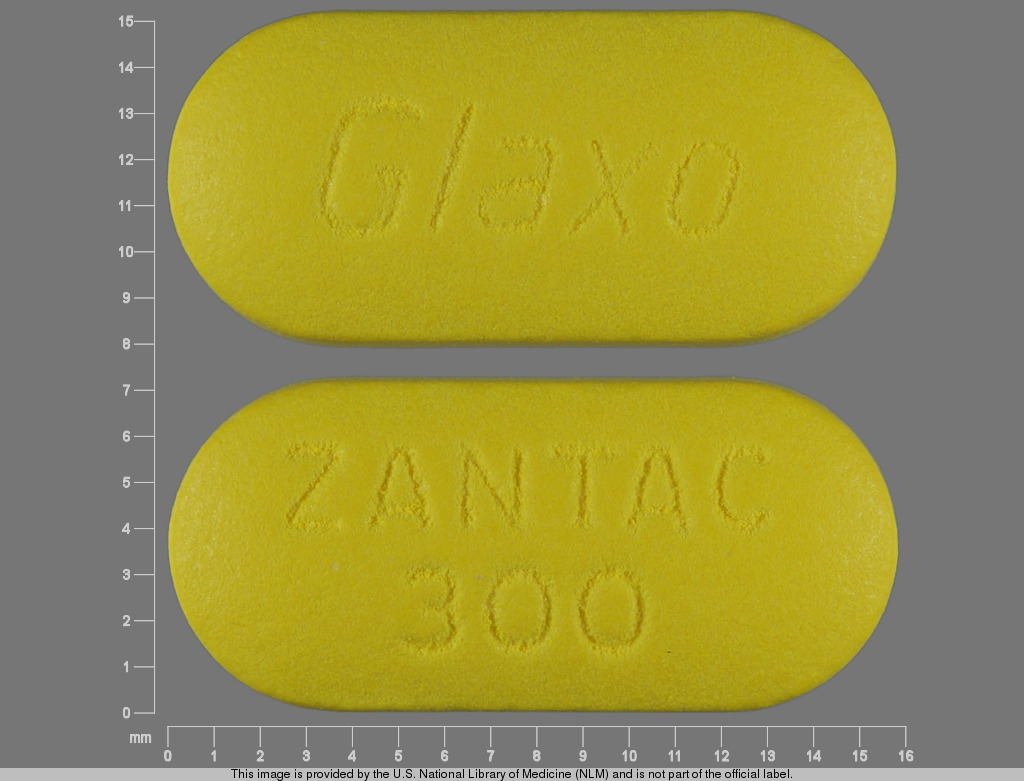
Ranitidine tablets were historically indicated for short-term treatment of active duodenal ulcer, maintenance therapy for duodenal ulcer at reduced dosage, treatment of active benign gastric ulcer, pathological hypersecretory conditions such as "Zollinger-Ellison syndrome," treatment and maintenance of erosive esophagitis, and treatment of gastroesophageal reflux disease (GERD) symptoms, noting that "symptomatic relief commonly occurs within 24 hours."
Warnings
No boxed warning in the originally approved label. "Ranitidine is contraindicated for patients known to have hypersensitivity to the drug or any of the ingredients," with caution advised in patients with a history of acute porphyria and in renal or hepatic impairment. IMPORTANT UPDATE: in April 2020 the FDA requested that all manufacturers withdraw ranitidine (prescription and over-the-counter) from the US market after testing found unacceptable levels of the probable human carcinogen NDMA (N-nitrosodimethylamine) in some products, levels that can increase with time and storage at higher temperatures; all ranitidine products were subsequently recalled or discontinued, and this is no longer an active, marketed FDA-approved label.
Contraindications
CONTRAINDICATIONS Ranitidine is contraindicated for patients known to have hypersensitivity to the drug or any of the ingredients (see PRECAUTIONS ).
Overdose
OVERDOSAGE There has been limited experience with overdosage. Reported acute ingestions of up to 18 g orally have been associated with transient adverse effects similar to those encountered in normal clinical experience (see ADVERSE REACTIONS ). In addition, abnormalities of gait and hypotension have been reported. When overdosage occurs, the usual measures to remove unabsorbed material from the gastrointestinal tract, clinical monitoring, and supportive therapy should be employed. Studies in dogs receiving dosages of ranitidine in excess of 225 mg/kg/day have shown muscular tremors, vomiting, and rapid respiration. Single oral doses of 1,000 mg/kg in mice and rats were not lethal. Intravenous LD 50 values in mice and rats were 77 and 83 mg/kg, respectively.
Drug interactions
Drug Interactions Ranitidine has been reported to affect the bioavailability of other drugs through several different mechanisms such as competition for renal tubular secretion, alteration of gastric pH, and inhibition of cytochrome P450 enzymes. Procainamide Ranitidine, a substrate of the renal organic cation transport system, may affect the clearance of other drugs eliminated by this route. High doses of ranitidine (e.g., such as those used in the treatment of Zollinger-Ellison syndrome) have been shown to reduce the renal excretion of procainamide and N-acetylprocainamide resulting in increased plasma levels of these drugs. Although this interaction is unlikely to be clinically relevant at usual ranitidine doses, it may be prudent to monitor for procainamide toxicity when administered with oral ranitidine at a dose exceeding 300 mg per day. Warfarin There have been reports of altered prothrombin time among patients on concomitant warfarin and ranitidine therapy. Due to the narrow therapeutic index, close monitoring of increased or decreased prothrombin time is recommended during concurrent treatment with ranitidine. Ranitidine may alter the absorption of drugs in which gastric pH is an important determinant of bioavailability. This can result in either an increase in absorption (e.g., triazolam, midazolam, glipizide) or a decrease in absorption (e.g., ketoconazole, atazanavir, delavirdine, gefitinib). Appropriate clinical monitoring is recommended. Atazanavir Atazanavir absorption may be impaired based on known interactions with other agents that increase gastric pH. Use with caution. See atazanavir label for specific recommendations. Delavirdine Delavirdine absorption may be impaired based on known interactions with other agents that increase gastric pH. Chronic use of H 2 -receptor antagonists with delavirdine is not recommended. Gefitinib Gefitinib exposure was reduced by 44% with the coadministration of ranitidine and sodium bicarbonate (dosed to maintain gastric pH above 5.0). Use with caution. Glipizide In diabetic patients, glipizide exposure was increased by 34% following a single 150-mg dose of oral ranitidine. Use appropriate clinical monitoring when initiating or discontinuing ranitidine. Ketoconazole Oral ketoconazole exposure was reduced by up to 95% when oral ranitidine was coadministered in a regimen to maintain a gastric pH of 6 or above. The degree of interaction with usual dose of ranitidine (150 mg twice daily) is unknown. Midazolam Oral midazolam exposure in 5 healthy volunteers was increased by up to 65% when administered with oral ranitidine at a dose of 150 mg twice daily. However, in another interaction study in 8 volunteers receiving IV midazolam, a 300 mg oral dose of ranitidine increased midazolam exposure by about 9%. Monitor patients for excessive or prolonged sedation when ranitidine is coadministered with oral midazolam. Triazolam Triazolam exposure in healthy volunteers was increased by approximately 30% when administered with oral ranitidine at a dose of 150 mg twice daily. Monitor patients for excessive or prolonged sedation.
Dosage & administration
DOSAGE AND ADMINISTRATION Active Duodenal Ulcer The current recommended adult oral dosage of Ranitidine Syrup (Ranitidine Oral Solution USP) for duodenal ulcer is 150 mg or 10 mL of oral solution (2 teaspoonfuls of oral solution equivalent to 150 mg of ranitidine) twice daily. An alternative dosage of 300 mg or 20 mL of oral solution (4 teaspoonfuls of oral solution equivalent to 300 mg of ranitidine) once daily after the evening meal or at bedtime can be used for patients in whom dosing convenience is important. The advantages of one treatment regimen compared to the other in a particular patient population have yet to be demonstrated (see Clinical Trials: Active Duodenal Ulcer ) . Smaller doses have been shown to be equally effective in inhibiting gastric acid secretion in US studies, and several foreign trials have shown that 100 mg twice daily is as effective as the 150-mg dose. Antacid should be given as needed for relief of pain (see CLINICAL PHARMACOLOGY: Pharmacokinetics ). Maintenance of Healing of Duodenal Ulcers The current recommended adult oral dosage is 150 mg or 10 mL of oral solution (2 teaspoonfuls of oral solution equivalent to 150 mg of ranitidine) at bedtime. Pathological Hypersecretory Conditions (such as Zollinger-Ellison syndrome) The current recommended adult oral dosage is 150 mg or 10 mL of oral solution (2 teaspoonfuls of oral solution equivalent to 150 mg of ranitidine) twice daily. In some patients it may be necessary to administer ranitidine 150-mg doses more frequently. Dosages should be adjusted to individual patient needs, and should continue as long as clinically indicated. Dosages up to 6 g/day have been employed in patients with severe disease. Benign Gastric Ulcer The current recommended adult oral dosage is 150 mg or 10 mL of oral solution (2 teaspoonfuls of oral solution equivalent to 150 mg of ranitidine) twice daily. Maintenance of Healing of Gastric Ulcers The current recommended adult oral dosage is 150 mg or 10 mL of oral solution (2 teaspoonfuls of oral solution equivalent to 150 mg of ranitidine) at bedtime. GERD The current recommended adult oral dosage is 150 mg or 10 mL of oral solution (2 teaspoonfuls of oral solution equivalent to 150 mg of ranitidine) twice daily. Erosive Esophagitis The current recommended adult oral dosage is 150 mg or 10 mL of oral solution (2 teaspoonfuls of oral solution equivalent to 150 mg of ranitidine) 4 times daily. Maintenance of Healing of Erosive Esophagitis The current recommended adult oral dosage is 150 mg or 10 mL of oral solution (2 teaspoonfuls of oral solution equivalent to 150 mg of ranitidine) twice daily. Pediatric Use The safety and effectiveness of ranitidine have been established in the age-group of 1 month to 16 years. There is insufficient information about the pharmacokinetics of ranitidine in neonatal patients (less than 1 month of age) to make dosing recommendations. The following 3 subsections provide dosing information for each of the pediatric indications. Treatment of Duodenal and Gastric Ulcers The recommended oral dose for the treatment of active duodenal and gastric ulcers is 2 to 4 mg/kg twice daily to a maximum of 300 mg/day. This recommendation is derived from adult clinical studies and pharmacokinetic data in pediatric patients. Maintenance of Healing of Duodenal and Gastric Ulcers The recommended oral dose for the maintenance of healing of duodenal and gastric ulcers is 2 to 4 mg/kg once daily to a maximum of 150 mg/day. This recommendation is derived from adult clinical studies and pharmacokinetic data in pediatric patients. Treatment of GERD and Erosive Esophagitis Although limited data exist for these conditions in pediatric patients, published literature supports a dosage of 5 to 10 mg/kg/day, usually given as 2 divided doses. Dosage Adjustment for Patients With Impaired Renal Function On the basis of experience with a group of subjects with severely impaired renal function treated with ranitidine, the recommended dosage in patients with a creatinine clearance <50 mL/min is 150 mg or 10 mL of oral solution (2 teaspoonfuls of oral solution equivalent to 150 mg of ranitidine) every 24 hours. Should the patient's condition require, the frequency of dosing may be increased to every 12 hours or even further with caution. Hemodialysis reduces the level of circulating ranitidine. Ideally, the dosing schedule should be adjusted so that the timing of a scheduled dose coincides with the end of hemodialysis. Elderly patients are more likely to have decreased renal function, therefore caution should be exercised in dose selection, and it may be useful to monitor renal function (see CLINICAL PHARMACOLOGY: Pharmacokinetics: Geriatrics and PRECAUTIONS: Geriatric Use ).
Active ingredient
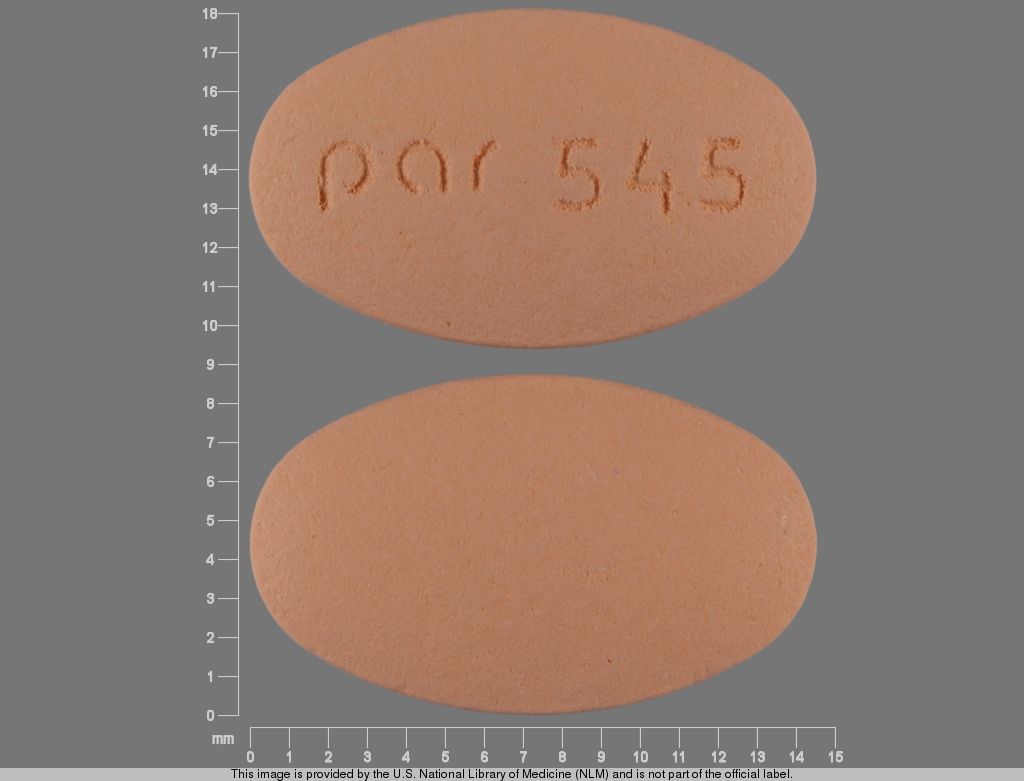
Active ingredient (in each tablet) Ranitidine 75 mg (as ranitidine hydrochloride, USP 84 mg)
Inactive ingredient
Inactive ingredients FD&C red #40 aluminum lake, hypromellose, iron oxide black, magnesium stearate, microcrystalline cellulose, polyethylene glycol, titanium dioxide.
Side effects
Reported reactions include "headache, sometimes severe," and less commonly malaise, dizziness, somnolence, insomnia, vertigo, constipation, diarrhea, nausea/vomiting, and abdominal discomfort. Rare but serious reactions noted in the original label included hepatitis and changes in blood counts such as thrombocytopenia and leukopenia.