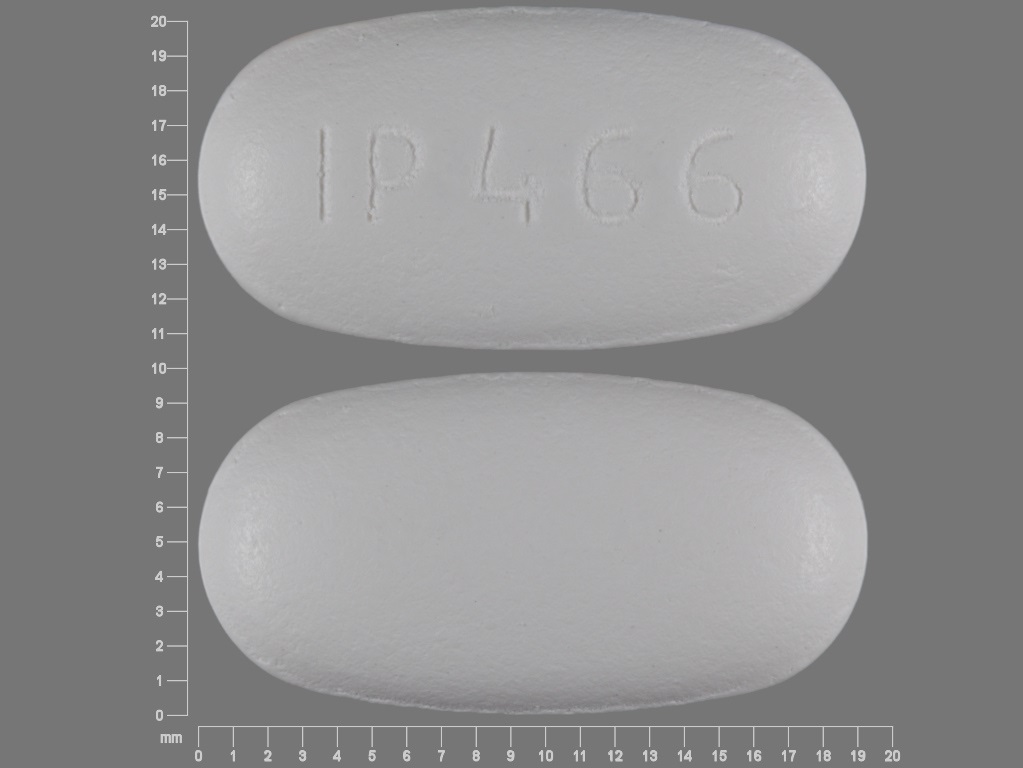
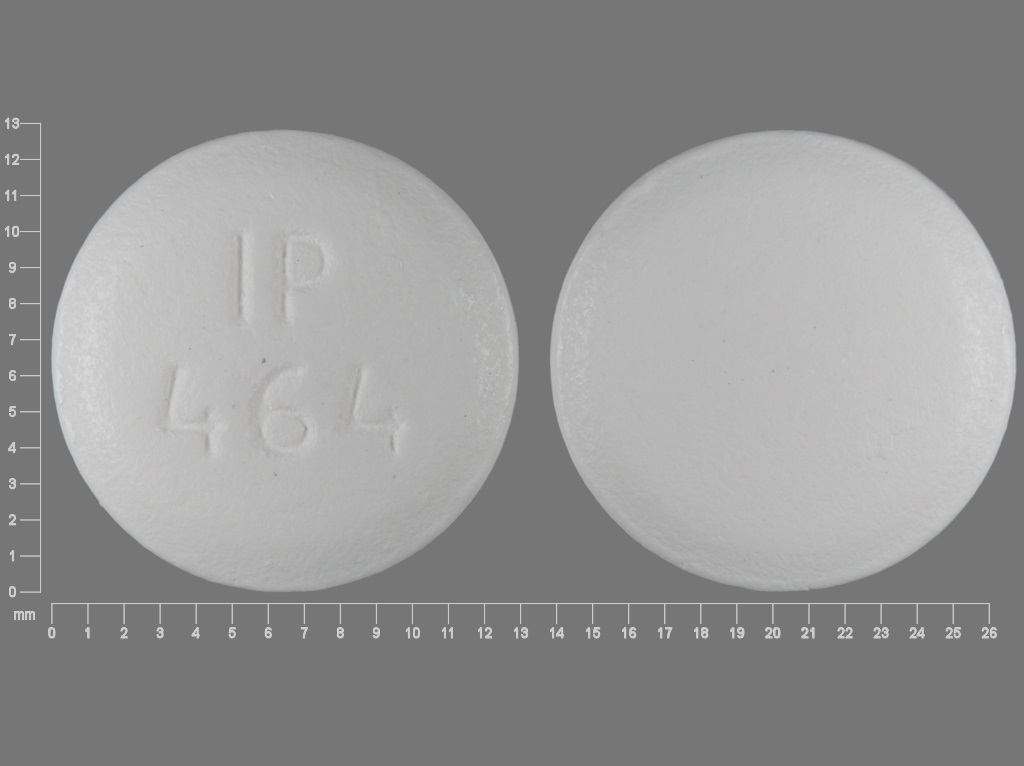
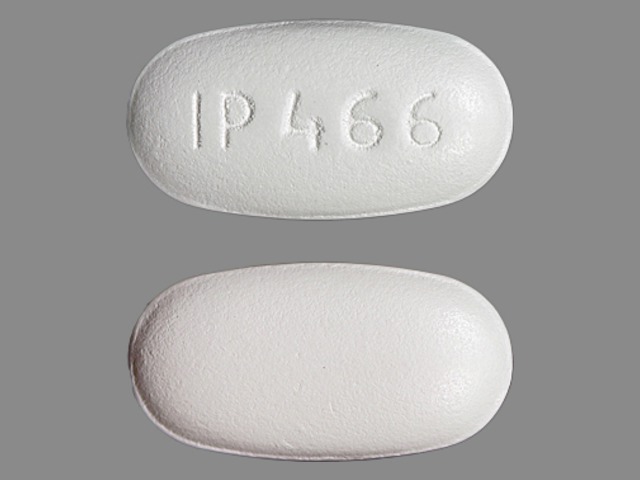
Drug class
Nonsteroidal anti-inflammatory drug (NSAID)" - possesses "analgesic and antipyretic activities" with mechanism "related to prostaglandin synthetase inhibition.
Uses
Ibuprofen tablets are indicated for: - Relief of signs and symptoms of rheumatoid arthritis and osteoarthritis - Relief of mild to moderate pain - Treatment of primary dysmenorrhea The label emphasizes using "the lowest effective dose for the shortest duration consistent with individual patient treatment goals."
Boxed warning
Cardiovascular Thrombotic Events Nonsteroidal anti-inflammatory drugs (NSAIDs) cause an increased risk of serious cardiovascular thrombotic events, including myocardial infarction and stroke, which can be fatal. This risk may occur early in treatment and may increase with duration of use. [See WARNINGS and PRECAUTIONS ]. Ibuprofen tablets are contraindicated in the setting of coronary artery bypass graft (CABG) surgery [see CONTRAINDICATIONS and WARNINGS ]. Gastrointestinal Risk NSAIDS cause an increased risk of serious gastrointestinal adverse events including bleeding, ulceration, and perforation of the stomach or intestines, which can be fatal. These events can occur at any time during use and without warning symptoms. Elderly patients are at greater risk for serious gastrointestinal events. [See WARNINGS ].
Warnings
BOXED WARNING: BOXED WARNING - Cardiovascular Thrombotic Events: NSAIDs "cause an increased risk of serious cardiovascular thrombotic events, including myocardial infarction and stroke, which can be fatal." Risk may occur early in treatment and increase with duration of use. Ibuprofen is contraindicated following coronary artery bypass graft (CABG) surgery. BOXED WARNING - Gastrointestinal Risk: NSAIDs cause "increased risk of serious gastrointestinal adverse events including bleeding, ulceration, and perforation of the stomach or intestines, which can be fatal." These events can occur anytime without warning symptoms. Elderly patients face greater risk. Additional Major Warnings Include: - Hypertension risk and worsening of existing hypertension - Heart failure and edema concerns - Renal effects and potential kidney damage - Anaphylactoid reactions in susceptible patients - Serious skin reactions (Stevens-Johnson Syndrome, toxic epidermal necrolysis) - Pregnancy concerns, particularly in late pregnancy
Contraindications
CONTRAINDICATIONS Ibuprofen tablets are contraindicated in patients with known hypersensitivity to ibuprofen. Ibuprofen tablets should not be given to patients who have experienced asthma, urticaria, or allergic-type reactions after taking aspirin or other NSAIDs. Severe, rarely fatal, anaphylactic-like reactions to NSAIDs have been reported in such patients [see WARNINGS, Anaphylactoid Reactions , and PRECAUTIONS, Preexisting Asthma ]. Ibuprofen tablets are contraindicated in the setting of coronary artery bypass graft (CABG) surgery [see WARNINGS ].
Overdose
OVERDOSAGE Approximately 1½ hours after the reported ingestion of from 7 to 10 Ibuprofen tablets (400 mg), a 19-month old child weighing 12 kg was seen in the hospital emergency room, apneic and cyanotic, responding only to painful stimuli. This type of stimulus, however, was sufficient to induce respiration. Oxygen and parenteral fluids were given; a greenish-yellow fluid was aspirated from the stomach with no evidence to indicate the presence of ibuprofen. Two hours after ingestion the child's condition seemed stable; she still responded only to painful stimuli and continued to have periods of apnea lasting from 5 to 10 seconds. She was admitted to intensive care and sodium bicarbonate was administered as well as infusions of dextrose and normal saline. By four hours post-ingestion she could be aroused easily, sit by herself and respond to spoken commands. Blood level of ibuprofen was 102.9 mcg/mL approximately 8½ hours after accidental ingestion. At 12 hours she appeared to be completely recovered. In two other reported cases where children (each weighing approximately 10 kg) accidentally, acutely ingested approximately 120 mg/kg, there were no signs of acute intoxication or late sequelae. Blood level in one child 90 minutes after ingestion was 700 mcg/mL -- about 10 times the peak levels seen in absorption-excretion studies. A 19-year old male who had taken 8,000 mg of ibuprofen over a period of a few hours complained of dizziness, and nystagmus was noted. After hospitalization, parenteral hydration and three days bed rest, he recovered with no reported sequelae. In cases of acute overdosage, the stomach should be emptied by vomiting or lavage, though little drug will likely be recovered if more than an hour has elapsed since ingestion. Because the drug is acidic and is excreted in the urine, it is theoretically beneficial to administer alkali and induce diuresis. In addition to supportive measures, the use of oral activated charcoal may help to reduce the absorption and reabsorption of Ibuprofen tablets.
Drug interactions
Drug Interactions ACE-inhibitors Reports suggest that NSAIDs may diminish the antihypertensive effect of ACE-inhibitors. This interaction should be given consideration in patients taking NSAIDs concomitantly with ACE-inhibitors. Aspirin Pharmacodynamic studies have demonstrated interference with the antiplatelet activity of aspirin when ibuprofen 400 mg, given three times daily, is administered with enteric-coated low-dose aspirin. The interaction exists even following a once-daily regimen of ibuprofen 400 mg, particularly when ibuprofen is dosed prior to aspirin. The interaction is alleviated if immediate-release low-dose aspirin is dosed at least 2 hours prior to a once-daily regimen of ibuprofen; however, this finding cannot be extended to enteric-coated low-dose aspirin [see Clinical Pharmacology/Pharmacodynamics ]. Because there may be an increased risk of cardiovascular events due to the interference of ibuprofen with the antiplatelet effect of aspirin, for patients taking low-dose aspirin for cardio protection who require analgesics, consider use of a NSAID that does not interfere with the antiplatelet effect of aspirin, or non-NSAID analgesics, where appropriate. When Ibuprofen tablets are administered with aspirin, its protein binding is reduced, although the clearance of free Ibuprofen tablets is not altered. The clinical significance of this interaction is not known; however, as with other NSAIDs, concomitant administration of ibuprofen and aspirin is not generally recommended because of the potential for increased adverse effects. Diuretics Clinical studies, as well as post marketing observations, have shown that Ibuprofen tablets can reduce the natriuretic effect-of furosemide and thiazides in some patients. This response has been attributed to inhibition of renal prostaglandin synthesis. During concomitant therapy with NSAIDs, the patient should be observed closely for signs of renal failure [see PRECAUTIONS, Renal Effects ], as well as to assure diuretic efficacy. Lithium Ibuprofen produced an elevation of plasma lithium levels and a reduction in renal lithium clearance in a study of eleven normal volunteers. The mean minimum lithium concentration increased 15% and the renal clearance of lithium was decreased by 19% during this period of concomitant drug administration. This effect has been attributed to inhibition of renal prostaglandin synthesis by ibuprofen. Thus, when ibuprofen and lithium are administered concurrently, subjects should be observed carefully for signs of lithium toxicity. (Read circulars for lithium preparation before use of such concurrent therapy.) Methotrexate NSAIDs have been reported to competitively inhibit methotrexate accumulation in rabbit kidney slices. This may indicate that they could enhance the toxicity of methotrexate. Caution should be used when NSAIDs are administered concomitantly with methotrexate. Warfarin-type anticoagulants Several short-term controlled studies failed to show that Ibuprofen tablets significantly affected prothrombin times or a variety of other clotting factors when administered to individuals on coumarin-type anticoagulants. However, because bleeding has been reported when Ibuprofen tablets and other NSAIDs have been administered to patients on coumarin-type anticoagulants, the physician should be cautious when administering Ibuprofen tablets to patients on anticoagulants. The effects of warfarin and NSAIDs on GI bleeding are synergistic, such that the users of both drugs together have a risk of serious GI bleeding higher than users of either drug alone. H-2 Antagonists In studies with human volunteers, co-administration of cimetidine or ranitidine with ibuprofen had no substantive effect on ibuprofen serum concentrations.
Dosage & administration
Directions do not take more than directed the smallest effective dose should be used adults and children 12 years and over: take 1 capsule every 4 to 6 hours while symptoms persist if pain or fever does not respond to 1 capsule, 2 capsules may be used do not exceed 6 capsules in 24 hours, unless directed by a doctor children under 12 years: ask a doctor
Active ingredient
Active ingredient (in each capsule) Solubilized ibuprofen equal to 200 mg ibuprofen (NSAID)* (present as the free acid and potassium salt) *nonsteroidal anti-inflammatory drug
Inactive ingredient
Inactive ingredients FD&C green #3, gelatin, medium-chain triglycerides, polyethylene glycol, potassium hydroxide, purified water, sorbitan solution, sorbitol, white ink
Side effects
Most frequent adverse reactions are gastrointestinal. In controlled trials, 4-16% of patients reported gastrointestinal complaints. Common (>1% but <3%): Nausea, epigastric pain, heartburn, diarrhea, abdominal distress, indigestion, constipation, dizziness, headache, nervousness, rash, pruritus, tinnitus Less Common (<1%): Gastric/duodenal ulcers with bleeding or perforation, gastrointestinal hemorrhage, depression, insomnia, Stevens-Johnson syndrome, hearing loss, thrombocytopenia, acute renal failure, congestive heart failure, anaphylaxis, bronchospasm