Overview
Aspirin, chemically known as acetylsalicylic acid, is among the oldest and most widely used medicines in the world. It belongs to the nonsteroidal anti-inflammatory drug (NSAID) class and is closely related to salicylates that occur naturally in willow bark, a remedy used for centuries. The modern compound was first made into a marketable product at the end of the 19th century, and it has remained in household medicine cabinets ever since. Today it is used both as an everyday over-the-counter pain and fever reducer and, in much smaller daily amounts, as a medicine that helps prevent harmful blood clots.
Aspirin is sold under a very large number of names. Well-known brands include Bayer, Ecotrin, Bufferin, St. Joseph, Aspirin Regimen, Aspirin EC and Alka-Seltzer (the original formulation of which combines aspirin with sodium bicarbonate and citric acid). It is also sold under dozens of store labels such as Equate, Rugby, Sunmark, Topcare, Good Neighbor Pharmacy, Meijer and Medique. It also appears in a handful of prescription and over-the-counter combination products. Our database lists well over a thousand pill and product entries for aspirin, which reflects how many manufacturers and private-label versions exist. Despite the variety of packaging, the active ingredient is the same. The practical differences between products are strength, coating, dosage form and any added ingredients.
This page explains what aspirin is used for, how it works in the body, how the different tablets look and behave, how products are typically taken, and the cautions that matter most. It is written for people trying to understand a medicine they have found at home or to identify a pill, and it is not a substitute for the advice of a pharmacist or doctor.
Uses
Aspirin has two fairly distinct groups of uses, and which one applies depends largely on the strength of the product and the reason it is being taken.
Pain, fever and inflammation. At regular strength (most commonly 325 mg per tablet, with 500 mg in some extra-strength products), aspirin is an over-the-counter analgesic and antipyretic. Typical labels list temporary relief of headache, toothache, muscle aches, menstrual cramps, minor arthritis pain, and the aches and fever that come with a cold. Aspirin is used in this way for short-term, occasional symptoms. Because it also reduces inflammation, it can ease the discomfort of minor sprains and joint soreness. Sustained high-dose anti-inflammatory use, which was once standard for rheumatoid arthritis, is now uncommon because newer options are better tolerated, and it is done only under medical supervision.
Headache combinations. Aspirin is paired with acetaminophen and caffeine in widely sold migraine and headache products. A prescription combination of butalbital, aspirin and caffeine is used for tension headaches, and a version that also contains codeine exists for more severe cases. These are described further below.
Cardiovascular protection. At low strength (commonly 81 mg per tablet in the United States, sometimes 162 mg), aspirin is used mainly for its effect on blood clotting. Clinicians recommend daily low-dose aspirin for many people who have already had a heart attack, an ischemic stroke or a transient ischemic attack, or who have had a coronary stent or bypass surgery, and for some people with established blockages in the arteries of the legs or neck. In these settings it lowers the chance of a repeat clot-related event. This is called secondary prevention, and the benefit generally outweighs the bleeding risk. The decision is nonetheless individual and is made by a clinician.
Emergency use. Aspirin is part of the standard early response to a suspected heart attack. Emergency dispatchers and paramedics sometimes advise a person to chew a plain (not enteric-coated) aspirin while help is on the way, because chewing speeds absorption. Anyone with chest pain, shortness of breath or other warning signs should call emergency services first and let the professionals direct the use of aspirin.
Specialist uses. Aspirin is also used under medical supervision in other situations: lowering the risk of preeclampsia in some higher-risk pregnancies, treating Kawasaki disease in children, preventing clots in some heart valve and clotting conditions, and certain inflammatory disorders. These are not reasons to start aspirin independently.
How aspirin works
Aspirin blocks two enzymes, cyclooxygenase-1 and cyclooxygenase-2 (COX-1 and COX-2). These enzymes convert a fatty acid called arachidonic acid into prostaglandins and thromboxane. Prostaglandins help generate pain signals, drive inflammation and raise the body's temperature set point during a fever. By reducing their production, aspirin lessens pain and swelling and helps bring down a fever.
What sets aspirin apart from other NSAIDs, such as ibuprofen and naproxen, is that its effect on the enzyme is irreversible. Aspirin attaches an acetyl group to the enzyme, permanently disabling it. Most NSAIDs bind loosely and let go as the drug leaves the bloodstream. Platelets, the tiny blood cells that start clot formation, have no nucleus and cannot manufacture replacement enzyme. In platelets, aspirin mainly disables COX-1, which is needed to make thromboxane A2, a signal that makes platelets clump together. A platelet exposed to aspirin therefore stays impaired for its whole lifespan of about 7 to 10 days. Since the bone marrow produces new platelets at a steady rate, normal clotting function returns gradually, roughly in step with the fraction of fresh platelets in circulation.
This explains several practical facts. A small daily amount is enough to keep a steady antiplatelet effect, because each dose affects newly made platelets as well. It also means the effect on bruising and bleeding can linger for about a week after the last dose, even though the pain-relieving effect lasts only a few hours. And it is why the dose needed for clot prevention is much lower than the dose needed for pain relief. Low doses are sufficient to inhibit platelet COX-1 as platelets pass through the blood vessels of the gut, while pain and fever relief require much greater overall exposure.
The same mechanism accounts for the main drawback of aspirin. Prostaglandins in the stomach lining stimulate mucus and bicarbonate secretion and maintain blood flow, which protects the stomach from its own acid. Reducing them leaves the lining more vulnerable. Aspirin can also irritate the stomach lining directly as a mildly acidic compound, which is one reason coated and buffered versions were developed.
What happens in the body. After swallowing, aspirin is absorbed in the stomach and upper small intestine. Much of it is quickly converted by enzymes in the gut wall, blood and liver to salicylic acid (salicylate), which is also active and is responsible for much of the pain and anti-inflammatory effect. Aspirin itself has a half-life of only about 15 to 20 minutes, but salicylate lasts longer. At low doses its half-life is a few hours, and at high doses the body's elimination pathways become saturated, so the half-life lengthens substantially and blood levels rise disproportionately. This non-linear behavior is one reason that exceeding the labeled amount can lead to toxicity more quickly than expected. Salicylate is eliminated mainly through the kidneys, and its removal is faster when the urine is alkaline.
Product types and how to recognize them
Aspirin is made in several tablet types, and knowing which one is in hand is useful because they release the drug differently.
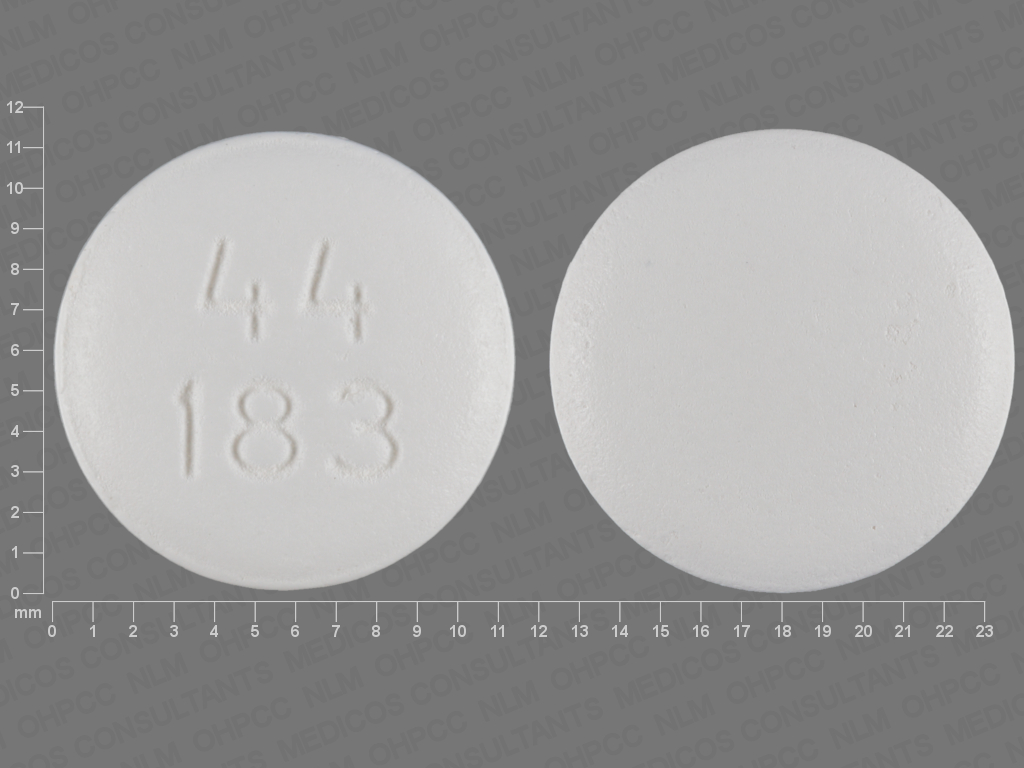
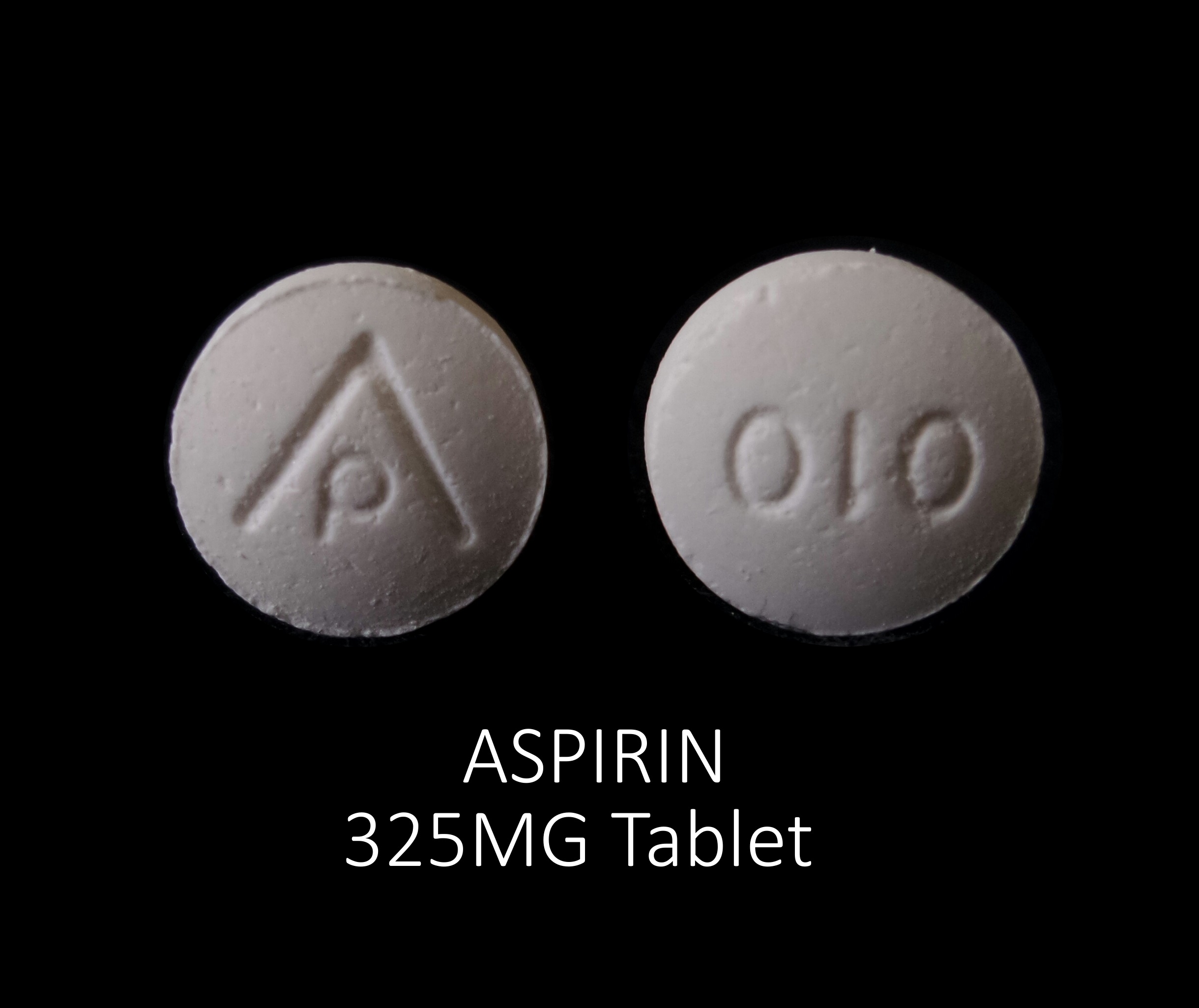
- Plain (uncoated) tablets and caplets. These dissolve in the stomach and are absorbed relatively quickly. Regular-strength 325 mg tablets are most often small, round and white, though caplet-shaped and film-coated versions are also common.
- Film-coated tablets. A thin smooth coating makes the tablet easier to swallow and masks the taste. Typical inactive ingredients in such tablets include corn starch, hypromellose, polyethylene glycol and propylene glycol.
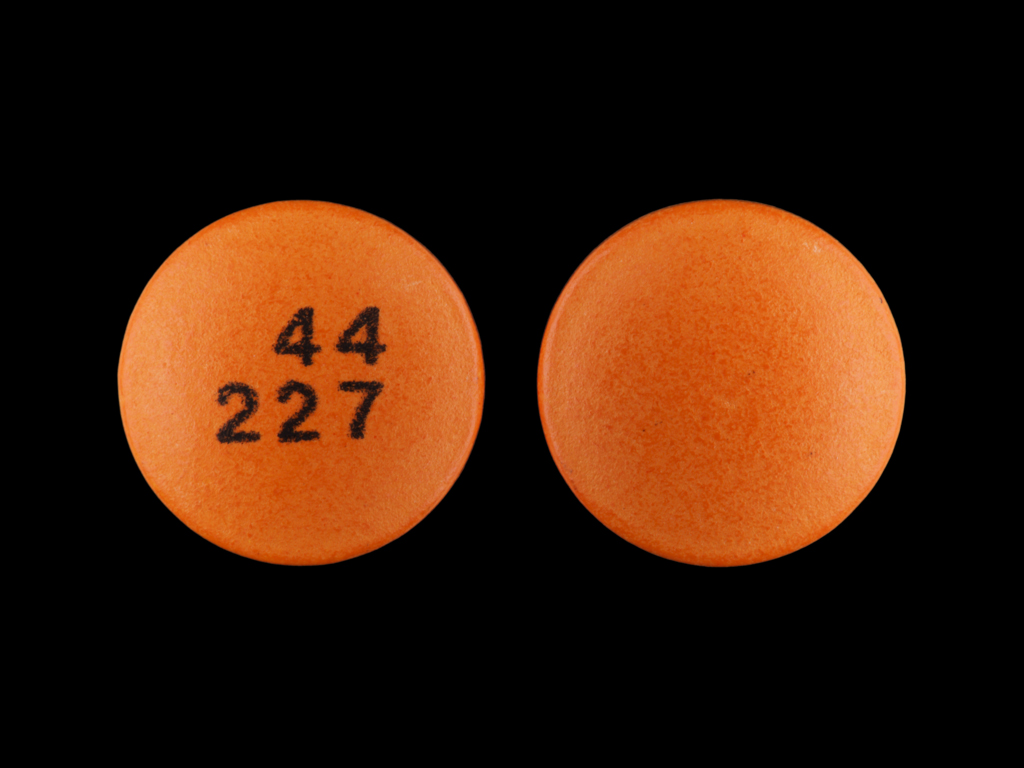
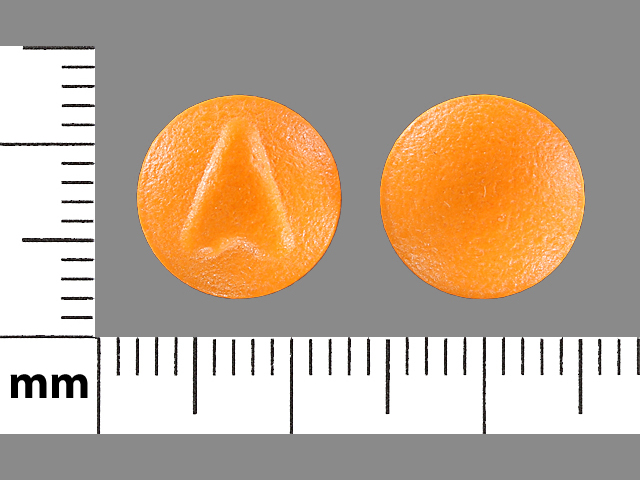
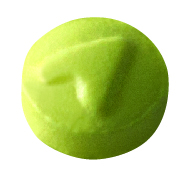
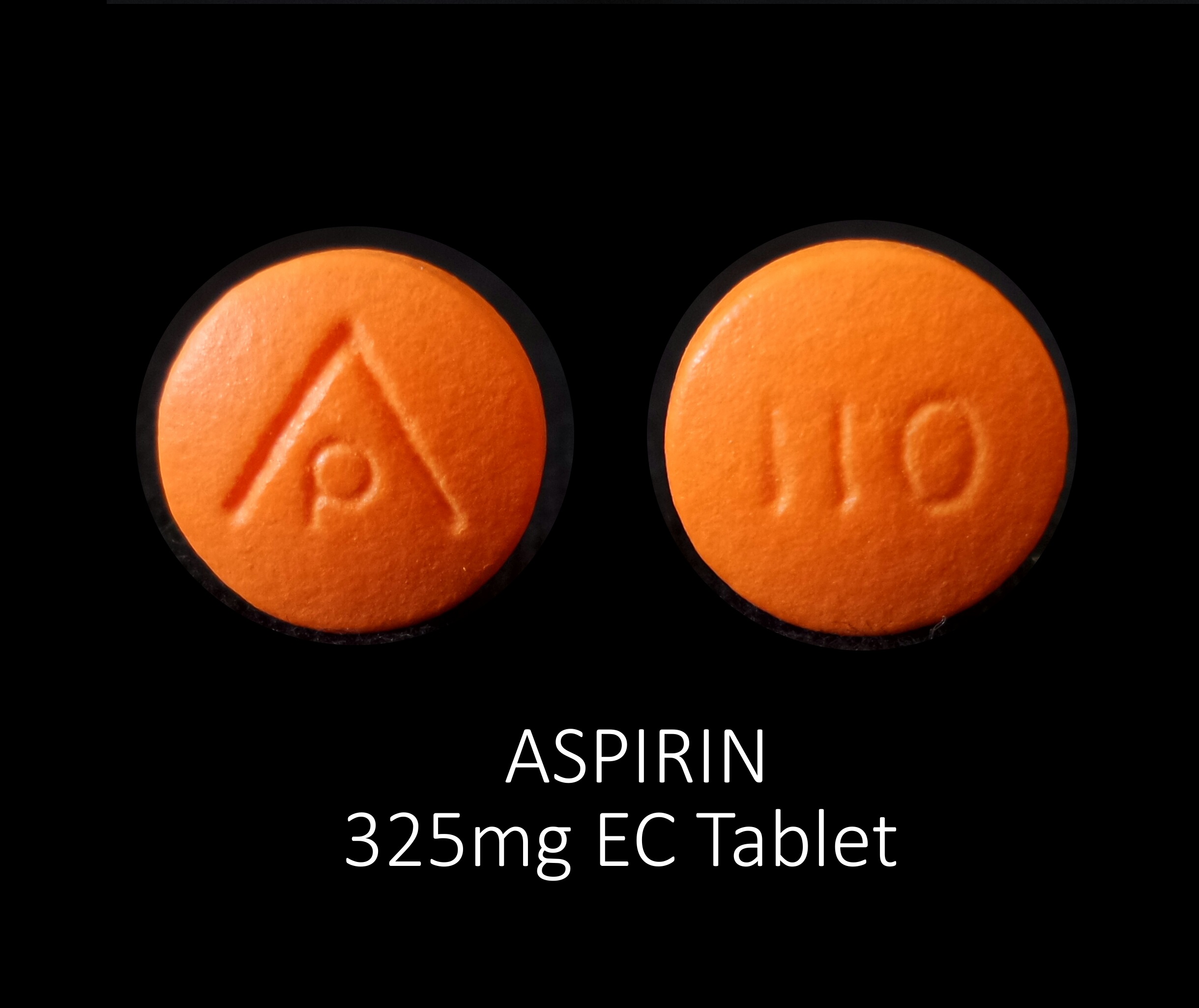
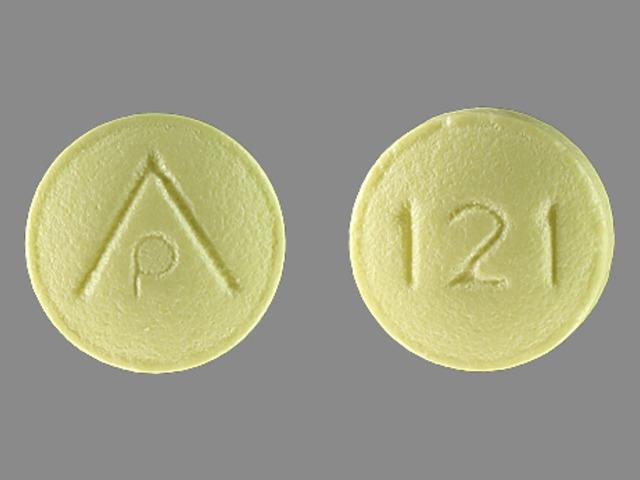
- Enteric-coated or delayed-release tablets. These carry a coating designed to resist stomach acid and dissolve in the small intestine. They are sold as Ecotrin, Bayer Aspirin Regimen enteric coated, Aspirin EC and numerous store-brand low-dose and regular-strength versions. Low-dose versions are often small, round and yellow or orange, while 325 mg versions are frequently white or off-white, though color and imprint vary by maker. Enteric-coated tablets are intended to be swallowed whole.
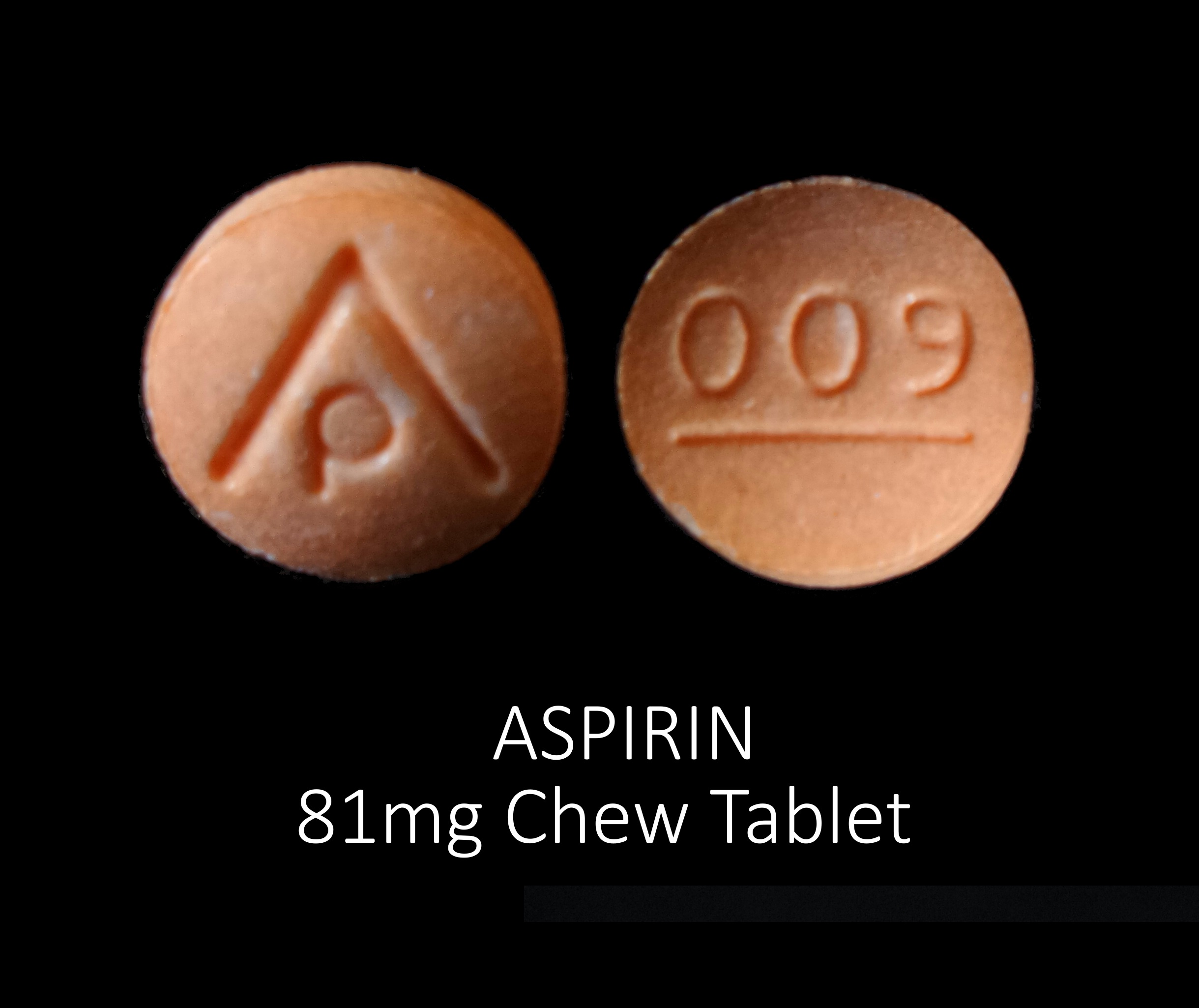
- Chewable tablets. Low-dose chewables of 81 mg are usually small, round and flavored, often cherry or orange, and are sold as St. Joseph chewable, Bayer chewable low dose and many store brands.
- Buffered tablets. Products such as Bufferin and tri-buffered aspirin add antacid-type ingredients such as calcium carbonate, magnesium oxide or magnesium carbonate, intended to reduce stomach upset and speed dissolving.
- Effervescent tablets. These dissolve in water and usually contain sodium bicarbonate and citric acid. They are sold in Alka-Seltzer-type products and store-brand effervescent pain relievers. They also contribute a notable amount of sodium, which can matter to people on salt-restricted diets.
- Suppositories, powders and granules. Less common in consumer markets, these are listed among the available forms of aspirin. Aspirin powders, usually sold in single-dose paper packets, are a regional tradition in parts of the southern United States.
To identify a tablet, look at the imprint code, shape, color and size, and compare them with the printed packaging or a pharmacist's records. Many aspirin tablets look alike, and 81 mg and 325 mg tablets can be similar in appearance, so the strength printed on the bottle label is the most reliable guide. Enteric-coated tablets that have been removed from their packaging can be hard to tell from plain ones by sight alone. Tablets that are crumbling, discolored or smell strongly of vinegar are best discarded.
Combination products that contain aspirin
Aspirin is an ingredient in several multi-ingredient medicines. They are worth recognizing because the extra ingredients bring their own precautions.
- Aspirin with acetaminophen and caffeine. Headache and migraine products such as Excedrin combine these three ingredients. A few older pain-relief products also include salicylamide, a related salicylate. The caffeine can add to the effect of coffee and other stimulants, causing jitteriness or sleep difficulty in sensitive people.
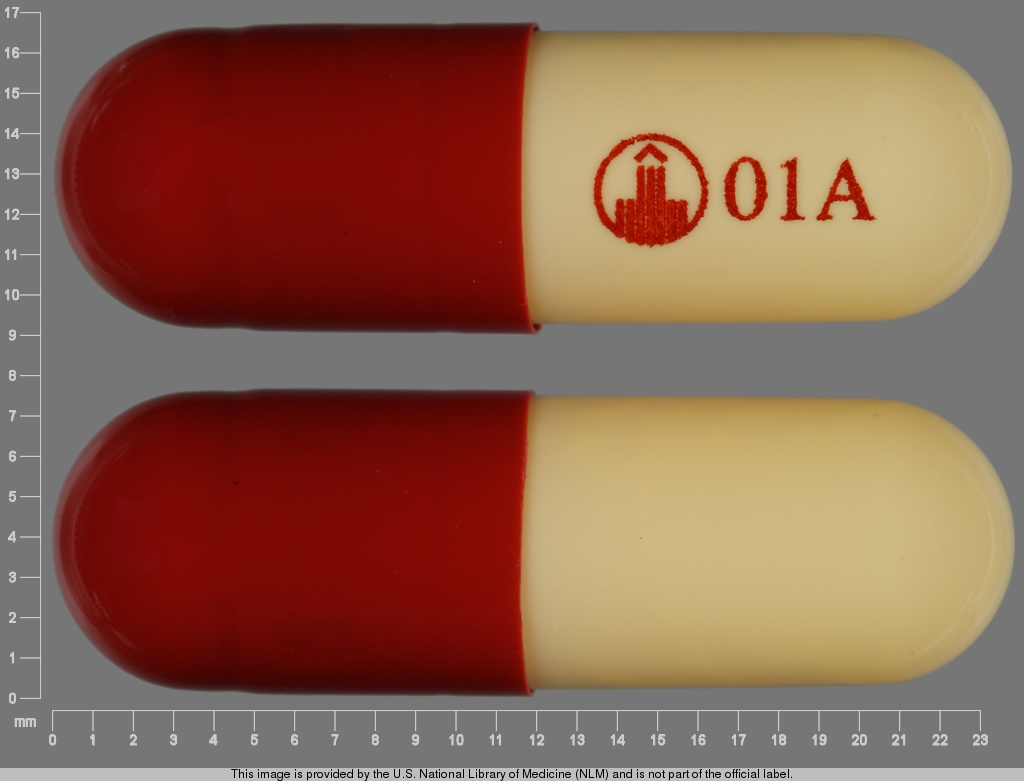
- Butalbital, aspirin and caffeine. This is a prescription product for tension headaches. It combines aspirin with butalbital, a barbiturate-type sedative, and caffeine. A typical tablet or capsule contains 325 mg of aspirin, 50 mg of butalbital and 40 mg of caffeine. Butalbital can cause drowsiness, and with frequent use it can lead to dependence and to medication-overuse headache, so it is generally limited to occasional use.
- Butalbital, aspirin, caffeine and codeine. Products such as Ascomp with Codeine add 30 mg of codeine phosphate, an opioid, to the three ingredients above, in a prescription capsule. Codeine brings the usual opioid risks, including drowsiness, constipation, slowed breathing and dependence, and it is processed differently from person to person depending on liver enzyme genetics.
The rest of this page concentrates on aspirin used by itself. If a product contains more than one active ingredient, its own label and a pharmacist are the best sources on the other components.
Dosage & administration
Aspirin is taken by mouth in nearly all cases. It is available as plain tablets, chewable tablets, coated, film-coated and delayed-release tablets, effervescent tablets, orally disintegrating tablets, capsules, powders, granules and rectal suppositories. The most familiar over-the-counter strengths are 81 mg for low-dose use and 325 mg for regular strength, with 162 mg, 300 mg and 500 mg products also on the market. In combination products, aspirin appears alongside other ingredients, for example 325 mg of aspirin with 50 mg of butalbital and 40 mg of caffeine. The strength printed on the package tells how much aspirin each tablet contains, and the directions on the package or from a prescriber take precedence over any general description here.
For pain and fever. Over-the-counter regular-strength labels typically direct adults and children aged 12 and over to take a small number of tablets at intervals of several hours as needed, with a fixed maximum for each 24 hours that is not to be exceeded unless a doctor directs otherwise. Labels commonly suggest taking it with a full glass of water, and taking it with food or milk is a common way to reduce stomach upset. Because aspirin is meant for short-term use, labels advise consulting a doctor if pain lasts more than about 10 days, if fever lasts more than 3 days, or if redness or swelling is present.
For heart and stroke prevention. Low-dose aspirin is usually taken once daily on a long-term basis, and the amount is chosen by a clinician. In the United States 81 mg is the standard, while some countries use 75 mg or 100 mg tablets. People who take aspirin for this purpose are generally advised to take it consistently rather than starting and stopping, and not to discontinue it abruptly without discussing it with their doctor. This applies especially after a stent or heart attack, when stopping can carry its own risk. Time of day matters little, though many people take it with a meal or in the evening.
Choosing a form. Enteric-coated tablets are intended to be swallowed whole. Chewable tablets may be chewed or swallowed with water. Effervescent tablets are completely dissolved in water before drinking. Suppositories are used rectally according to the package directions, and they are sometimes chosen when nausea or vomiting makes swallowing tablets impractical. People who have trouble swallowing can ask a pharmacist whether a chewable or dissolving form is appropriate. A chewable low-dose tablet generally delivers the same amount of aspirin as a swallowed one but is absorbed faster, which is why it is the form usually mentioned in heart attack guidance.
Children. Labels on regular-strength products state that children under 12 should not use them unless directed by a doctor. Special cautions about Reye's syndrome apply to children and teenagers up to age 19 (see Warnings and Pediatric use below).
A missed dose. Aspirin taken for pain is generally used only when needed, so there is no schedule to miss. For people on a daily low dose, the general approach is to take the missed dose when remembered unless it is nearly time for the next, and not to double up to compensate. A pharmacist can advise on specific situations.
Overdose
Taking more aspirin than directed can be dangerous, whether through a single large ingestion or through repeated excess doses over several days. The second pattern, called chronic salicylate toxicity, occurs most often in older adults, in people taking several salicylate-containing products at once, and in anyone using high doses for arthritis. It is easily overlooked because early symptoms resemble other illnesses.
Early signs of salicylate toxicity commonly include ringing in the ears (tinnitus), muffled hearing, nausea, vomiting, dizziness, sweating and rapid or deep breathing. More severe poisoning can bring confusion, agitation, high fever, fast heartbeat, seizures, fluid in the lungs, kidney problems and a serious disturbance of the body's acid-base balance, in which the blood first becomes too alkaline from over-breathing and then too acidic. Children, older adults and people who are dehydrated or have kidney disease are at greater risk.
Accidental overdose can also happen when aspirin is combined with other products that contain salicylates, including some cold and flu remedies, certain stomach remedies, and rubs or ointments with methyl salicylate. Methyl salicylate in particular is highly concentrated, and swallowing even a small amount can be dangerous for a child.
In case of overdose or suspected overdose, medical help or a Poison Control Center should be contacted right away. In the United States, the national Poison Help line is available around the clock. It is not advisable to wait for symptoms to appear, because they can be delayed, particularly with enteric-coated tablets, which release aspirin slowly and can produce peak blood levels many hours after swallowing. Treatment in hospital may include activated charcoal, intravenous fluids, urine alkalinization, close monitoring of blood salicylate levels and, in severe cases, dialysis.
Warnings
Reye's syndrome. Children and teenagers recovering from chickenpox or flu-like illness should not use aspirin. In this setting aspirin has been linked to Reye's syndrome, a rare but serious condition that causes swelling in the liver and brain. Persistent vomiting, unusual sleepiness, confusion or changes in behavior following a viral illness can be early signs and call for prompt medical attention. For this reason, aspirin is generally avoided for fever and pain in children and teenagers unless a doctor specifically recommends it.
Allergic reactions. Aspirin can cause severe allergic reactions, which may include facial swelling, hives, shock and asthma-type breathing problems. People who have reacted to aspirin or other pain relievers should avoid it. A subset of people with asthma, chronic nasal polyps or chronic sinus disease have a pattern known as aspirin-exacerbated respiratory disease, in which aspirin and other NSAIDs trigger wheezing, nasal congestion or sinus symptoms, often within an hour or two. A few such people are treated with supervised desensitization, which is a specialist procedure.
Stomach and intestinal bleeding. Aspirin and other NSAIDs can cause ulcers and serious bleeding in the stomach and intestines, sometimes without warning. Over-the-counter labels list the factors that raise the risk: age 60 or older, a history of stomach ulcers or bleeding problems, use of blood thinners or steroid medicines, use of other NSAID-containing products, having three or more alcoholic drinks every day while using the product, and taking the medicine for longer or in larger amounts than directed. Black or bloody stools, vomiting blood or material that looks like coffee grounds, and persistent stomach pain are signs that need urgent medical attention. Infection with the stomach bacterium Helicobacter pylori adds to ulcer risk, and some clinicians test for it in people who need long-term aspirin.
Other bleeding. Because aspirin affects platelets, it can make bruising and nosebleeds more likely and can prolong bleeding after cuts or procedures. In rare cases it contributes to bleeding inside the skull, which is why a sudden severe headache or new weakness needs emergency evaluation. Surgeons and dentists often ask about aspirin before a procedure, and they may give specific advice about whether and when to pause it. Prescribed daily aspirin should not be stopped by the person alone before a procedure, because for some people, such as those with recent stents, interrupting it can be riskier than continuing.
Ear symptoms and hearing. Ringing in the ears or reduced hearing can signal that the body has accumulated too much aspirin. Labels advise stopping the product and consulting a doctor if these symptoms occur. They typically resolve after the drug is stopped.
Primary prevention. Aspirin was once widely taken by healthy adults to prevent a first heart attack or stroke. Several large trials in the past decade, including a study of healthy adults aged 70 and over, found that the bleeding risk largely offset any cardiovascular benefit in people without established disease. U.S. guidance now generally recommends against starting daily aspirin for prevention in adults aged 60 and older, and suggests that the decision for some adults in their 40s and 50s with higher cardiovascular risk be made individually with a clinician. People currently taking daily aspirin without a clear medical reason may wish to review the decision with their doctor, rather than stopping on their own.
Alcohol. Regular heavy alcohol use together with aspirin raises the chance of stomach irritation and bleeding.
Other conditions. People with bleeding disorders, uncontrolled high blood pressure, kidney disease, liver disease, heart failure, gout, severe anemia, or a history of stomach ulcers should discuss aspirin with a clinician before using it. Low-dose aspirin can slightly raise uric acid levels, which is relevant to people with gout, whereas high doses tend to lower it. A rare inherited enzyme deficiency, G6PD deficiency, may also warrant caution with high doses.
Who should avoid aspirin
Aspirin is generally not appropriate for people who are allergic to aspirin or other NSAIDs, who have had asthma attacks, hives or swelling after taking them, who have an active stomach ulcer or gastrointestinal bleeding, or who have a bleeding disorder such as hemophilia. It is avoided in children and teenagers with viral illnesses, and it is generally avoided in the last trimester of pregnancy unless a doctor specifically directs otherwise. It is also generally not combined with full-dose anticoagulants unless a specialist has planned that regimen. Anyone unsure whether any of these applies should ask a pharmacist before using it.
Side effects
Over-the-counter aspirin labels concentrate on warnings rather than a list of side effects, but from general clinical experience the following are recognized.
More common effects. Heartburn, indigestion, stomach pain, nausea and mild stomach upset are the most frequent complaints. They are more likely with higher doses, repeated doses and use on an empty stomach. Easy bruising and minor bleeding, such as nosebleeds or bleeding gums, can occur with regular use, particularly with daily low-dose therapy.
Less common effects. Ringing in the ears, temporary hearing changes, dizziness, headache and sweating can occur at higher doses. Some people notice wheezing, a runny nose or nasal congestion after taking aspirin. Skin reactions such as hives or rash occur occasionally.
Serious effects needing urgent attention. These include vomiting blood, black tarry or bloody stools, severe stomach pain, signs of a severe allergic reaction (swelling of the face, lips or tongue, hives, difficulty breathing), sudden severe headache or weakness suggesting bleeding in the brain, and symptoms of salicylate toxicity such as confusion, rapid breathing and persistent ringing in the ears. Aspirin can affect kidney function, particularly in people who are dehydrated or already have kidney disease, and it can very rarely cause liver injury, usually at high doses.
Enteric-coated and buffered products are marketed as gentler on the stomach, and they may reduce symptoms such as heartburn. However, the evidence that they reduce the risk of serious bleeding is limited, because much of the bleeding risk comes from aspirin's effect throughout the body after absorption. Anyone who has stomach symptoms from aspirin should discuss them with a doctor or pharmacist rather than assuming that a coated tablet will solve the problem. Some people at higher risk are prescribed a stomach-protecting medicine such as omeprazole alongside long-term aspirin.
Drug interactions
Aspirin interacts with a long list of medicines. Many of these interactions involve bleeding or kidney effects, and a pharmacist can check a full medication list. Notable examples include the following.
- Anticoagulants and other antiplatelet drugs. Combining aspirin with warfarin, apixaban, rivaroxaban, dabigatran, clopidogrel, prasugrel or ticagrelor raises the likelihood of significant bleeding. These combinations are sometimes deliberate and carefully supervised, for example after a stent, but they are not meant to be combined without medical guidance.
- Other NSAIDs. Using ibuprofen, naproxen, diclofenac, celecoxib or other NSAIDs together with aspirin increases the risk of stomach bleeding without adding clear benefit. In addition, ibuprofen, and to a lesser extent naproxen, can interfere with the antiplatelet effect of low-dose aspirin when taken close to it in time, as the other drug can occupy the enzyme site before aspirin does. The U.S. FDA has issued guidance about the timing of occasional ibuprofen use for people who take immediate-release aspirin for heart protection, and people in this situation are usually advised to check with a pharmacist before using these pain relievers regularly.
- Corticosteroids. Prednisone and similar drugs increase the risk of stomach ulcers when combined with aspirin.
- Methotrexate. Aspirin can reduce the kidney clearance of methotrexate and raise its levels, which matters particularly at higher methotrexate doses.
- Blood pressure and heart medicines. Aspirin, especially at higher doses, can weaken the effect of ACE inhibitors such as lisinopril, of angiotensin receptor blockers, and of diuretics such as furosemide. In combination with these medicines and in people who are dehydrated, it can contribute to kidney strain.
- Antidepressants. SSRIs and SNRIs, such as sertraline, fluoxetine and venlafaxine, impair platelet function. In combination with aspirin, the risk of bleeding rises.
- Valproic acid. Aspirin can displace valproate from protein binding and raise its active levels.
- Diabetes medicines. High doses of aspirin can lower blood sugar and may enhance the effect of insulin and sulfonylureas.
- Gout medicines. Aspirin can reduce the effectiveness of probenecid and sulfinpyrazone, which work by helping the kidneys excrete uric acid.
- Acetazolamide. Together with aspirin it can increase salicylate accumulation and toxicity, because acetazolamide makes the blood more acidic and pushes more salicylate into tissues.
- Alcohol, herbal products and supplements. Alcohol irritates the stomach, and ginkgo, high-dose fish oil, garlic supplements and vitamin E may add to the bleeding tendency.
- Other salicylate products. Bismuth subsalicylate (found in some stomach remedies), methyl salicylate rubs and other aspirin-containing cold and pain products add to total salicylate intake.
- Acetaminophen. The two are often combined in headache products without a problem, but each carries its own daily limit, and duplicating acetaminophen from several products is a separate concern.
This is not a complete list. Anyone taking prescription medicines, supplements or other over-the-counter products can ask a pharmacist before adding aspirin or before using aspirin regularly.
Pregnancy & breastfeeding
The over-the-counter label advises that pregnant or breastfeeding people ask a health professional before use, and it specifically states that it is especially important not to use aspirin during the last three months of pregnancy unless definitely directed by a doctor. At that stage, aspirin and other NSAIDs can cause problems for the baby, including premature narrowing of a blood vessel in the baby's heart called the ductus arteriosus. They can also contribute to bleeding complications and prolonged labor. NSAIDs used from about 20 weeks of pregnancy onward have also been associated with low amniotic fluid because of effects on the baby's kidneys, and regulatory agencies advise caution and the shortest possible duration of use after that point.
An important exception is low-dose aspirin recommended by an obstetrician for people at elevated risk of preeclampsia. It is typically started from the late first or second trimester and carefully supervised. This is a medical decision and is different from using regular-strength aspirin for pain. Pregnant people who need pain relief are often directed to acetaminophen first, though a clinician should confirm the right choice for each situation.
Small amounts of aspirin pass into breast milk. Occasional low doses are generally considered compatible with breastfeeding by many references, while higher or frequent doses are usually avoided because of the theoretical risk to the infant, including bleeding and Reye's syndrome. A doctor or lactation specialist can advise on the best option for an individual situation.
Pediatric use
Aspirin is generally not recommended for children and teenagers for routine fever or pain because of the link with Reye's syndrome. Over-the-counter labels state that children under 12 should not use the product unless directed by a doctor, and the warning about chickenpox and flu-like illness extends to teenagers. Pediatric guidance generally favors acetaminophen or ibuprofen for fever and pain in children, depending on age.
There are important exceptions in which specialists use aspirin in children. These include Kawasaki disease, in which it is part of treatment to reduce inflammation and prevent clots in the coronary arteries, as well as certain heart conditions, some clotting disorders and some forms of juvenile arthritis. Such use is based on a specific diagnosis, and the amount and duration are set by a doctor who monitors the child, often with advice to avoid exposure to influenza and chickenpox or to be vaccinated against them. Products labeled as children's aspirin exist in some markets and are low-dose chewables, but they are not intended for a child with fever or viral illness unless a doctor says so. Because the flavored low-dose chewable tablets can look like candy, it is wise to keep all aspirin products in child-resistant packaging and out of children's reach. Accidental ingestion by young children is a recognized cause of salicylate poisoning.
Older-adult use
Older adults are more vulnerable to the main hazards of aspirin. The risk of stomach and intestinal bleeding rises with age, and bleeding inside the skull, although uncommon, becomes more of a concern. Older adults are also more likely to take other medicines that interact with aspirin, such as anticoagulants, steroids, blood pressure medicines and other NSAIDs. Kidney function naturally declines with age, which alters how aspirin is handled and increases the risk of kidney problems from higher doses. Symptoms of toxicity, such as confusion, can be mistaken for other age-related conditions.
For these reasons, current guidance is more cautious about starting daily low-dose aspirin in people aged 60 and over who have never had a heart attack or stroke. For older adults with established cardiovascular disease, the balance often favors continued aspirin, and the decision is best reviewed periodically with a clinician. Older adults using aspirin for occasional pain may watch for ringing in the ears, black stools, unusual bruising or stomach pain, and can ask a pharmacist about a suitable pain reliever if they take several other medicines.
Kidney & liver impairment
Kidney disease. Prostaglandins help maintain blood flow to the kidneys. At the doses used for pain, aspirin can therefore reduce kidney function in people with existing kidney disease, heart failure, cirrhosis or dehydration. Regular-strength use is generally avoided or limited in people with advanced kidney disease, and low-dose aspirin may be continued for cardiovascular protection only after a doctor weighs the risks. Aspirin can also add to the bleeding tendency already present in advanced kidney failure, because uremia itself impairs platelet function.
Liver disease. People with significant liver disease may produce fewer clotting factors, and aspirin's effect on platelets adds to the risk of bleeding, particularly if enlarged veins are present in the esophagus or stomach. Aspirin is also associated with liver injury in rare cases at high doses. Those with liver disease are generally advised to seek medical advice before using aspirin regularly.
Storage and handling
Aspirin is generally stored at room temperature in a tightly closed container, away from heat, moisture and direct light. Moisture breaks aspirin down into acetic acid and salicylic acid, and a bottle that smells strongly of vinegar is a sign that the tablets may have deteriorated and should be discarded and replaced. A steamy bathroom is a poor place for storage. Keeping the desiccant packet, if one is included, and avoiding transfer to unlabeled containers helps preserve the tablets. All strengths, including flavored chewables, belong in child-resistant packaging out of children's reach, and the expiration date on the package should be checked before use.
Finding more information
Aspirin is regulated by the FDA as both an over-the-counter and a prescription ingredient, and product labels carry the warnings summarized above. For additional plain-language consumer information on aspirin and related medicines, see MedlinePlus Drug Information. A pharmacist can help with questions about identifying a specific tablet, comparing products or checking for interactions.