Overview and uses
Acetaminophen is one of the most widely used medicines in the world. It relieves mild to moderate pain and lowers fever, and it is sold without a prescription in nearly every pharmacy, supermarket and convenience store. Outside the United States and Canada the same compound is usually called paracetamol. Single-ingredient products are commonly sold under brand names such as TYLENOL, Panadol, Mapap, FeverAll, Pharbetol and Crocin. Hundreds of store-brand products carry generic labels such as Pain Reliever, Pain Relief, Arthritis Pain or Children's Pain and Fever. In hospitals, an intravenous form (marketed as Ofirmev and also supplied as generic acetaminophen injection) is used when a person cannot take medicine by mouth.
Acetaminophen is also an ingredient in a very large number of combination products. These include prescription pairings with codeine, butalbital plus caffeine, or pentazocine. They also include Excedrin-type headache tablets, Midol menstrual products, TYLENOL PM, and many multi-symptom cold and flu liquids and capsules, including the Vicks PainQuil and 'Nite-Time' style products. Because the ingredient turns up in so many places, a recurring theme on this page is keeping track of the total amount taken across all products.
Over-the-counter labels describe two main purposes. The first is the temporary relief of minor aches and pains, and the conditions named on packaging typically include:
- headache and tension headache
- muscular aches and backache
- minor pain from arthritis
- toothache
- menstrual cramps
- the aches and pains that accompany a common cold or flu
The second purpose is the temporary reduction of fever. Extended-release '8 HR' products are marketed for arthritis pain and muscle aches. Liquids, chewables, dissolve packs and suppositories are marketed for pain and fever in infants and children.
It is helpful to be clear about what acetaminophen does not do. It treats symptoms and does not shorten an infection or repair damaged tissue. It also does not reduce swelling in any meaningful way at ordinary amounts. Labels therefore ask people to stop using it and seek medical advice if pain persists beyond roughly ten days, if a fever lasts beyond roughly three days, or if redness or swelling develops. These limits exist so that a condition needing a diagnosis does not go unevaluated behind a symptom-masking medicine.
Drug class and how it works
Acetaminophen is classed as an analgesic (pain reliever) and antipyretic (fever reducer). It is frequently discussed alongside nonsteroidal anti-inflammatory drugs (NSAIDs) such as ibuprofen, naproxen and aspirin, because they treat many of the same complaints. It is not itself an NSAID. At usual amounts its anti-inflammatory effect is weak. In practical terms, it can ease the ache of a sore knee without calming the swelling around it. It generally does not irritate the stomach lining the way NSAIDs can, and it does not interfere with platelet function or blood clotting the way aspirin does.
After many decades of use, the precise mechanism is still debated. The best-supported ideas are these:
- Central prostaglandin reduction. Acetaminophen appears to lower the production of prostaglandins, the chemical messengers that amplify pain signals and drive fever, chiefly inside the brain and spinal cord. In inflamed tissue elsewhere in the body, where peroxides are abundant, the drug is far less effective at interrupting prostaglandin synthesis. This is a leading explanation for its weak anti-inflammatory activity.
- Actions on pain pathways. In the brain, part of a dose is converted to a metabolite that is thought to act on cannabinoid and TRPV1 receptors. The drug also seems to strengthen descending serotonin-based pathways that dampen pain signals as they pass through the spinal cord.
- Resetting the temperature set point. Fever arises when prostaglandin signaling in the hypothalamus raises the body's thermostat. By reducing that signaling, acetaminophen allows the set point to drift back toward normal, after which the body sheds heat through sweating and widening of skin blood vessels. It does not lower a normal temperature.
When swallowed, acetaminophen is absorbed mainly from the small intestine. Relief is typically noticed after about half an hour to an hour, with effect lasting around four to six hours for immediate-release products. Extended-release tablets use a bilayer design in which one layer dissolves quickly and the second releases drug more gradually, which is why they are labeled for longer intervals. In healthy adults the half-life is about two to three hours. It can be longer in people with significant liver disease, after an overdose, and in newborns.
The liver does most of the work of clearing the drug. The bulk of a dose is attached to glucuronic acid or sulfate and excreted in the urine. A smaller fraction, in the range of a few percent up to roughly ten percent, is processed by cytochrome P450 enzymes (mainly CYP2E1) into a reactive intermediate called NAPQI. Under ordinary circumstances the liver's glutathione stores neutralize NAPQI almost instantly. When glutathione runs short, NAPQI accumulates and injures liver cells. This one piece of biochemistry explains most of the cautions described below.
Forms, strengths and recognizing the product
Few medicines are made in as many formats as acetaminophen. Records for this ingredient include:
- tablets, film-coated tablets and caplets
- chewable tablets, chewable gels and chewable bars
- orally disintegrating and effervescent tablets
- extended-release tablets
- liquid-filled capsules and gelcaps
- oral liquids, suspensions, syrups and solutions
- powders and granules, including single-use dissolve packs
- rectal suppositories
- topical gels
- intravenous solution
- combination kits
Among single-ingredient oral products, 325 mg is commonly marketed as regular strength, 500 mg as extra strength, and 650 mg as an extended-release 8-hour tablet. Children's products include 80 mg and 160 mg chewables, and liquids at 160 mg per 5 mL. Less common strengths such as 100 mg, 120 mg and 250 mg turn up in suppositories, junior products and specialty items. The intravenous product is typically supplied at 10 mg per mL. Prescription combinations add other active ingredients. Butalbital, acetaminophen and caffeine tablets, for example, often pair 50 mg of butalbital and 40 mg of caffeine with 300 mg, 325 mg or (in older strengths) 500 mg of acetaminophen. Acetaminophen and codeine products contain codeine phosphate in several strengths.
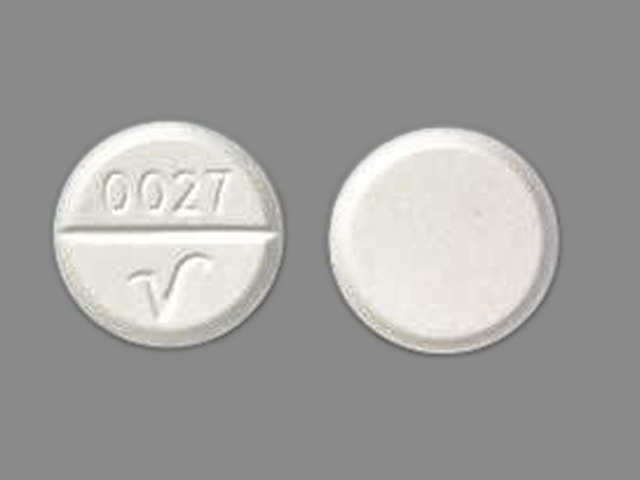
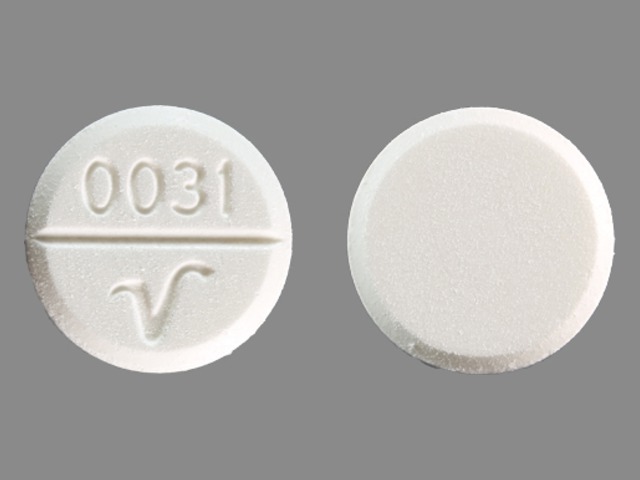
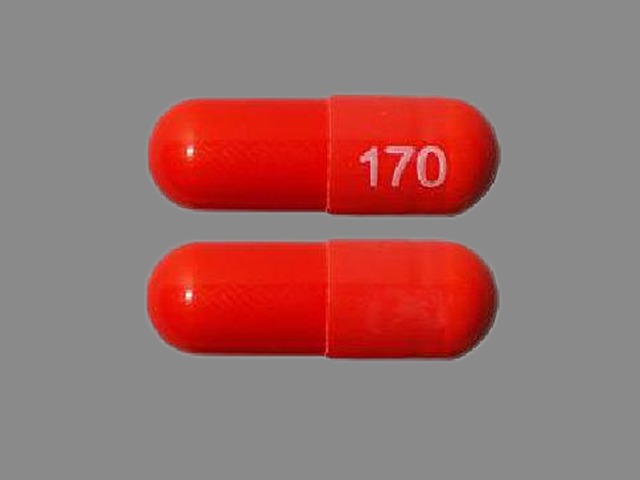
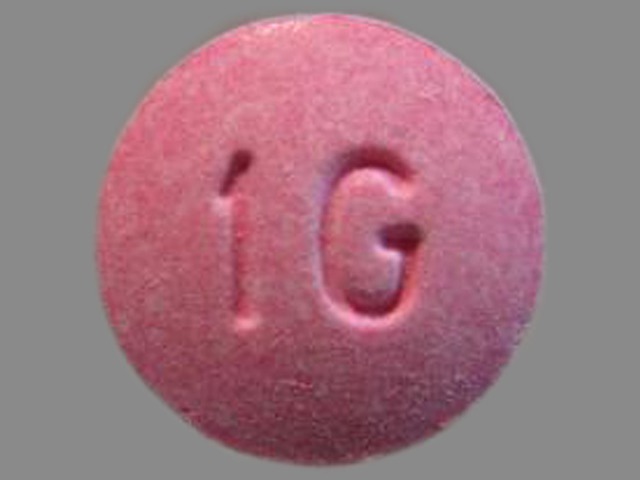
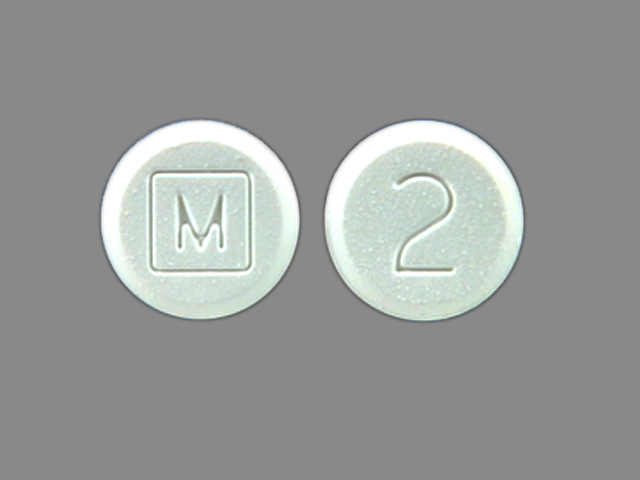
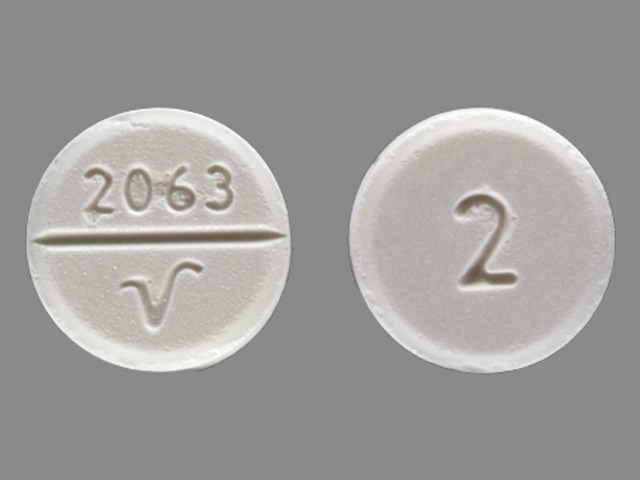
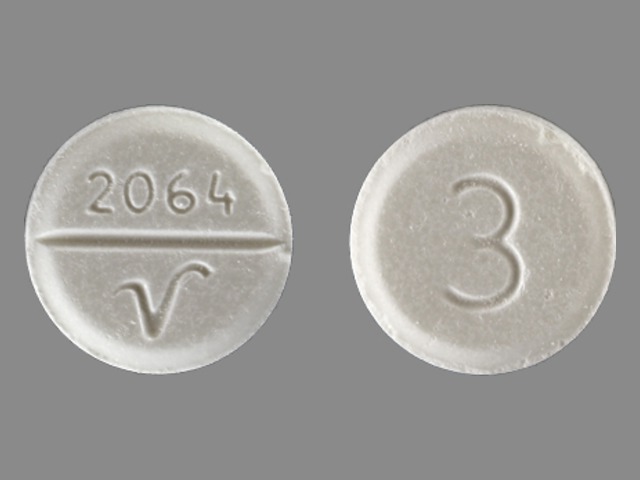
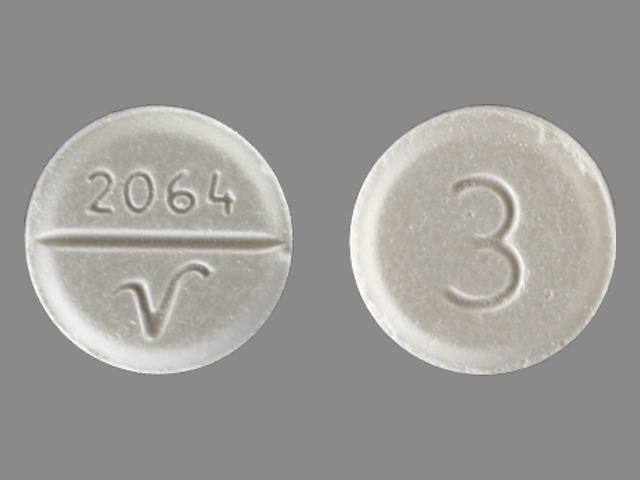
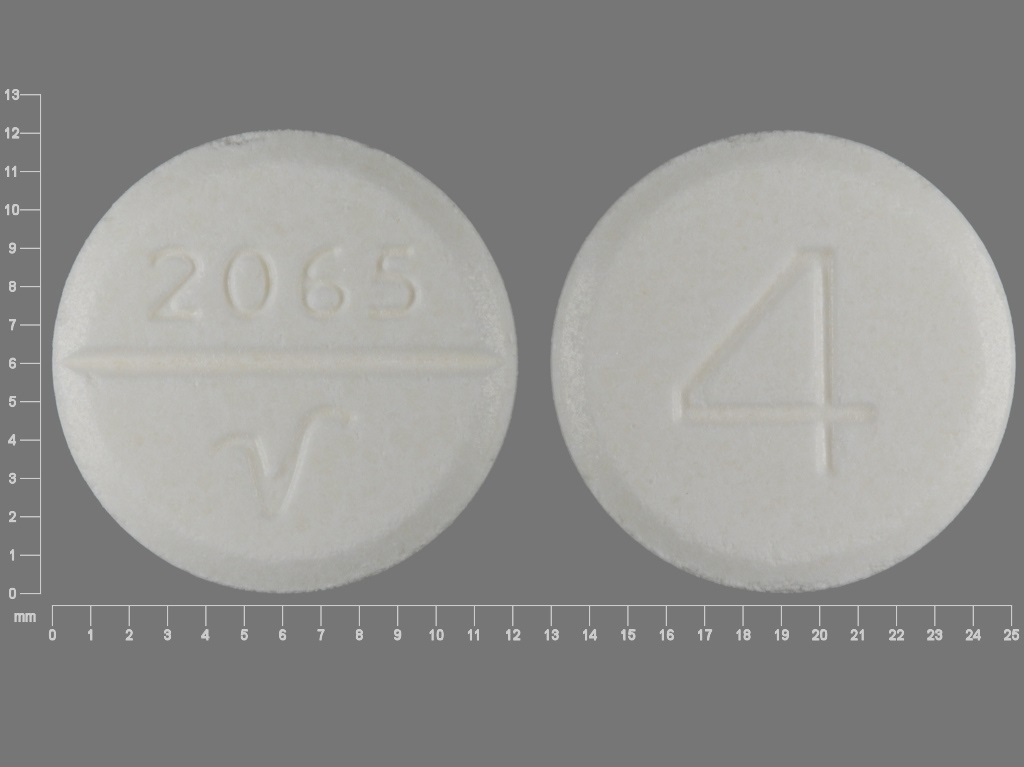
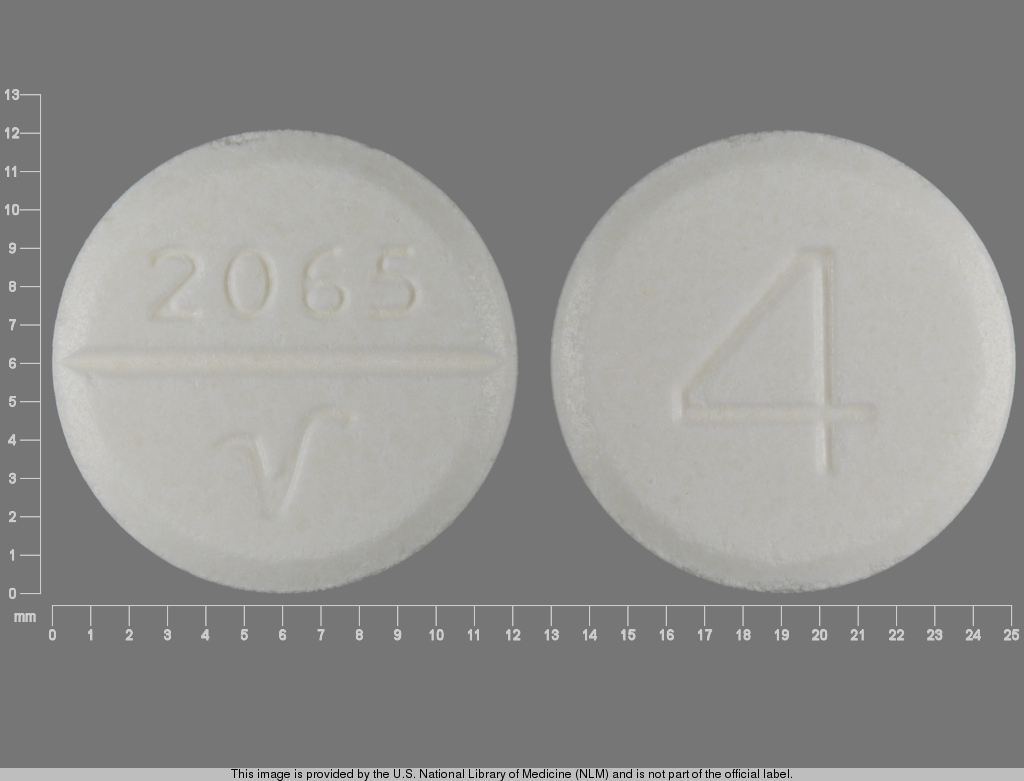
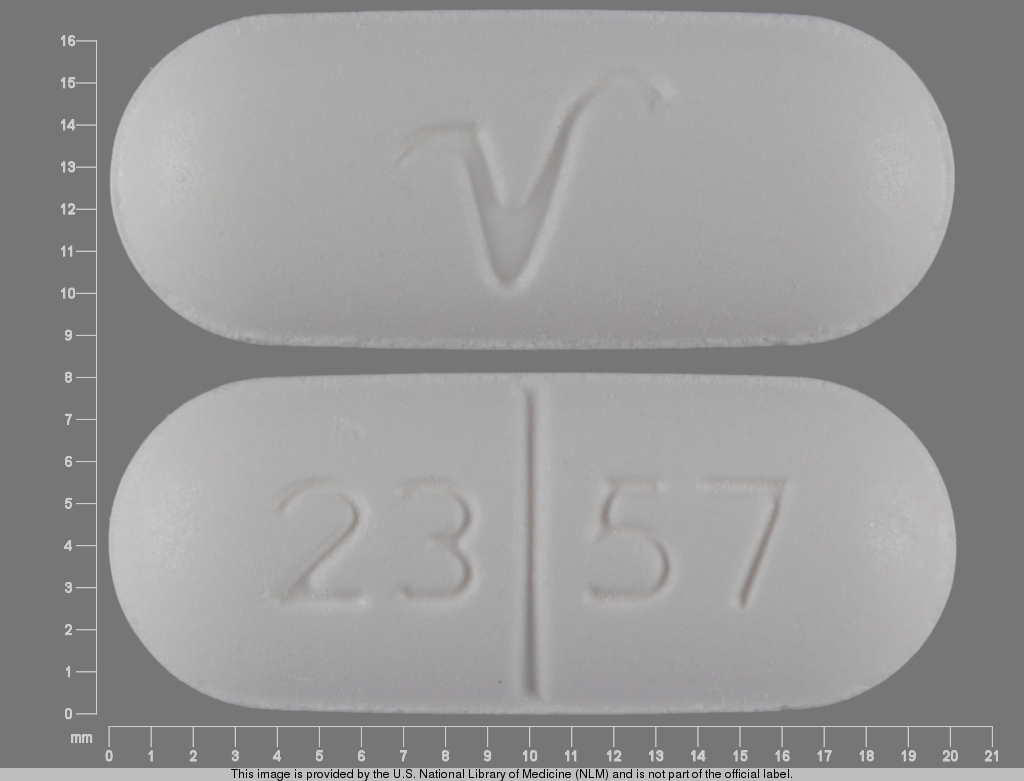
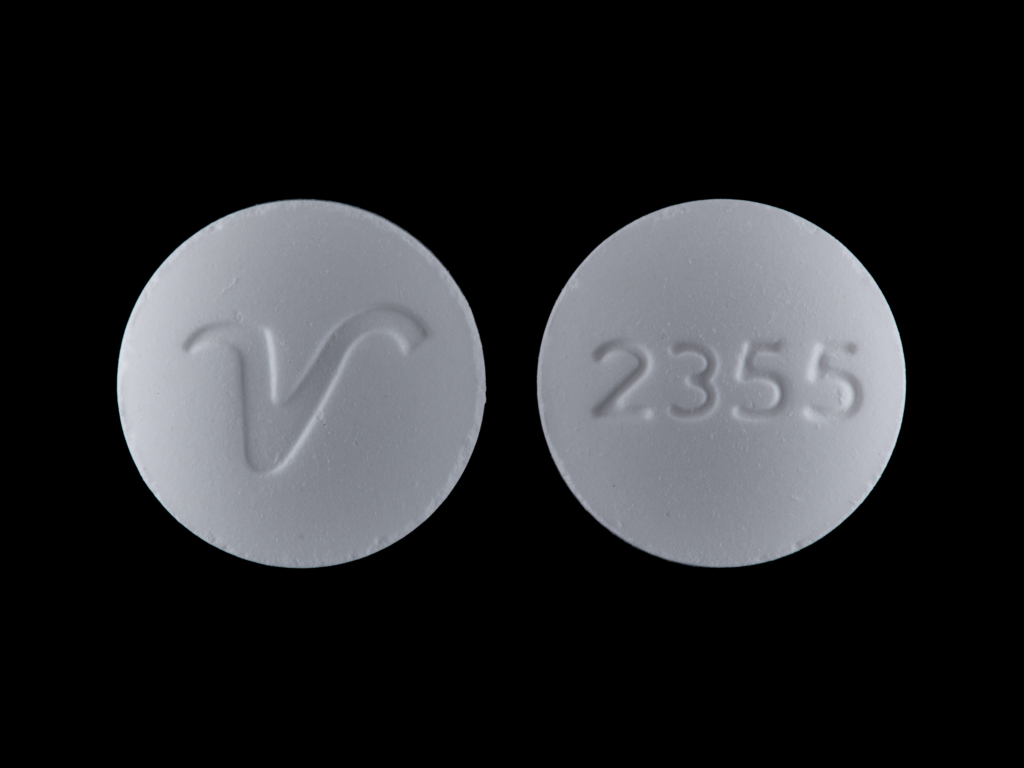
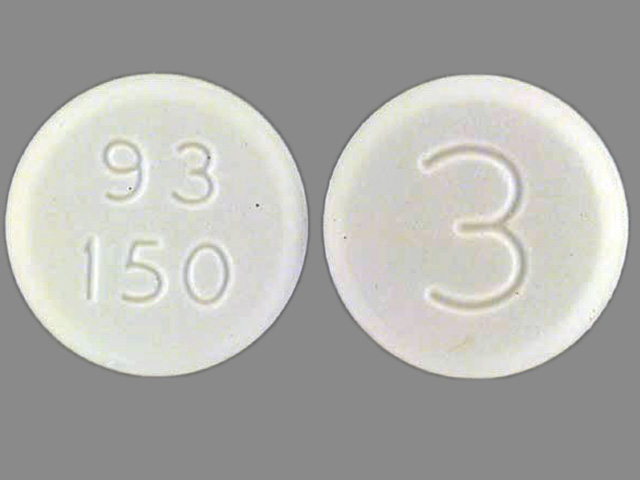
Anyone trying to identify a tablet should know that acetaminophen products do not share a single look. Many are white and oval or capsule-shaped, but others are film-coated in colors, shaped as gelcaps, or sold as small round chewables. Imprints may be a brand name, a retailer's name, a numeric code or letters such as APAP. Inactive ingredients also vary from maker to maker. One extra-strength 500 mg caplet on file, for example, lists castor oil, hypromellose, povidone, sodium starch glycolate, starch and stearic acid. The Drug Facts panel on the original package is the most dependable way to confirm the active ingredient and the amount per unit. When the package is not available, a pharmacist can use imprint, color and shape to help identify a tablet. A matching imprint alone should not be treated as proof, particularly when the product might contain other medicines in addition to acetaminophen.
Dosage and administration
Dosing differs by product, by the age and weight of the person, and by the reason for use. What follows describes general patterns, not instructions for any individual. The amount appropriate for a particular person should come from the product label, a pharmacist or a doctor.
Immediate-release tablets, caplets and gelcaps are swallowed with water and can be taken with or without food. In adults and older children they are generally used at intervals of several hours, only as needed while symptoms last. A typical extra-strength caplet label directs adults and children aged 12 and over to take a small number of caplets at intervals of about six hours. It sets a cap for each 24-hour period and asks users not to continue beyond ten days for pain, or three days for fever, unless a doctor directs otherwise. For children under 12, the same label usually tells the reader to ask a doctor. Extended-release 650 mg tablets are intended to be swallowed whole at longer intervals, commonly about eight hours. Crushing, splitting or chewing them defeats the release design and delivers the drug too quickly.
The central dosing concept is the daily ceiling. Over-the-counter adult labels state a maximum for each 24 hours, and the Liver Warning printed on them refers to severe liver damage if more than that maximum is taken. Many extra-strength products now print a lower daily limit than older packaging did. Healthcare professionals often favor a more conservative ceiling for people who drink alcohol regularly, who are underweight or malnourished, or who have liver problems. Crucially, the ceiling counts every source of acetaminophen. Tallying only the tablets taken for pain while forgetting a nighttime cold remedy or a prescription painkiller that also contains the drug is a leading route to unintended overdose. Prescription labels often abbreviate it as APAP.
In children, dosing is usually weight-based, with age used as a guide when weight is unknown. Pediatric labels provide weight or age bands and express the amount in milliliters or in a set number of chewable tablets. The dosing device packaged with a liquid, whether an oral syringe or a marked cup, is meant to be used rather than a kitchen spoon, and devices are not interchangeable between products. Children's labels also cap the number of doses in a day.
Other routes follow their own patterns:
- Rectal suppositories are used when a person is vomiting or unable to swallow. Absorption is slower and less predictable than from tablets or liquids.
- Intravenous acetaminophen is given by a healthcare professional as an infusion, commonly over about 15 minutes, with weight-based adjustment for smaller patients. Because the product is supplied as a concentration, confusion between milligrams and milliliters has caused overdoses in hospitals, which is why the prescribing information is worded so carefully.
- Topical products that list acetaminophen are uncommon, and little is known about how much reaches the bloodstream. Their labels govern use.
Concentration matters when measuring liquids. Infant drops and children's suspensions were once sold at different strengths, which led to errors. Manufacturers in the United States have since moved to a single concentration of 160 mg per 5 mL, but older bottles, imported products and some brands elsewhere may differ. Reading the concentration on each bottle is a worthwhile habit.
Acetaminophen used for symptoms is normally taken only as needed, so a missed dose is rarely a concern, and extra amounts are not used to make up for it. People using it on a fixed schedule for a long-term condition can ask their prescriber how to handle a missed dose. Tablets and liquids are generally stored at room temperature in a dry place, out of sight and reach of children. Because acetaminophen is so familiar, it is one of the most frequent causes of accidental ingestion in young children.
Combination products containing acetaminophen
Acetaminophen mixes readily with other active ingredients, so understanding the main groups makes labels easier to read.
- Opioid combinations. Acetaminophen with codeine is a prescription option for pain not controlled by non-opioid medicines alone. Pentazocine with acetaminophen is another prescription pairing. These bring the added risks of the opioid, including drowsiness, slowed breathing, constipation, misuse and dependence, and they interact with alcohol and other sedatives. In a minority of people, codeine is converted to morphine unusually quickly because of genetic differences, which is one reason codeine products are handled cautiously in children and in breastfeeding.
- Barbiturate combinations. Butalbital, acetaminophen and caffeine is prescribed for tension-type headache. Butalbital is a short-acting barbiturate that can cause drowsiness and dizziness and can be habit-forming. Caffeine is included because it can enhance the analgesic effect. Frequent use of such products is linked with medication-overuse headache.
- Sleep-aid combinations. Products labeled PM or Nighttime pair acetaminophen with an antihistamine such as diphenhydramine or doxylamine. These can cause next-day grogginess and are a particular concern in older adults.
- Cold and flu combinations. These blend acetaminophen with ingredients such as dextromethorphan (a cough suppressant), phenylephrine (a decongestant), chlorpheniramine or doxylamine (antihistamines) and guaifenesin (an expectorant). They are convenient, but it is easy to duplicate acetaminophen when a separate pain reliever is taken as well.
- Headache and menstrual products. Some combine acetaminophen with caffeine, aspirin or other ingredients. Excedrin-type products contain acetaminophen, aspirin and caffeine, and so they carry the cautions of all three.
Warnings and precautions
At labeled amounts acetaminophen has a long record of being well tolerated. The cautions below are not a reason to avoid it. They explain the specific situations that deserve extra attention.
Liver injury. The principal risk is damage to the liver from taking more than the recommended amount. Acetaminophen is among the leading causes of acute liver failure in many countries, and in some cases the injury has led to liver transplant or death. Most cases involve amounts above the daily limit, and many involve more than one acetaminophen-containing product used at once. The over-the-counter Liver Warning also highlights two circumstances: use together with other acetaminophen products, and drinking three or more alcoholic beverages a day. People with liver disease are advised to ask a doctor before using it. Early overdose may cause no noticeable symptoms, so feeling well is not a reliable sign that an amount was acceptable.
Alcohol. Regular heavy drinking increases CYP2E1 activity and lowers glutathione reserves, which together increase the amount of toxic intermediate formed. The picture is not perfectly simple, because alcohol taken at the same moment can partly compete for the same enzyme. The message on labels is nonetheless consistent: heavy or chronic alcohol use raises the chance of liver injury at amounts that would otherwise be tolerated.
Severe skin reactions. Rarely, acetaminophen can cause serious skin reactions, including Stevens-Johnson syndrome, toxic epidermal necrolysis and acute generalized exanthematous pustulosis. Labels advise stopping use and seeking medical help promptly if skin reddening, blisters or rash appear. A person who has had such a reaction is generally not given acetaminophen again without medical direction.
Allergic reactions. True allergy is uncommon but can be severe, producing hives, facial swelling, wheezing or anaphylaxis. A known hypersensitivity to acetaminophen or any component of a formulation rules out that product. The intravenous formulation also lists severe hepatic impairment or severe active liver disease as contraindications.
Duplicate sources and look-alike labels. A cold syrup, a sleep aid, a menstrual remedy and a prescription painkiller may all contain acetaminophen despite unrelated names. Checking the active-ingredient section for acetaminophen, APAP, paracetamol or abbreviations such as 'acetamin' is the practical safeguard. International products such as Panadol or Crocin contain the same compound.
Masking of fever. By lowering a fever, acetaminophen can make an illness look as though it is improving. Fever in a very young infant, a fever that persists, or fever accompanied by a stiff neck, rash, confusion, trouble breathing or dehydration calls for medical evaluation regardless of whether a fever reducer has been given.
Frequent or long-term use. Daily use for weeks or months is best supervised by a healthcare professional. Frequent use of any pain reliever, acetaminophen included, can lead to medication-overuse headache, in which headaches become more frequent because of the treatment. Some observational studies have also linked regular use with higher blood pressure and with stomach or kidney effects. The evidence is not conclusive, and any such effects appear generally smaller than those associated with NSAIDs.
Low body weight and malnutrition. People who are underweight, fasting, severely malnourished or dehydrated may have reduced glutathione reserves and greater sensitivity to liver toxicity. This is why intravenous dosing is weight-adjusted and why clinicians often apply lower limits to such patients.
General information on the regulatory status and labeling of medicines containing this ingredient is available from the FDA.
Side effects
Taken at appropriate amounts for short periods, acetaminophen causes few side effects, and many people notice none. The over-the-counter label on file carries no dedicated list of common adverse reactions, which reflects how seldom they occur with labeled use.
Effects that are occasionally reported include:
- nausea or mild stomach upset
- headache
- rash or itching
- mild, usually temporary rises in liver enzymes on blood tests
With the intravenous product, the effects most often reported in clinical use are nausea, vomiting, headache and difficulty sleeping, along with pain, swelling or irritation at the infusion site. Low blood pressure and a fast heart rate have occasionally been reported during infusions.
Serious effects are rare but need urgent attention:
- Signs of liver injury: yellowing of the skin or eyes, dark urine, pale stools, persistent nausea or vomiting, marked tiredness, and pain in the upper right abdomen.
- Severe skin reactions: spreading redness, blisters, peeling skin, or sores in the mouth, eyes or genital area, usually with fever or flu-like symptoms.
- Anaphylaxis: swelling of the face, lips or throat, wheezing, difficulty breathing, or a sudden drop in blood pressure.
- Blood disorders: very rare reports of reduced blood cell counts, which may appear as unusual bruising, bleeding or frequent infections.
People with asthma and aspirin sensitivity sometimes worry about cross-reactions. Acetaminophen is much less likely than aspirin or NSAIDs to provoke bronchospasm, although a small number of sensitive individuals can still react, especially at higher amounts.
The side effects of combination products depend on their other components. Opioid, barbiturate, antihistamine and decongestant ingredients each contribute their own effects, such as drowsiness, dizziness, constipation, dry mouth, restlessness, a faster heartbeat or raised blood pressure.
Overdose
Overdose is the most important safety topic for acetaminophen. It can follow a single large ingestion, repeated use above the directed amount over several days, or the unnoticed combination of several products. Young children can be harmed by amounts that would be small for an adult, particularly if a liquid is measured incorrectly.
The course is often deceptive. During the first day there may be little to see: nausea, vomiting, sweating, loss of appetite or general malaise, or nothing at all. Liver injury then develops over the following one to three days and may show up as upper abdominal pain, jaundice, confusion, bleeding or very low blood sugar. This delayed pattern is why labels stress that prompt medical attention is critical for adults and children even when no symptoms are noticed.
Anyone who may have taken too much is advised to contact a Poison Control Center (1-800-222-1222 in the United States) or emergency services immediately. Treatment relies on blood acetaminophen levels interpreted against the time of ingestion. The specific antidote is acetylcysteine, which replenishes glutathione and works best when started early, ideally within about eight hours of a large ingestion, though it can still help later. Activated charcoal may be used soon after ingestion. Waiting for symptoms to appear wastes valuable time.
Drug interactions
Acetaminophen has fewer interactions than many pain relievers, but several are worth knowing. This is not a complete list, and a pharmacist can check a specific medication list.
- Warfarin. Regular use of acetaminophen at high amounts has been shown to raise the INR in some people stabilized on warfarin. Occasional use is less of a concern, but people on warfarin who use acetaminophen regularly are often monitored more closely.
- Enzyme-affecting drugs. Substances that induce or alter CYP2E1 and related liver enzymes can change how acetaminophen is handled and may increase production of the toxic intermediate. Chronic alcohol use and the tuberculosis drug isoniazid are examples. Carbamazepine, phenytoin, phenobarbital and rifampin also speed liver metabolism. The clinical consequences are not fully established, but caution is advised with high or prolonged use.
- Cholestyramine. This bile-acid binder can reduce acetaminophen absorption if the two are taken close together, so they are usually spaced apart.
- Metoclopramide and propantheline. Drugs that speed stomach emptying, such as metoclopramide, can make acetaminophen act faster, while those that slow it, such as propantheline, can delay its effect.
- Probenecid. It can reduce clearance of acetaminophen's glucuronide form and may raise acetaminophen levels, so lower amounts are sometimes needed.
- Zidovudine. Both drugs can lower white blood cell counts, so frequent combined use may increase the chance of neutropenia.
- Flucloxacillin. Used in some countries, it has been linked to a rare, serious metabolic acidosis when combined with acetaminophen, mostly in people who are seriously ill or malnourished.
- Other acetaminophen products. The most common and consequential interaction is simple duplication, discussed above.
- Other pain relievers. Acetaminophen is often used alongside ibuprofen or naproxen, and some clinicians deliberately alternate them because they act by different routes. Whether that suits a particular person, and how it should be timed, is a question for a pharmacist or doctor.
For prescription combinations, the added ingredient brings additional interactions. Codeine and butalbital add to the sedation caused by alcohol, benzodiazepines, other opioids and sleep medicines, while caffeine can add to the effects of other stimulants. Because the importance of an interaction depends on the specific drugs involved, anyone taking regular medicines, herbal products or supplements may find it useful to ask a pharmacist before using acetaminophen routinely.
Pregnancy and breastfeeding
Acetaminophen has long been regarded as the pain and fever reliever most often preferred in pregnancy. NSAIDs such as ibuprofen and aspirin carry specific concerns in the later months, including effects on fetal circulation and kidney function. High fever during pregnancy is itself a concern, which is one reason acetaminophen has traditionally been recommended when a fever reducer is needed.
The picture is not entirely settled. Some observational studies have raised questions about a possible association between frequent or prolonged prenatal use and later developmental or behavioral outcomes in children. Such studies cannot establish cause and effect, and results have been inconsistent, with the underlying illness, fever and genetic factors hard to separate from the medicine. Regulators and professional societies continue to review the evidence, and guidance may change. The prevailing practical advice is to use acetaminophen only when needed, at the lowest effective amount, for the shortest time, and to discuss any recurring need with an obstetric provider. Anyone who is pregnant is encouraged to check with a healthcare professional before using any medicine, including combination products with additional ingredients.
Acetaminophen passes into breast milk in small amounts. At usual doses the amount reaching a nursing infant is low, and the drug is generally considered compatible with breastfeeding. A rash in a nursed infant has been observed only rarely. Combination products containing codeine, butalbital or sedating antihistamines call for separate discussion with a clinician, since those ingredients can affect a nursing infant differently.
Pediatric use
Acetaminophen is among the most commonly used medicines in children and is made in many age-specific forms. Pediatric use differs from adult use in several ways:
- Weight-based dosing. The amount is usually matched to the child's weight, with age as a fallback. Labels provide tables, and a healthcare provider can supply a specific amount.
- Age restrictions. Adult labels typically say to ask a doctor for children under 12. For infants under about three months, a fever generally calls for medical assessment first rather than home treatment, because fever at that age can indicate a serious infection.
- Measuring devices. Using the device packaged with the product and checking the concentration on the bottle helps prevent errors. Caregivers are advised to be cautious about using more than one product in the same day, since many children's cold and flu remedies also contain acetaminophen.
- Dose frequency limits. Pediatric labels cap the number of doses in 24 hours and specify the spacing between them.
- Formulations. Dye-free liquids, chewables, dissolve packs, junior-strength caplets and suppositories are sold for different needs. Chewable tablets can pose a choking risk for very young children, which is why they are labeled for specific ages.
- Reasons to seek care. A child with a fever lasting several days, who appears very ill, is unusually drowsy or irritable, has trouble breathing, shows signs of dehydration, or has a rash alongside the fever should be evaluated by a clinician. A fever reducer is meant to improve comfort and is not a measure of how sick the child is.
Aspirin-containing medicines are generally avoided in children and teenagers with viral illness because of the risk of Reye's syndrome. Acetaminophen does not carry that association, which is one reason it became a standard fever reducer for young patients.
Older-adult use
Acetaminophen is commonly suggested as a first-line option for persistent musculoskeletal pain in older adults, including osteoarthritis. Part of the reason is that it avoids the stomach bleeding, kidney effects and blood pressure concerns associated with NSAIDs in this age group. It also lacks the drowsiness and confusion that can accompany opioids and some other pain medicines.
Several issues become more relevant with age:
- Older adults are more likely to take several medicines, including warfarin, so duplicate acetaminophen sources and interactions are more likely.
- Lower body weight, reduced food intake, mild liver or kidney changes and regular alcohol use can all make a lower daily ceiling appropriate.
- Extended-release arthritis products are convenient but are meant to be swallowed whole and not combined with other acetaminophen products.
- Nighttime products pairing acetaminophen with diphenhydramine or doxylamine can cause confusion, next-day drowsiness, constipation, urinary retention and falls in older adults, so they are often discouraged in this group.
New or worsening pain deserves assessment, since pain that requires regular acetaminophen over a prolonged period warrants a diagnosis and a plan.
Kidney and liver impairment
Liver impairment. Because the liver processes acetaminophen, liver disease is the condition most relevant to its use. The over-the-counter label advises asking a doctor before use in anyone with liver disease, and the intravenous product is contraindicated in severe hepatic impairment or severe active liver disease. People with milder conditions, such as stable chronic hepatitis or compensated cirrhosis, are sometimes advised to use acetaminophen at reduced amounts, since it may still be preferred over NSAIDs, which carry bleeding and kidney risks in cirrhosis. That decision belongs with a clinician. Heavy alcohol use, fatty liver disease and the use of other liver-affecting medicines all strengthen the case for professional guidance.
Kidney impairment. Acetaminophen is generally considered the preferred over-the-counter analgesic for people with reduced kidney function, because NSAIDs can reduce blood flow to the kidneys and worsen kidney disease. Its inactive metabolites are cleared by the kidneys and can accumulate in advanced kidney disease, so clinicians sometimes lengthen the interval between doses in severe impairment. Long-term, high-volume analgesic use has been associated with kidney damage in some studies, although acetaminophen alone is less strongly implicated than combination analgesics containing aspirin or phenacetin. People with kidney disease are encouraged to ask a pharmacist or kidney specialist what is appropriate for them.
Reading labels and getting more information
For a medicine that is easy to buy and sold under so many names, the Drug Facts label is the most useful single resource. It lists the active ingredient, the amount in each unit, the maximum for 24 hours, the warnings about liver damage and skin reactions, and the stop-use instructions. Terms such as APAP, non-aspirin, aspirin free, Pain Reliever and Fever Reducer usually point to acetaminophen.
Readers who want an independent plain-language source can consult MedlinePlus Drug Information, which covers acetaminophen and its combination products. Full prescribing labels for individual products are available through the DailyMed database maintained by the National Library of Medicine, part of the National Institutes of Health.