Overview
Lisinopril is a prescription medication in the angiotensin-converting enzyme (ACE) inhibitor class. It is one of the most widely prescribed blood pressure medicines in the world and has been in clinical use since the late 1980s. It is dispensed mainly as a once-daily tablet, and an oral solution is also available. Because many manufacturers make generic lisinopril, tablets vary in color, shape, and imprint. This page covers what the medicine does, how it is typically used, how to identify the tablets, and what is known about its side effects, interactions, and use in particular groups of people.
Lisinopril is commonly sold under brand names such as Zestril and Prinivil (tablets) and Qbrelis (an oral solution). A combination tablet that pairs lisinopril with the diuretic hydrochlorothiazide is sold as Zestoretic and as generic lisinopril and hydrochlorothiazide. Most people receive a generic version labeled simply "lisinopril".
Drug class and how lisinopril works
Lisinopril belongs to the pharmacologic class of angiotensin-converting enzyme (ACE) inhibitors. To see what it does, it helps to know about the renin-angiotensin-aldosterone system, a hormone chain the body uses to regulate blood pressure and fluid balance. When blood pressure or blood volume falls, the kidneys release an enzyme called renin. Renin starts a sequence that produces angiotensin II. ACE is the enzyme that converts the inactive angiotensin I into angiotensin II.
Angiotensin II is a powerful substance. It narrows blood vessels, which raises pressure. It also prompts the adrenal glands to release aldosterone, which makes the kidneys hold on to sodium and water and release potassium. In the long term it contributes to thickening and remodeling of the heart and blood vessel walls. In people with high blood pressure or heart failure, this system is often overactive in ways that put extra strain on the heart and circulation.
Lisinopril blocks ACE, so less angiotensin II is made. Blood vessels relax and widen, aldosterone levels fall, and the kidneys excrete a little more sodium and water. The result is lower blood pressure and less resistance for the heart to pump against. In heart failure, this reduced workload is one reason ACE inhibitors improve symptoms and outcomes over time.
ACE also breaks down bradykinin, a substance that widens blood vessels and can cause irritation and swelling. When ACE is blocked, bradykinin builds up. This probably contributes to the blood-vessel-relaxing effect, and it is also the usual explanation for two characteristic side effects of the class: a dry cough and, rarely, angioedema (swelling of deeper layers of skin and tissue).
Pharmacologically, lisinopril has a few distinctive features. It is an active drug as taken, whereas some related ACE inhibitors such as enalapril and ramipril are prodrugs that the liver must convert into an active form. Lisinopril is not significantly metabolized, and it is cleared from the body almost entirely by the kidneys, unchanged. It does not bind meaningfully to blood proteins. Only a modest fraction of an oral dose is absorbed, and absorption is not noticeably affected by food. After a dose, blood pressure begins to fall within about an hour, the effect usually peaks around six hours, and it generally lasts about 24 hours, which is why once-daily dosing works for most people. Its effective half-life of roughly 12 hours reflects how it accumulates in the body with repeated dosing. Steady levels are typically reached within a few days, although the full blood-pressure-lowering effect can take several weeks to appear.
Uses
The labeled uses of lisinopril are:
High blood pressure (hypertension). Lisinopril is approved for adults and for children 6 years of age and older. Hypertension usually causes no symptoms, yet over the years it raises the risk of stroke, heart attack, heart failure, and kidney damage. Lowering blood pressure reduces those risks. Lisinopril may be used alone or together with other medicines, most often a thiazide-type diuretic such as hydrochlorothiazide, or a calcium channel blocker such as amlodipine.
Heart failure. It is used as an add-on treatment for heart failure, usually alongside a diuretic and often other heart failure medicines, to help improve symptoms and reduce the likelihood of hospitalization. It is generally intended for heart failure with reduced pumping ability (systolic heart failure).
After a heart attack. When started in the first day after an acute myocardial infarction in people who are hemodynamically stable (meaning blood pressure and circulation are adequately maintained), lisinopril has been shown to reduce the risk of death. Treatment in this setting is begun in the hospital and continued for a minimum number of weeks, often longer at the prescriber's discretion.
Beyond these labeled uses, ACE inhibitors including lisinopril are widely used in clinical practice to help protect the kidneys in people with diabetes who have protein in their urine. They are also sometimes used in other situations at a prescriber's discretion. Those uses fall outside the labeled indications, and whether lisinopril is suitable for any given person is a decision for their healthcare professional.
Identifying lisinopril tablets
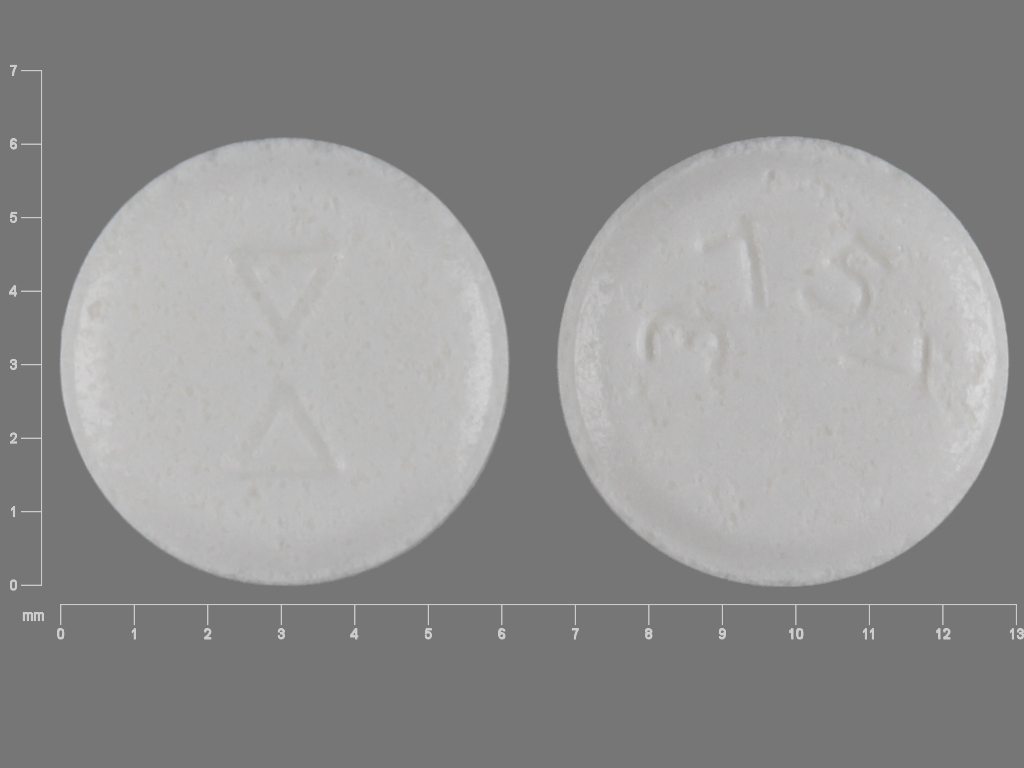
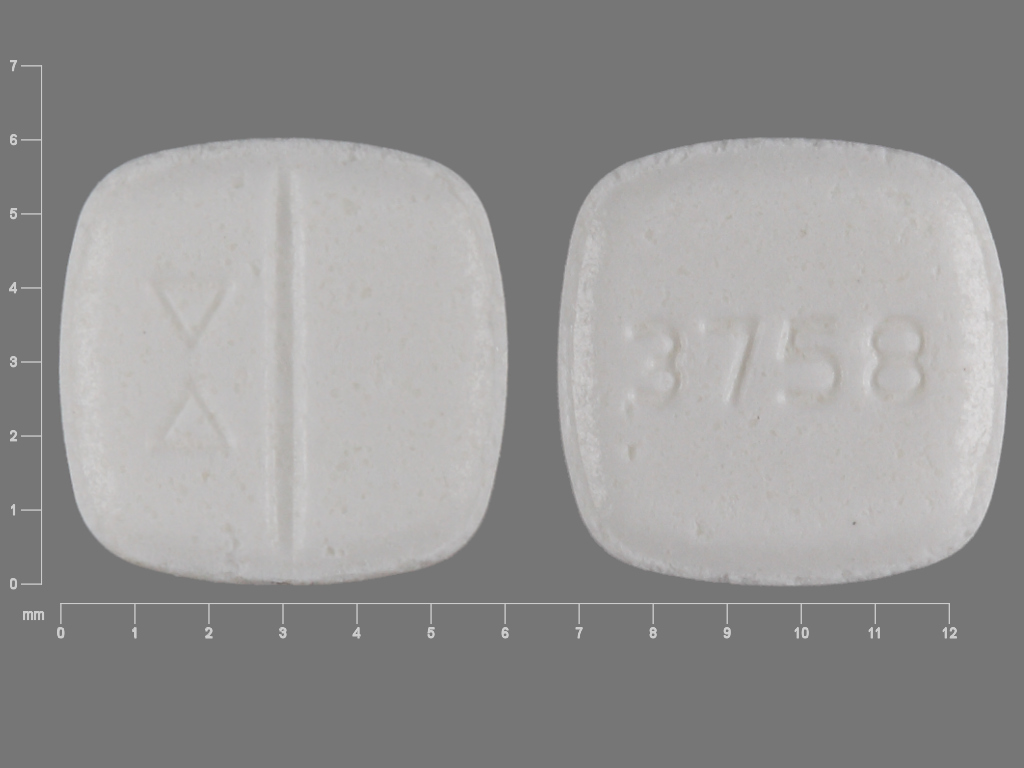
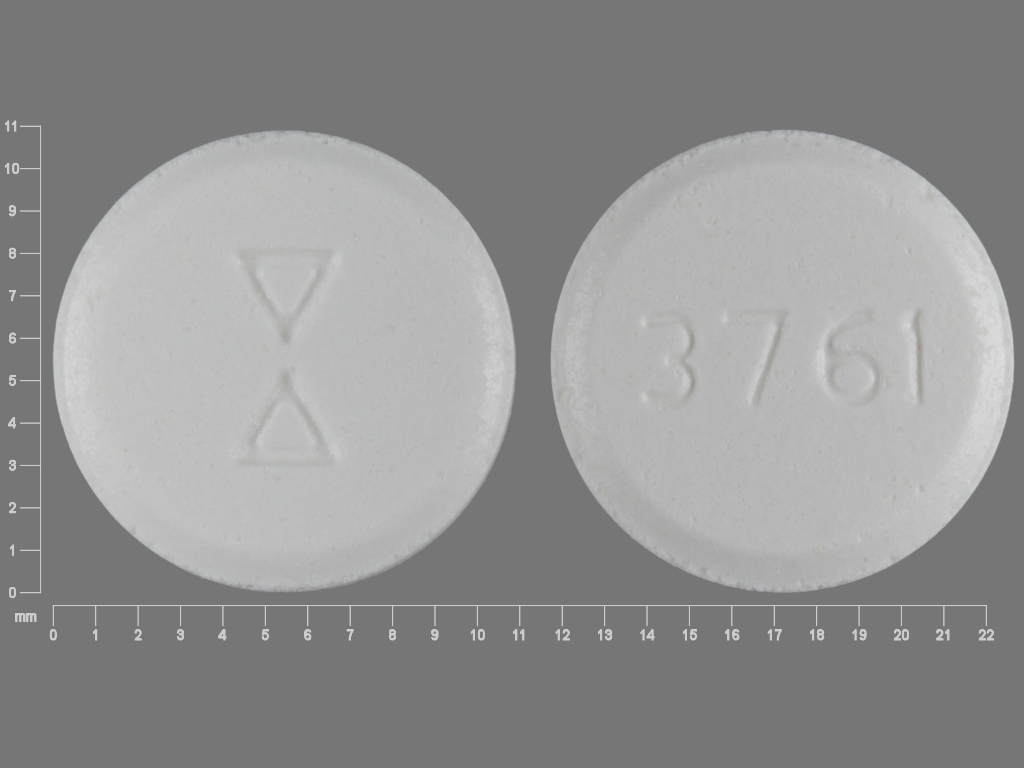
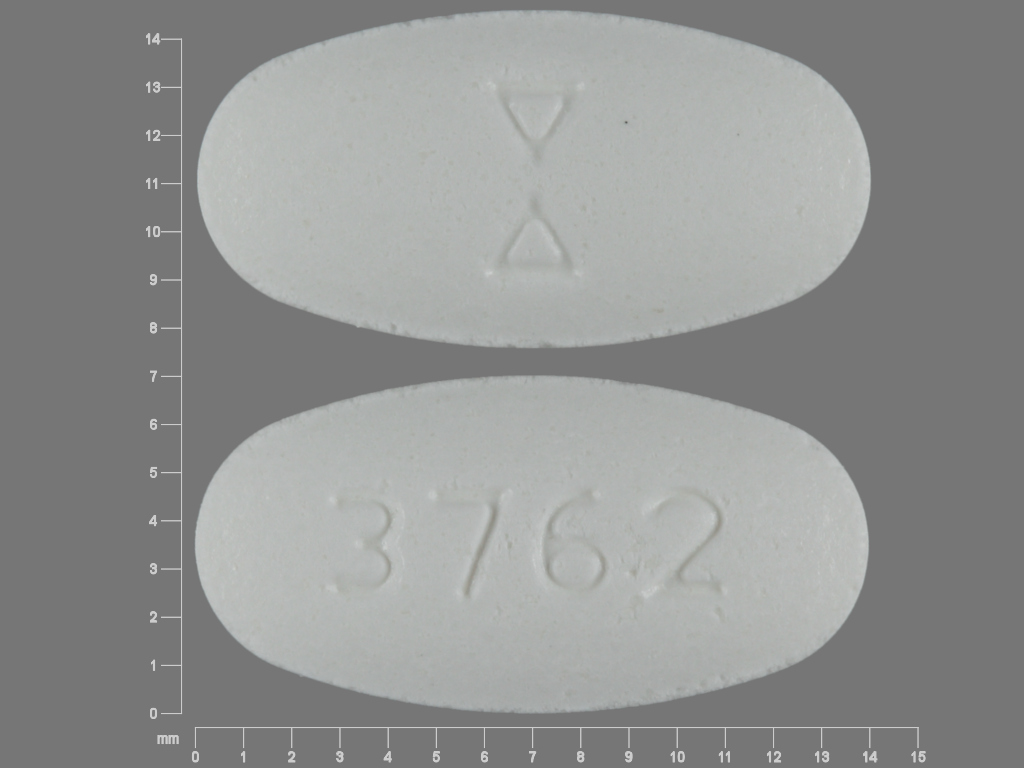
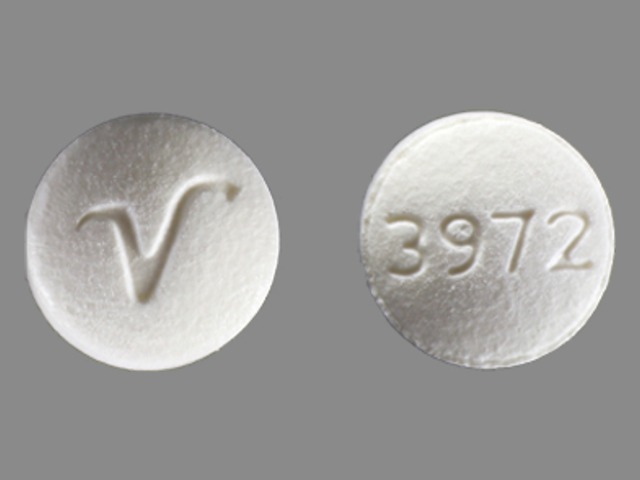
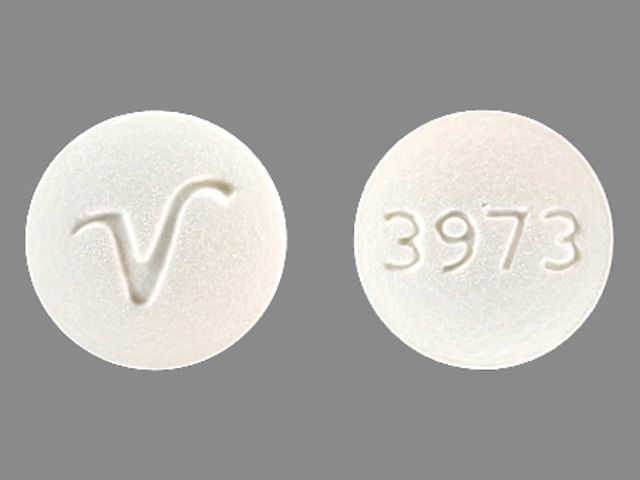
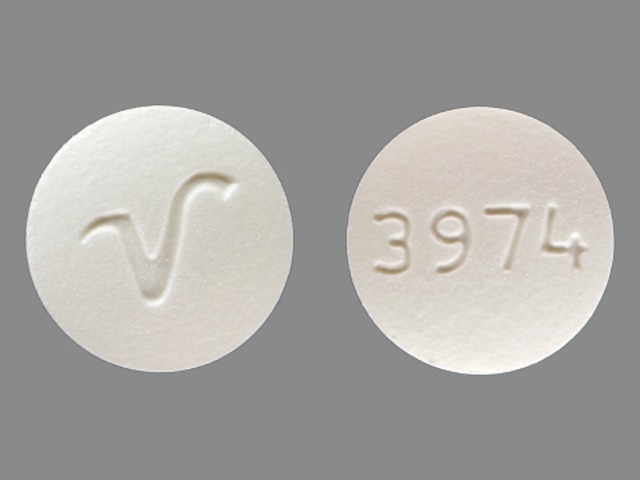
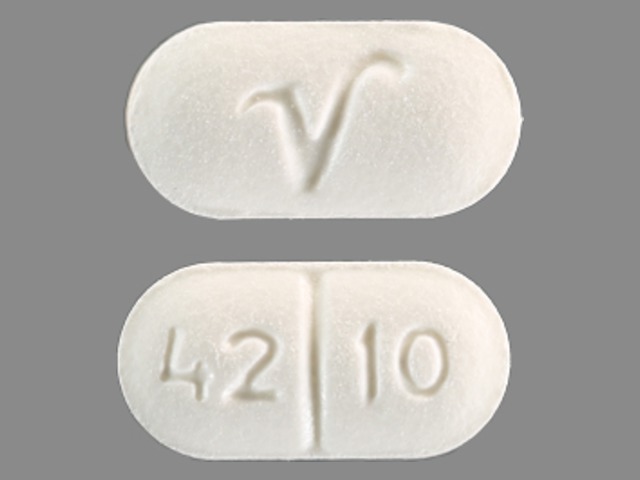
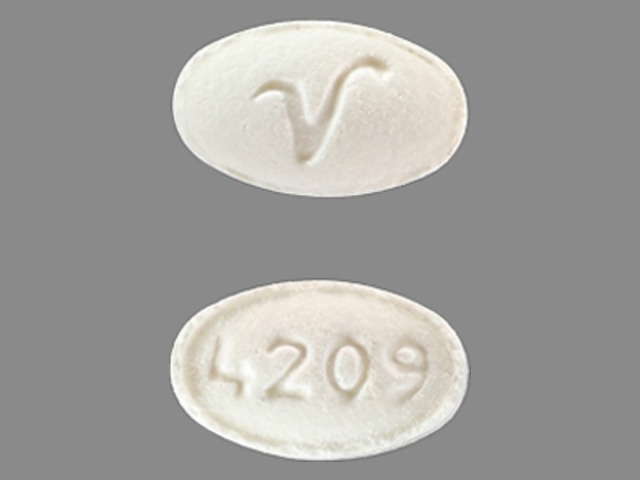
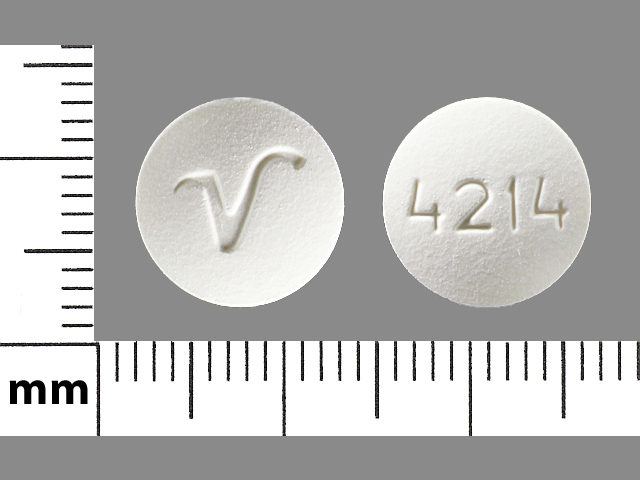
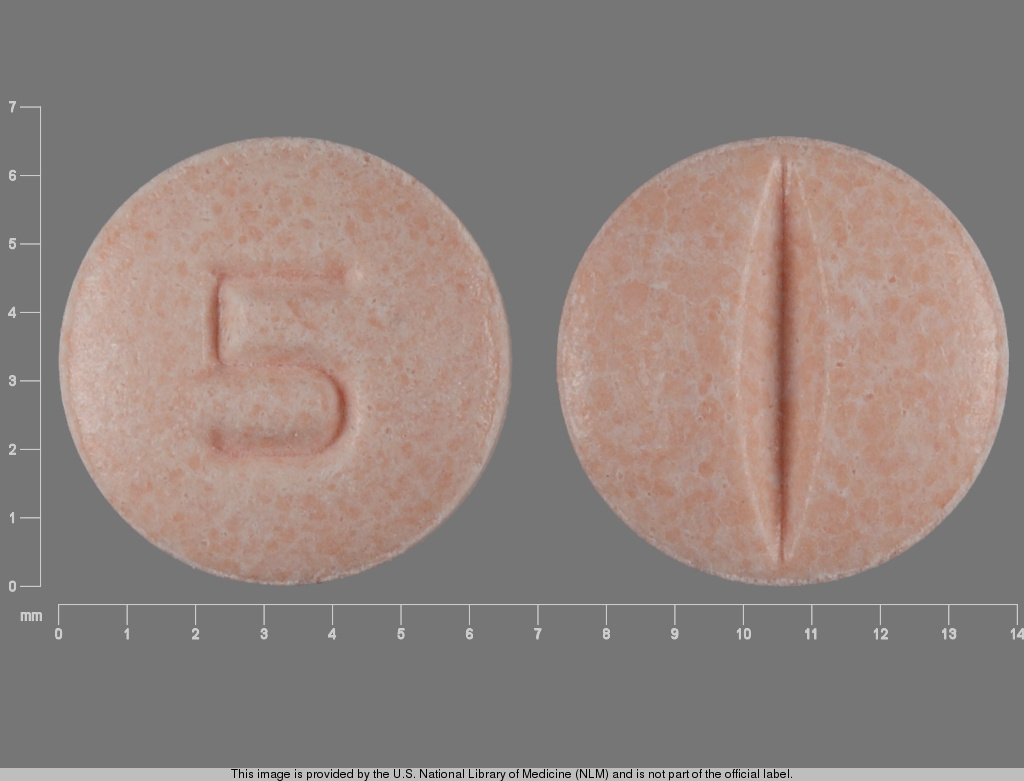
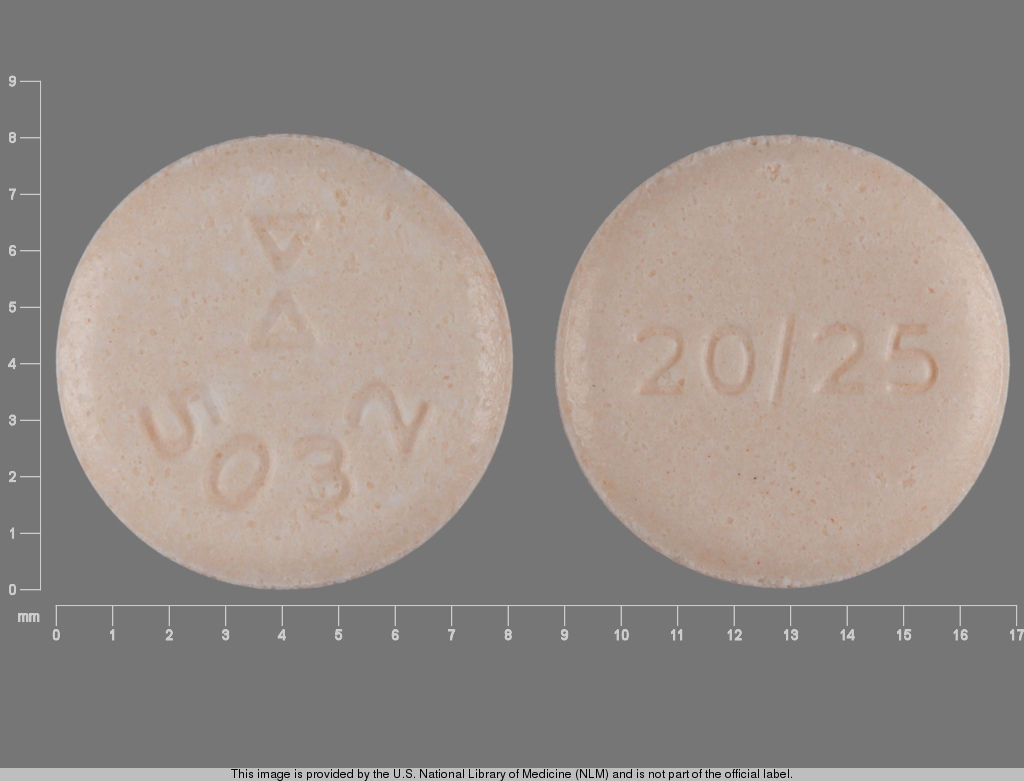
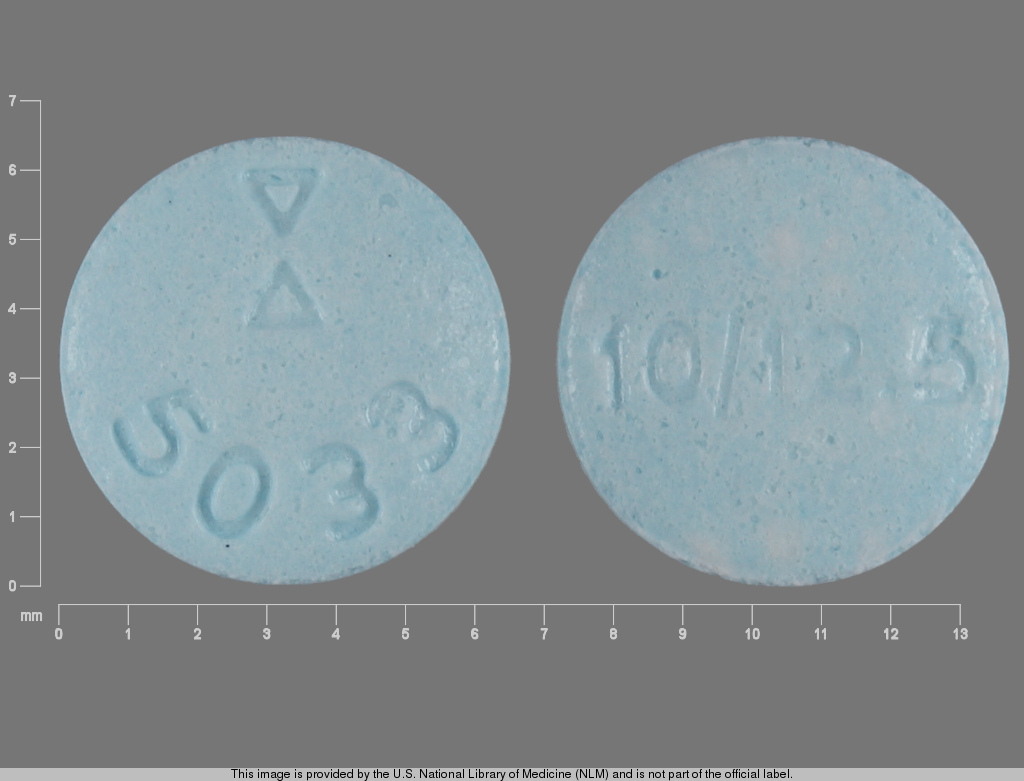
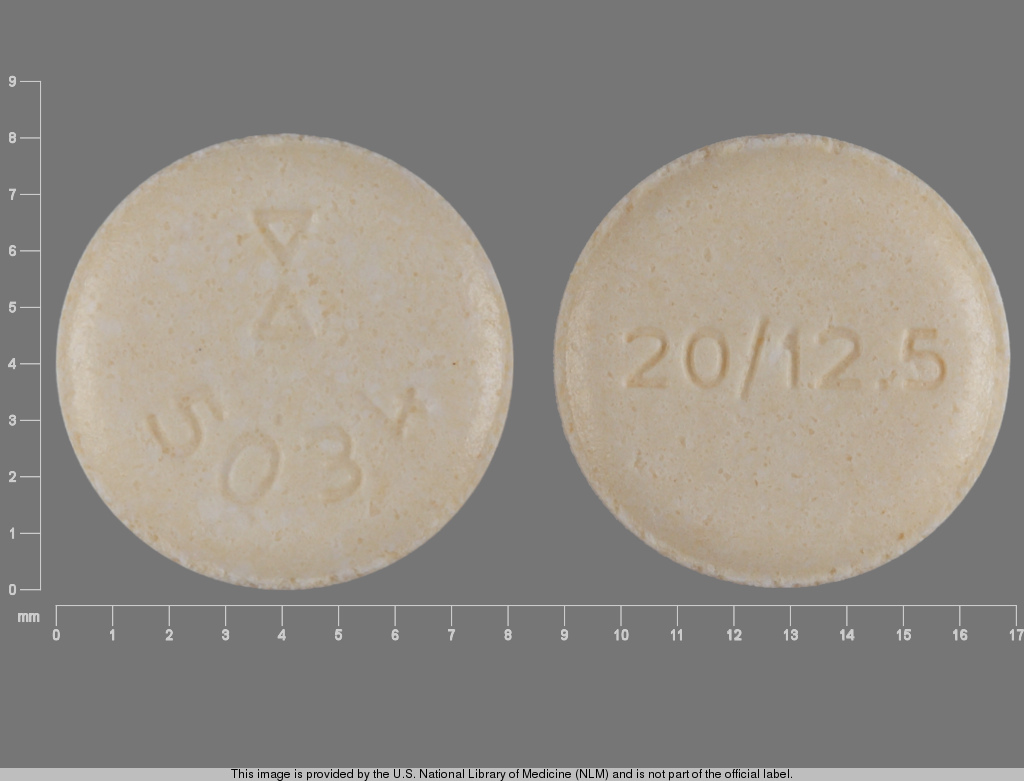
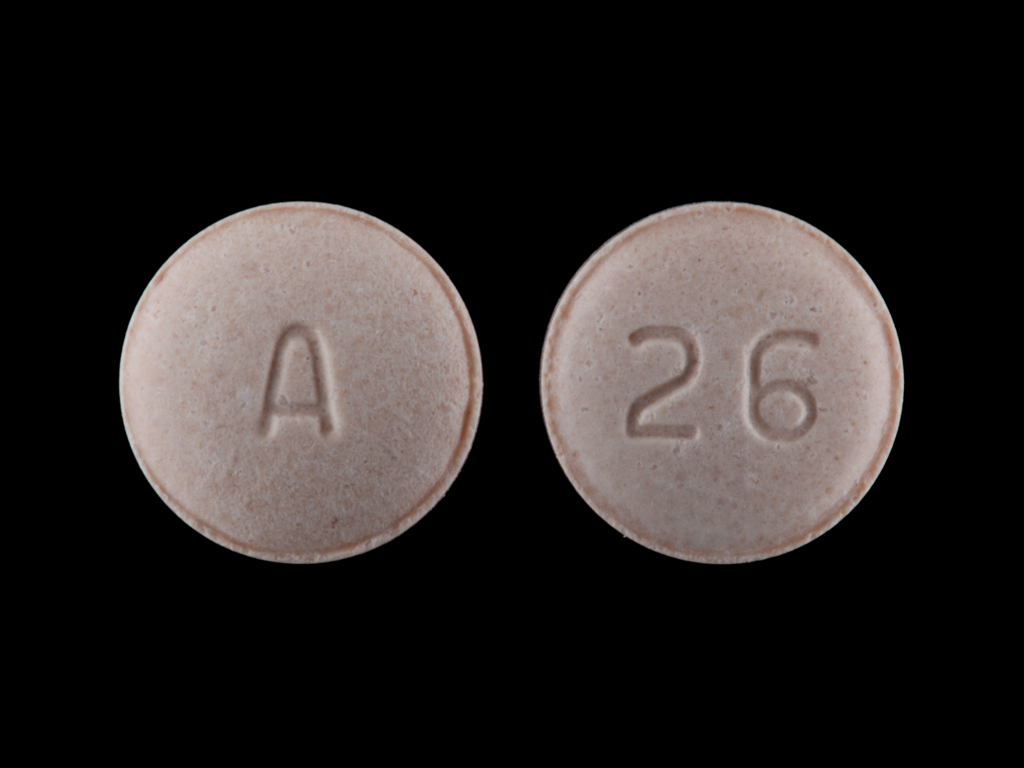
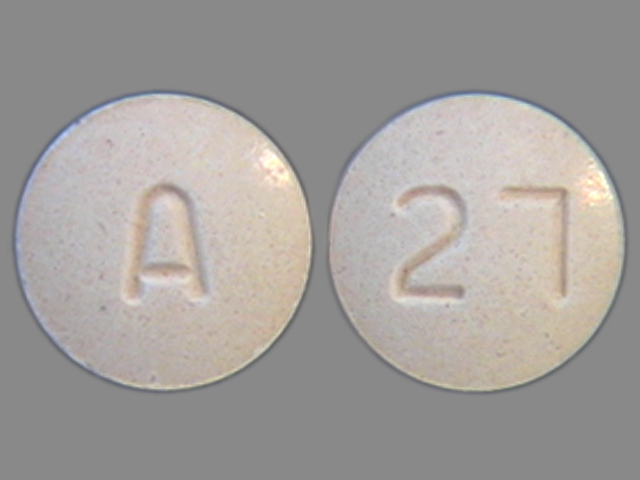
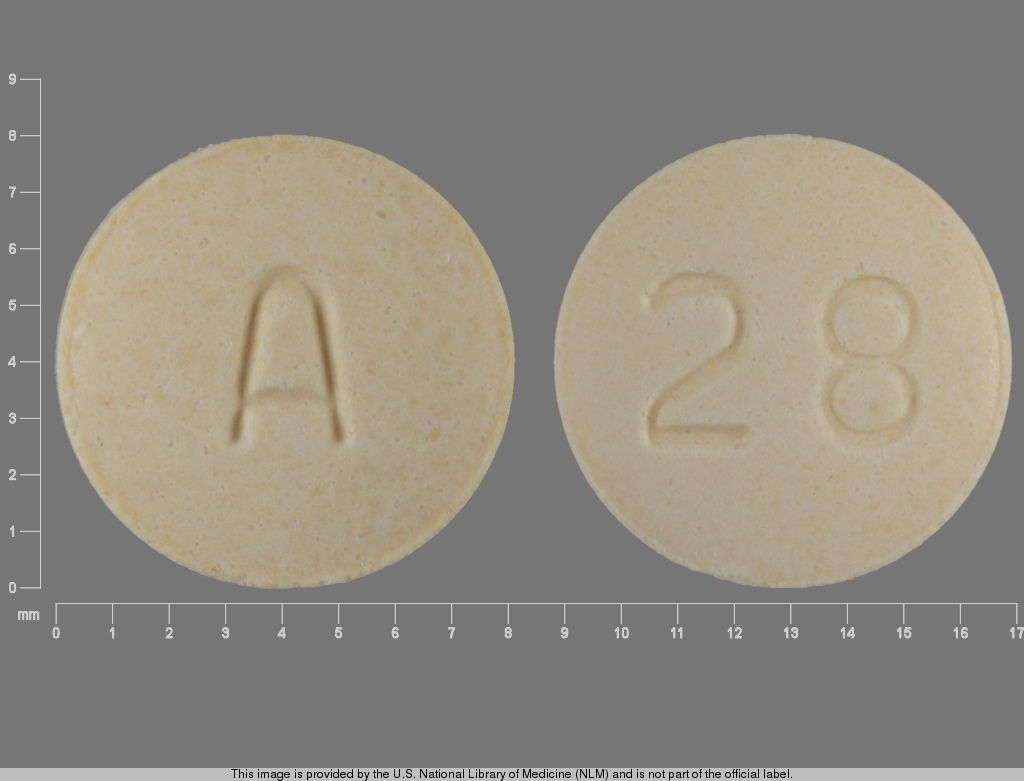
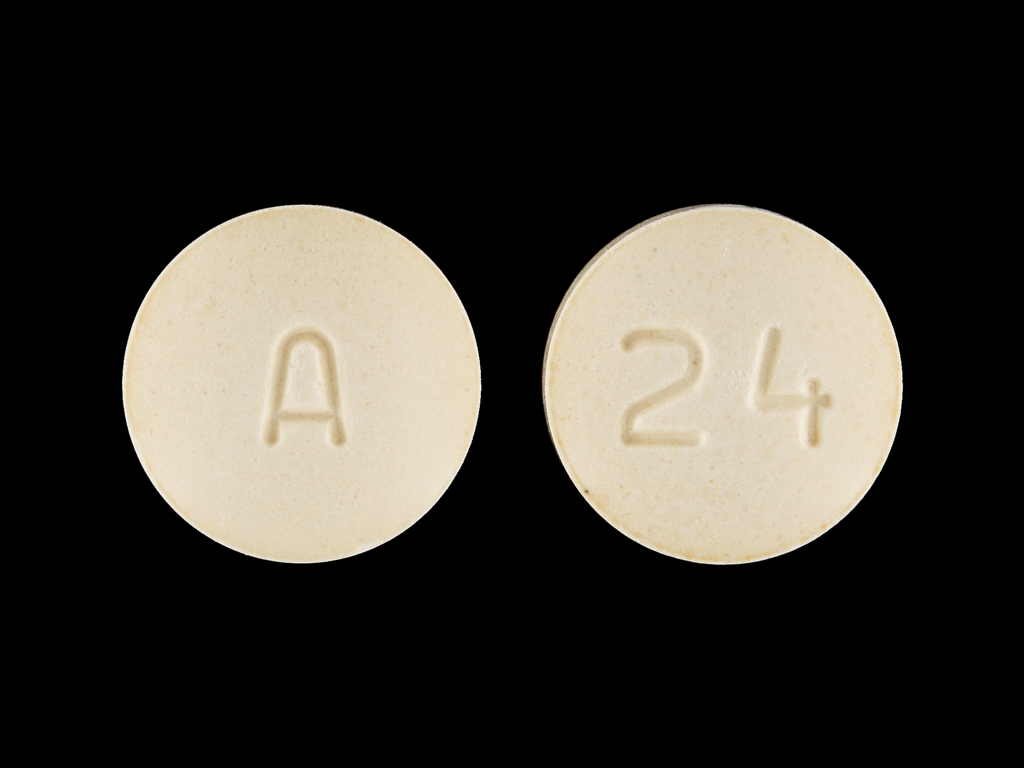
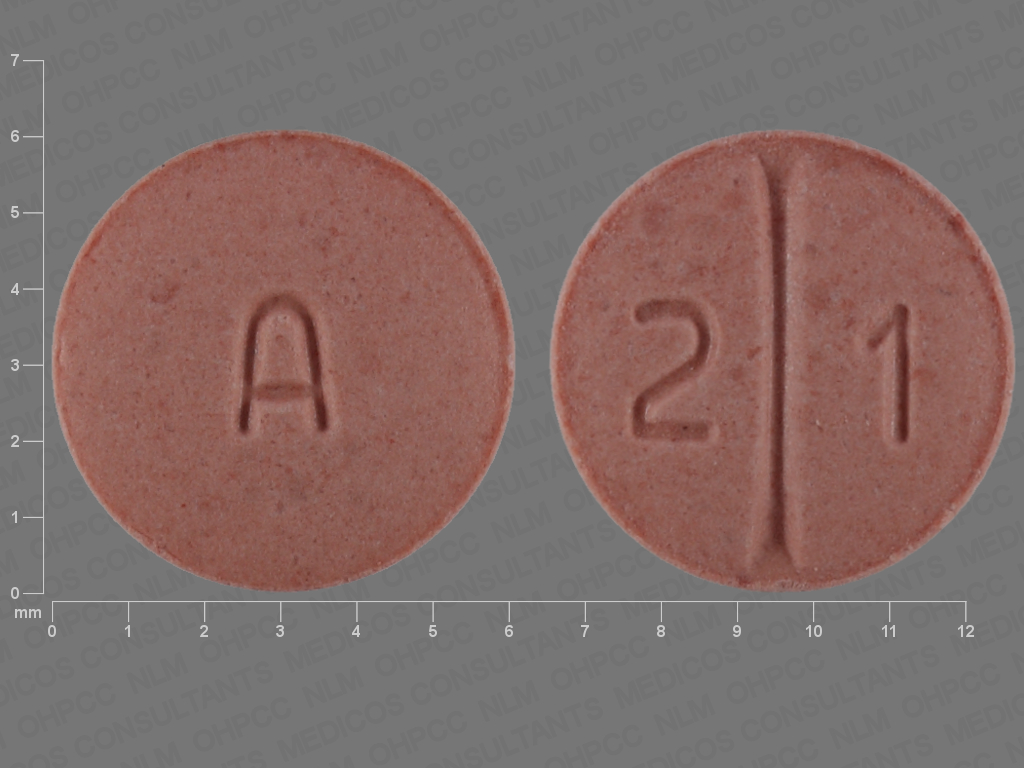
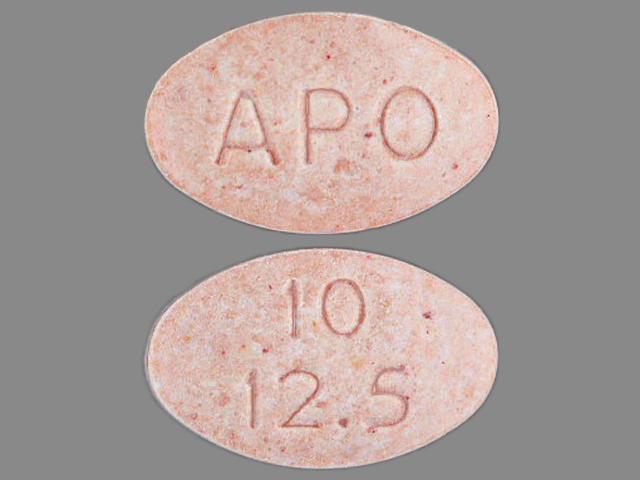
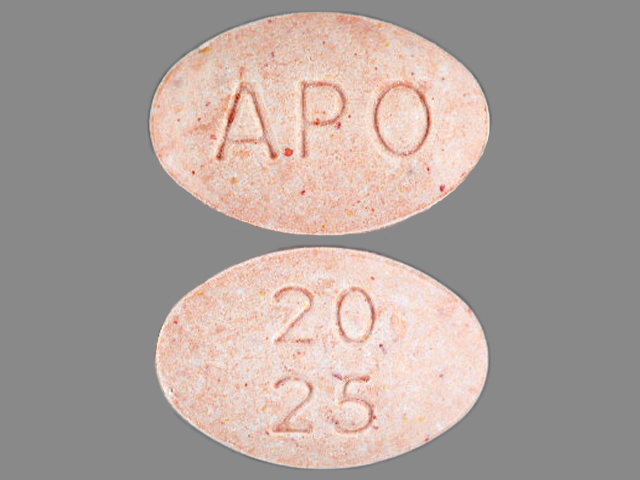
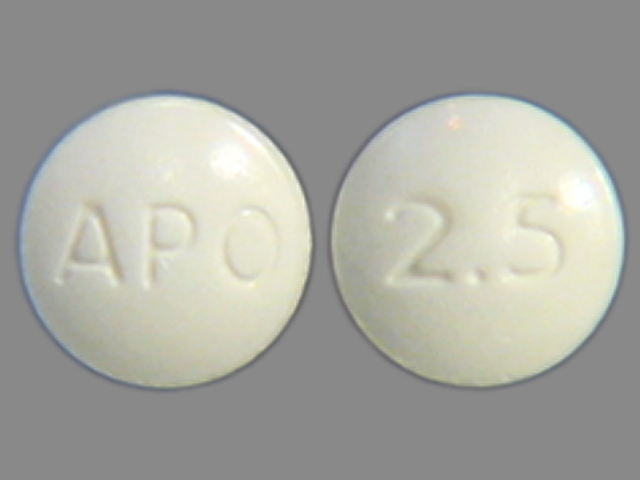
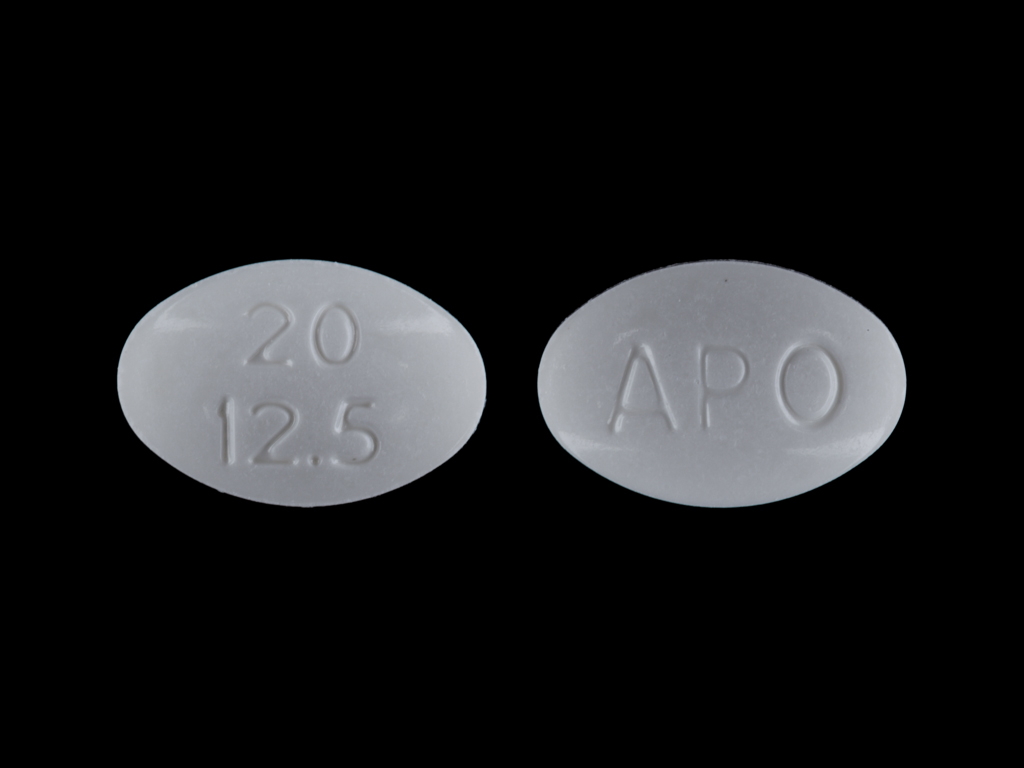
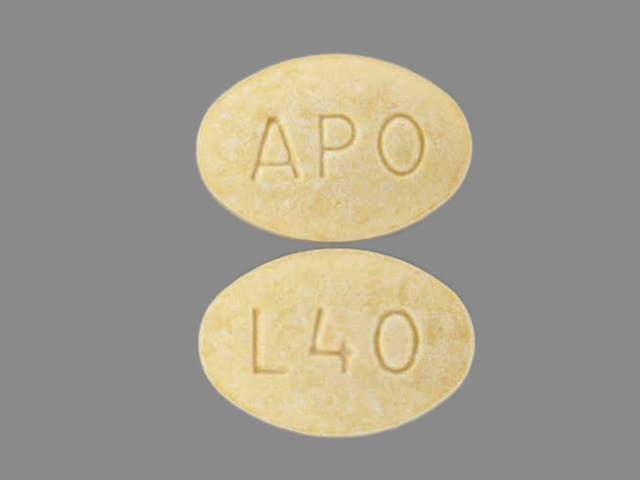
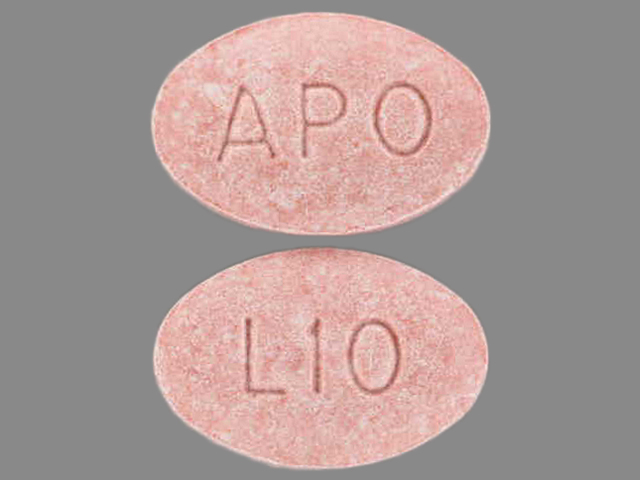
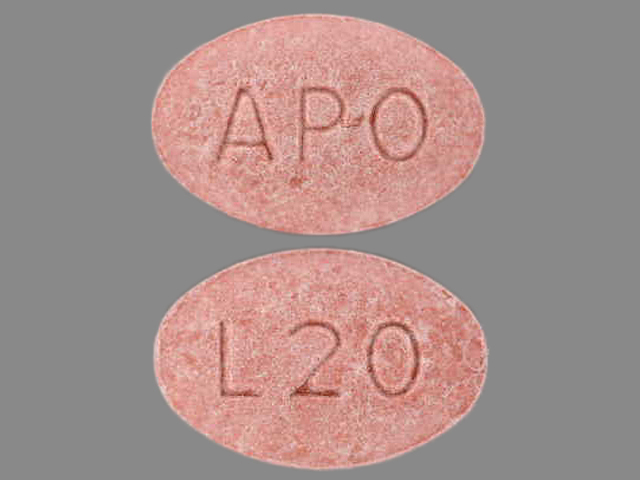
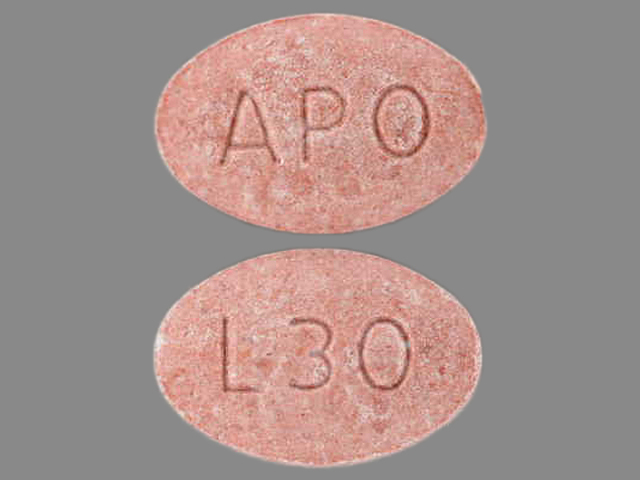
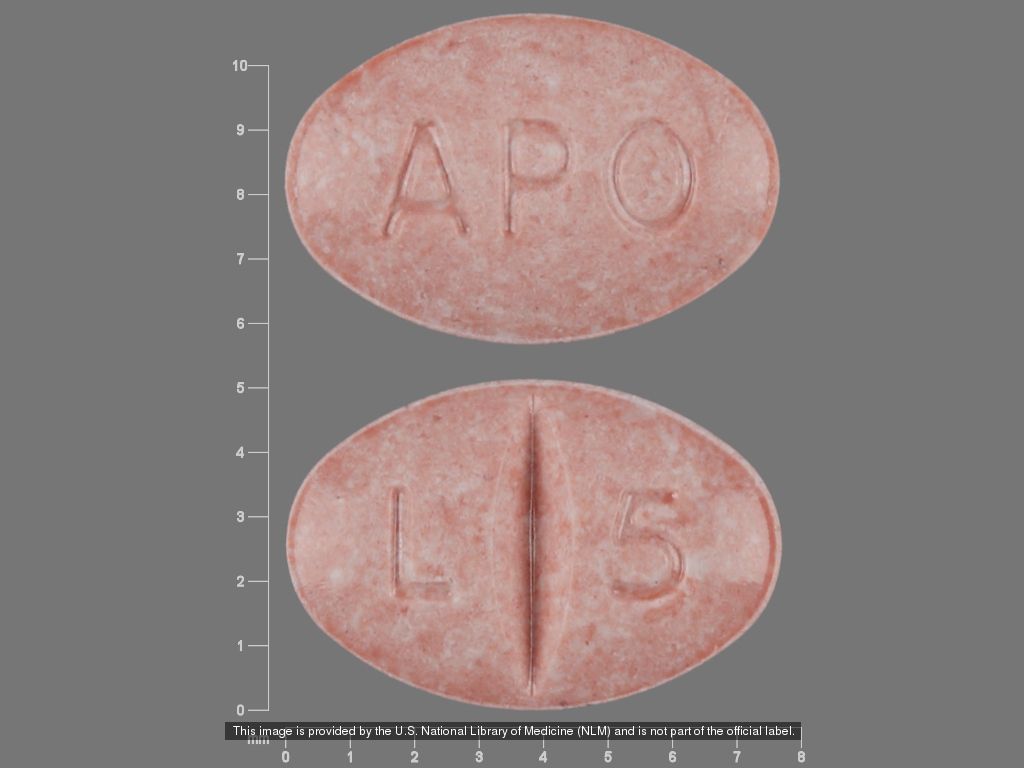
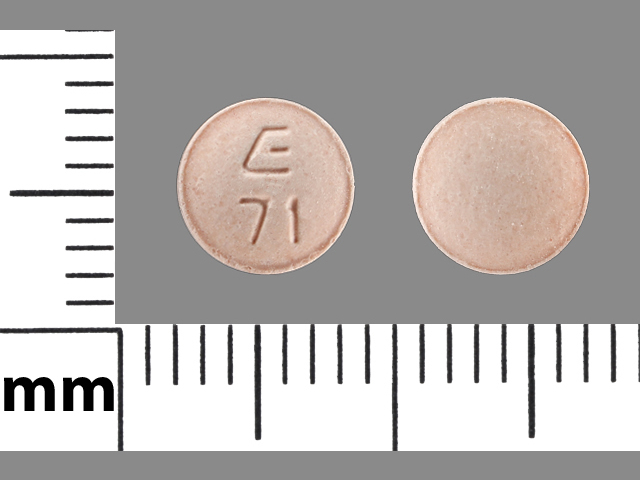
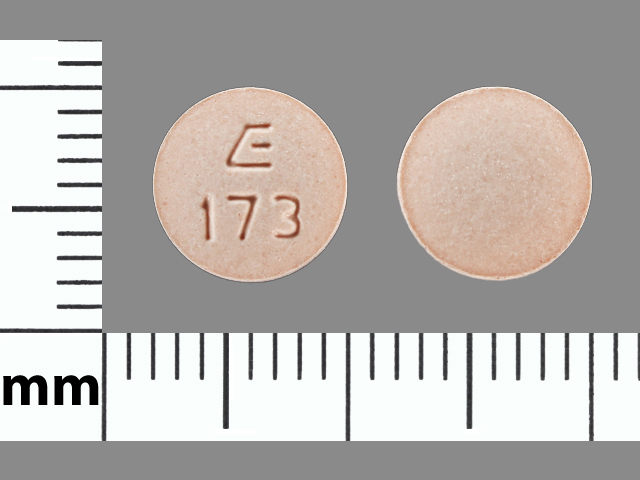
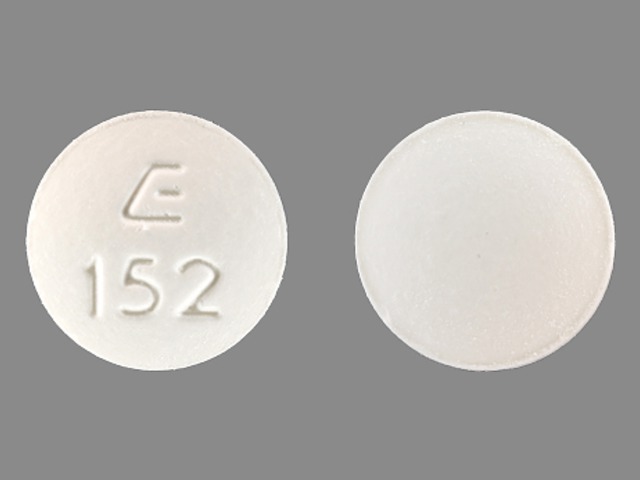
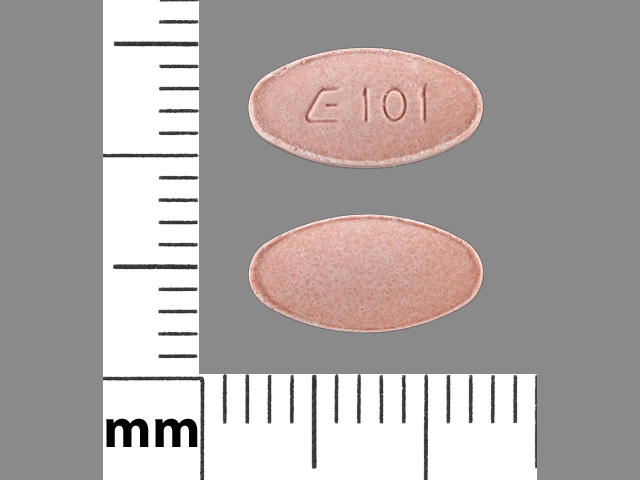
Lisinopril is one of the most frequently dispensed generic drugs, and the pill identification database records nearly a thousand distinct lisinopril products. That is a large number because of the many manufacturers and repackagers. There is no single appearance. Tablets may be round, oval, or shield-shaped, and the color varies depending on strength and manufacturer. Pink, yellow, white, peach, and orange-red tablets are all common, and the colors come from dyes that differ between companies. Some tablets are scored (marked with a line so they can be split), and some are not.
The most reliable way to identify a tablet is the imprint: the letters, numbers, or logo pressed into its surface, usually with the strength or a manufacturer code. Searching that imprint, together with the shape and color, in a pill identifier tool narrows the possibilities quickly. Because appearance can change when a pharmacy switches suppliers, a refill that looks different from the last one is not necessarily a mistake. Pharmacists can confirm that a particular tablet matches the prescription, and anyone unsure about a pill should ask rather than guess.
Dosage and administration
Lisinopril is available as oral tablets in strengths of 2.5 mg, 5 mg, 10 mg, 20 mg, 30 mg, and 40 mg, and as an oral solution at a concentration of 1 mg per mL, which is useful for children and for adults who cannot swallow tablets. A combination tablet contains lisinopril with hydrochlorothiazide at 12.5 mg or 25 mg, in lisinopril strengths such as 10 mg or 20 mg. Which strength a person receives depends entirely on the condition being treated and how they respond.
In general terms, lisinopril is taken by mouth once a day, with or without food, at about the same time each day to keep the routine consistent. Because absorption is not strongly affected by meals, there is no special food requirement. The tablets are swallowed with water. The oral solution is measured with an appropriate measuring device rather than a household spoon, and the product label or pharmacist explains any preparation or storage steps for the specific brand.
Dosing follows a "start low, adjust gradually" pattern, and several features of how it is used are worth knowing:
- Hypertension in adults. Treatment typically begins at a modest starting dose, and the prescriber adjusts it based on blood pressure readings over a period of weeks. The usual maintenance range is well within the available tablet strengths, and doses beyond the upper end of that range have not been shown to provide meaningfully greater effect. People who already take a diuretic are commonly started on a lower dose, because the combination can lower blood pressure more than expected at first.
- Heart failure. Starting doses are generally lower than in hypertension, and the dose is raised step by step as tolerated. People with low blood sodium levels often begin at an even lower dose. Diuretic doses may be reviewed at the same time, since fluid depletion can make low blood pressure more likely.
- After a heart attack. A first dose is given within roughly 24 hours of symptoms, followed by additional doses over the next two days, and then a daily maintenance dose continued for at least six weeks. If blood pressure is on the low side, a lower starting dose is used. If low blood pressure develops, the dose may be temporarily reduced or the drug withdrawn.
- Children 6 years and older. Dosing is calculated by body weight, begins low, and is adjusted to blood pressure response up to a cap. The drug is not recommended in children under 6 or in children with significantly reduced kidney filtration.
- Reduced kidney function. Because lisinopril leaves the body through the kidneys, people with moderately to severely reduced kidney function generally begin at a reduced dose and are titrated carefully.
If a dose is missed, the usual general guidance is to take it when remembered unless it is almost time for the next one, and not to double up. A pharmacist can give advice specific to the product and the person's situation. Lisinopril is generally intended for long-term use, and blood pressure often rises again if it is stopped without a plan, so changes to the regimen are made with the prescriber. Tablets are usually stored at room temperature in a tightly closed container, protected from moisture and excess heat. The storage conditions for the oral solution are stated on its own labeling.
Routine monitoring commonly includes blood pressure checks and blood tests for kidney function (creatinine) and potassium, typically before starting treatment, again within the first weeks, and periodically afterward, especially after dose changes or when other medicines are added.
Warnings and precautions
Use in pregnancy. Drugs that act directly on the renin-angiotensin system, including lisinopril, can cause injury and death to a developing baby, particularly when taken during the second and third trimesters. The recommendation is that treatment be discontinued as soon as pregnancy is detected, in consultation with a prescriber. Anyone who is pregnant, planning to become pregnant, or who becomes pregnant while using lisinopril should speak with a healthcare professional promptly about alternatives. More detail appears in the pregnancy section below.
Angioedema. Rarely, ACE inhibitors cause swelling of the face, lips, tongue, throat, hands, or feet. It can appear within the first weeks of use, but it can also appear after months or even years of uninterrupted therapy. When the tongue, throat, or airway is involved, it can obstruct breathing and is a medical emergency. A less obvious form affects the intestines and may cause abdominal pain, nausea, or vomiting, sometimes with no visible swelling. Angioedema occurs more often in Black patients than in other groups. People with a past history of angioedema, whether related to an ACE inhibitor or hereditary or of unknown cause, should not use lisinopril. Some other medicines, including mTOR inhibitors and neprilysin inhibitors, raise the risk further.
Low blood pressure. Symptomatic hypotension, such as lightheadedness or fainting, can occur, especially after the first dose or after a dose increase. The risk is higher in people with heart failure, those who are dehydrated or low in salt from diuretics, vomiting, diarrhea, or sweating, and those on dialysis. Surgery and anesthesia can also produce sudden drops in pressure in people taking ACE inhibitors, so the surgical team should know about the medicine. In people with aortic valve narrowing or certain other heart conditions, blood pressure lowering needs particular care.
Kidney effects. By reducing angiotensin II, lisinopril changes the blood flow inside the kidneys. In most people, kidney function stays stable or improves in the long run, but in some, particularly those with narrowing of the arteries supplying the kidneys, severe heart failure, dehydration, or existing kidney disease, creatinine can rise and acute kidney injury can occur. Blood tests help identify this early, and the effect is usually reversible when the drug is stopped or the dose is adjusted.
High potassium. Because aldosterone helps the body excrete potassium, ACE inhibitors can cause potassium to build up in the blood (hyperkalemia). Risk is greater with kidney impairment, diabetes, advanced age, and use of potassium supplements, salt substitutes containing potassium chloride, or potassium-sparing diuretics. Severe hyperkalemia can disturb heart rhythm.
Liver effects. Rarely, ACE inhibitors have been associated with a syndrome that begins with cholestatic jaundice (yellowing of the skin or eyes) and can progress to serious liver injury. The cause is not well understood. Yellowing of the skin or eyes, or marked liver enzyme elevation, would prompt medical reassessment of the treatment.
Blood cell effects. Very rarely, ACE inhibitors cause a drop in white blood cells (neutropenia or agranulocytosis). This is more of a concern in people with kidney disease and in those with autoimmune conditions or on immune-suppressing therapy. Persistent fever or sore throat should be reported to a clinician.
Other considerations.
- Anaphylactoid reactions have been reported in people undergoing hemodialysis with certain high-flux membranes, during LDL apheresis, and during desensitization treatment for insect venom allergy. Healthcare teams generally plan around these situations.
- ACE inhibitors may increase the blood-sugar-lowering effect of diabetes medicines, so people with diabetes may need closer glucose monitoring when treatment begins.
- Persistent dry cough is common enough to be considered a class effect (see Side effects).
- Rarely, an inflamed pancreas (pancreatitis) has been reported.
Contraindications
Lisinopril is not used in the following circumstances:
- A history of angioedema or hypersensitivity linked to previous ACE inhibitor treatment.
- Hereditary or idiopathic (unexplained) angioedema.
- Use together with a neprilysin inhibitor such as sacubitril (found in the combination drug sacubitril/valsartan). A gap of at least 36 hours is required when switching between lisinopril and sacubitril/valsartan in either direction, because the combination substantially raises the risk of angioedema.
- Use of aliskiren in people with diabetes, because of the increased risk of kidney problems, low blood pressure, and high potassium.
- Known hypersensitivity to lisinopril or any ingredient in the product.
For the combination product containing hydrochlorothiazide, additional contraindications apply, including an inability to produce urine (anuria) and hypersensitivity to sulfonamide-derived drugs.
Side effects
Many people take lisinopril without noticeable problems. The most commonly reported effects in clinical trials were:
- Headache and dizziness, which occurred a few percentage points more often than with placebo in people with hypertension.
- Cough, typically dry, tickling, and persistent, reported in a few percent more people than placebo in trials and often more often in everyday practice. It can begin within days or after several months. It usually settles within days to a few weeks after the drug is stopped. Because it is not a sign of infection or lung disease, it is typically handled by switching to a different medication, often an angiotensin receptor blocker such as losartan or valsartan, which does not accumulate bradykinin in the same way.
- Low blood pressure and related lightheadedness, which in heart failure trials occurred several percentage points more often than with placebo, together with chest pain.
- Fatigue, diarrhea, nausea, and rash, which are reported less often.
- Altered taste, which is less common and generally reversible.
- In people treated after a heart attack, more low blood pressure and kidney function changes were seen than in untreated patients.
Less common laboratory changes include a rise in blood urea nitrogen and creatinine, a rise in potassium, and small decreases in hemoglobin or hematocrit.
Effects that need prompt medical attention. The following should be reported urgently or treated as an emergency: swelling of the face, lips, tongue, or throat, or difficulty breathing or swallowing; fainting or severe lightheadedness; a very slow or irregular heartbeat or severe muscle weakness (which may point to high potassium); yellowing of the skin or eyes; markedly reduced urination; severe or persistent abdominal pain; or signs of infection such as fever and sore throat that do not go away.
Not everyone experiences side effects, and many that do find they lessen as the body adjusts. A pharmacist or prescriber can help work out whether a symptom is likely related to the medicine and whether any change is warranted.
Drug interactions
Lisinopril is not processed by the liver's cytochrome P450 enzymes, so it has few of the metabolism-based interactions seen with many drugs. Its interactions mostly arise from shared effects on blood pressure, potassium, and kidney function.
- Diuretics. Starting lisinopril in someone already taking a diuretic can lower blood pressure excessively. Prescribers may lower or temporarily pause the diuretic, or use a lower starting dose of lisinopril. Lisinopril also reduces the potassium loss caused by thiazide-type diuretics such as hydrochlorothiazide, which is one reason the two are paired in a combination tablet. By contrast, potassium-sparing diuretics (spironolactone, amiloride, triamterene) combined with lisinopril can raise potassium to dangerous levels, so potassium is monitored closely.
- Potassium supplements and salt substitutes. Products containing potassium chloride can add to the potassium-raising effect of lisinopril.
- Other renin-angiotensin system drugs. Combining lisinopril with an angiotensin receptor blocker (losartan, valsartan, olmesartan, and others) or with aliskiren increases the likelihood of low blood pressure, high potassium, and kidney injury. A large trial in people with type 2 diabetes (VA NEPHRON-D) found no added kidney benefit from combining lisinopril with losartan and more hyperkalemia and acute kidney injury. In general, dual blockade is avoided. Aliskiren should not be combined with lisinopril in people with diabetes and is avoided in people with reduced kidney function.
- NSAIDs. Nonsteroidal anti-inflammatory drugs such as ibuprofen, naproxen, and diclofenac, as well as COX-2 inhibitors such as celecoxib, may blunt the blood-pressure-lowering effect of lisinopril. In older adults, dehydrated people, and those with reduced kidney function, the combination can worsen kidney function, sometimes producing acute kidney failure. This is often reversible. People taking lisinopril who use over-the-counter pain relievers regularly may wish to ask a pharmacist which options are more appropriate. Low-dose aspirin for heart protection is a separate issue that the prescriber evaluates.
- Lithium. ACE inhibitors can raise lithium levels and lead to lithium toxicity. Levels are monitored if the two are used together.
- Diabetes medicines. Insulin and oral agents such as metformin or sulfonylureas may have a stronger blood-sugar-lowering effect, with a risk of hypoglycemia, particularly at the start of treatment.
- mTOR inhibitors. Temsirolimus, sirolimus, and everolimus may increase the risk of angioedema when used with lisinopril.
- Neprilysin inhibitors. Sacubitril/valsartan is contraindicated with lisinopril, as described above.
- Gold. Rarely, injectable gold (sodium aurothiomalate) with an ACE inhibitor has caused nitritoid reactions, with flushing, nausea, vomiting, and low blood pressure.
- Other blood pressure medicines and alcohol. Beta blockers, calcium channel blockers, alpha blockers, nitrates, and other agents add to the blood-pressure-lowering effect, which is intentional in many regimens but needs monitoring. Alcohol may increase dizziness.
- Trimethoprim, heparin, and cyclosporine. These can also raise potassium and so may add to the effect of lisinopril on potassium.
- Allopurinol and immunosuppressants. Rarely, combining ACE inhibitors with these agents has been linked to increased risk of hypersensitivity reactions or blood count abnormalities.
- DPP-4 inhibitors. Diabetes medicines such as sitagliptin and linagliptin have been associated with a higher chance of angioedema when taken with ACE inhibitors.
Anyone taking lisinopril should tell every prescriber and pharmacist about all prescription, over-the-counter, herbal, and supplement products they use. The MedlinePlus Drug Information pages offer additional consumer-level information on lisinopril and related medicines.
Pregnancy and breastfeeding
Pregnancy. Lisinopril is associated with a risk of fetal harm. When a pregnant person takes an ACE inhibitor during the second and third trimesters, the developing baby's kidneys can be affected, which may lead to reduced amniotic fluid (oligohydramnios), underdevelopment of the lungs and skull bones, low blood pressure in the newborn, kidney failure, and in some cases death. Drugs in this class are therefore not recommended during pregnancy, and the labeling advises discontinuing lisinopril as soon as pregnancy is detected. Exposure in the first trimester alone has been less clearly linked to harm, but alternatives are generally preferred for anyone planning a pregnancy. Alternatives with better established safety records in pregnancy, such as labetalol, nifedipine, and methyldopa, are commonly used instead. Those who could become pregnant and are prescribed lisinopril are usually counseled about this risk. A prescriber should be contacted promptly if pregnancy is suspected rather than stopping treatment abruptly without a plan, since uncontrolled blood pressure also carries risks.
Breastfeeding. Information on lisinopril in human breast milk is limited. It is thought to pass into milk in very small amounts. Because of the lack of data, and because newborns and premature infants are especially sensitive to the effects of ACE inhibitors on blood pressure and kidney function, other medicines with more extensive breastfeeding experience, such as enalapril or captopril, are often preferred, particularly in the first weeks of the baby's life. Any decision about nursing while taking lisinopril is individual and is best discussed with the prescriber and the baby's pediatrician.
Pediatric use
Lisinopril is approved for treating high blood pressure in children 6 years and older whose kidney filtration is adequate. Dosing is based on body weight, starts low, and is adjusted to blood pressure within a defined upper limit. The oral solution makes weight-based dosing more practical for children who cannot swallow tablets. Lisinopril is not recommended in children younger than 6 or in children with a glomerular filtration rate below 30 mL/min/1.73 m2, because safety and effectiveness have not been established in these groups. Doses beyond the studied range have not been tested in children. Blood pressure, kidney function, and potassium are monitored. Adolescents who are able to become pregnant are counseled about the pregnancy risks described above. In infants and very young children with a history of poor kidney blood flow during development, ACE inhibitors can pose particular risks, which is why specialist input is typical in those settings.
Older-adult use
Older adults often have reduced kidney function even when blood tests appear normal, and because lisinopril is eliminated by the kidneys, blood levels tend to be higher in older people than in younger ones for the same dose. In clinical trials, effectiveness and overall safety were similar across age groups, but greater sensitivity in some older individuals cannot be ruled out. Practically, dizziness and low blood pressure on standing are the main concerns, since they raise the risk of falls. Dehydration from illness, reduced fluid intake, or diuretic use can make the effect stronger. Prescribers commonly begin with conservative amounts, raise them slowly, and monitor kidney function and potassium. Older adults frequently take several medicines, so reviewing the whole list for interactions, such as NSAIDs and potassium products, is especially useful.
Kidney and liver impairment
Kidney impairment. Lisinopril is excreted unchanged in the urine, so reduced kidney function slows its removal and causes the drug to build up. For people with a creatinine clearance above 30 mL/min, no adjustment of the starting dose is generally required. For clearance between about 10 and 30 mL/min, the initial dose is cut to about half the usual starting dose, and for clearance below 10 mL/min or for those on hemodialysis, a lower starting dose is used still. In all cases doses can be raised gradually as tolerated, within the usual maximum. Lisinopril is removed by hemodialysis, which is relevant both for timing of doses in dialysis patients and for management of overdose. People with kidney disease are at greater risk of high potassium and worsening kidney function, so closer monitoring is typical. At the same time, ACE inhibitors are frequently used deliberately in chronic kidney disease, particularly with diabetes, because they reduce protein leakage and may slow progression. Narrowing of the arteries to both kidneys, or to a single functioning kidney, is a situation in which ACE inhibitors can cause a sharp fall in kidney function and need special caution.
Liver impairment. Because lisinopril does not need to be converted by the liver to become active, and is not metabolized by it, liver disease does not affect its handling in the same way as for prodrug ACE inhibitors. However, ACE inhibitors as a class carry a rare risk of liver injury, and in people with cirrhosis, blood pressure and kidney function can be more sensitive to renin-angiotensin blockade. Caution and monitoring are the usual approach. Anyone who develops jaundice or notable liver enzyme elevation while on treatment would typically be reassessed.
Overdose
Information on lisinopril overdose in humans is limited. In animal studies, very large single oral doses did not cause death in rats, and only one of 20 mice died. The most likely effect of a large overdose is marked low blood pressure, which is generally treated with intravenous saline and supportive care. Lisinopril can be removed from the bloodstream by hemodialysis. Anyone who suspects an overdose, particularly if there is fainting, extreme weakness, or confusion, should seek emergency care or contact a poison control center right away.
Practical notes for everyday use
Several general points are commonly raised by pharmacists and clinicians. Keeping well hydrated during vomiting, diarrhea, or hot weather helps lessen the chance of low blood pressure and kidney strain, and a prescriber may advise temporarily pausing the medicine during significant dehydration (sometimes called "sick day" guidance). Standing up slowly can reduce lightheadedness, especially in the first days or after a dose change. Salt substitutes should be checked for potassium content before use. Over-the-counter cold remedies containing decongestants may raise blood pressure and so may work against lisinopril's effect. Home blood pressure monitoring is often encouraged so the prescriber has real-world readings. Because the beneficial effects are long-term and the condition is usually symptom-free, many people find a consistent routine, such as taking the tablet with another daily habit, helps maintain regular use.
Lisinopril is approved and regulated by the FDA, and the full prescribing information for each product is publicly available through the agency's labeling resources. The tablets and the oral solution are not interchangeable in appearance or measurement, so the product dispensed should be matched to the prescriber's instructions.