Uses
Ibuprofen is one of the most familiar pain relievers in the world and one of the most frequently stocked medicines in home medicine cabinets. It belongs to the nonsteroidal anti-inflammatory drug (NSAID) group. Lower-strength products are sold without a prescription, while higher-strength tablets require one. Over-the-counter versions are commonly sold under brand names such as Advil, Motrin IB, Children's Advil, Children's Motrin and Advil Liqui-Gels, and many pharmacies and retailers sell store-brand products labeled simply as ibuprofen. Prescription and hospital products include Duexis, a tablet that combines ibuprofen with the stomach-protecting medicine famotidine, and Caldolor, an intravenous form given in a medical setting.
Ibuprofen is used for three broad purposes. The first is relief of minor to moderate pain, such as headache, toothache, menstrual cramps, muscle aches, backache, minor sprains and the body aches that come with a cold or flu. The second is lowering fever in both adults and children. The third is easing pain, stiffness and swelling in inflammatory conditions. Prescription-strength ibuprofen is labeled for the symptoms of rheumatoid arthritis and osteoarthritis, for mild to moderate pain and for primary dysmenorrhea. Some over-the-counter products, such as Advil Migraine and Motrin IB Migraine, are labeled for migraine headache.
It is worth being clear about what ibuprofen does not do. It relieves symptoms; it does not treat the cause of the problem underneath them. It can reduce the pain and stiffness of osteoarthritis, for example, but it does not rebuild cartilage, and it can bring down a fever without addressing the infection behind it. Official labeling consistently asks that the lowest amount that works be used for the shortest time needed, and that principle runs through this page.
The sections below explain how ibuprofen works, how to recognize the many product types, how it is typically taken, what precautions apply and which medicines interact with it. This is general background for someone trying to understand the medicine or identify a pill; it does not replace the advice of a pharmacist or doctor who knows an individual's health history. For further consumer-oriented reading, the MedlinePlus Drug Information library is a helpful companion resource.
Drug class and how ibuprofen works
Chemically, ibuprofen is a propionic acid derivative. Naproxen is a close relative in the same subgroup, and the wider NSAID family also includes diclofenac, ketorolac, meloxicam, indomethacin and celecoxib. Aspirin is technically an NSAID as well, although it binds to its target enzymes permanently and so behaves differently in important ways. Ibuprofen is not a steroid and is not an opioid, so it does not produce the drowsiness, euphoria, physical dependence or slowed breathing associated with opioid pain medicines.
The central action of ibuprofen is blocking cyclooxygenase enzymes, known as COX-1 and COX-2. These enzymes convert a fatty acid in cell membranes into prostaglandins, chemical messengers the body releases in response to injury or inflammation. Prostaglandins make nerve endings more sensitive to pain, widen small blood vessels and make tissues swell, and signal the temperature-regulating area of the brain to raise body temperature during an illness. When ibuprofen reduces prostaglandin production, three effects follow:
- Pain-relieving (analgesic): pain signals are dampened at the site of injury and in the nervous system.
- Anti-inflammatory: swelling, warmth and stiffness in affected tissues ease.
- Fever-reducing (antipyretic): the brain's temperature set point is lowered and fever comes down.
The same chemistry explains the drug's risks. COX-1 produces prostaglandins that help maintain the protective lining of the stomach, support blood flow to the kidneys and allow platelets to clump. COX-2 is more prominent at sites of inflammation but also contributes to kidney and blood vessel function. Ibuprofen blocks both and is therefore called a non-selective NSAID. That is why its most significant side effects involve the stomach and intestines, the kidneys, blood pressure and bleeding. Ibuprofen's binding to COX-1 is reversible, which is a key difference from aspirin and the reason ibuprofen's effect on platelets fades within about a day of the last dose rather than lasting for the life of the platelet.
After swallowing, ibuprofen is absorbed quickly from the digestive tract, and blood levels typically peak within roughly one to two hours, a little sooner on an empty stomach and somewhat later after a meal. Pain and fever relief often begins within 30 to 60 minutes and generally lasts about four to six hours. Soft liquid-filled capsules contain ibuprofen already dissolved (as the free acid and the potassium salt) and are designed to be absorbed faster than conventional tablets. The drug is highly bound to proteins in the blood, is broken down in the liver, largely by the CYP2C9 enzyme, and its inactive metabolites leave mainly in the urine. The elimination half-life is short, around two hours in most adults. This is why labels describe repeated doses spaced several hours apart rather than a once-a-day schedule. For arthritis, the anti-inflammatory benefit usually builds over several days to a couple of weeks of regular use.
Identifying ibuprofen products
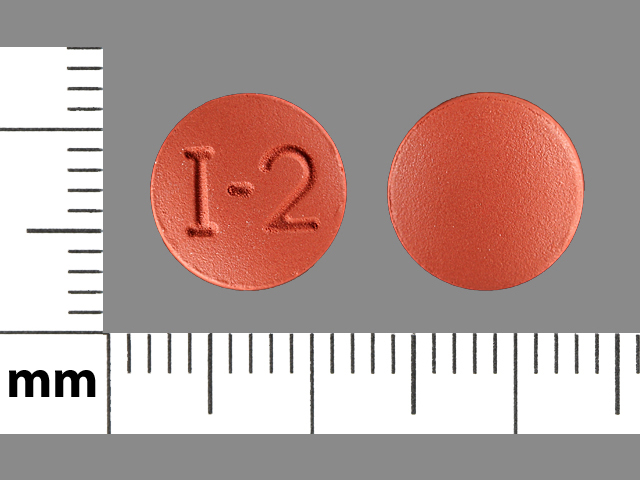
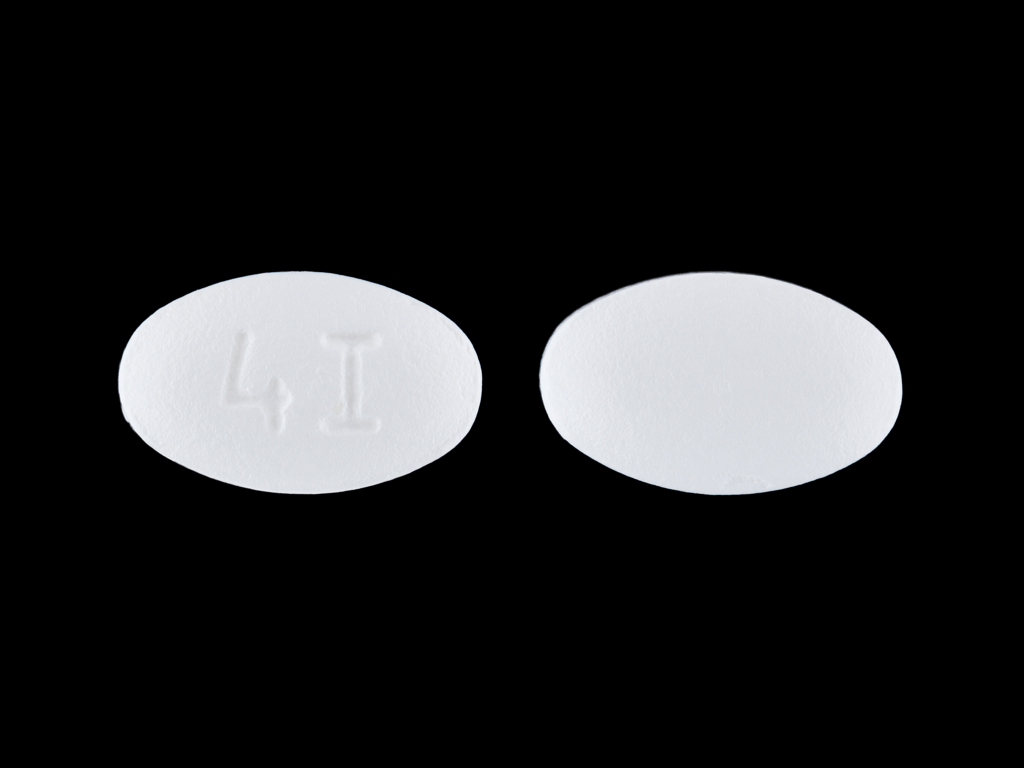
Ibuprofen is made by a large number of manufacturers and sold in a wide range of forms, so no single appearance describes it. The reference database behind this page lists well over a thousand ibuprofen products. General patterns can narrow things down, but the only reliable way to identify a specific pill is to compare its imprint code, color and shape against a pill identifier tool, or to ask a pharmacist.
- Over-the-counter tablets and caplets: These are usually 200 mg and are typically coated, round or oval, and brown, orange, white or another color. Most carry a brand name or a letter-and-number imprint. Store brands often resemble the national brands in color and shape but carry their own markings.
- Prescription tablets: Common prescription strengths are 400 mg, 600 mg and 800 mg. These are larger film-coated tablets, most often white and oval or capsule-shaped, and nearly always carry a manufacturer imprint that is essential for identification.
- Liquid-filled capsules: These are soft, glossy, often tinted capsules with a printed marking. Label information for one such product lists FD&C green #3, gelatin, medium-chain triglycerides, polyethylene glycol, potassium hydroxide, purified water, sorbitan solution, sorbitol and white ink among its inactive ingredients, the white ink being the source of the imprint.
- Chewable tablets: These are made for children, usually fruit flavored and in a lower strength, commonly 100 mg.
- Oral suspensions and drops: These are liquids in berry, grape, bubble gum and other flavors, including dye-free versions, in the concentrations described in the next section.
- Combination and kit products: Some products pair ibuprofen with another ingredient, such as famotidine in Duexis. Others are sold as kits.
- Injectable products: Intravenous ibuprofen, sold as Caldolor, is supplied as a vial or a ready-to-use bag and is not something encountered as a pill.
Pills of the same strength can look quite different from one maker to the next, and a worn or unmarked tablet should never be identified by color alone. If an imprint does not match expectations, a pharmacist can verify it, often by checking the manufacturer and lot information on the original container. It is also worth remembering that many multi-symptom cold, sinus and nighttime products contain ibuprofen alongside other active ingredients, and their tablets may look very different from plain ibuprofen.
Dosage & administration
Ibuprofen is available as standard tablets, film-coated tablets, chewable tablets, liquid-filled capsules, oral suspensions, concentrated infant drops, powders and granules, and an injectable solution used in healthcare settings. Strengths vary widely by form. Adult tablets and capsules are most often 200 mg over the counter and 300 mg, 400 mg, 600 mg or 800 mg by prescription. Children's chewables are typically 100 mg, children's liquid is typically 100 mg per 5 mL, and concentrated infant drops are typically 50 mg per 1.25 mL. The injectable form is supplied in several concentrations, including 800 mg in a premixed bag and 800 mg in a vial of concentrate that is diluted before use. The prescription combination tablet with famotidine contains 800 mg of ibuprofen and 26.6 mg of famotidine.
The directions on the package or prescription label, and any specific advice from a pharmacist or doctor, always take priority over general descriptions like these. In general terms, ibuprofen is taken by mouth at intervals of several hours when needed for pain or fever. Over-the-counter labels for adults and older children usually describe one tablet or capsule at a time, with the option of a second if the first has not provided enough relief, and they set a daily ceiling that is not meant to be exceeded unless a doctor directs otherwise. Labels also encourage using the smallest amount that works. For children under 12, the directions on adult-strength products generally say to ask a doctor.
Prescription use follows a few typical patterns depending on the condition. For mild to moderate pain or menstrual cramps, ibuprofen is commonly taken as needed at set intervals, often starting at the first sign of discomfort. For rheumatoid arthritis or osteoarthritis, prescribers often recommend a scheduled, regular pattern so that anti-inflammatory effect stays steady, with total daily amounts that are higher than for occasional pain relief but still capped by the labeling. In a hospital, intravenous ibuprofen is given as an infusion over a set period of time by clinical staff, for pain or fever in patients who cannot take medicine by mouth. The prescriber selects the amount and timing and may adjust them over time.
Practical points about taking ibuprofen
- With food or milk: Taking ibuprofen with a meal, snack or glass of milk is widely recommended because it lowers the chance of stomach upset. It may slow the onset of relief a little but does not meaningfully reduce overall effect.
- Swallowing: Tablets and capsules are meant to be swallowed whole with a full glass of water. Chewable tablets are meant to be chewed thoroughly before swallowing.
- Measuring liquids: Suspensions are shaken well and measured with the cup or oral syringe supplied with that particular product, not a kitchen spoon. Infant drops and children's liquid have different concentrations, so they cannot be swapped by volume; the concentration printed on the label matters.
- Weight-based dosing in children: Pediatric amounts are tied to body weight and sometimes age. Packages include a chart, and a pharmacist or pediatrician can advise when a child's weight falls outside it.
- Avoiding duplicates: Many cold, flu, sinus, migraine and sleep products contain ibuprofen together with other ingredients. Using one of these along with a separate ibuprofen product can add up to more than intended, so reading the active-ingredient list on each product is a good habit.
- Length of use: Over-the-counter labels generally advise stopping and consulting a doctor if pain lasts more than about ten days, if fever lasts more than about three days, or if symptoms worsen or new ones appear.
- Missed doses: When ibuprofen is taken on a schedule, the usual advice is to take a missed dose when remembered unless the next one is nearly due, and not to double up. With as-needed use there is nothing to make up.
- Storage: Ibuprofen is generally kept at room temperature in a tightly closed container, away from moisture, heat and children. Liquids should be kept closed and discarded after the date on the label.
Warnings
Many people use ibuprofen without trouble, but, as with all NSAIDs, there are well-established risks worth understanding. They generally rise with higher amounts and longer duration of use, and they are greater in people with certain existing conditions.
Heart and circulation
NSAIDs increase the risk of serious cardiovascular events, including heart attack and stroke, which can be fatal. Such events can occur early in treatment and the risk appears to climb with longer use and higher amounts. The risk exists even in people without known heart disease, though it matters most for those who already have heart disease or its risk factors. Ibuprofen is not meant to be used for pain around the time of coronary artery bypass graft (CABG) surgery. NSAIDs can also raise blood pressure, blunt the effect of some blood pressure medicines, and cause the body to hold on to salt and water. This fluid retention may show up as swelling of the ankles or feet or weight gain and can worsen heart failure. People with hypertension, heart failure or a history of swelling are generally advised to discuss ibuprofen with a doctor or pharmacist before using it regularly.
Stomach and intestines
NSAIDs also carry a risk of serious gastrointestinal events: bleeding, ulcers and perforation of the stomach or intestines. These can be fatal, can happen at any point during treatment and can occur without warning symptoms. The risk is higher in older adults, in people with a past stomach ulcer or bleed, in those who also use blood thinners, corticosteroids, SSRIs or other NSAIDs, in heavy alcohol users and smokers, and with longer or higher-amount use. Signs that call for prompt medical attention include black, tarry or bloody stools, vomiting blood or material resembling coffee grounds, severe or persistent stomach pain and unexplained weakness or pallor. For people who need an NSAID despite elevated risk, prescribers sometimes add a stomach-protecting medicine such as famotidine, a proton pump inhibitor like omeprazole, or misoprostol.
Kidneys
Because prostaglandins help maintain blood flow through the kidneys, particularly when the body is dehydrated or the kidneys are already stressed, blocking them can reduce kidney function and occasionally cause acute kidney injury. The risk is higher with dehydration, heart failure, existing kidney or liver disease, older age and combined use with diuretics or ACE inhibitors and similar drugs. Staying well hydrated while using ibuprofen, especially during an illness with vomiting or diarrhea, is commonly advised. Prolonged high-amount use has also been linked to chronic kidney damage, and rarely to papillary necrosis, a form of injury to the inner kidney tissue.
Allergic and skin reactions
Some people have allergic-type reactions to ibuprofen, including hives, facial swelling, wheezing or, rarely, anaphylaxis. Anyone who has had asthma attacks, hives or similar reactions after aspirin or another NSAID is at risk of reacting to ibuprofen as well. Aspirin-exacerbated respiratory disease, in which people with asthma and nasal polyps are sensitive to NSAIDs, is a recognized example. Rarely, NSAIDs cause severe skin reactions such as Stevens-Johnson syndrome, toxic epidermal necrolysis and DRESS (drug reaction with eosinophilia and systemic symptoms), which can develop without warning. A new rash, blistering, peeling skin, mouth sores or fever accompanied by skin symptoms warrants stopping the medicine and getting urgent medical care.
Other cautions
- Liver: Liver enzyme elevations can occur, and rare cases of significant liver injury have been reported. Yellowing of the skin or eyes, dark urine, persistent nausea or marked fatigue call for evaluation.
- Blood: Ibuprofen affects platelet function and may lengthen bleeding time. Rarely, it lowers blood counts, including platelets, white cells and red cells. Unusual bruising, bleeding or paleness should be reported.
- Anemia: Long-term use can contribute to anemia, sometimes through slow, unnoticed blood loss from the gut.
- Eyes and ears: Blurred vision, other visual changes, ringing in the ears and hearing changes have been reported and are worth mentioning to a doctor.
- Aseptic meningitis: Rarely, ibuprofen has been linked to this condition, which can cause headache, stiff neck and fever. It is reported more often in people with lupus or other autoimmune conditions.
- Masking of infection: By lowering fever and pain, ibuprofen can make an infection harder to recognize. A fever that keeps returning deserves an explanation rather than repeated treatment alone.
- Medication-overuse headache: Taking pain relievers on most days of the month for headache can paradoxically lead to more frequent headaches. A doctor can help when headache medicine is needed this often.
- Surgery and dental work: Because of its effect on platelets, doctors often ask patients to pause NSAIDs for a time before surgery. The care team should be told about ibuprofen use before any procedure.
- Fertility: NSAIDs may temporarily interfere with ovulation in some women, which may matter for those having difficulty conceiving.
- Alcohol: Regular heavy drinking combined with ibuprofen increases the chance of stomach bleeding.
- Asthma: People with asthma may be sensitive to NSAIDs even if they have never had an obvious reaction; any wheezing or chest tightness after a dose is a reason to seek medical advice.
Contraindications
Contraindications are situations in which ibuprofen generally should not be used at all. According to the prescribing information, ibuprofen is contraindicated in people with a known hypersensitivity to ibuprofen. It is also contraindicated in those who have experienced asthma, urticaria (hives) or allergic-type reactions after taking aspirin or other NSAIDs, because severe and rarely fatal anaphylactic-like reactions have been reported in such patients. It is contraindicated for pain control in the setting of coronary artery bypass graft surgery.
Beyond these formal contraindications, other circumstances call for particular caution and a doctor's guidance. They include active stomach or intestinal ulcers or bleeding, significant kidney impairment, severe heart failure, poorly controlled high blood pressure, a bleeding disorder, and the later part of pregnancy. A pharmacist can help check whether a given product is appropriate when several of these apply.
Side effects
Many people tolerate ibuprofen without any side effects, especially for short courses. When effects do occur, the most frequent involve the digestive system; in controlled clinical trials, roughly 4% to 16% of patients reported gastrointestinal complaints.
More common side effects
Those reported by more than 1% but fewer than 3% of patients in trials included:
- Nausea
- Epigastric pain (upper abdominal pain)
- Heartburn
- Diarrhea
- Abdominal distress and indigestion
- Constipation
- Dizziness
- Headache
- Nervousness
- Rash and itching
- Tinnitus (ringing in the ears)
Bloating, gas and mild fluid retention are also noted in practice. Taking ibuprofen with food and using the smallest effective amount often reduces stomach-related complaints. Heartburn or stomach discomfort that persists is worth raising with a pharmacist or doctor rather than simply living with it.
Less common but more serious effects
Effects reported in fewer than 1% of patients, along with others identified in wider use, include:
- Gastric or duodenal ulcers with bleeding or perforation, and gastrointestinal hemorrhage
- Depression and insomnia
- Stevens-Johnson syndrome and other serious skin reactions
- Hearing loss
- Thrombocytopenia (low platelet count)
- Acute kidney failure
- New or worsening congestive heart failure
- Anaphylaxis and bronchospasm
Urgent medical help is appropriate for chest pain, shortness of breath, weakness on one side of the body, slurred speech, sudden severe headache, swelling of the face or throat, difficulty breathing, black or bloody stools, vomiting blood, a spreading or blistering rash, a marked drop in urine output, or yellowing of the skin or eyes. These may signal a serious reaction.
Drug interactions
Ibuprofen interacts with a fairly long list of medicines, mostly through its effects on the stomach lining, platelets, kidney blood flow and blood pressure. The following are among the most important. The list is not exhaustive, and a pharmacist can review a complete medication list, including supplements and over-the-counter products.
- Aspirin: Ibuprofen can interfere with the antiplatelet (heart-protective) effect of low-dose aspirin, especially enteric-coated aspirin, and the effect is most pronounced when ibuprofen is taken before the aspirin. Studies show the interaction can persist even with once-daily ibuprofen. The problem can be reduced if immediate-release low-dose aspirin is taken at least two hours before ibuprofen, though this does not extend to enteric-coated aspirin. People who take aspirin for heart or stroke protection and who need a pain reliever are generally advised to ask a pharmacist which choice fits best. Using the two together for pain is not usually recommended because of added side effect risk.
- Other NSAIDs: Combining ibuprofen with naproxen, diclofenac, ketorolac, meloxicam, celecoxib or higher-strength aspirin adds risk without added benefit, particularly for the stomach and kidneys.
- Anticoagulants and antiplatelet drugs: Warfarin, apixaban, rivaroxaban, dabigatran, clopidogrel and similar medicines raise the chance of bleeding. The effects of warfarin and NSAIDs on gastrointestinal bleeding are synergistic, so people using both face a higher risk of serious GI bleeding than with either alone. Ibuprofen has not been shown to alter prothrombin time significantly, but bleeding has been reported, so caution and monitoring are needed.
- ACE inhibitors, angiotensin receptor blockers and beta-blockers: Medicines such as lisinopril, enalapril and losartan may work less well when taken with NSAIDs. Added to a diuretic, an NSAID and one of these drugs together raise the risk of kidney problems, a combination sometimes called the triple whammy.
- Diuretics: Ibuprofen can reduce the sodium-excreting effect of furosemide and thiazide diuretics such as hydrochlorothiazide, a result attributed to inhibition of kidney prostaglandin synthesis. During combined use, clinicians watch for both diuretic effectiveness and signs of kidney strain.
- Lithium: Ibuprofen has been shown to raise lithium levels in the blood and reduce the kidneys' clearance of lithium. In one study of eleven volunteers, the mean minimum lithium concentration rose about 15% and renal clearance fell about 19%. People taking lithium are watched carefully for signs of toxicity if ibuprofen is introduced.
- Methotrexate: NSAIDs may reduce the kidneys' removal of methotrexate and could increase its toxicity. The concern is greater with high-dose methotrexate regimens, and caution is advised.
- Corticosteroids: Prednisone and similar medicines raise the risk of stomach ulcers and bleeding when used with ibuprofen.
- SSRIs and SNRIs: Antidepressants such as sertraline, fluoxetine, escitalopram and venlafaxine affect platelet function. Combined with ibuprofen, they increase the chance of bleeding, especially in the stomach.
- Cyclosporine and tacrolimus: NSAIDs can add to the kidney toxicity of these immune-suppressing drugs.
- Pemetrexed: Ibuprofen may raise levels of this chemotherapy medicine in people with reduced kidney function, and oncology teams give specific timing guidance.
- CYP2C9 inhibitors: Medicines such as fluconazole and voriconazole can slow ibuprofen's breakdown and raise its levels.
- Stomach acid reducers: Studies in human volunteers found that cimetidine or ranitidine given with ibuprofen had no substantive effect on ibuprofen blood concentrations.
- Alcohol and herbal products: Alcohol adds to stomach irritation. Herbal products that influence clotting, such as ginkgo, high-dose fish oil and garlic supplements, may add to bleeding tendency.
Acetaminophen does not share ibuprofen's stomach and platelet interactions and works through a different mechanism, so the two are sometimes alternated or combined under the guidance of a doctor or pharmacist. Even so, anyone using more than one pain reliever is better off confirming the plan first.
Overdose
Taking more ibuprofen than directed can cause toxicity, and young children are particularly vulnerable. The product labeling describes several instructive cases. In one, a 19-month-old child weighing about 12 kg was taken to an emergency room roughly an hour and a half after swallowing seven to ten 400 mg tablets. She was apneic (not breathing on her own for periods) and cyanotic and responded only to painful stimuli. She received oxygen, intravenous fluids and sodium bicarbonate, and by about 12 hours she appeared completely recovered. In other cases, children weighing about 10 kg who each ingested around 120 mg per kg showed no signs of acute intoxication or late effects, although one had a blood level about ten times the peak seen in absorption-excretion studies. A 19-year-old who took a large amount over a few hours had dizziness and nystagmus (involuntary eye movements) and recovered after hospitalization without lasting effects.
Symptoms of ibuprofen overdose can include stomach pain, nausea, vomiting, drowsiness, headache, ringing in the ears, dizziness, blurred vision and, in more severe cases, slowed breathing, low blood pressure, seizures, kidney injury, metabolic acidosis or coma. Treatment is mainly supportive. After an acute overdose the stomach may be emptied, although little drug is likely to be recovered if more than an hour has passed, and activated charcoal by mouth may reduce absorption. Because the drug is acidic and excreted in the urine, alkalinizing the urine and encouraging urine output are theoretically beneficial. There is no specific antidote.
Anyone who may have taken too much ibuprofen, or any child who has swallowed it unintentionally, should be evaluated promptly. In the United States, Poison Control can be reached at 1-800-222-1222, and emergency services are appropriate for serious symptoms such as trouble breathing, seizures or unresponsiveness. Child-resistant packaging and storage out of sight and reach are the most effective prevention. Flavored children's liquids and chewables in particular are medicine and not candy.
Pregnancy & breastfeeding
Ibuprofen and other NSAIDs raise particular concerns in pregnancy, especially in the second half. Use at about 20 weeks of pregnancy or later may cause rare but serious kidney problems in the unborn baby, which can lead to low levels of amniotic fluid. In the third trimester, NSAIDs can cause premature narrowing or closure of a fetal blood vessel called the ductus arteriosus, and they may prolong labor or increase bleeding around delivery. For these reasons, the FDA has advised that NSAIDs generally be avoided from about 20 weeks of pregnancy onward unless a healthcare professional specifically directs otherwise. Some research has also raised questions about NSAID use in early pregnancy, although the evidence there is less clear.
Because of these concerns, pregnant women, and those who might be pregnant, are typically advised to check with a doctor or pharmacist before using any ibuprofen product, including combination cold and flu medicines. Acetaminophen is often the first-line option for pain or fever in pregnancy, but each situation is individual and a clinician should guide the choice.
Ibuprofen passes into breast milk only in very small amounts, and it is generally regarded as one of the preferred pain relievers during breastfeeding, partly because of its short half-life and long record of use. Most breastfed infants show no effects. Mothers nursing a newborn or premature infant, or a baby with kidney problems or other medical conditions, are still encouraged to mention ibuprofen use to their healthcare provider.
Pediatric use
Ibuprofen is among the most common fever and pain relievers given to children. Dedicated products, including Children's Advil, Children's Motrin, Infants' Advil and Infants' Motrin, are sold as liquids, concentrated drops and chewable tablets, along with many store-brand equivalents. Junior Strength Advil provides a middle strength designed for older children. Pediatric amounts are based on weight, and sometimes age, and are given at intervals of several hours, with a stated limit on the number of administrations in 24 hours.
Several principles apply:
- Age limits: Over-the-counter ibuprofen is generally not labeled for babies under six months, and labels usually ask that a doctor be consulted first. A fever in a very young infant, particularly under three months, should be evaluated promptly by a healthcare professional rather than managed at home.
- Hydration: Children who are vomiting, have diarrhea or are not drinking well are more vulnerable to kidney effects from ibuprofen, and doctors often advise caution in these circumstances.
- Chickenpox and shingles: Some pediatric guidance cautions against NSAIDs during chickenpox because they have been linked with serious skin and soft-tissue infections. A pediatrician can advise.
- Right product: Concentrations differ between infant drops and children's suspension, so the measuring device and label for the specific product need to be followed.
- Aspirin distinction: Unlike aspirin, ibuprofen is not associated with Reye's syndrome, which is one reason it is preferred over aspirin for children's fever and pain.
- Prescription uses: Pediatric rheumatologists also use ibuprofen for juvenile arthritis, under medical supervision.
For fever, ibuprofen is mainly used to help a child feel more comfortable. How the child looks and behaves is generally more important than the number on the thermometer. Parents are advised to seek care if a child seems unusually drowsy, is hard to wake, has trouble breathing, has a stiff neck, develops a rash, or if fever persists beyond a few days.
Older-adult use
Adults aged 65 and older are more likely to experience serious ibuprofen-related problems. The labeling specifically notes that elderly patients face greater risk of serious gastrointestinal events, including bleeding and perforation. Older adults are also more likely to have reduced kidney function, high blood pressure or heart disease, and to take interacting medicines such as blood thinners, diuretics and ACE inhibitors. Some guideline groups, including the American Geriatrics Society, advise avoiding long-term NSAID use in older adults where possible, or pairing it with a protective medicine when it cannot be avoided.
In practice, clinicians often choose the lowest effective amount for the shortest time, check blood pressure and kidney function periodically when use is ongoing, and suggest alternatives where suitable. These might include acetaminophen, topical NSAID gels (which expose the body to far less drug) or non-drug approaches such as heat, exercise and physical therapy. Older adults who take low-dose aspirin for heart protection have a particular reason to check how ibuprofen might interfere with it. Dizziness and confusion are also somewhat more likely with NSAIDs in this age group, which can contribute to falls.
Kidney & liver impairment
Kidney function matters a great deal when considering ibuprofen. Because the drug lowers the prostaglandins that support blood flow within the kidneys, it can worsen existing kidney disease and can precipitate acute kidney injury, especially in people who are dehydrated, who have heart failure or cirrhosis, or who use diuretics or ACE inhibitors. People with advanced kidney disease are generally advised to avoid ibuprofen and other NSAIDs. Those with milder impairment typically use it only under medical guidance, with attention to hydration and monitoring. Because ibuprofen's breakdown products are cleared mostly in urine, reduced kidney function may allow them to accumulate.
The liver is the main site of ibuprofen metabolism. In people with significant liver disease, NSAIDs carry added risks; cirrhosis in particular increases the chances of stomach and esophageal bleeding, fluid retention and kidney problems. People with liver disease are generally advised to speak with their healthcare provider before using ibuprofen, and many are directed to other options. Ibuprofen is not considered a frequent cause of liver injury, but rare cases of hepatitis and liver failure have been reported, so persistent symptoms such as jaundice, dark urine or unexplained fatigue warrant evaluation.