Overview
Gabapentin is a prescription medication that belongs to the class of drugs known as antiepileptic drugs (also called anticonvulsants), although it is used at least as often for nerve-related pain as for seizures. It is a close structural relative of the brain chemical gamma-aminobutyric acid (GABA), which is where the name comes from. In spite of that resemblance, gabapentin does not appear to work by acting on GABA receptors in the way many people assume. Its exact mechanism has never been fully pinned down, but it is known to bind to a specific part of voltage-activated calcium channels in nerve cells, and that interaction is thought to explain both its anti-seizure and pain-relieving effects.
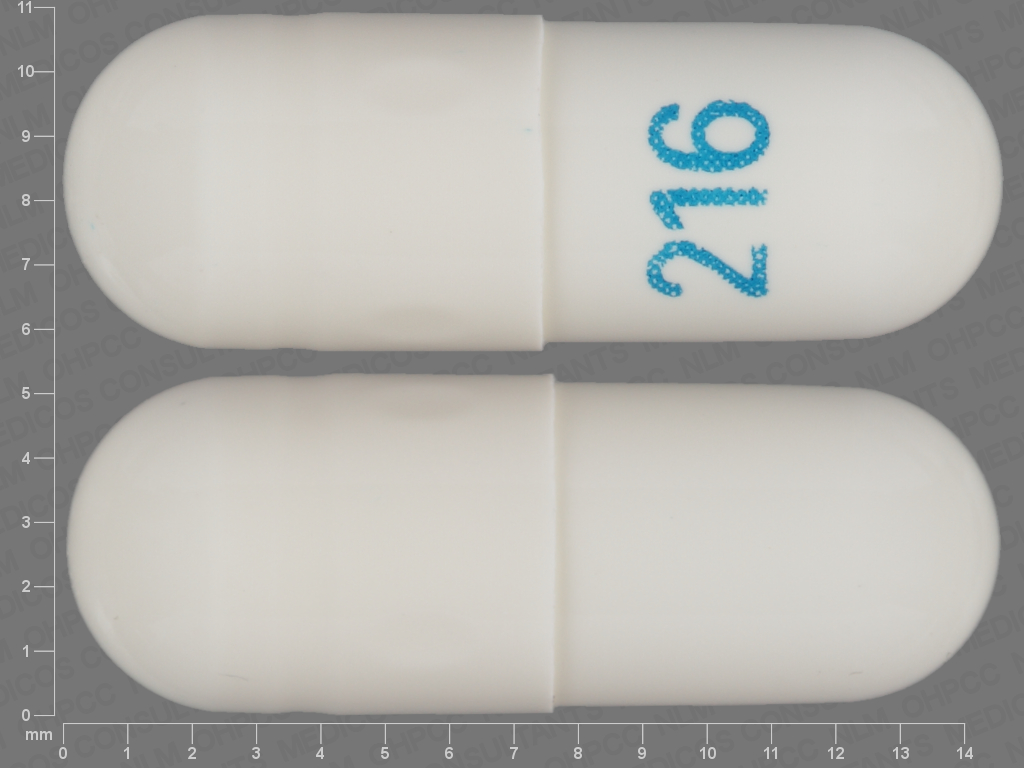
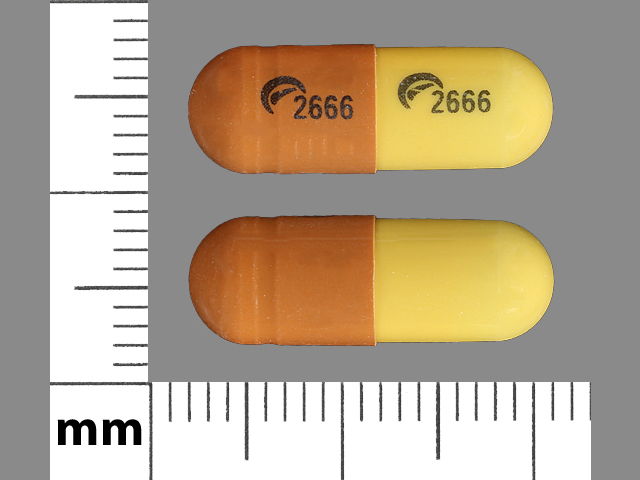
Because gabapentin has been on the market for decades and is made by a large number of manufacturers, it is one of the most commonly encountered medications when someone is trying to identify a pill. Capsules, tablets and liquids differ in color, shape and imprint depending on who made them. This page explains what gabapentin is used for, how it is typically taken, what its common and serious side effects look like, which medicines and substances interact with it, and how it is handled in special groups such as children, older adults, pregnant women and people with kidney problems.
Drug class and how gabapentin works
Gabapentin is classified as an antiepileptic drug with analgesic (pain-modifying) properties. It is sometimes grouped with pregabalin under the heading of "gabapentinoids," since the two drugs share a mechanism and a similar side-effect profile.
The best-supported explanation of how gabapentin acts is that it binds to the alpha-2-delta subunit of voltage-gated calcium channels. These channels sit on nerve endings and help control how much excitatory chemical messenger is released when a nerve fires. By binding to this subunit, gabapentin appears to dampen the release of messengers such as glutamate and substance P, particularly in nerves that have become over-excitable. In animal models this action reduces allodynia (pain triggered by something that normally would not hurt, such as light touch) and hyperalgesia (exaggerated pain responses). In the brain, the same calming effect on over-active neurons is thought to help reduce the spread of seizure activity, particularly partial (focal) seizures.
A few pharmacological features set gabapentin apart from many other nervous system drugs:
- It is not meaningfully metabolized. The body does not break gabapentin down in the liver to any significant degree. It leaves the body mostly unchanged through the kidneys, which is why kidney function matters so much for how it is dosed.
- It does not bind to blood proteins and does not noticeably induce or inhibit the liver enzymes that process most other medicines. This is why it has relatively few classic drug-drug interactions, and why it generally does not disturb the blood levels of other antiepileptic drugs.
- Its absorption is saturable. Gabapentin is taken up in the small intestine by a transport system that can become crowded. As the dose rises, the percentage absorbed falls, so doubling a dose does not double the amount in the bloodstream. This is one reason doses are spread across the day and increased gradually.
- Its half-life is short, roughly five to seven hours in people with normal kidney function, which is why the standard immediate-release products are taken several times a day.
Uses
Gabapentin is commonly sold under the brand names Neurontin and Gralise, and is also widely dispensed as a generic product simply labeled "gabapentin." (A related but chemically distinct drug, gabapentin enacarbil, is sold under a different brand name and is not interchangeable with gabapentin.)
The FDA-approved uses of gabapentin are:
- Postherpetic neuralgia in adults. This is the lingering nerve pain that can persist for months or years after a shingles (herpes zoster) rash has healed. It is often described as burning, stabbing or electric, and may make even clothing against the skin painful. Both immediate-release gabapentin and the once-daily extended-release form sold as Gralise are approved for this purpose.
- Partial-onset seizures (epilepsy), as add-on therapy. Gabapentin is approved as adjunctive therapy, meaning it is added to other seizure medicines, for partial seizures with and without secondary generalization. This applies to adults and to children aged 12 and older, and the labeling also covers children aged 3 to 11 years. It is not approved by itself as a first-line single-drug treatment for epilepsy in the United States.
In everyday practice, gabapentin is also prescribed for a number of purposes that are not listed on its FDA label (so-called off-label uses). These commonly include painful diabetic neuropathy and other forms of neuropathic pain, certain types of chronic pain, restless legs syndrome, hot flashes, and sometimes as part of a plan for managing pain after surgery. The evidence for these uses varies considerably, from reasonably strong in some neuropathic pain conditions to limited or mixed in others, such as low back pain or anxiety. Anyone who has been prescribed gabapentin for a reason that is not on the label can ask their prescriber to explain the thinking behind the choice.
Dosage & administration
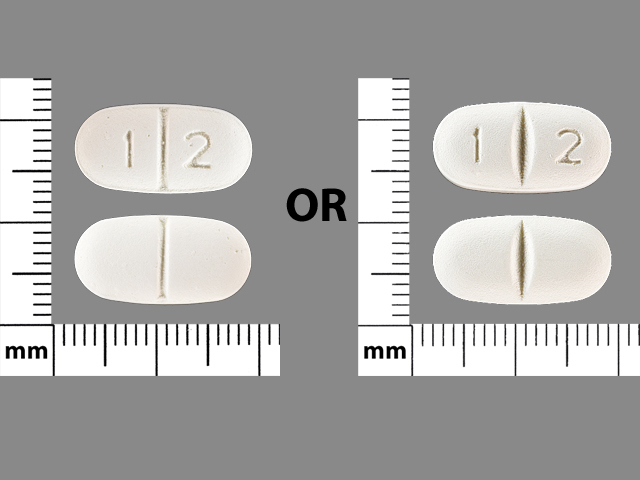
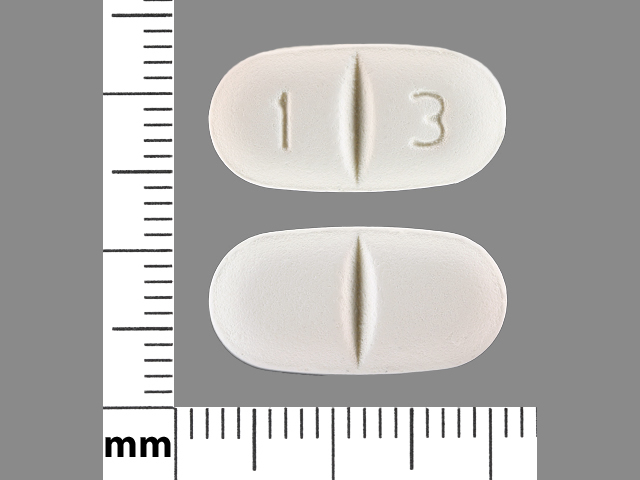
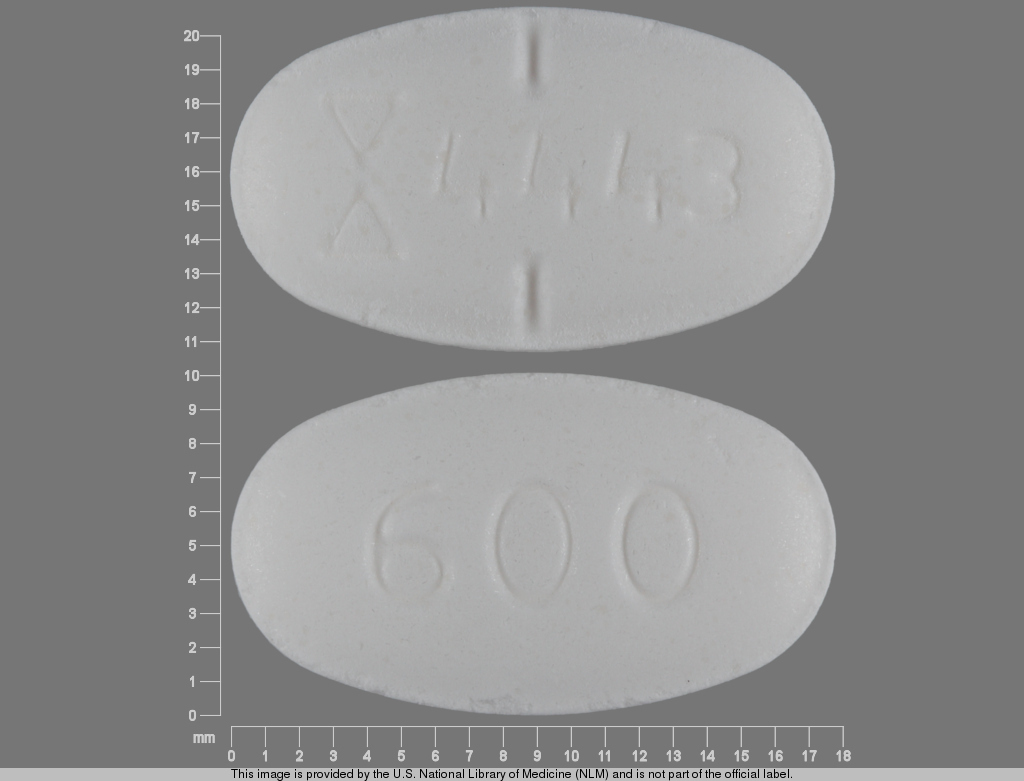
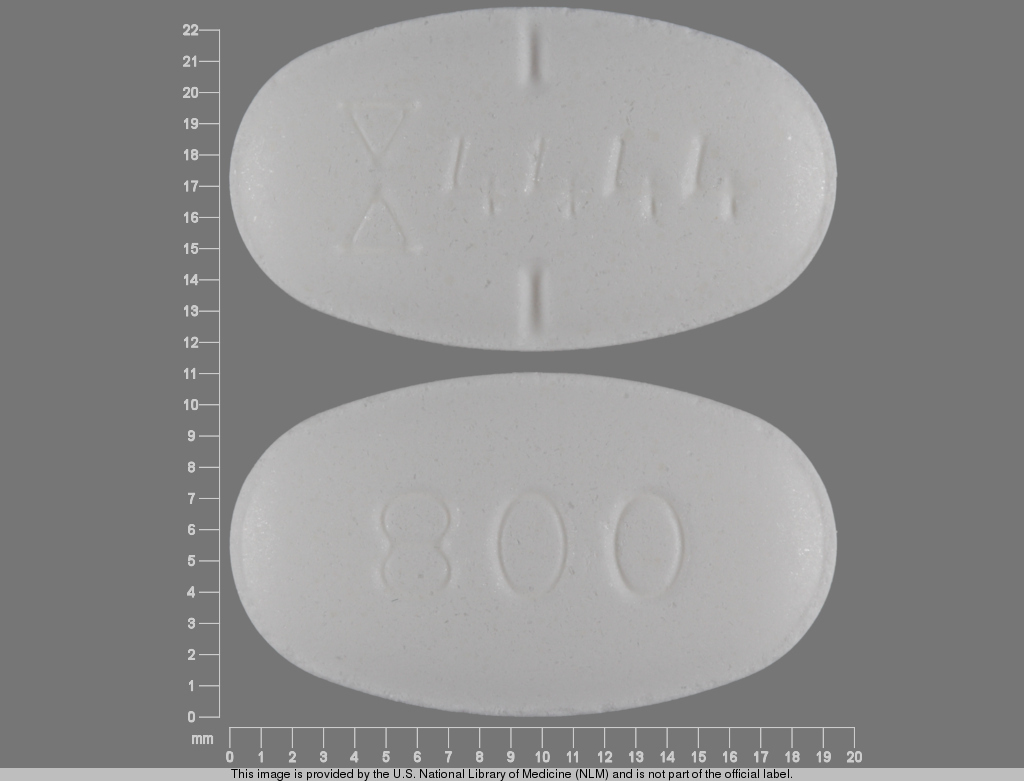
Gabapentin is available in several forms, and the form often determines how it is taken. Immediate-release products include capsules (most commonly in lower and mid-range strengths such as 100 mg, 300 mg and 400 mg), film-coated tablets (commonly 600 mg and 800 mg, and in some products 100 mg, 300 mg or 400 mg), and an oral solution at a concentration of 250 mg per 5 mL. The 600 mg and 800 mg tablets are typically scored, so that they can be divided. A separate extended-release tablet (Gralise) comes in 300 mg and 600 mg strengths and is intended for postherpetic neuralgia only. The tablets, capsules and liquid are all swallowed by mouth and can be taken with or without food, whereas the once-daily extended-release tablet is intended to be taken with the evening meal and swallowed whole.
General pattern of use. Gabapentin is almost never started at the full target dose. The labeling describes a gradual increase over the first days of treatment, beginning with a single modest dose, moving to twice-daily dosing, and then to three-times-daily dosing for postherpetic neuralgia. The prescriber may then raise the dose further depending on pain relief and tolerability. Clinical studies for this condition showed benefit across a wide range of daily amounts, but they did not demonstrate added benefit from the very highest amounts compared with the middle of the range, so more is not necessarily better.
For partial seizures in people 12 and older, treatment generally begins at a modest dose given three times daily, and the maintenance dose usually falls within a range that the prescriber selects based on seizure control and side effects. Higher daily totals have been used in studies and were reported to be tolerated, but the choice of dose is individual. The label advises that the interval between doses should not be longer than about 12 hours, because a long gap can leave the person without enough drug in the body and may allow seizures to break through.
For children aged 3 to 11 years, dosing is calculated by body weight rather than by a fixed amount, and is divided into three doses a day. The recommended maintenance range differs slightly between children aged 3 to 4 and those aged 5 to 11, and it is reached by step-wise increases over a few days. Pharmacists often prepare or dispense the oral solution when a child cannot swallow capsules or tablets.
Practical points from the product labeling.
- Gabapentin is swallowed with water. Capsules should be swallowed whole rather than opened, unless a pharmacist or prescriber has said otherwise.
- When a scored 600 mg or 800 mg tablet is split, the labeling notes that the unused half should be used as the next dose, and that half-tablets not used within 28 days of splitting should be discarded.
- If a dose is missed, the usual approach described in patient information is to take it when remembered unless the next dose is close, and not to double up. A pharmacist can give specific guidance for a particular schedule.
- When the dose is lowered, stopped or replaced with another medicine, the labeling calls for doing so gradually over at least a week, and sometimes longer at the prescriber's discretion. See the Warnings section for why.
- The three-times-daily schedule is typically spaced through the day, and some people find it helpful to link doses to daily routines. Because drowsiness is a common effect, bedtime doses are often the largest in people who are bothered by sleepiness during the day, but any such adjustment should be made by the prescriber.
Kidney function and dose. Because gabapentin is eliminated by the kidneys, the total daily amount is tied to creatinine clearance, an estimate of how well the kidneys filter blood. The labeling provides a table in which the daily range and the number of doses per day both shrink as kidney function declines: people with normal function typically take it three times a day, those with moderately reduced function two times a day, and those with more severely reduced function once a day, at progressively lower totals. People on hemodialysis receive maintenance doses based on their estimated clearance, plus a supplemental dose after each dialysis session of about four hours. These adjustments are made by prescribers and pharmacists and are one of the main reasons a kidney check matters when gabapentin is prescribed.
Switching products. Gabapentin extended-release tablets and gabapentin enacarbil are not interchangeable with immediate-release gabapentin on a milligram-for-milligram basis. A pharmacist should be consulted before anyone moves between products or manufacturers, particularly if tablets or capsules look different from what they received before.
Identifying gabapentin pills
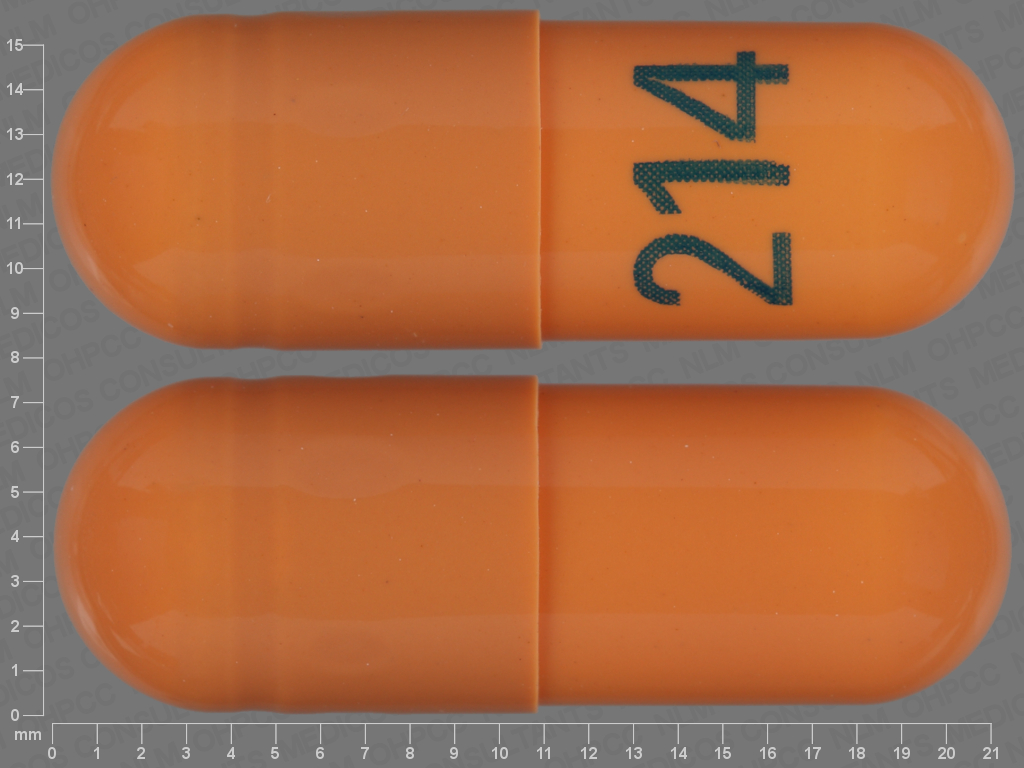
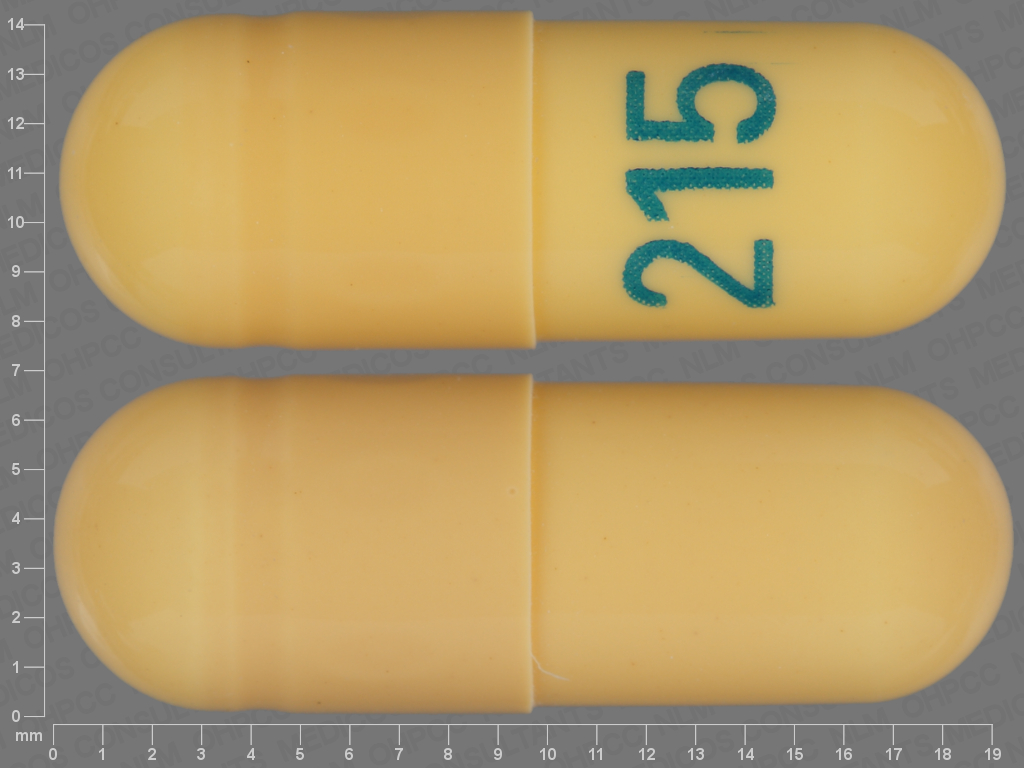
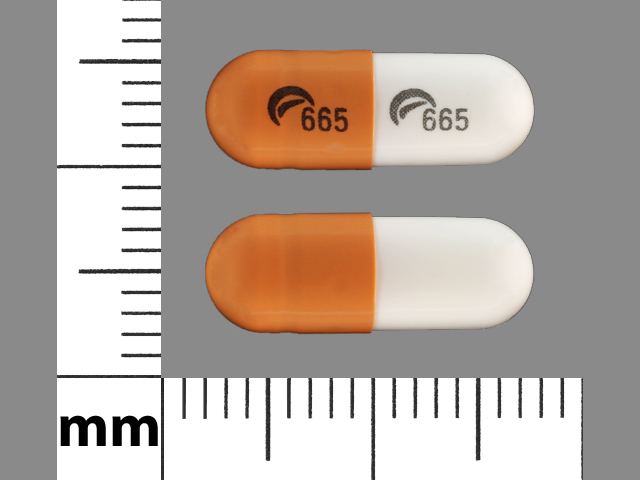
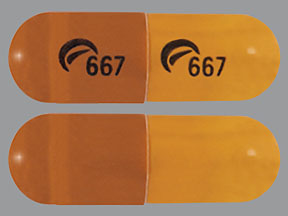
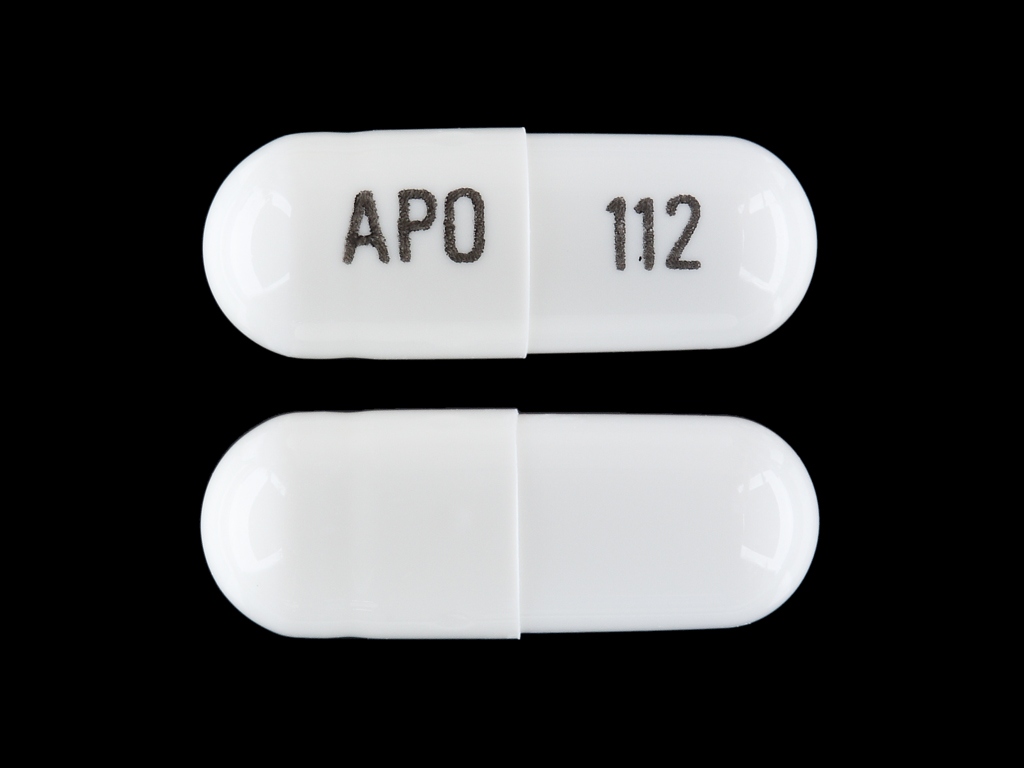
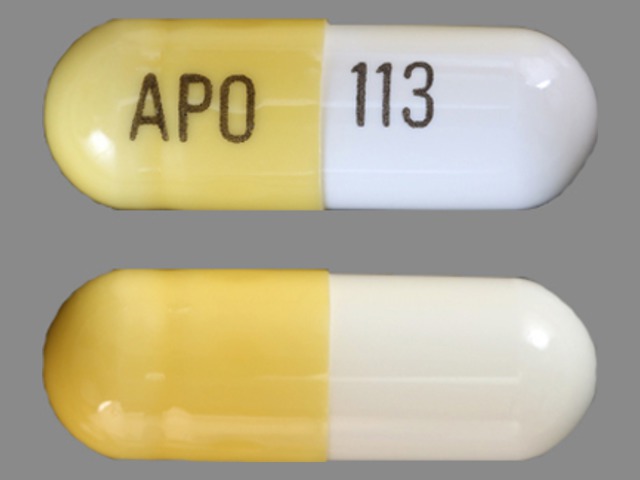
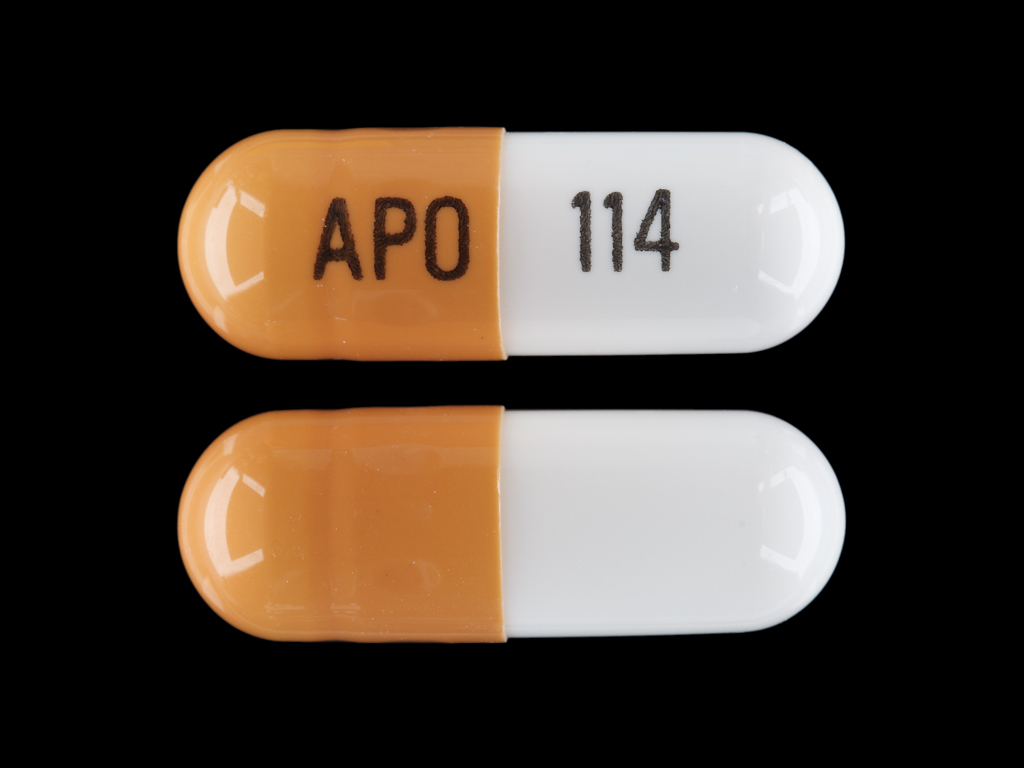
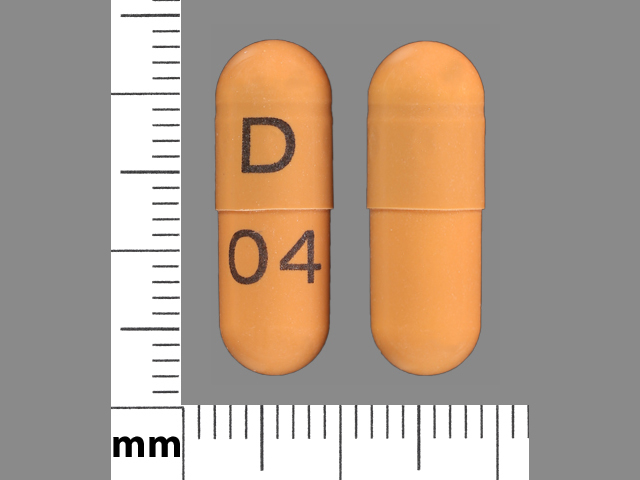
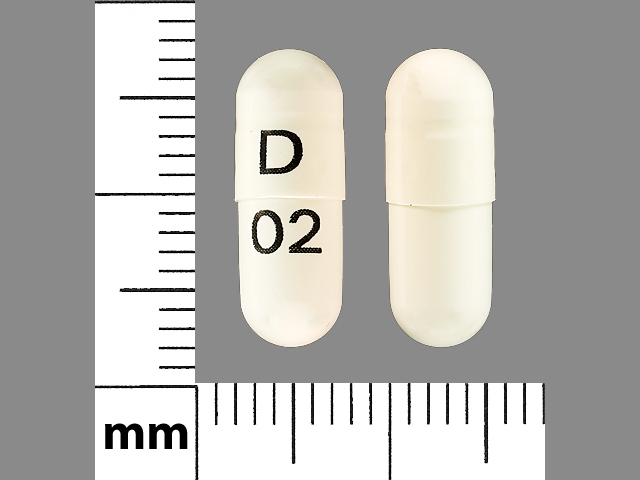
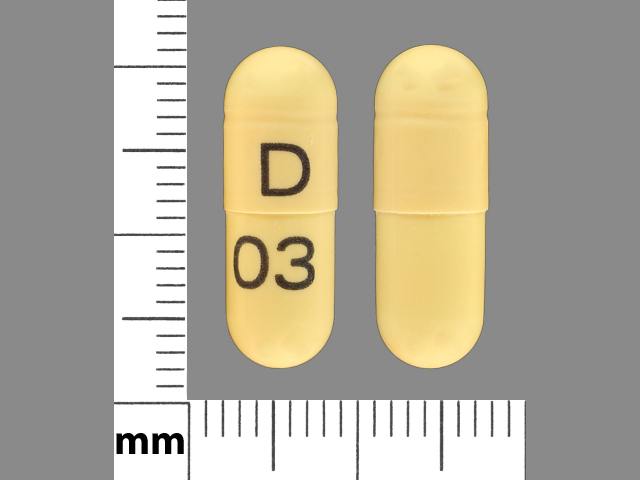
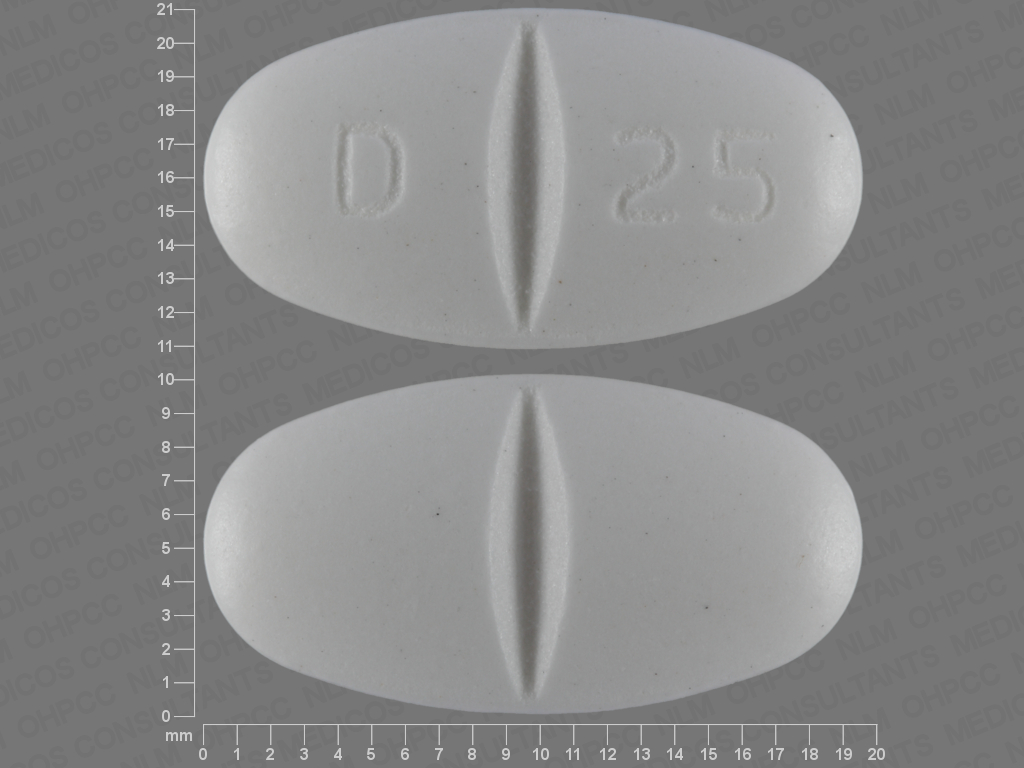
Gabapentin is one of the most heavily manufactured generic medicines, and the pill database associated with this drug contains hundreds of different products. There is therefore no single "gabapentin pill" appearance. Capsules are often two-toned, in colors such as white, yellow, orange or tan, with the strength and manufacturer code printed on the shell. Tablets are usually white or off-white, oval or capsule-shaped, and film-coated, with a code debossed on one or both sides and, for the larger strengths, a score line. The most reliable way to confirm what a pill is, is to use the imprint code together with the shape, color and strength, and to check the label on the pharmacy container. If a pill does not match the description of what was prescribed, a pharmacist can confirm it quickly.
Warnings
Gabapentin is generally well tolerated, but several risks are described in its labeling and deserve to be understood by anyone using it or caring for someone who does.
Suicidal thoughts and behavior. Antiepileptic drugs as a group, including gabapentin, have been associated with a small increase in the risk of suicidal thoughts or behavior. In pooled analyses of placebo-controlled trials, roughly 1 in 500 people treated with an antiepileptic drug had such an event, about double the rate seen with placebo. The risk appeared as early as one week after starting and continued through the period studied. Because the absolute risk is low but real, people who take gabapentin and their families are encouraged to watch for new or worsening depression, unusual changes in mood or behavior, or thoughts of self-harm, and to contact a healthcare provider promptly if these appear. Untreated epilepsy and chronic pain are themselves associated with depression, which is part of why this issue needs careful attention rather than alarm.
Withdrawal and sudden discontinuation. Stopping gabapentin abruptly can cause problems. In people with epilepsy, sudden withdrawal of an antiepileptic drug can precipitate seizures, including prolonged seizures (status epilepticus). Even in people who take gabapentin for pain, abrupt discontinuation after sustained use may cause symptoms such as anxiety, insomnia, nausea, sweating and pain. For this reason the labeling recommends reducing the dose, stopping, or switching to another medicine gradually over a minimum of one week, with a longer period if the prescriber considers it necessary.
Respiratory depression. Gabapentin can slow breathing, particularly when it is combined with opioids or other drugs that depress the central nervous system, and in people whose breathing is already compromised, such as those with chronic obstructive pulmonary disease or other lung conditions, as well as older adults. Fatal respiratory depression has been reported, both with gabapentin alone in overdose and in combination with other sedating drugs. See the Drug interactions section for more detail.
Drowsiness, dizziness and impaired coordination. Gabapentin commonly causes sleepiness, dizziness and unsteadiness, especially at the start of treatment and after dose increases. This can affect driving, operating machinery and walking safely, and increases the risk of falls. Many people find these effects diminish after the first few weeks, but until it is clear how the drug affects an individual, activities that require alertness deserve caution. Alcohol can intensify these effects.
Serious allergic and multi-organ reactions. Rarely, gabapentin has been associated with Drug Reaction with Eosinophilia and Systemic Symptoms (DRESS), also called multiorgan hypersensitivity. It typically presents with fever, rash and swollen lymph nodes, and may involve the liver, kidneys, blood or other organs. Symptoms may be subtle at first, and the rash is not always present. Angioedema (swelling of the face, lips, tongue or throat) and other allergic reactions have also been reported. Fever, rash, swelling or any difficulty breathing or swallowing should prompt urgent medical attention.
Neuropsychiatric effects in children. In children aged 3 to 12 years, gabapentin has been associated with behavioral and emotional changes. In clinical trials these included emotional lability (such as sudden mood swings, about 6% of treated children), hostility (about 5.2%), hyperkinesia, meaning restlessness and overactivity (about 4.7%), and thought disorder, such as difficulty concentrating or a change in school performance (about 1.7%). Caregivers should report such changes to the child's prescriber.
Misuse and dependence. Gabapentin is not a federally controlled substance in the United States, but some states classify it as a Schedule V drug or require it to be reported to prescription monitoring programs. Reports of misuse have increased, especially among people who also use opioids or have a history of substance use disorders, because gabapentin can produce feelings of calm or mild euphoria at high amounts. Misuse substantially raises the risk of breathing problems when combined with other sedatives.
Other cautions. Gabapentin may rarely cause muscle pain or breakdown, and unexplained muscle pain, tenderness or weakness, particularly with fever or malaise, should be reported. It can also cause myoclonus (brief muscle jerks) in some individuals, and some people experience blurred or double vision. Animal studies in rats at high exposures showed an increase in a type of pancreatic tumor, the significance of which for humans is unknown. Gabapentin is not known to cause liver damage in the way some other antiepileptic drugs do.
Contraindications
The only contraindication listed in the labeling for gabapentin is a known hypersensitivity (allergy) to gabapentin or any of the ingredients in the product. Because the inactive ingredients differ between capsules, tablets and oral solutions, and between manufacturers, anyone with a known allergy to a specific dye, preservative, sweetener or other excipient should ask the pharmacist to review the ingredient list of the product being dispensed. Having certain conditions, such as kidney disease, a history of depression or lung disease, does not strictly prohibit gabapentin use but calls for extra attention to dosing and monitoring.
Side effects
Most side effects of gabapentin relate to its effects on the nervous system and tend to be dose-related. The frequencies below come from the clinical trials in the product labeling and are reported for the treatment groups, so they do not predict what any individual will experience.
In adults with postherpetic neuralgia, the most common side effects were dizziness (about 28%), somnolence or sleepiness (about 21%), peripheral edema, which is swelling of the legs, ankles or feet (about 8%), and diarrhea (about 6%). Other effects reported in this group include headache, ataxia (unsteady movement), dry mouth, infection and weight gain.
In people over 12 with epilepsy, the most frequent effects were somnolence (about 19%), dizziness (about 17%), ataxia (about 12.5%) and fatigue (about 11%). Others included nystagmus (involuntary, rhythmic eye movements), tremor, nausea and vomiting, blurred or double vision, and weight gain.
In children aged 3 to 12, in addition to the behavioral effects listed under Warnings, common side effects included viral infection, fever, nausea and vomiting, drowsiness and hostility.
Other effects commonly mentioned in patient information include dry mouth, constipation, difficulty with concentration or memory, mood changes, tremor, and swelling in the hands and feet. Weight gain may develop gradually in some people taking gabapentin for long periods, partly related to fluid retention and partly to increased appetite. Gabapentin can also have effects on sexual function in some people, including reduced desire or difficulty with orgasm, although these are less well quantified than the neurological effects.
Effects that need prompt medical attention include:
- Fever, rash, swollen glands or other signs of a widespread allergic reaction;
- Swelling of the face, lips, tongue or throat, or difficulty breathing;
- Slow, shallow or labored breathing, extreme sleepiness, or inability to be woken;
- New or worsening depression, agitation, panic, aggression, or thoughts of suicide or self-harm;
- An increase in seizures, or seizures in someone who did not have them before;
- Unexplained muscle pain, tenderness or weakness, especially with dark urine.
Many of the milder effects improve as the body adjusts, and the slow dose increase used at the start of treatment is intended to make that adjustment easier. Anyone bothered by side effects should talk with their prescriber rather than changing or stopping the medicine themselves, particularly because of the withdrawal risks described above.
Drug interactions
Gabapentin has few of the pharmacokinetic interactions that are common among other antiepileptic drugs, because it is not metabolized by liver enzymes and does not bind significantly to plasma proteins. The interactions that matter most are therefore additive effects on the nervous system and a small number of specific pharmacokinetic ones.
Opioids. Respiratory depression and sedation, sometimes resulting in death, have been reported when gabapentin is used together with opioids such as morphine, hydrocodone, oxycodone and buprenorphine. The combination is sometimes prescribed deliberately, but it calls for the lowest effective doses and close observation, especially in older adults and in people with lung disease. Two interactions are described in the labeling in more detail:
- Morphine. Taking morphine shortly before gabapentin has been found to raise gabapentin concentrations, so when the two are used together, patients should be observed for signs of central nervous system depression such as somnolence, sedation and slowed breathing, and a dose adjustment may be needed.
- Hydrocodone. Gabapentin lowers the body's exposure to hydrocodone. This means that starting or stopping gabapentin in a person who takes hydrocodone can change how well hydrocodone works, and prescribers are advised to consider this possibility.
Alcohol and other sedating substances. Alcohol, benzodiazepines such as lorazepam and diazepam, sleep medicines such as zolpidem, barbiturates, sedating antihistamines, muscle relaxants such as cyclobenzaprine, and some antidepressants and antipsychotics can add to the drowsiness, dizziness and breathing effects of gabapentin. Using several of these together, or using gabapentin with cannabis products, increases the risk of excessive sedation and falls.
Antacids containing aluminum and magnesium. Taking gabapentin with an antacid such as Maalox (aluminum hydroxide and magnesium hydroxide) reduced the average amount of gabapentin absorbed by about 20%. The labeling recommends taking gabapentin at least 2 hours after such an antacid.
Other antiepileptic drugs. Gabapentin is not appreciably metabolized and does not interfere with the metabolism of commonly used antiepileptic drugs such as phenytoin, carbamazepine, valproate and phenobarbital, and their levels generally do not change enough to need adjustment when gabapentin is added. This is one reason it is a popular add-on choice. Combining it with pregabalin, however, is usually avoided because the two work in the same way and the effects would be additive.
Other medications reported to affect gabapentin levels. Cimetidine can slightly reduce the kidney clearance of gabapentin, and naproxen has been reported to increase its absorption, although these changes are generally not considered clinically significant. Any medicine that reduces kidney function, including some anti-inflammatory drugs and certain antibiotics, could indirectly increase gabapentin levels, which is something a pharmacist may consider when reviewing a medication list.
Laboratory test interference. There are reports of false-positive results on the Ames N-Multistix SG dipstick test for urinary protein in people who were taking gabapentin along with other antiepileptic drugs. A more specific method, the sulfosalicylic acid precipitation test, is recommended when the presence of protein in the urine needs to be confirmed.
Because many over-the-counter products, such as cold medicines, sleep aids and antacids, can interact, it is useful to give a pharmacist a complete list of everything being used, including supplements and herbal products.
Overdose
Gabapentin overdose has been reported, and symptoms can include double vision, tremor, slurred speech, drowsiness, altered mental status, dizziness, lethargy and diarrhea. In animal studies, signs of acute toxicity included unsteady movement, labored breathing, drooping eyelids, sedation, reduced activity and, in some cases, excitation. Fatal respiratory depression has been reported with gabapentin overdose, both on its own and combined with other central nervous system depressants such as opioids or alcohol. Gabapentin can be removed from the blood by hemodialysis, which may be used in severe cases, particularly in people with poor kidney function in whom the drug accumulates. Anyone who may have taken too much gabapentin, or who has taken it with other sedating substances and is very drowsy or breathing slowly, should receive emergency care. In the United States, poison control can be reached at 1-800-222-1222.
Pregnancy & breastfeeding
Information on gabapentin in pregnancy is more limited than for some older antiepileptic drugs. Animal studies at high doses showed effects on the developing fetus, such as delayed bone formation and, at some exposures, other developmental effects, but results from human studies have been less consistent. Pregnancy registries and observational studies have not clearly shown a large increase in major birth defects with gabapentin, though the data are not extensive and cannot rule out smaller risks. Some research has suggested possible links with lower birth weight or preterm birth, and some studies have raised questions about use alongside opioids in pregnancy. Gabapentin crosses the placenta.
Women with epilepsy face a particular dilemma, because uncontrolled seizures during pregnancy pose risks to both mother and baby, and stopping an antiepileptic drug suddenly can be dangerous. For this reason, decisions about gabapentin in pregnancy are made individually, ideally before conception, weighing the benefits for the mother's condition against possible risks. Pregnant women or those planning a pregnancy should not change their medicine on their own. The labeling also notes the existence of a North American Antiepileptic Drug Pregnancy Registry, which collects information on women who take antiepileptic drugs during pregnancy.
Gabapentin passes into breast milk. The amounts received by a nursing infant are generally small relative to the mother's dose, and breastfed infants have usually not shown obvious problems, but drowsiness, poor feeding or poor weight gain in the infant are things a clinician may want to monitor. Whether to breastfeed during treatment is a decision to review with a doctor or pharmacist, especially for newborns, premature infants and infants who have reduced kidney function.
Pediatric use
Gabapentin is approved as add-on therapy for partial seizures in children aged 3 years and older. For postherpetic neuralgia, which affects mainly older adults, it has not been established for children. Its other uses in children, such as for neuropathic pain, are off-label and based on more limited evidence.
In children aged 3 to 11, doses are calculated according to body weight and divided into three doses per day. Younger children (3 to 4 years) are given a higher per-kilogram amount than older ones (5 to 11 years) because they clear the drug more quickly. As noted under Warnings and Side effects, behavioral changes such as emotional lability, hostility, restlessness and difficulty concentrating have been seen in this age group, along with viral infections, fever and drowsiness. These reactions are generally mild to moderate, but caregivers are encouraged to tell the prescriber if a child's behavior or school performance changes after the medicine is started. The use of gabapentin in children younger than 12 with reduced kidney function has not been studied. The oral solution is often used in children who cannot swallow capsules or tablets, and a pharmacist can explain how to measure it with an oral syringe rather than a household spoon.
Older-adult use
Older adults are among the most frequent users of gabapentin, largely because postherpetic neuralgia and diabetic neuropathy become more common with age. They also have special considerations. Kidney function declines naturally with age, often without symptoms, and since gabapentin is cleared almost entirely by the kidneys, the same dose can lead to higher blood levels in an older person than in a younger one. The labeling advises care in dose selection and adjustment based on creatinine clearance values.
Older adults are also more prone to the central nervous system effects of gabapentin, including dizziness, drowsiness, confusion and unsteady walking, which raise the risk of falls and fractures. Combined use with other sedating drugs, a common situation in people taking multiple medicines, increases these risks and the risk of respiratory depression. Swelling of the legs and ankles may be more of a concern in people who already have heart failure or fluid retention. For these reasons, many clinicians start older adults at a low dose, increase it slowly, and review the full medication list periodically. Gabapentin is included in some lists of medicines to use cautiously in older people, particularly in combination with opioids or benzodiazepines.
Kidney & liver impairment
Kidney impairment. Kidney function is the single most important factor in determining a suitable gabapentin dose. Because the drug is excreted unchanged in the urine, reduced kidney function leads to slower elimination, a longer half-life and accumulation of the drug, which can cause excess sedation, confusion, myoclonus and other toxic effects. The product labeling provides dosing tables for people aged 12 and older that scale the total daily amount and the number of daily doses to creatinine clearance, with the lowest amounts and once-daily dosing used in severe impairment. For clearance below 15 mL/min, the daily dose is reduced in proportion to the clearance. People who receive hemodialysis take maintenance doses based on their clearance plus a supplemental dose after each dialysis session, because dialysis removes gabapentin from the blood. Creatinine clearance can be difficult to measure in outpatients, so it is often estimated with a formula such as the Cockcroft-Gault equation. Use in children younger than 12 with kidney impairment has not been studied.
Liver impairment. Since gabapentin is not metabolized in the liver, liver disease would not be expected to change its blood levels in a significant way, and no specific dose adjustment is described for hepatic impairment. Gabapentin has not been shown to be a common cause of liver injury, although liver problems can occur as part of a wider hypersensitivity reaction such as DRESS. People with advanced liver disease may still be more sensitive to sedation and confusion, and kidney function is often reduced in advanced liver disease, so a prescriber will usually check both.
Storage and handling
Gabapentin capsules and tablets are generally stored at room temperature, away from excess heat and moisture, and out of the reach of children and pets. The oral solution is typically kept at room temperature or in the refrigerator according to the manufacturer's directions, so the pharmacy label should be checked. Because misuse of gabapentin has been reported, it is sensible to store it securely and to dispose of leftover medicine through a pharmacy take-back program or according to local guidance rather than sharing it with others. Further consumer-oriented background on this medicine is available from MedlinePlus Drug Information, and general information on approved medicines and safety communications can be found at the FDA.