Overview
Amlodipine is a prescription medication in the calcium channel blocker family, specifically the dihydropyridine subgroup. It is among the most widely prescribed blood pressure medicines in the world and has been in clinical use since the early 1990s. It is approved to treat high blood pressure (hypertension) and two forms of chest pain linked to reduced blood flow to the heart: chronic stable angina and vasospastic angina, also called Prinzmetal's or variant angina. It is also approved for people with documented coronary artery disease whose heart function is otherwise preserved.
Because amlodipine has been available for so long, many manufacturers make it, and the pill-identification database for this drug is large. Amlodipine is commonly sold under the brand name Norvasc, and newer liquid forms are marketed as Katerzia (an oral suspension) and Norliqva (an oral solution). It is also an ingredient in several fixed-dose combination products, including Lotrel (with benazepril), Caduet (with atorvastatin), Azor (with olmesartan), Exforge and Exforge HCT (with valsartan, and with valsartan plus hydrochlorothiazide), Twynsta (with telmisartan), and Tekamlo (with aliskiren). This page focuses mainly on amlodipine on its own, with notes where the combination products differ.
Drug class and how amlodipine works
Muscle cells in the walls of blood vessels, and in the heart itself, need calcium to enter the cell before they can contract. That calcium moves through specialized openings called L-type calcium channels. Amlodipine binds to these channels and reduces the amount of calcium that flows in. In the arteries, the result is that smooth muscle relaxes, the vessels widen, and the resistance the heart pumps against (often called afterload) falls. Lower resistance means lower blood pressure.
Amlodipine is described as vascular-selective. At ordinary doses its effects fall mainly on the blood vessels rather than on the heart muscle's contractility or the heart's electrical conduction. This sets it apart from non-dihydropyridine calcium channel blockers such as verapamil and diltiazem, which act more directly on the heart's rate and rhythm. Because of this selectivity, amlodipine usually does not slow the heart rate noticeably, and it is more likely to cause vessel-related effects such as ankle swelling and flushing than to cause slow heart rhythms.
In angina, amlodipine helps in two ways. Widening the peripheral arteries lowers the workload on the heart, so the heart muscle needs less oxygen. It also relaxes and dilates the coronary arteries, which supply the heart muscle, and this helps in vasospastic angina, where those arteries tighten abnormally. Amlodipine is not a rescue medicine. It works gradually and is taken on a schedule, so it is not used to stop an angina attack that is already under way.
Pharmacology in brief
Amlodipine is taken by mouth and absorbed slowly. Blood levels typically peak several hours after a dose, and absorption is not meaningfully changed by food. This is one reason it can be taken at any time of day, with or without meals. Roughly 93 percent of the drug in the bloodstream is bound to proteins, and the liver converts most of it into inactive metabolites, partly through the CYP3A enzyme system. Those metabolites leave mostly in the urine.
The defining feature of amlodipine is its long elimination half-life, generally in the range of 30 to 50 hours in healthy adults and longer in people with liver impairment (published labeling cites about 56 hours in hepatic insufficiency). Steady blood levels build up over about a week of regular dosing. The long half-life explains why one daily dose gives smooth, around-the-clock blood pressure control, and why a single missed dose tends to have a gentler effect than it would with shorter-acting blood pressure medicines. It also explains why side effects, if they occur, may take time to fade after the drug is stopped or the dose is changed.
Uses
Amlodipine is used for several related conditions, either alone or alongside other medicines.
High blood pressure. Lowering blood pressure reduces the long-term risk of cardiovascular events, mainly strokes and heart attacks. Amlodipine is often chosen as a first-line or add-on agent. Large clinical trials have supported its use, including in people of Black ethnicity, in older adults, and in people with diabetes. It is frequently combined with an ACE inhibitor such as benazepril or lisinopril, an angiotensin receptor blocker such as valsartan, olmesartan, telmisartan, or losartan, or a thiazide-type diuretic such as hydrochlorothiazide, because drugs with different mechanisms often lower blood pressure more effectively together.
Chronic stable angina and vasospastic angina. Amlodipine can reduce the frequency of chest pain episodes and improve the ability to exercise before symptoms appear.
Coronary artery disease. In people with angiographically documented coronary artery disease and without heart failure or an ejection fraction below 40 percent, amlodipine is used to reduce the risk of hospitalization for angina and the need for certain coronary revascularization procedures.
The fixed-dose combination with atorvastatin (Caduet) is aimed at people who need both blood pressure or angina treatment and cholesterol lowering. Amlodipine combined with celecoxib (Consensi) is a less common product intended for people who have both hypertension and osteoarthritis.
Amlodipine does not address the underlying causes of high blood pressure or coronary disease. It controls blood pressure and symptoms while it is being taken, and long-term management usually also involves diet, physical activity, and regular monitoring. For plain-language background from a consumer health authority, the MedlinePlus Drug Information pages provide an overview of how this class of medicine is used.
Dosage & administration
Amlodipine is available in several forms. The most familiar is the oral tablet, made in strengths of 2.5 mg, 5 mg, and 10 mg of amlodipine (expressed as amlodipine besylate). Some listings also include a capsule form, and liquid products are available for people who cannot swallow tablets: Katerzia is an oral suspension and Norliqva is an oral solution, both at a concentration of 1 mg per mL. Combination products have their own strength pairings, such as amlodipine with benazepril in capsules, amlodipine with atorvastatin in film-coated tablets, and three-drug tablets with valsartan and hydrochlorothiazide. The liquid and tablet products are not always interchangeable milligram for milligram in every circumstance, so a pharmacist should be asked about any switch between forms.
Amlodipine is typically taken once a day, at about the same time each day, swallowed with water. It can be taken with or without food. Tablets are generally swallowed whole, while the liquid forms are measured with the dosing device supplied with the product rather than a kitchen spoon, because household spoons vary considerably in volume. Liquid suspensions generally need to be shaken before use, and the product labeling provides specific storage directions.
Prescribers usually begin treatment at a modest dose and adjust gradually. According to product labeling, the usual adult starting point for high blood pressure is the middle tablet strength, with the highest tablet strength as the ceiling for daily use. Smaller, frailer, or older people, and those with liver problems, are often started on the lowest strength. The same low starting level may be used when amlodipine is added to an existing blood pressure regimen. Labeling suggests allowing roughly one to two weeks between dose changes in most cases, because the drug takes time to reach its full effect, although the schedule can be faster when a clinician is monitoring closely. For angina and coronary artery disease, the dose range is similar, and many people with angina end up needing the higher end for adequate effect.
In children aged 6 and older with high blood pressure, labeling describes a low daily dose range, and amounts above that range have not been studied in this age group. Pediatric dosing should only be decided by a prescriber.
If a dose is missed, the usual general guidance is to take it when remembered unless it is almost time for the next one, and not to double up. Because of the drug's long half-life, an occasional missed dose is unlikely to cause a sudden change in blood pressure, but regular daily use is what gives consistent control. Anyone with questions about their own schedule or about stopping amlodipine should speak with their prescriber or pharmacist. High blood pressure often causes no symptoms, so feeling well is not a reliable sign that treatment is no longer needed.
Identifying amlodipine tablets
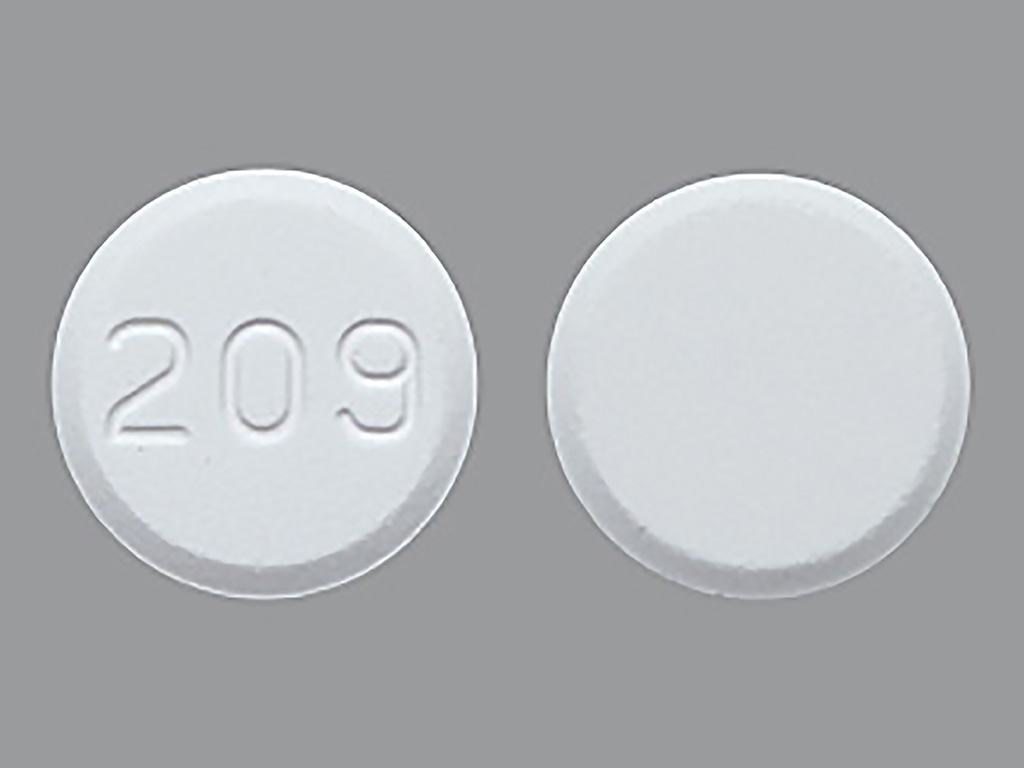
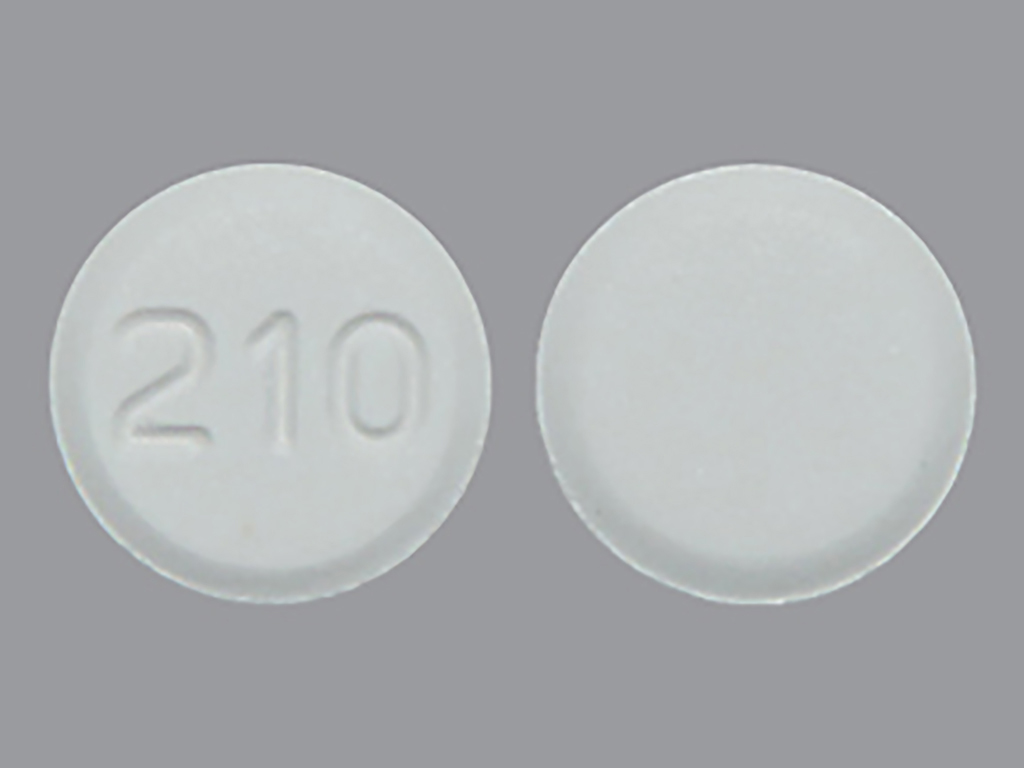
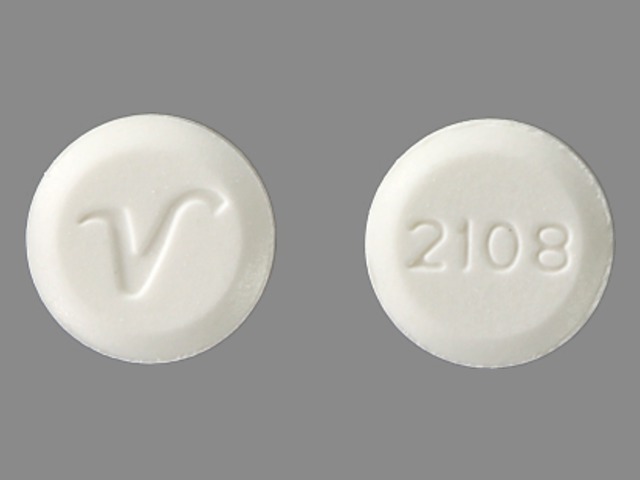
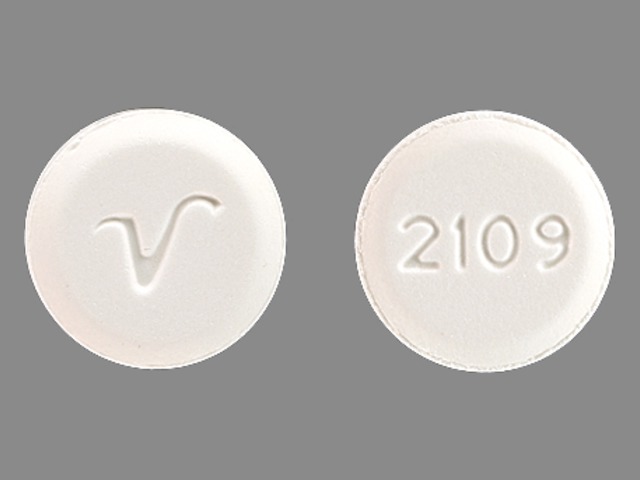
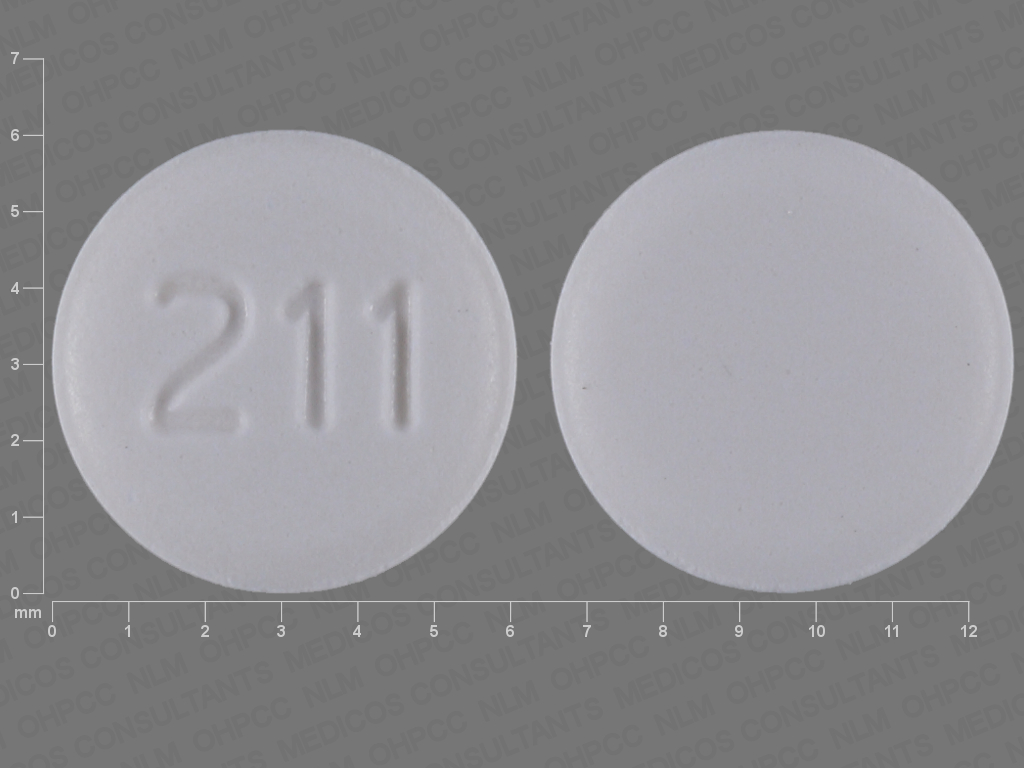
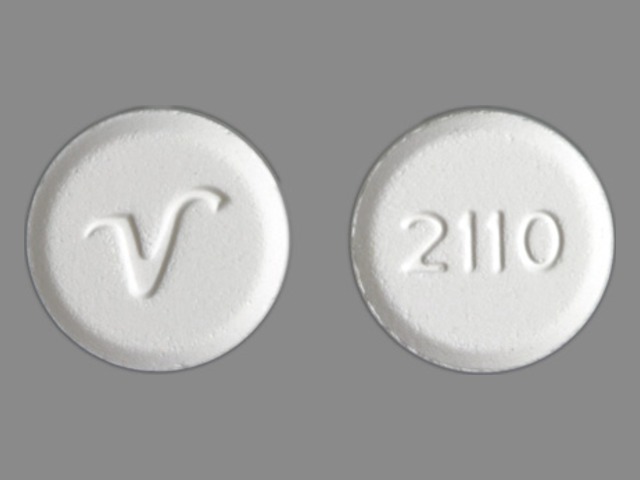
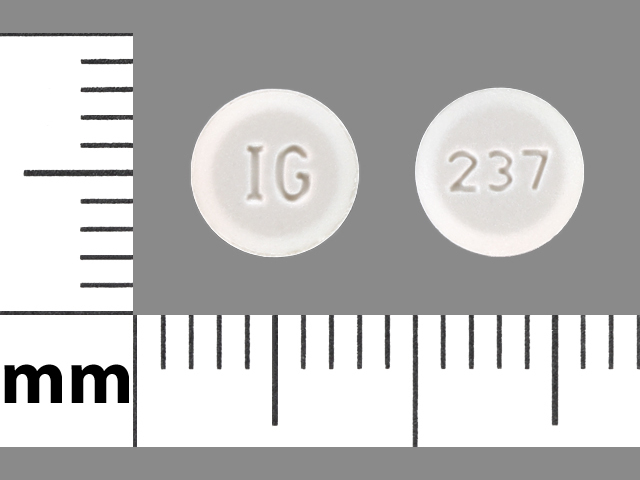
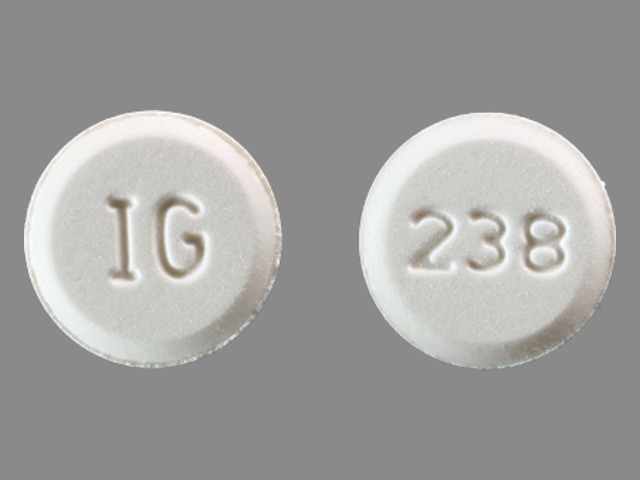
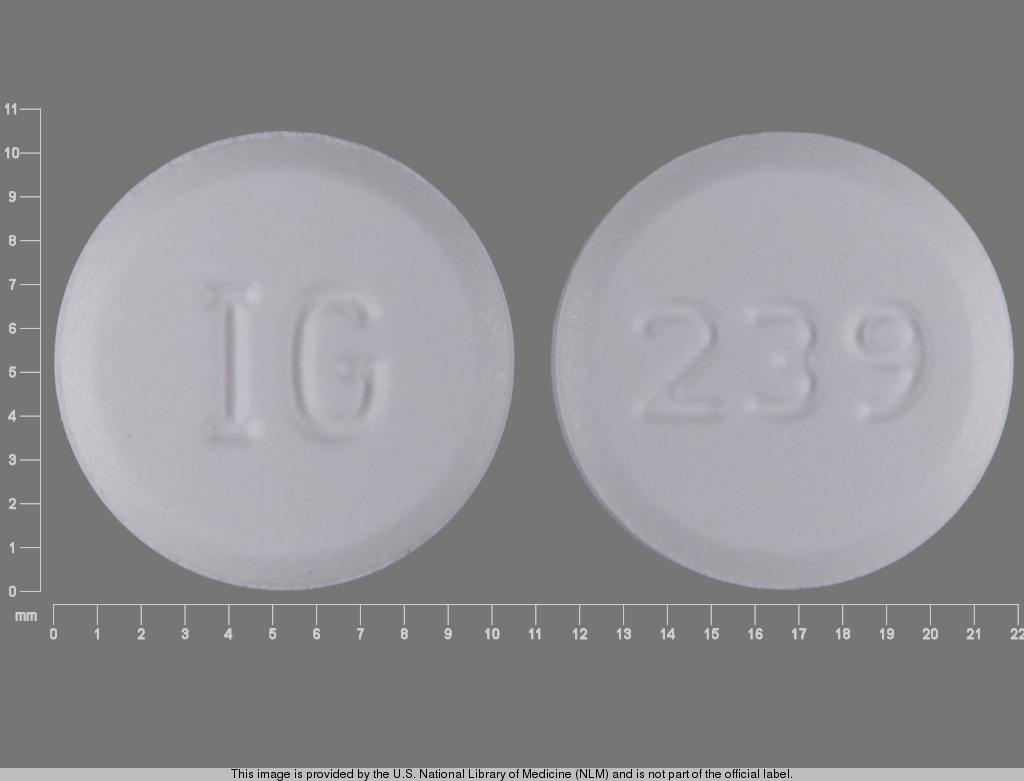
Many manufacturers produce amlodipine, so the tablets vary in appearance. Most are white or off-white, and many are round, though octagonal, diamond, oval, and other shapes exist. Colors can differ as well, since some manufacturers use dyes to separate strengths. The tablet usually carries an imprint code, which may include letters, numbers, a manufacturer logo, or the strength. Two tablets that look similar can contain different drugs or different strengths, so appearance alone is not a dependable way to confirm a medicine. A pharmacist can verify a tablet using its imprint, shape, and color, and the original pharmacy label or the manufacturer's name on the bottle is the best reference.
The combination products look different from plain amlodipine. For instance, amlodipine with benazepril is supplied as capsules, while amlodipine with atorvastatin and amlodipine with valsartan and hydrochlorothiazide are film-coated tablets in a variety of colors.
Warnings
Low blood pressure. Amlodipine lowers blood pressure, and in some people it can drop too far, leading to lightheadedness, dizziness, or fainting. This is more likely at the start of treatment, after a dose increase, or when other blood pressure-lowering medicines are added. The risk is greater in people with severe aortic stenosis, a narrowing of the heart's outflow valve, where excessive vessel dilation can be harder for the body to compensate for. Rising slowly from sitting or lying down can reduce dizziness, and anyone who feels faint should speak with a clinician.
Worsening angina or heart attack after starting or increasing the dose. Rarely, people with severe obstructive coronary artery disease have developed increased frequency, duration, or severity of angina, or even an acute heart attack, soon after beginning a calcium channel blocker or raising the dose. The mechanism is not fully understood. New or worsening chest pain after a medication change is a reason for prompt medical attention.
Liver disease. Because amlodipine is broken down by the liver, people with hepatic impairment clear it more slowly. Treatment is typically started at a lower dose and increased more gradually in this group. Rare cases of liver enzyme elevation and jaundice have been reported with amlodipine, and yellowing of the skin or eyes, dark urine, or persistent nausea warrants medical attention.
Heart failure. Amlodipine has been studied in people with heart failure and has not been shown to increase the risk of death or heart failure complications in those with severe left ventricular dysfunction. Even so, it can worsen swelling, and heart failure is a setting where clinicians use particular care when choosing a blood pressure medicine.
Swelling, gum changes, and skin reactions. Peripheral edema is the most common reason people stop amlodipine. Gum overgrowth (gingival hyperplasia) is a recognized effect of calcium channel blockers, so good dental hygiene and regular dental checkups are relevant. Rare allergic reactions, including rash, hives, or swelling of the face, lips, or throat, require urgent attention.
Combination products. When amlodipine is paired with other drugs, the warnings of those ingredients also apply. Products that include an ACE inhibitor (benazepril), an angiotensin receptor blocker (valsartan, olmesartan, telmisartan), or aliskiren can affect the kidneys, raise potassium, and carry warnings about use in pregnancy, as discussed below. The atorvastatin combination adds statin-related considerations such as muscle symptoms and liver monitoring. Products with hydrochlorothiazide can alter sodium, potassium, and uric acid levels.
Contraindications
The main contraindication for amlodipine itself is a known hypersensitivity to amlodipine or to any of the components of the formulation. Anyone who has previously had an allergic reaction to it should make sure this is recorded in their medical and pharmacy records.
Combination products have additional contraindications tied to their other ingredients. For example, ACE inhibitor combinations are not used in people with a history of angioedema related to previous ACE inhibitor treatment, and products containing aliskiren are not combined with ACE inhibitors or angiotensin receptor blockers in people with diabetes. Products containing hydrochlorothiazide are not used in people unable to produce urine (anuria) or with sulfonamide-derived drug allergy. Statin-containing combinations are not used in active liver disease or during pregnancy. Pharmacists can review the complete list for any specific product.
Side effects
Most people tolerate amlodipine well, and many have no noticeable side effects. When effects occur, they usually relate to the widening of blood vessels.
Common effects. Edema, or swelling, usually of the ankles and feet, is the most frequent side effect, and it is dose-related: it occurs more often and more noticeably at the higher tablet strength. The swelling results from fluid leaking out of small vessels into the surrounding tissue, rather than from the kidneys or heart retaining fluid, and so it does not usually respond well to diuretics. Combining amlodipine with an ACE inhibitor or angiotensin receptor blocker tends to lessen the swelling, as these drugs also dilate the veins. Other frequently reported effects include dizziness, flushing (warmth and redness of the face), headache, and a sensation of a racing or pounding heart (palpitations). Fatigue, nausea, abdominal pain, and sleepiness have been reported in more than 1 percent of people in clinical trials.
Less common effects. These include muscle cramps, joint or back discomfort, constipation or diarrhea, rash, itching, sleep disturbance, mood changes, and changes in sexual function. Some people notice more frequent urination.
Rare but important effects. Gum overgrowth, liver enzyme elevations or hepatitis, angioedema, a significant fall in blood pressure causing fainting, and worsening of chest pain have been reported. Very rarely, people have developed a movement disorder with stiffness or tremor, and cases of a drop in blood cell counts have been described. Any sudden swelling of the face or throat, difficulty breathing, severe dizziness, fainting, chest pain, or yellowing of the skin or eyes calls for urgent medical care.
Side effects are often most obvious in the first weeks and may lessen as the body adjusts. A person who finds an effect bothersome should discuss it with a prescriber or pharmacist before making any change, as options such as adjusting the dose, switching to a different class, or adding another drug are available. Side effects can be reported to the FDA through its MedWatch program.
Drug interactions
Several kinds of interaction matter for amlodipine, either because other drugs change its levels or because amlodipine changes the levels of other drugs.
CYP3A inhibitors. Moderate and strong inhibitors of the CYP3A enzyme can raise amlodipine exposure, which may increase low blood pressure and swelling and may call for a dose reduction. Examples include diltiazem, verapamil, clarithromycin, erythromycin, itraconazole, ketoconazole, and the HIV protease inhibitor ritonavir. Grapefruit and grapefruit juice can also affect CYP3A, although the effect on amlodipine is generally modest.
CYP3A inducers. Drugs that speed up this enzyme, such as rifampin, carbamazepine, phenytoin, and the herbal supplement St. John's wort, may lower amlodipine levels. Exact quantitative effects have not been well defined, so blood pressure is typically monitored more closely when these are started or stopped.
Simvastatin. Amlodipine raises blood levels of simvastatin, which can increase the risk of muscle injury (myopathy and, rarely, rhabdomyolysis). Labeling limits simvastatin to a daily maximum of 20 mg in people taking amlodipine. Atorvastatin, which is the statin included in the Caduet combination, is not subject to the same limit.
Immunosuppressants. Amlodipine may increase blood levels of cyclosporine and tacrolimus. People taking these drugs, such as organ transplant recipients, usually have trough blood levels checked more often when amlodipine is started or changed, and the immunosuppressant dose may be adjusted.
Other blood pressure-lowering medicines. Amlodipine adds to the effect of ACE inhibitors, angiotensin receptor blockers, diuretics, beta-blockers such as metoprolol, and alpha-blockers. This is often intentional, but it can occasionally cause excessive drops in blood pressure. Medicines for erectile dysfunction or pulmonary hypertension, such as sildenafil and tadalafil, can also add to blood pressure lowering. Nitrates used for angina may combine with amlodipine in a similar way, though the two are often used together deliberately.
Other considerations. Certain over-the-counter products can work against blood pressure control. Nonsteroidal anti-inflammatory drugs such as ibuprofen and naproxen may blunt the effects of antihypertensives, and decongestants such as pseudoephedrine can raise blood pressure. Alcohol may add to dizziness. Anyone taking amlodipine should keep a current list of all prescriptions, nonprescription products, and supplements for their pharmacist to review.
Overdose
An overdose of amlodipine would be expected to cause excessive widening of the blood vessels, leading to marked low blood pressure and possibly a reflex rapid heartbeat. Because of the drug's long half-life, effects may continue for a prolonged period. In animal studies, very high single oral doses caused deaths in mice and rats, and doses well above the human maximum caused marked vasodilation and low blood pressure in dogs.
If a large overdose occurs, treatment is supportive and takes place in a medical setting. It typically includes active heart and breathing monitoring, frequent blood pressure checks, elevation of the legs, and careful administration of intravenous fluids. If low blood pressure does not respond to these measures, vasopressors such as phenylephrine may be considered, with attention to circulating volume and urine output. Because amlodipine is highly protein-bound, dialysis is unlikely to help. Anyone who suspects an overdose should contact a poison control center or emergency services immediately and not wait for symptoms to develop.
Pregnancy & breastfeeding
Human data on amlodipine in pregnancy are limited. Animal studies have shown some effects at high doses, such as delayed delivery and prolonged labor, but studies in humans have not clearly demonstrated a pattern of birth defects. In practice, calcium channel blockers have been used for blood pressure in pregnancy, but the decision to use any medicine during pregnancy rests with a prescriber who weighs the benefits of controlling blood pressure against uncertainty about the drug. Anyone who is pregnant, planning pregnancy, or becomes pregnant while taking amlodipine should discuss it with their healthcare provider rather than changing treatment on their own.
The combination products require extra attention. ACE inhibitors, angiotensin receptor blockers, and aliskiren can harm a developing baby, particularly in the second and third trimesters, so products containing them are generally discontinued once pregnancy is detected. Atorvastatin-containing products are likewise usually stopped in pregnancy.
Amlodipine passes into breast milk in small amounts. Studies estimate that a breastfed infant receives a small fraction of the weight-adjusted maternal dose, and no clear harm has been reported, but data remain limited. Breastfeeding parents should talk with their clinician about the best approach for their situation, especially when the baby is premature or has health problems.
Pediatric use
Amlodipine is approved for treating high blood pressure in children and adolescents aged 6 to 17 years. Clinical studies in this age group showed that it lowered blood pressure effectively, with a side effect pattern similar to that seen in adults. Doses are low, and amounts above the studied range have not been evaluated. Safety and effectiveness for angina or coronary artery disease have not been established in children, and effects in children younger than 6 have not been studied for hypertension. Liquid forms such as Katerzia and Norliqva can make dosing practical for children who cannot swallow tablets, and weight-based or age-based questions should always be directed to the child's pediatrician.
High blood pressure in children is often investigated for an underlying cause, such as kidney or hormonal conditions, and treatment is usually overseen by a pediatrician or pediatric specialist.
Older-adult use
Amlodipine is widely used in older adults, and clinical trials showed that its effectiveness and general tolerability are similar in older and younger people. However, older people clear amlodipine more slowly, with a longer half-life and higher blood levels for the same dose. For this reason, treatment is often started at the lowest strength, and increases are made carefully. Older adults may be more susceptible to low blood pressure on standing, dizziness, and falls, and ankle swelling can be particularly bothersome or may be mistaken for other conditions. Because older adults often take several medicines, interaction review is especially valuable, including with simvastatin and with other blood pressure-lowering drugs.
Kidney & liver impairment
Kidney impairment. Amlodipine's metabolites, which are inactive, are cleared by the kidneys, but changes in kidney function do not meaningfully alter amlodipine's blood levels. Dose adjustment is therefore not generally needed for kidney impairment alone, and the drug is commonly used in people with chronic kidney disease, including those on dialysis. It is not removed by dialysis. Swelling can be harder to interpret in kidney disease, and combination products containing ACE inhibitors, angiotensin receptor blockers, aliskiren, or hydrochlorothiazide have their own kidney-related precautions.
Liver impairment. Because the liver is the main site of amlodipine metabolism, liver disease prolongs its half-life and raises exposure. Clinicians generally use a lower starting amount and slower increases in people with hepatic insufficiency. Close monitoring for low blood pressure and swelling is typical. Severe liver disease calls for particular caution, as experience in this group is limited.
Storage and handling
Tablets and capsules are generally stored at room temperature, away from excess heat, moisture, and light, in their original container, and out of the reach of children and pets. Liquid products have their own storage and discard instructions, including how long an opened bottle can be used, so the label and the pharmacist's directions should be followed. Unused or expired medicine can usually be returned through a pharmacy take-back program.