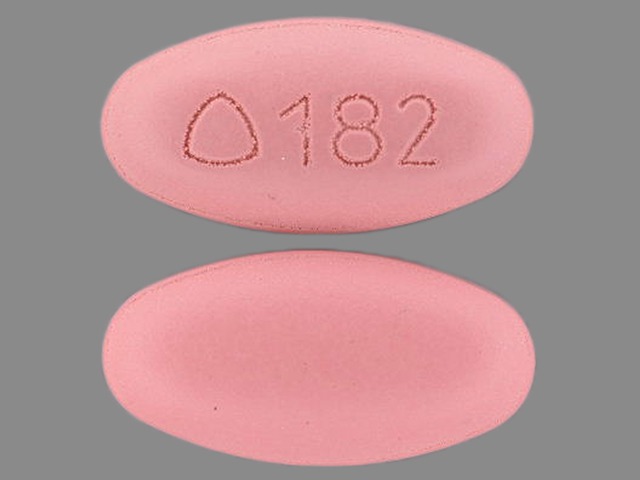
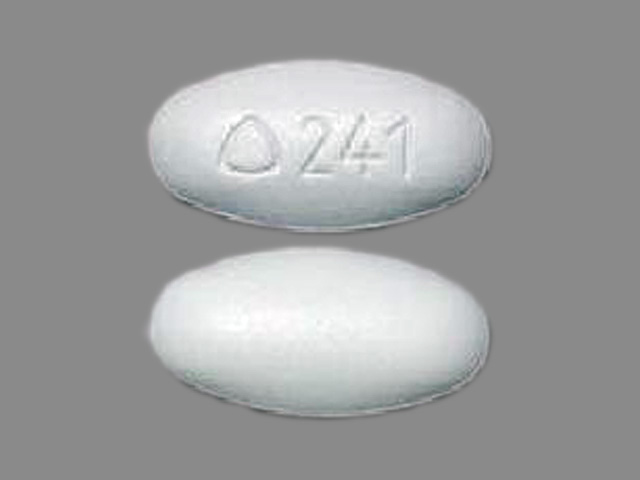
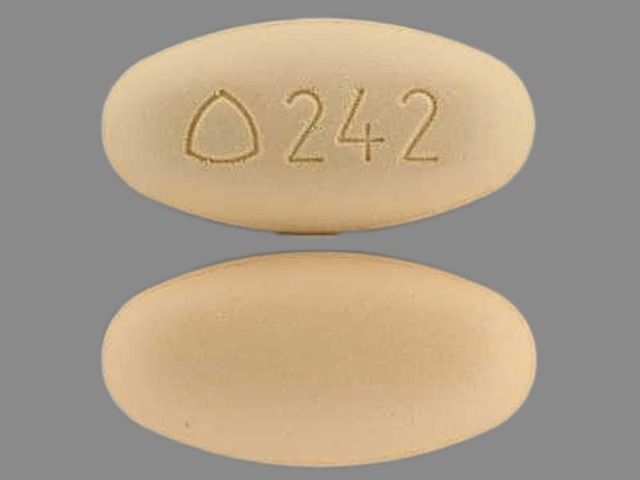
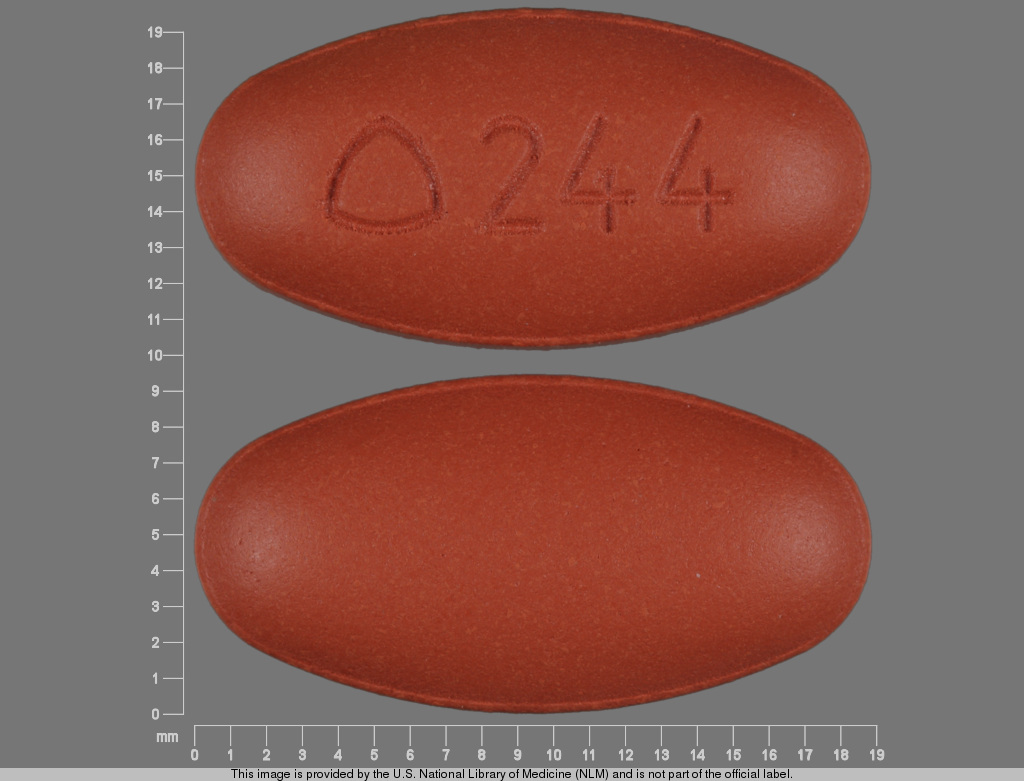
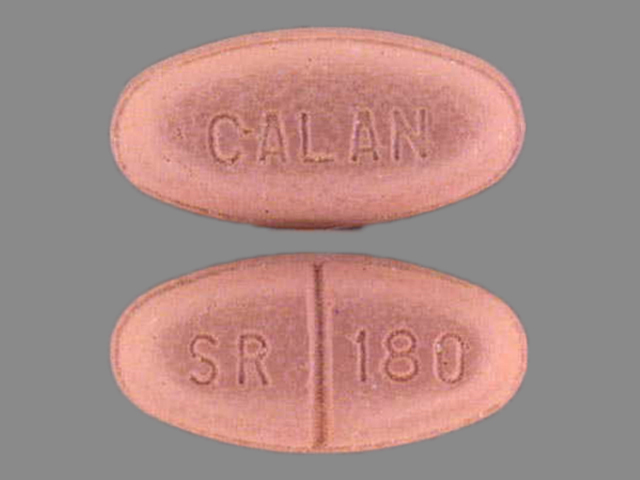
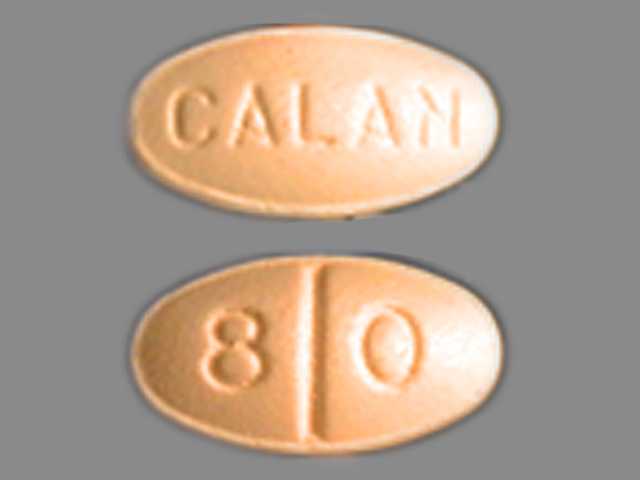
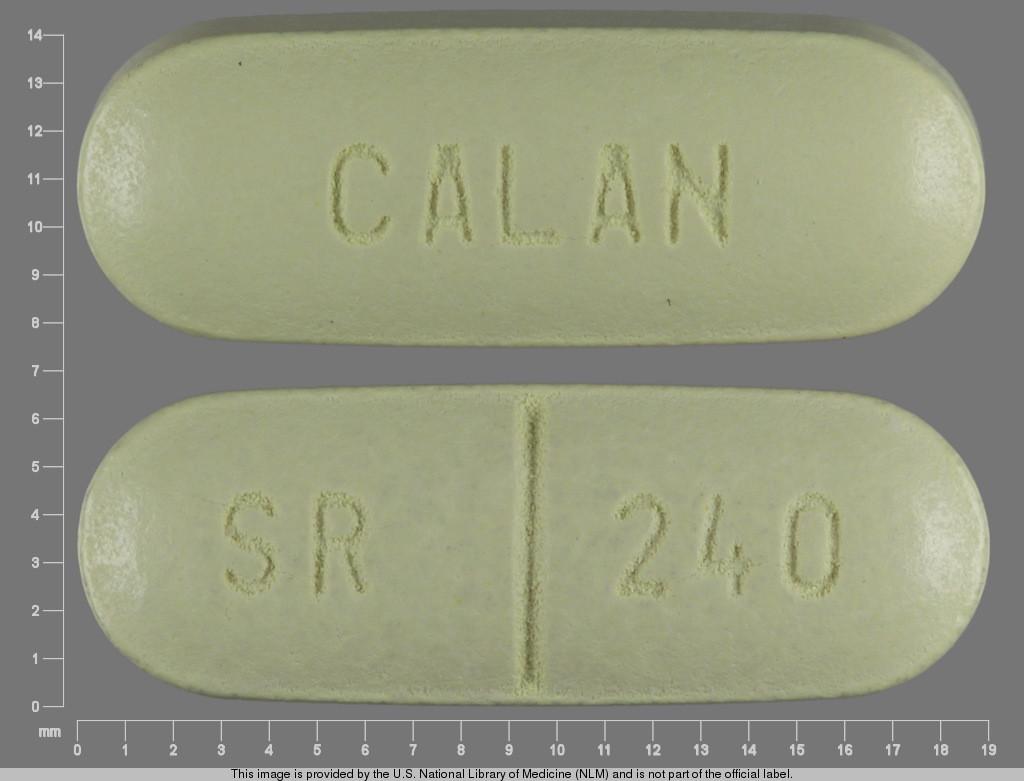
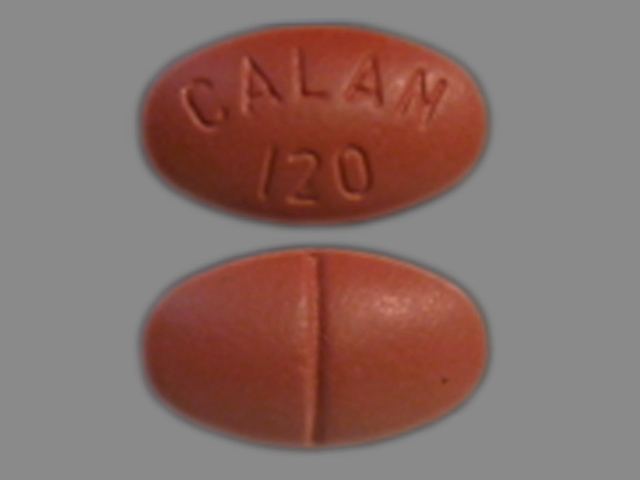
Drug class
A calcium-channel blocker, described on the label as a "calcium ion influx inhibitor (slow channel blocker or calcium ion antagonist)" that modulates calcium influx across the cell membranes of vascular smooth muscle and myocardium, producing vasodilation, decreased myocardial contractility, and slowed AV nodal conduction.
Uses
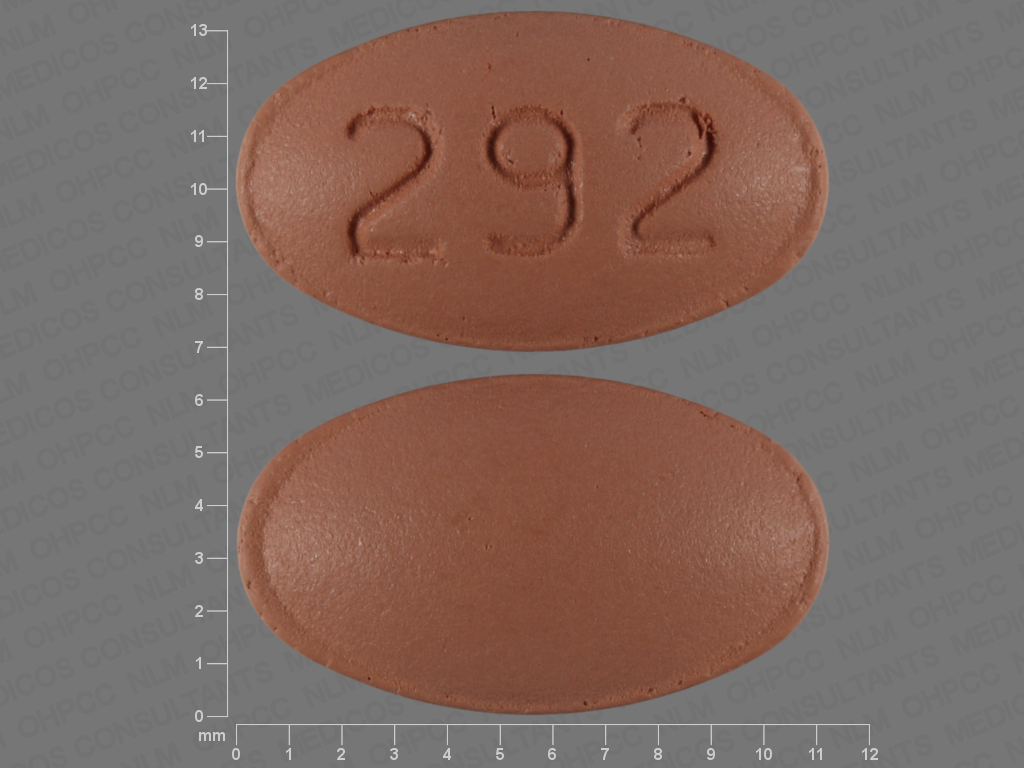
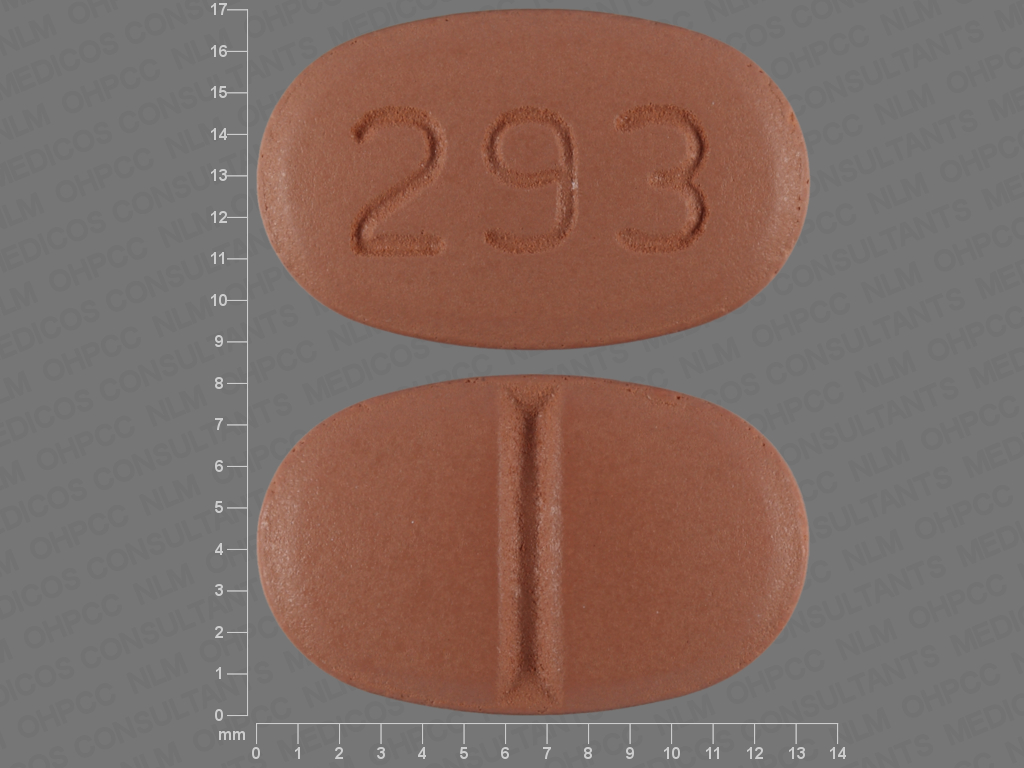
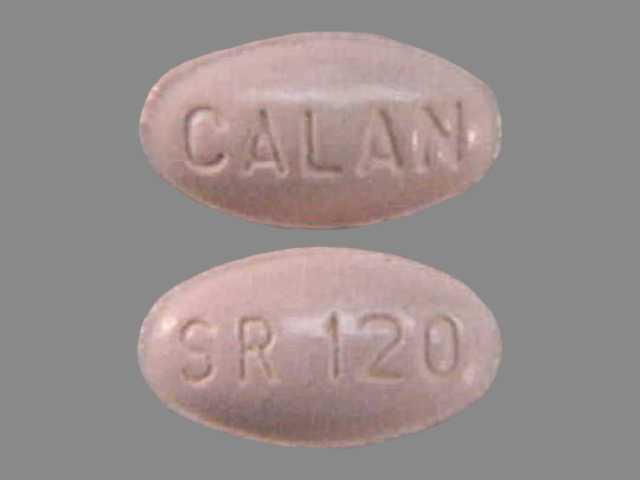
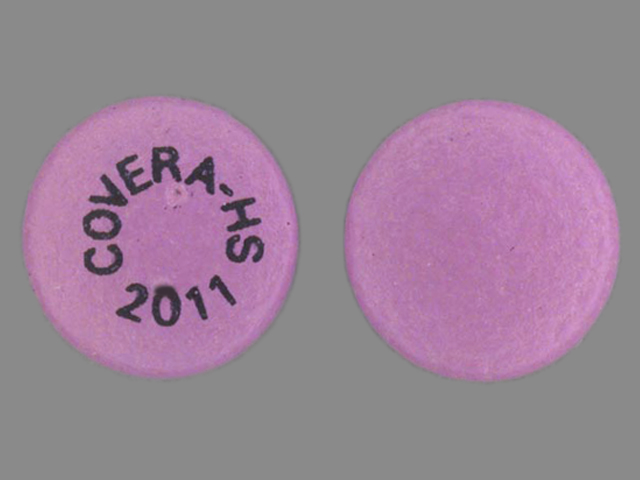
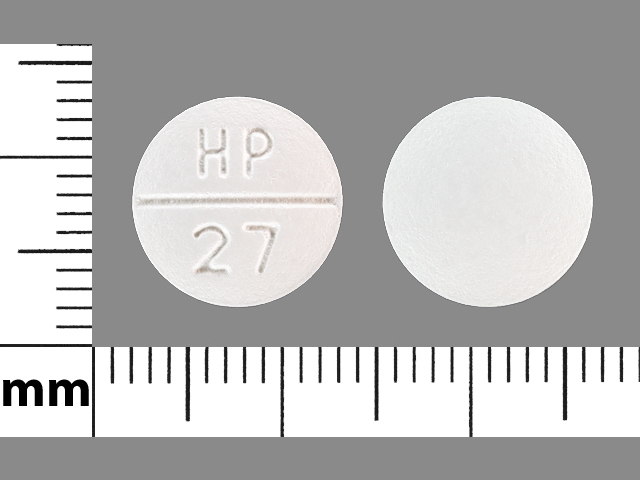
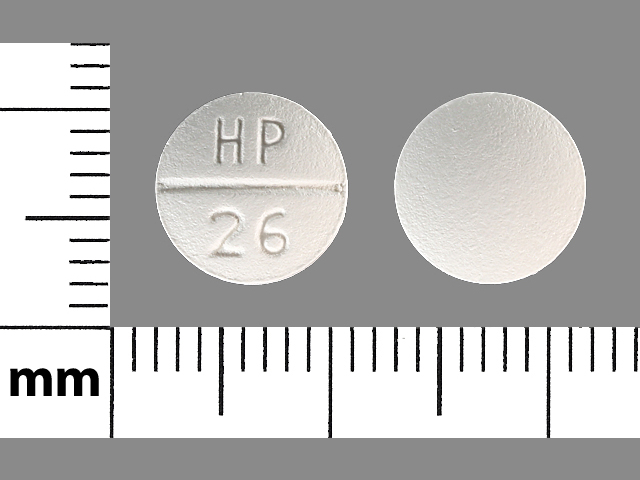
Verapamil Hydrochloride Tablets are indicated for management of vasospastic (Prinzmetal's variant) angina, unstable angina, and chronic stable angina; treatment of supraventricular tachyarrhythmias, including control of ventricular rate in atrial fibrillation or flutter and prevention of paroxysmal supraventricular tachycardia; and essential hypertension, to lower blood pressure, alone or in combination with other antihypertensives.
Warnings
No boxed warning. Contraindications include severe left ventricular dysfunction, hypotension (systolic BP <90 mmHg) or cardiogenic shock, sick sinus syndrome or second-/third-degree AV block without a pacemaker, and atrial fibrillation/flutter with an accessory bypass tract (e.g., WPW syndrome), where verapamil can paradoxically accelerate ventricular rate. Major warnings cover negative inotropic/chronotropic effects risking heart failure or bradycardia/AV block, elevated hepatic transaminases, and the need for caution in hepatic or renal impairment since verapamil's half-life is prolonged.
Side effects
Most frequently reported adverse reactions include constipation (7.3%), dizziness (3.3%), nausea (2.7%), hypotension (2.5%), headache (2.2%), edema (1.9%), and fatigue (1.7%). Serious adverse reactions include congestive heart failure or pulmonary edema (1.8%), symptomatic bradycardia below 50 bpm (1.4%), second- or third-degree AV block (1.2%), and hepatocellular injury.