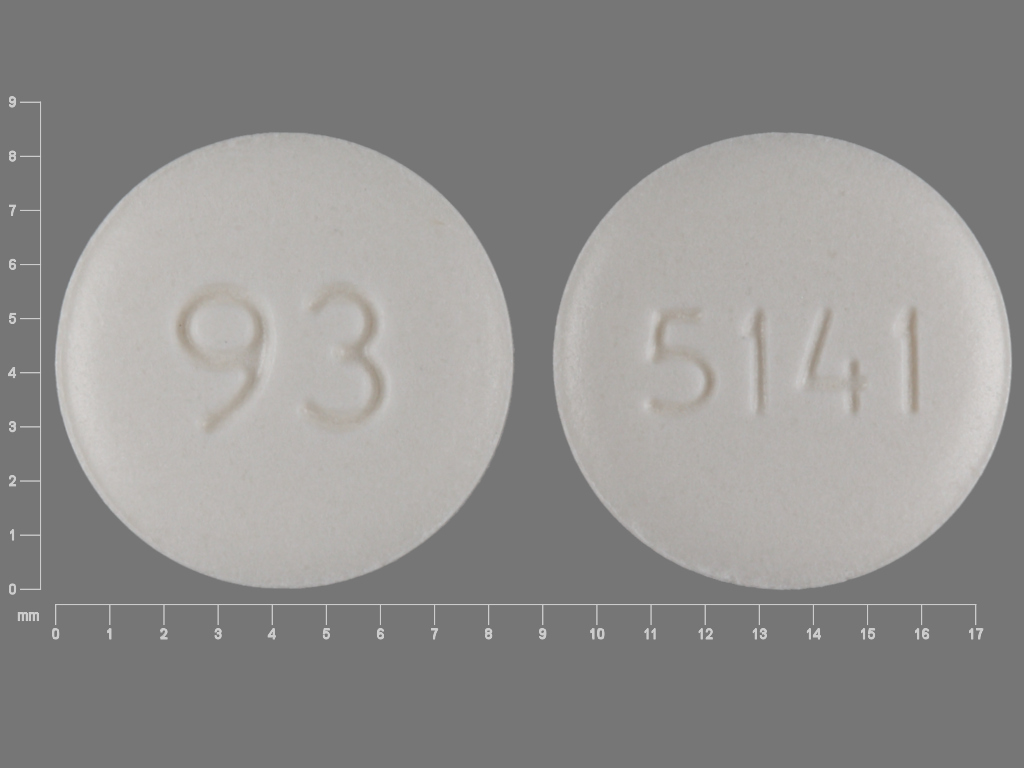
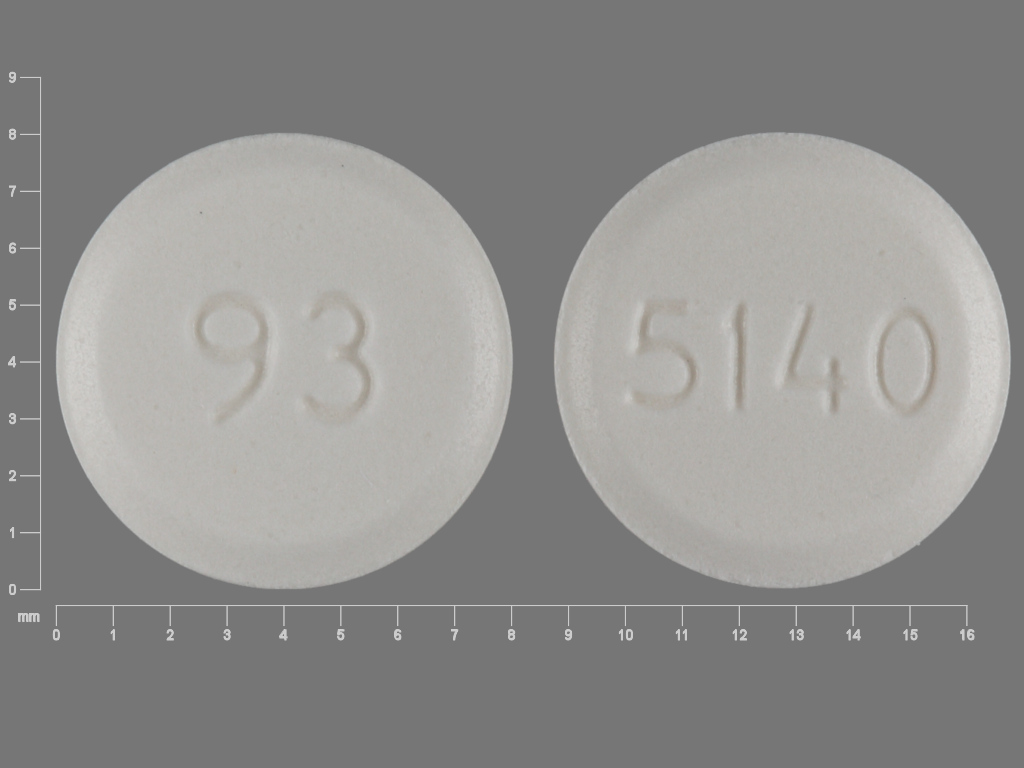
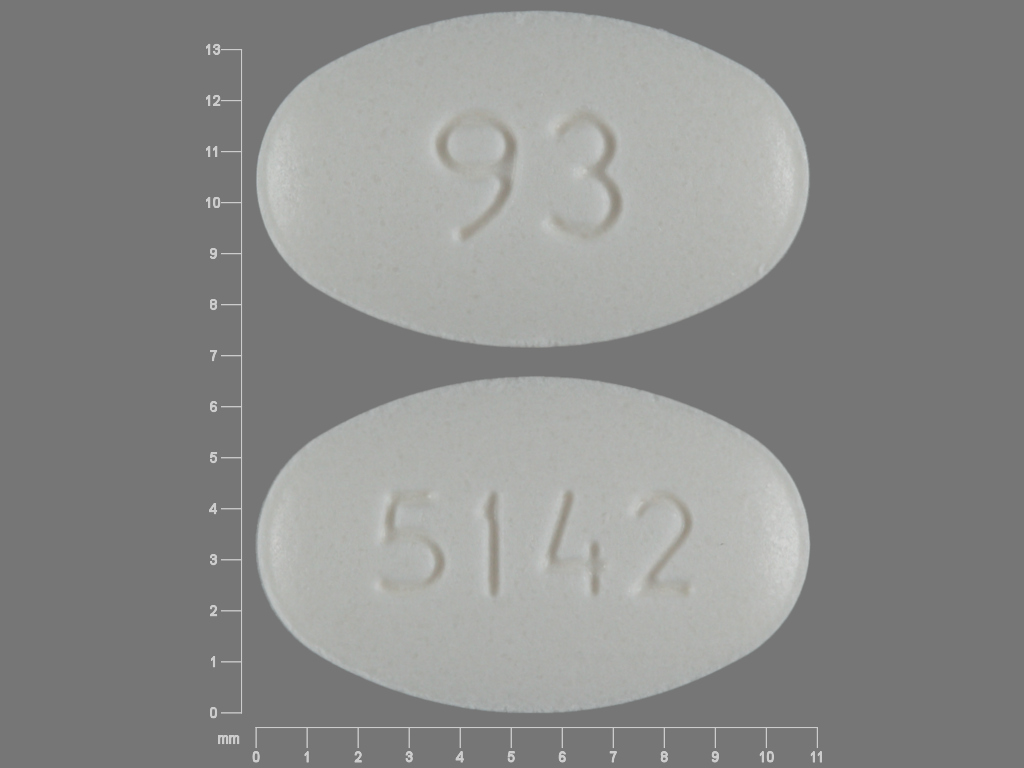
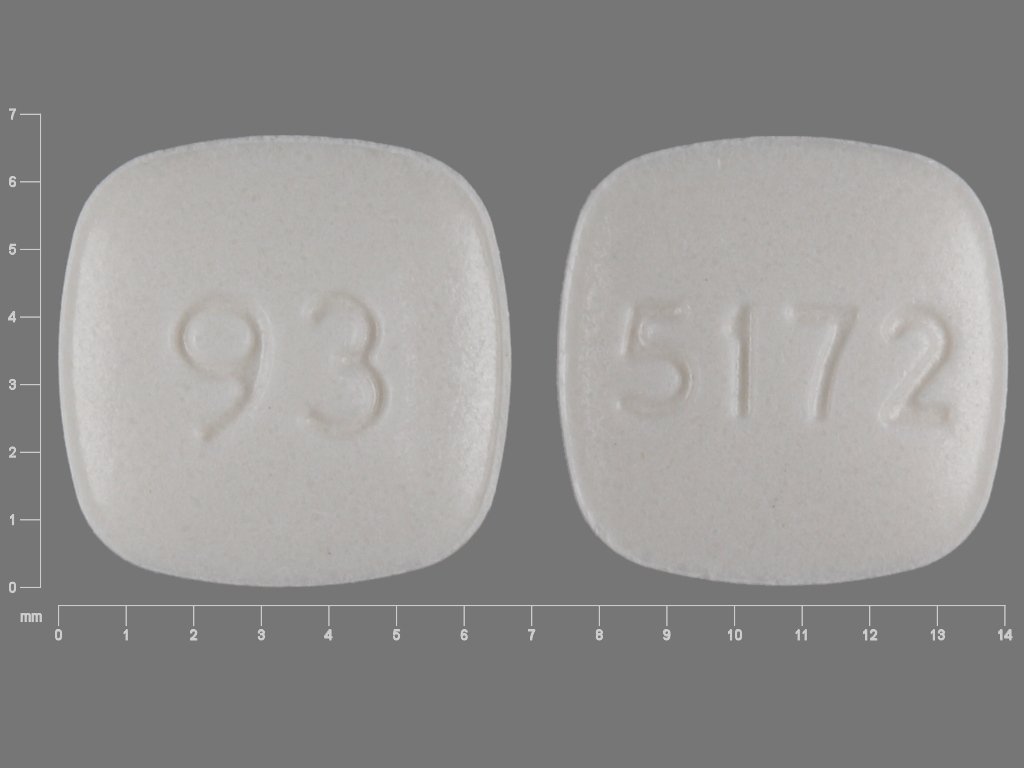
Drug class
"Alendronate sodium is a bisphosphonate that acts as a specific inhibitor of osteoclast-mediated bone resorption," localizing preferentially to sites of active bone remodeling.
Uses
Indicated for "treatment and prevention of osteoporosis in postmenopausal women," to "increase bone mass in men with osteoporosis," for "treatment of glucocorticoid-induced osteoporosis," and for "treatment of Paget's disease of bone." The label notes that for patients at low risk of fracture, clinicians should "consider drug discontinuation after 3 to 5 years of use."
Warnings
No boxed warning. Key warnings: "Upper gastrointestinal adverse reactions can occur" - patients must follow strict dosing instructions (full glass of water, remain upright at least 30 minutes); "hypocalcemia" must be corrected before starting therapy; "severe bone, joint, or muscle pain" may occur, with discontinuation considered if severe; "osteonecrosis of the jaw has been reported," generally in cancer patients or those with risk factors; and "atypical fractures, including femoral fractures," have been reported with long-term bisphosphonate use.
Side effects
Most common adverse reactions (≥3%) are "abdominal pain, acid regurgitation, constipation, diarrhea, dyspepsia, musculoskeletal pain, nausea." More serious but less common reactions include esophagitis and esophageal ulcers/erosions, osteonecrosis of the jaw, and atypical (including subtrochanteric and diaphyseal) femoral fractures.