Overview
Bupropion is a prescription medication used mainly to treat major depressive disorder and to prevent seasonal depressive episodes, and in a separate formulation to help people stop smoking. It belongs to a class sometimes called aminoketone antidepressants. Chemically it is unrelated to the tricyclic antidepressants and to the selective serotonin reuptake inhibitors (SSRIs), and that difference explains much of why it is prescribed. It acts on different brain chemistry and tends to have a different side-effect profile from most other antidepressants.
Bupropion is commonly sold under brand names such as Wellbutrin, Wellbutrin SR and Wellbutrin XL for depression, Zyban for smoking cessation, and Aplenzin and Forfivo XL, which are extended-release forms with their own dose strengths. Many pharmacies dispense generic versions labeled simply as bupropion hydrochloride, sometimes followed by "SR", "XL" or "extended-release". The older brand name Budeprion also appears in some product listings. Bupropion is also one ingredient in Contrave, a combination product with naltrexone prescribed for chronic weight management, and in a combination with dextromethorphan sold for depression. Those combinations are different medicines with their own labeling, and this page focuses on bupropion itself.
Because dozens of manufacturers make generic bupropion and the tablets come in several release types, strengths, shapes and colors, this is one of the medications people most often need help identifying. This page explains what the drug is, how the different forms differ, how it is typically used, and which warnings, side effects and interactions matter most. It is general information, and anyone with questions about their own prescription should speak with their pharmacist or prescriber.
Uses
Bupropion is approved by the FDA for several purposes, depending on the formulation:
- Major depressive disorder (MDD). The immediate-release tablet, the sustained-release (SR) tablet and the extended-release (XL) tablet are all used for this. Immediate-release tablets are the oldest form and are taken several times a day. SR tablets are generally taken twice daily, and XL tablets once daily in the morning.
- Seasonal affective disorder (SAD). The extended-release forms are approved to prevent the major depressive episodes that recur in autumn and winter in people with a clear seasonal pattern. Treatment typically begins in the autumn, before symptoms usually appear, and is tapered off in early spring.
- Smoking cessation. A sustained-release form marketed as Zyban is used, together with counseling and support, as an aid to quitting tobacco.
Doctors sometimes prescribe bupropion for other reasons, such as attention-deficit/hyperactivity disorder in adults, or to counter sexual side effects caused by other antidepressants. The drug is not formally approved for those uses, but they are recognized in clinical practice. In people with bipolar disorder, it is used cautiously and usually alongside a mood stabilizer, because any antidepressant can in principle trigger a switch into mania.
Bupropion is not a controlled substance in the United States and is not considered habit-forming in the way that sedatives or stimulants can be. Even so, it affects the brain's stimulating chemicals, and it carries a dose-related risk of seizures that sets it apart from many other antidepressants.
How bupropion works
Bupropion's exact mechanism in depression is not fully understood. The prevailing explanation is that it acts through noradrenergic and dopaminergic pathways. In laboratory studies it is a relatively weak inhibitor of the reuptake of norepinephrine and dopamine, two chemical messengers involved in mood, motivation, attention and energy. It does not meaningfully affect serotonin reuptake, which is the main target of SSRIs such as sertraline, fluoxetine and escitalopram.
Bupropion also has activity at nicotinic acetylcholine receptors, where it acts as an antagonist. This is thought to contribute to its usefulness in smoking cessation, because it may blunt some of the reinforcing effects of nicotine and ease withdrawal symptoms.
After it is swallowed, bupropion is extensively processed by the liver. The enzyme CYP2B6 converts it mainly to hydroxybupropion, an active metabolite that reaches higher blood levels than the parent drug and appears to contribute to the clinical effect. Two other active metabolites, threohydrobupropion and erythrohydrobupropion, are formed by other pathways. These metabolites, along with bupropion itself, also inhibit another liver enzyme, CYP2D6, which is the reason bupropion interacts with a number of other medications (see the interactions section below).
Because the drug's effects are not immediate, people typically do not notice the full benefit for several weeks. Some changes, such as more energy or better sleep or appetite, may come earlier than improvements in mood. It is also why prescribers generally advise continuing the medication as directed rather than judging it after a few days.
Dosage forms and strengths
Bupropion is available as tablets in several release types. Immediate-release tablets, often film-coated, come in strengths such as 75 mg and 100 mg. Sustained-release (SR) tablets are commonly found in 100 mg, 150 mg and 200 mg strengths. Extended-release (XL) tablets are commonly 150 mg and 300 mg, and a 450 mg extended-release tablet exists as Forfivo XL. Aplenzin uses a different salt, bupropion hydrobromide, and is supplied in 174 mg, 348 mg and 522 mg strengths. These are not interchangeable milligram-for-milligram with the hydrochloride tablets, a point worth keeping in mind when comparing labels. In Contrave, the bupropion hydrochloride component is a lower strength of 90 mg, paired with 8 mg of naltrexone hydrochloride in each extended-release tablet. Bulk bupropion hydrochloride powder also appears in drug databases, but that is an ingredient used by manufacturers and not something dispensed to patients.
The names on the label can be confusing. A bottle might say "bupropion hydrochloride extended-release tablets (XL)", "bupropion HCl ER", or "bupropion SR". The letters matter, because SR and XL forms differ in how long they take to release the medicine, how often they are taken, and what total daily amount is appropriate.
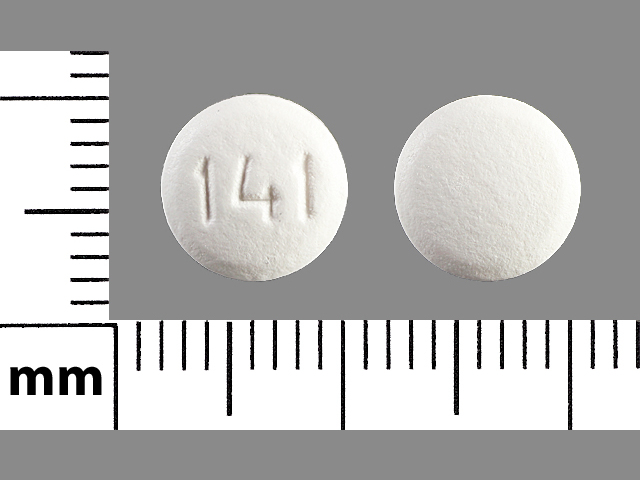
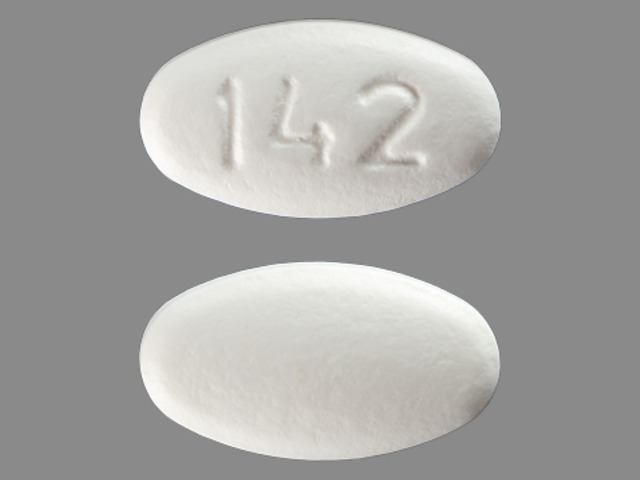
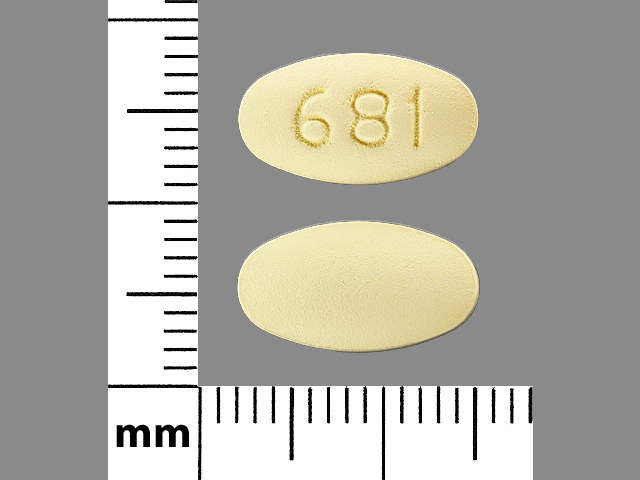
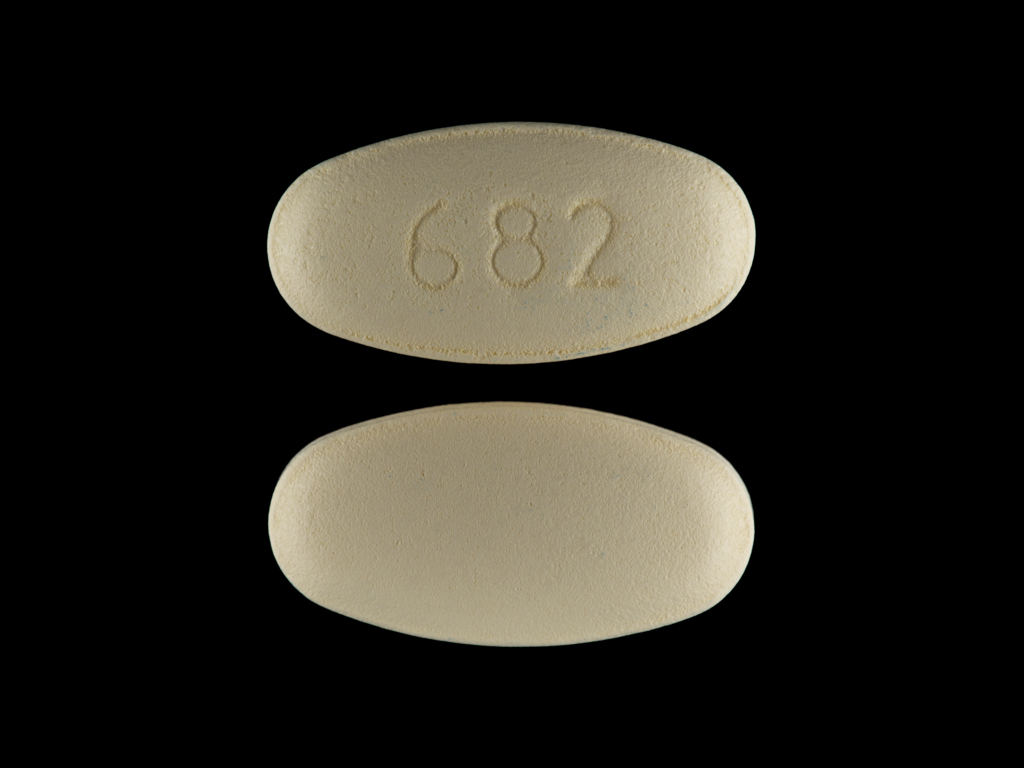
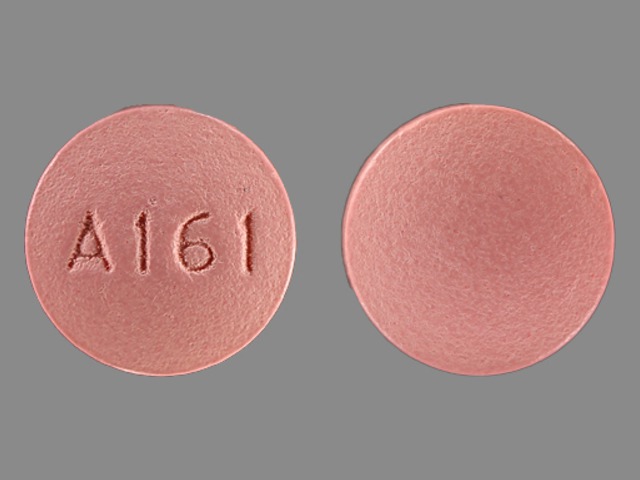
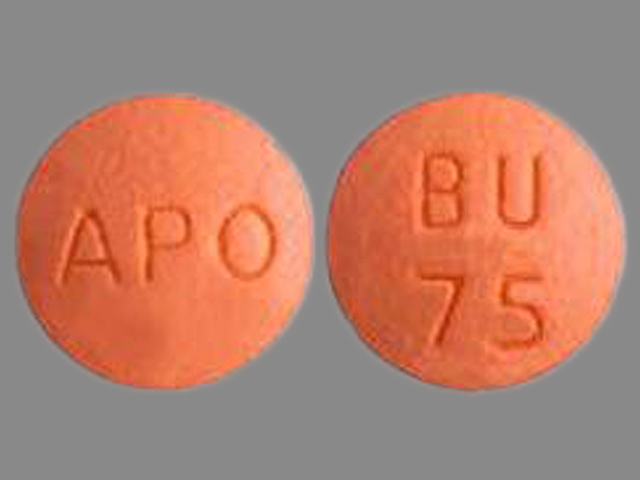
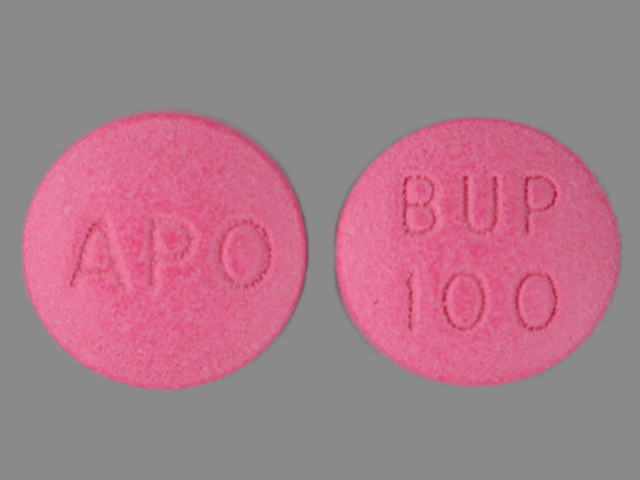
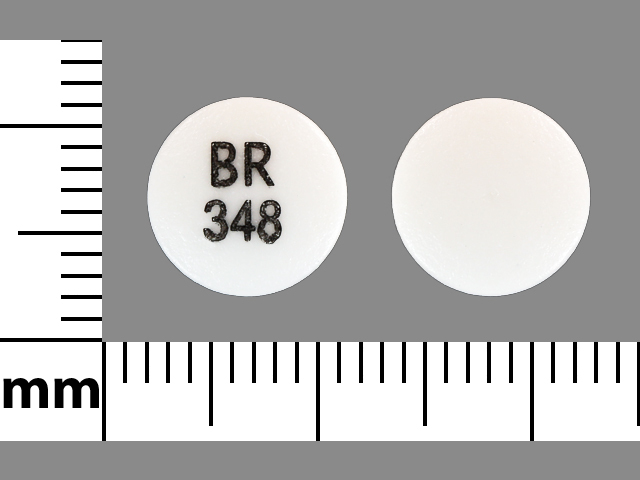
Identifying a bupropion pill
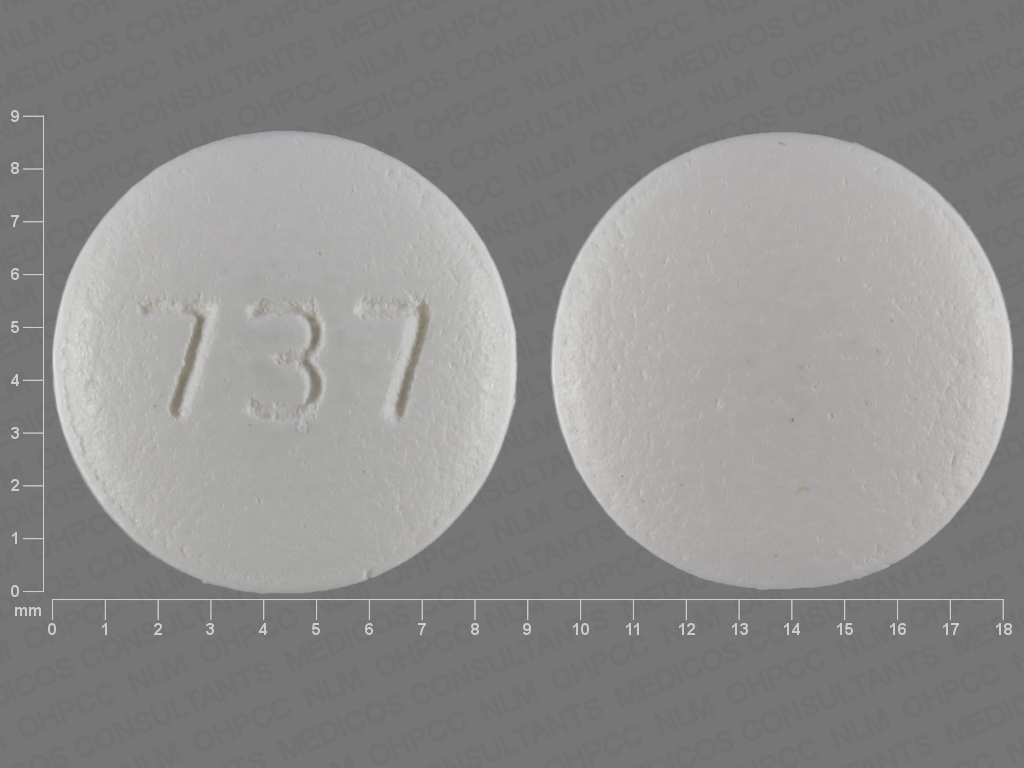
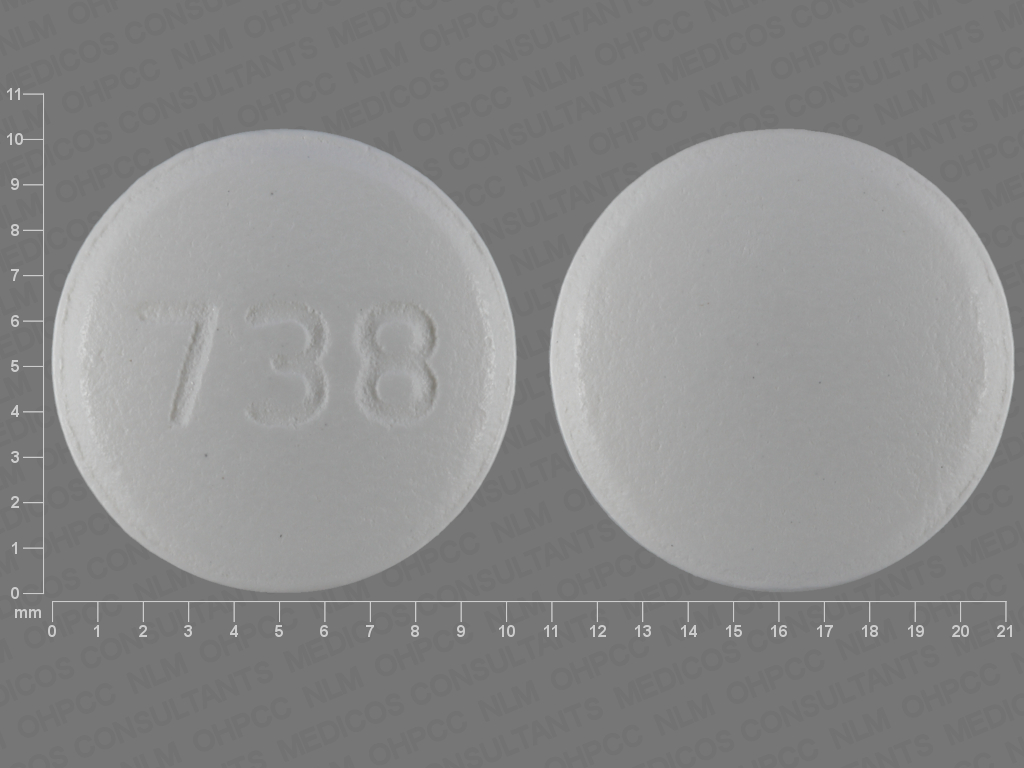
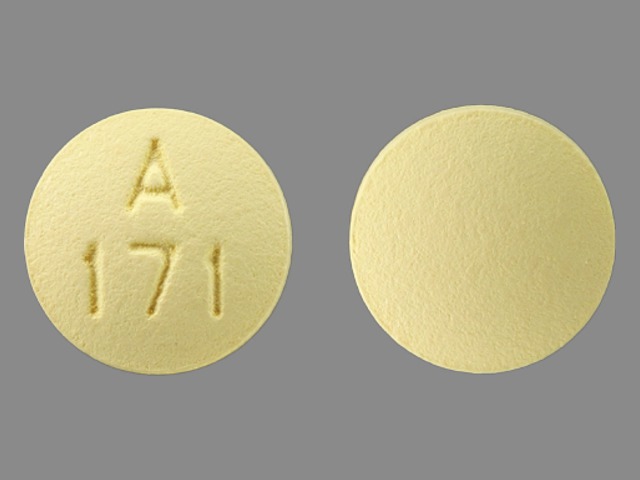
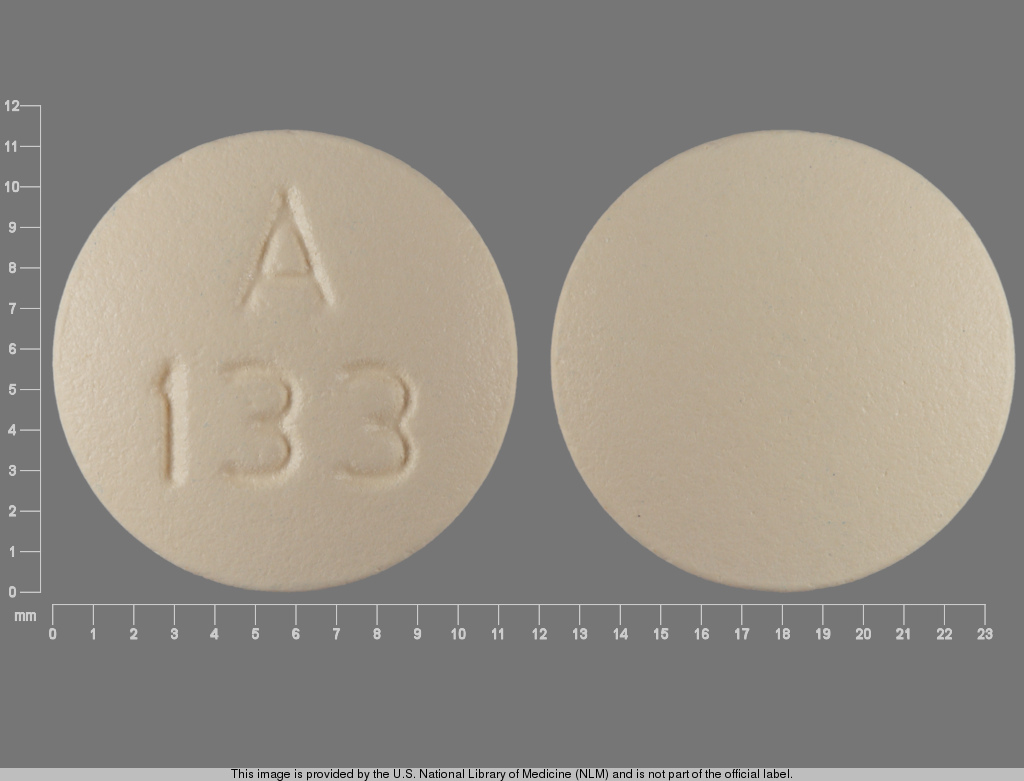
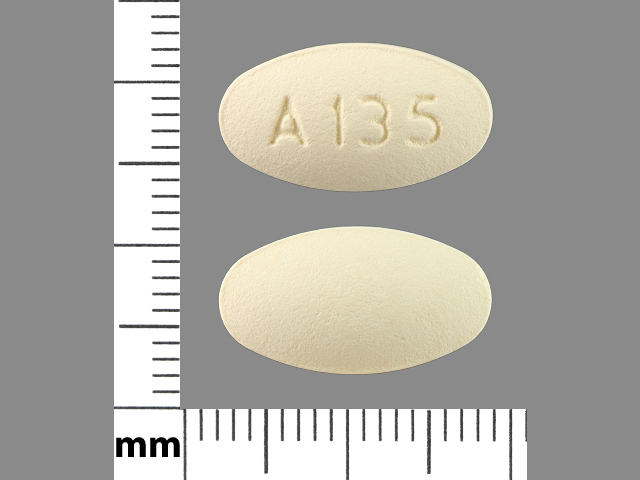
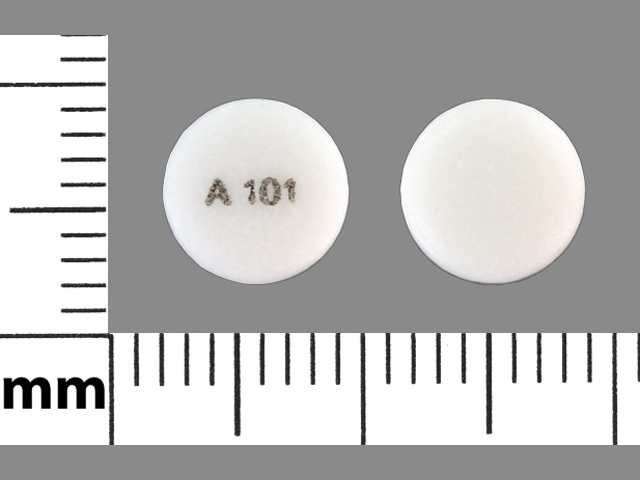
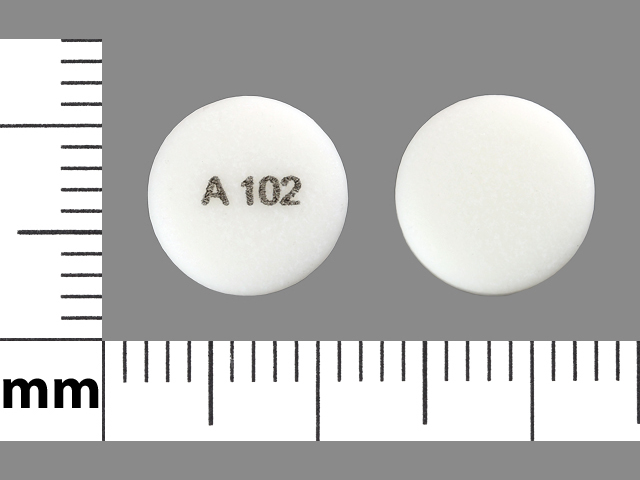
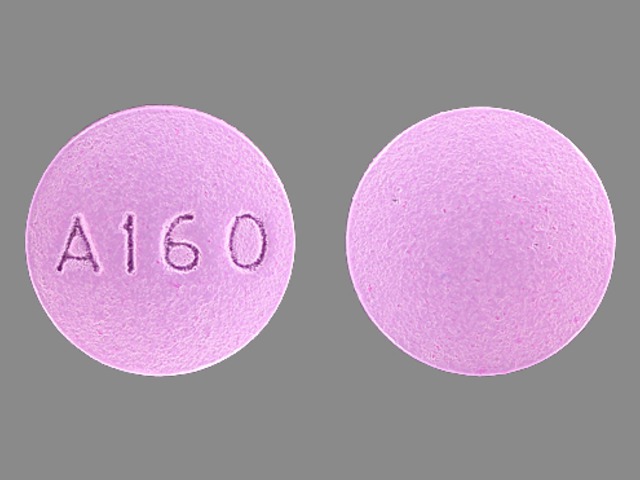
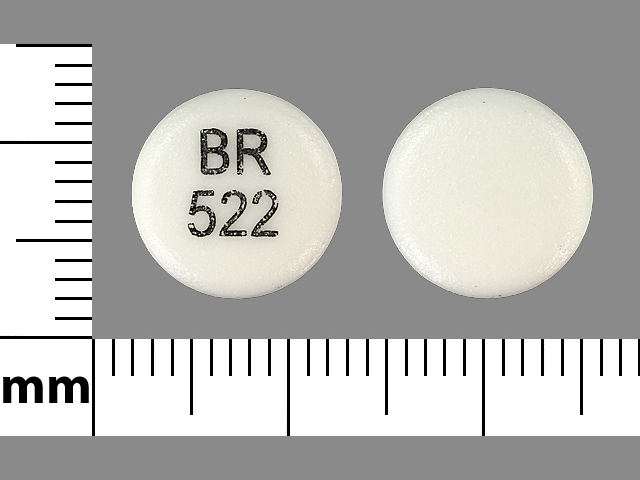
With several hundred bupropion products listed in pill databases, no single description fits all of them. Each manufacturer chooses its own tablet color, shape and imprint code. Extended-release tablets are often round or oval, may be film-coated in white, yellow, pale blue, purple, or other colors, and frequently carry letters, numbers or a company logo on one or both sides. The most reliable way to identify a tablet is to compare the printed imprint, color and shape against a pill-identifier tool or ask a pharmacist, rather than judging by appearance alone. If a refill looks different from the last one, that is commonly because the pharmacy switched generic suppliers, but it is reasonable to confirm that with the pharmacist.
Dosage & administration
Bupropion is always dosed according to the specific product and the person taking it, so the following describes typical patterns only, not instructions for any individual.
For depression, treatment is usually started at a relatively low daily amount and increased gradually, often after several days to a week, if the medication is tolerated and a higher amount is judged necessary. The slow ramp-up is deliberate: seizure risk with bupropion rises with dose, and gradual titration is one of the ways it is minimized. Many people stay on a moderate daily amount long term, and labeling sets a maximum daily total for each formulation that prescribers are not meant to exceed. Immediate-release tablets are taken in several divided doses through the day, with a limit on how much can be taken at one time. SR tablets are generally taken twice daily with doses spaced hours apart, and XL tablets are usually taken once daily in the morning.
Timing matters because of the stimulating effect. Taking the later dose of an SR product too close to bedtime, or taking an XL tablet in the evening, may worsen trouble sleeping. For this reason, the XL tablet is typically taken in the morning, and the second SR dose is separated from the first by many hours and given in the afternoon rather than late at night. Bupropion can generally be taken with or without food, and taking it with food may help people who get nausea.
Extended-release and sustained-release tablets are designed to release the medicine slowly, so they should be swallowed whole. Crushing, chewing or splitting them can release too much drug at once and increase the chance of side effects, including seizures. Some people notice what looks like an intact tablet shell in their stool. This is the empty, non-absorbable casing of an XL tablet after the medicine has been released, and it is expected. People who are concerned that they are not absorbing the medication can raise it with a pharmacist.
For seasonal affective disorder, the typical pattern is to begin in the autumn, before symptoms usually appear, increase to a target amount after about a week, continue through winter, and then taper in early spring. For smoking cessation, the sustained-release product is usually started while the person is still smoking, with a quit date set about one to two weeks later, and treatment generally runs for several months. Combined with counseling or other support, this tends to improve quit rates compared with going without medication.
When switching between formulations, prescribers generally aim to keep the same total daily amount where possible. Because of the seizure risk, people should not combine different bupropion products on their own, since doing so could produce a larger total than intended. Bupropion should be stopped on a prescriber's schedule: with higher daily amounts, a taper to a lower amount before stopping is commonly recommended, even though bupropion does not typically cause the pronounced discontinuation syndrome that some other antidepressants do.
If a dose is missed, the usual general advice is to skip it and resume the normal schedule instead of taking two doses together, because doubling up raises seizure risk. Tablets are normally stored at room temperature, in a tightly closed container, away from moisture, light and children. For specific questions about timing, missed doses or switching products, a pharmacist is the best source of guidance.
Warnings
Several important cautions apply to bupropion. Many are why it is not appropriate for some people and why prescribers ask detailed questions before starting it.
Suicidal thoughts and behaviors
Like all antidepressants, bupropion has been linked in short-term clinical trials to an increased risk of suicidal thinking and behavior in children, adolescents and young adults. Trials did not show this increase in people aged 65 and older. Patients of all ages are advised to be monitored for worsening depression, unusual changes in behavior, agitation, or emerging suicidal thoughts, particularly during the first few months of treatment and after any dose change. Families and caregivers are encouraged to watch for these changes and to contact the prescriber promptly if they occur. Anyone in immediate danger should call local emergency services or, in the United States, the 988 Suicide & Crisis Lifeline.
Neuropsychiatric reactions with smoking cessation
Serious neuropsychiatric events, including changes in mood, hostility, agitation, depressed mood and suicidal thoughts, have been reported in people taking bupropion to quit smoking. Because depression and irritability can also be part of nicotine withdrawal, a direct cause-and-effect link is not always clear, but some cases occurred in people who kept smoking. All people taking bupropion, including the extended-release depression products that are not approved for smoking cessation, are advised to report such reactions to a healthcare provider.
Seizure risk
Bupropion lowers the seizure threshold in a dose-dependent way. At usual amounts of the sustained-release and extended-release products the incidence is low, in the range of about one in a thousand, but it rises sharply at higher amounts. For that reason bupropion is not used in people with a seizure disorder, and the labeled maximum daily amount must not be exceeded. Other situations that raise the risk include a history of head trauma or brain tumor, severe stroke, excessive alcohol use, abuse of cocaine or stimulants, and the presence of diabetes treated with insulin or oral drugs. Heavy use of sedatives, or stopping them suddenly, is another recognized risk, as is the use of other medications that lower the seizure threshold.
Eating disorders
Bupropion is contraindicated in people with a current or past diagnosis of bulimia or anorexia nervosa, because a higher incidence of seizures was seen in these groups. The medication also commonly reduces appetite, which is a further reason for caution.
Abrupt withdrawal from alcohol or sedatives
Bupropion should not be used by people who are suddenly stopping alcohol, benzodiazepines, barbiturates or antiepileptic drugs, because withdrawal itself raises seizure risk and the combination compounds it. People who drink regularly are generally advised to minimize or avoid alcohol while on bupropion, since there have been rare reports of unusual neuropsychiatric events and of reduced alcohol tolerance.
Other contraindications
Bupropion must not be taken together with monoamine oxidase inhibitors (MAOIs) used for psychiatric conditions, nor within 14 days before or after stopping one. Starting bupropion in someone already being treated with linezolid or intravenous methylene blue is also contraindicated, since these drugs act as reversible MAOIs and the combination raises the risk of hypertensive reactions. A prior allergic reaction to bupropion or any ingredient in the tablet is also a contraindication.
Other precautions
- Blood pressure. Bupropion can raise blood pressure, and this has been reported in people with and without existing hypertension. It may be more pronounced in people also using nicotine replacement patches, so blood pressure is typically checked before and during treatment.
- Mania and psychosis. Like other antidepressants, it can trigger manic or hypomanic episodes in people with bipolar disorder, and it has been associated with delusions, hallucinations, paranoia and confusion, especially at higher amounts.
- Angle-closure glaucoma. Bupropion can widen the pupil, which may precipitate an attack in people with anatomically narrow angles in the eye.
- Allergic reactions. Rash, hives, itching, and in rare cases serious reactions such as anaphylaxis, angioedema or Stevens-Johnson syndrome have been reported. Delayed reactions resembling serum sickness, with joint pain, fever and rash, can also occur. Anyone who develops a skin reaction, swelling of the face or throat, or difficulty breathing needs urgent medical attention.
- Weight and appetite. Weight loss is a commonly reported effect and may be unwelcome in people who are already underweight.
- Low sodium. As with other antidepressants, hyponatremia can occur occasionally, particularly in older adults and those taking diuretics.
- Driving and alertness. Bupropion can occasionally impair concentration or cause dizziness, so people are generally advised to see how it affects them before driving or operating machinery.
- Urine drug screens. Bupropion can cause false-positive urine immunoassay tests for amphetamines. Confirmatory testing such as gas chromatography/mass spectrometry can tell the two apart, and anyone undergoing drug screening should mention that they take bupropion.
Side effects
Bupropion tends to be considered a more "activating" antidepressant, and its common side effects reflect this. In placebo-controlled trials summarized in labeling, the most frequently reported effects (occurring more often than with placebo) were agitation, dry mouth, constipation, headache or migraine, nausea or vomiting, dizziness, excessive sweating, tremor, insomnia, blurred vision, and a fast heartbeat (tachycardia). Agitation, dry mouth and constipation were each reported by roughly a quarter to a third of participants in the trials cited in labeling, and tremor was several times more frequent than with placebo. The figures vary between formulations and studies, and many people experience few or none of these effects.
Some practical points about the common effects:
- Sleep problems. Insomnia and restlessness are especially common early in treatment. Taking the medication earlier in the day often helps, which is why prescribers tend to recommend morning dosing.
- Anxiety and jitteriness. People who are already anxious may find these effects more noticeable, and prescribers sometimes consider this when choosing an antidepressant.
- Dry mouth and constipation. Drinking fluids and eating fiber-rich foods can be helpful, but persistent or severe symptoms should be discussed with a clinician.
- Nausea. Taking the tablet with food may reduce it.
- Sexual side effects. Bupropion has a lower rate of sexual dysfunction than SSRIs, and that is one reason it is chosen for people who have had such problems with other antidepressants. It is not entirely free of them.
- Weight. Weight loss is more common than weight gain, in contrast to many other antidepressants.
Less common but more serious effects can include seizures, fainting, a very rapid or irregular heartbeat, chest pain, marked increases in blood pressure, hallucinations, confusion, severe agitation or hostility, visual changes with eye pain, and signs of an allergic reaction such as widespread rash, hives or swelling. Any of these calls for prompt medical attention. Reports of unusual mood changes, worsening depression, or thoughts of self-harm should also be taken seriously and communicated to a healthcare provider right away.
Side effects are often most noticeable in the first weeks and may ease as the body adjusts. If they persist or interfere with daily life, prescribers may adjust the schedule, change the formulation, or consider a different medication, so these effects are worth reporting and not simply tolerating. Patients and caregivers can report suspected side effects to the FDA's MedWatch program, and further consumer-oriented details are available from MedlinePlus Drug Information.
Drug interactions
Bupropion interacts with a number of other medicines, largely because of its effects on liver enzymes and on seizure threshold. Anyone taking it should give their pharmacist and prescribers a complete list of prescription medicines, over-the-counter products and supplements.
MAOIs and similar drugs
Combining bupropion with monoamine oxidase inhibitors such as phenelzine, tranylcypromine or isocarboxazid is contraindicated because of an increased risk of hypertensive reactions. At least 14 days should separate stopping one and starting the other. The antibiotic linezolid and intravenous methylene blue also have MAOI activity. Starting bupropion in someone already receiving them is contraindicated. In rare urgent cases where a person on bupropion needs linezolid or methylene blue, clinicians weigh the risks, usually stop bupropion first, and monitor closely.
Drugs processed by CYP2D6
Bupropion and its metabolites inhibit CYP2D6, which can raise blood levels of other drugs that rely on this enzyme. Examples include certain antidepressants (venlafaxine, nortriptyline, imipramine, desipramine, paroxetine, fluoxetine, sertraline), antipsychotics (haloperidol, risperidone, thioridazine), beta-blockers such as metoprolol, and Type 1C antiarrhythmics such as propafenone and flecainide. The dose of the other drug may need to be reduced, particularly if it has a narrow safety margin. The opposite problem occurs with drugs that need CYP2D6 to be converted into their active form: tamoxifen is the best-known example, and its effectiveness could theoretically be reduced by bupropion. Codeine and tramadol also depend on CYP2D6 for part of their action, and tramadol additionally lowers seizure threshold.
Drugs that affect bupropion levels
Because CYP2B6 does most of the work of metabolizing bupropion, drugs that influence this enzyme can change its levels. Ticlopidine and clopidogrel inhibit CYP2B6 and can raise bupropion exposure while lowering that of hydroxybupropion. Inducers such as ritonavir, lopinavir, efavirenz, carbamazepine, phenobarbital and phenytoin may lower bupropion levels, and a prescriber may need to adjust treatment while staying within the labeled maximum.
Drugs that lower the seizure threshold
Extra caution is needed with other medicines that lower the seizure threshold. These include other bupropion-containing products, antipsychotics, other antidepressants, theophylline, systemic corticosteroids, tramadol, and stimulants. Sedatives, benzodiazepines and alcohol are a particular concern because stopping them abruptly raises seizure risk. Prescribers generally start with low amounts and increase slowly when such combinations cannot be avoided. Medicines for diabetes, including insulin and oral agents, may also need monitoring because of the seizure and blood sugar considerations.
Dopaminergic drugs
Levodopa and amantadine also have dopamine-enhancing effects, and central nervous system toxicity has been reported when they are taken with bupropion, including restlessness, agitation, tremor, unsteadiness, vertigo and dizziness. These drugs are used together only with caution.
Nicotine replacement
When bupropion is used with nicotine patches, gum or lozenges to quit smoking, blood pressure should be monitored, since elevated readings have been seen with the combination.
Alcohol
Alcohol is best minimized or avoided. Some people notice a lower tolerance for it while on bupropion, and heavy drinking or sudden cessation of heavy drinking increases seizure risk.
Other considerations
Bupropion can produce false-positive urine screens for amphetamines, as mentioned above. Because bupropion can be present in combination products, such as those that include naltrexone or dextromethorphan, it is also important to avoid unintentionally taking two bupropion-containing medicines at once.
Pregnancy & breastfeeding
Decisions about antidepressant use in pregnancy involve weighing the risks of the medication against the risks of untreated depression, which can itself affect both the pregnant person and the baby. Human data on bupropion in pregnancy are mixed. Several large studies have not found a clear overall increase in birth defects, while some have suggested a possible small increase in certain heart defects, though findings are not consistent and cannot establish cause. Pregnancy registries have been used to collect further information. For this reason, bupropion is generally used in pregnancy only when the potential benefit is judged to justify the uncertain risk. Using it for smoking cessation during pregnancy is usually approached cautiously, with behavioral support often favored first.
Bupropion and its metabolites pass into breast milk. Most reports describe few effects in nursing infants, but there is at least one report of a seizure in a breastfed infant, and the amount reaching the infant is generally small. Prescribers weigh this against the benefits of breastfeeding and of treating the parent's depression, and infants may be watched for irritability, poor feeding or unusual sleep patterns. Anyone who is pregnant, planning pregnancy or nursing should discuss their options with their healthcare provider before making any change. Stopping an antidepressant abruptly without guidance is not generally recommended.
Pediatric use
Bupropion is not approved by the FDA for treating depression in children or adolescents, as effectiveness in this age group has not been established. Because antidepressants carry a recognized increase in suicidal thinking and behavior in people under 25, any use in a young person involves close monitoring, particularly in the early weeks and after dose changes. The smoking-cessation product likewise lacks established safety and effectiveness in people under 18. Where it is used off-label, as it sometimes is for ADHD or in adolescents who have not responded to other treatments, the prescriber typically takes particular care and arranges frequent follow-up. Parents and caregivers are encouraged to watch for new agitation, irritability, unusual behavior changes or talk of self-harm and to raise concerns at once.
Older-adult use
Bupropion has been used in people aged 65 and older, and clinical trials did not show the same increase in suicidality that was seen in younger people. Even so, older adults are more likely to be sensitive to its effects. The drug and its active metabolites are cleared more slowly with age, particularly when kidney function declines, so levels can build up and a lower dose or less frequent dosing is often chosen at the outset. Practical concerns in this group include insomnia, agitation, increased blood pressure, tremor, dizziness and falls, and low blood sodium (hyponatremia), particularly in people also taking diuretics. Because older adults frequently take multiple medicines, interactions deserve special attention. On the other hand, bupropion is less likely than some antidepressants to cause sedation, weight gain, or sexual side effects, and it has fewer anticholinergic effects than older tricyclic antidepressants. Whether it suits a particular older person is a decision for their healthcare team.
Kidney & liver impairment
Bupropion is cleared mainly by the liver, and its metabolites are removed largely by the kidneys. Both organs therefore influence how much of the drug and its active by-products accumulate in the body.
In people with moderate to severe liver impairment (Child-Pugh scores in the higher range), labeling calls for a markedly reduced schedule, with the maximum for the XL product given only every other day. In severe cirrhosis the exposure to bupropion and its metabolites rises substantially. In mild liver impairment, prescribers are advised to consider a reduced dose or less frequent dosing. Because the drug is extensively processed by the liver, anyone with liver disease should have this considered before starting.
In people with reduced kidney function, the active metabolites can build up, which may increase the risk of side effects such as seizures. Labeling advises considering a lower dose, a lower frequency, or both, when the glomerular filtration rate is below the normal range, and monitoring for adverse effects. Prescribers typically review kidney and liver function, particularly in older adults, before and during treatment.
Overdose
Taking too much bupropion is serious. Overdoses of up to 30 grams or more have been reported. Seizures occurred in about a third of reported cases. Other effects reported in overdose of bupropion alone included hallucinations, loss of consciousness, a rapid heart rate, and heart rhythm and conduction changes seen on an ECG. Fever, muscle rigidity, muscle breakdown (rhabdomyolysis), low blood pressure, stupor, coma and respiratory failure have been reported mainly when bupropion was part of a multi-drug overdose. Most people recovered without lasting effects, but deaths have been reported after large ingestions of bupropion alone, preceded by repeated seizures, a slow heart rate, heart failure and cardiac arrest. There is no specific antidote, so treatment consists of supportive care and close medical monitoring. Extended-release tablets can cause delayed or prolonged effects.
Anyone who suspects an overdose should call emergency services or a poison control center immediately. In the United States, Poison Control can be reached at 1-800-222-1222, or through www.poison.org, and help is available at any hour.