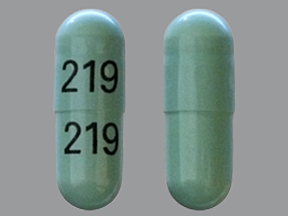
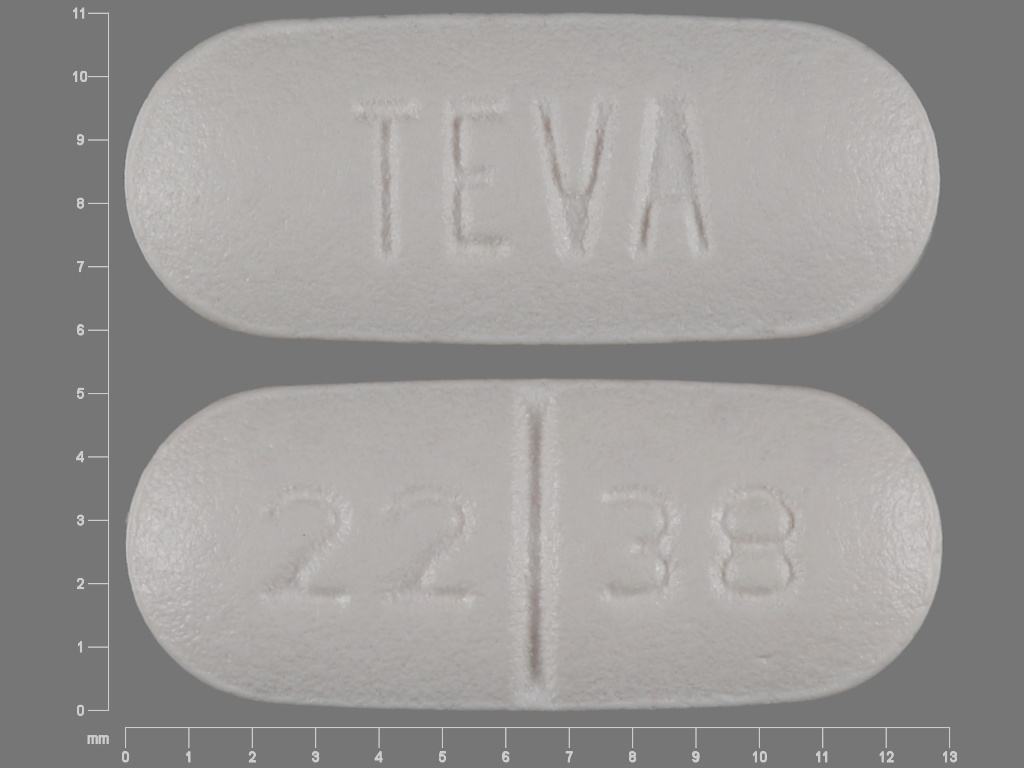
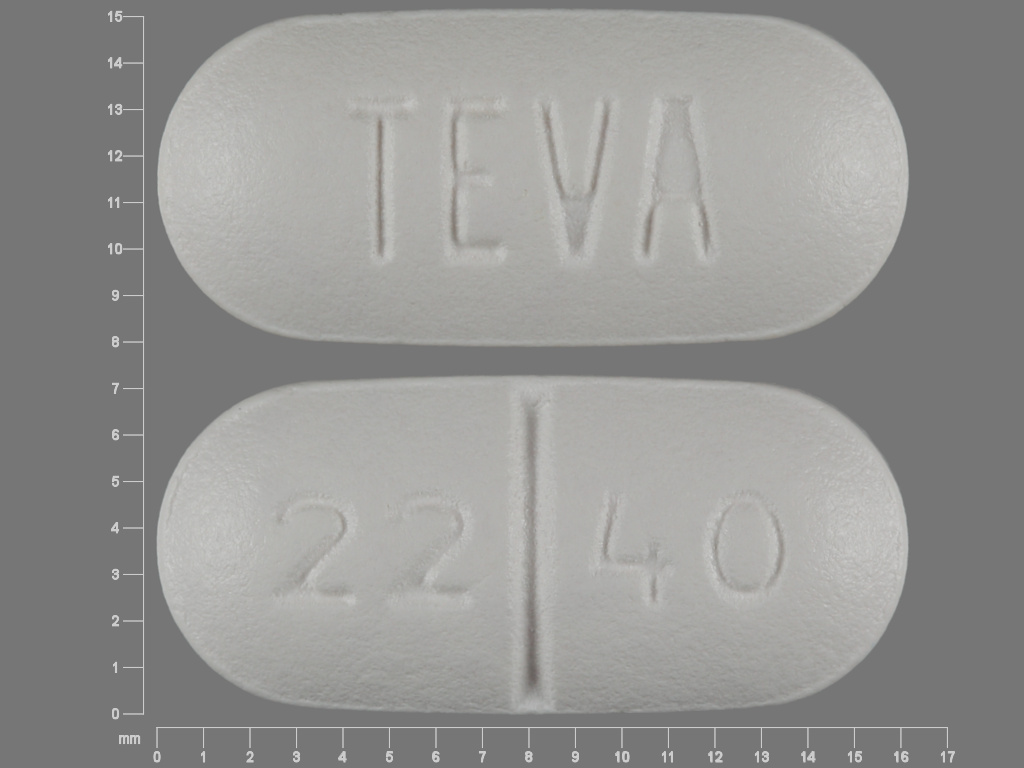
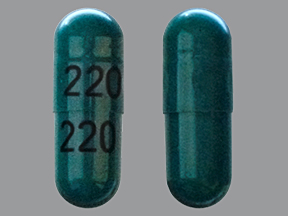
Drug class
Cephalexin is a semisynthetic cephalosporin antibacterial agent that acts as a bactericidal by inhibiting bacterial cell-wall synthesis.
Uses
Cephalexin is indicated for bacterial infections including: "respiratory tract infection," "otitis media," "skin and skin structure infections," "bone infections," and "genitourinary tract infections" caused by susceptible organisms. The drug should only be used for proven or suspected bacterial infections to prevent antibiotic resistance.
Warnings
Key warnings include: - Hypersensitivity reactions: "Allergic reactions in the form of rash, urticaria, angioedema, anaphylaxis" and severe skin reactions may occur; cross-reactivity with penicillins possible in up to 10% of penicillin-allergic patients - C. difficile-associated diarrhea: May range from mild to fatal colitis - Hemolytic anemia: Drug-induced hemolytic anemia possible; monitor if anemia develops - Seizure potential: "Several cephalosporins have been implicated in triggering seizures, particularly in patients with renal impairment" - Prolonged prothrombin time: Risk in patients with renal/hepatic impairment
Contraindications
4 CONTRAINDICATIONS Cephalexin is contraindicated in patients with known hypersensitivity to cephalexin or other members of the cephalosporin class of antibacterial drugs. Patients with known hypersensitivity to cephalexin or other members of the cephalosporin class of antibacterial drugs. (4)
Overdose
10 OVERDOSAGE Symptoms of oral overdose may include nausea, vomiting, epigastric distress, diarrhea, and hematuria. In the event of an overdose, institute general supportive measures. Forced diuresis, peritoneal dialysis, hemodialysis, or charcoal hemoperfusion have not been established as beneficial for an overdose of cephalexin.
Drug interactions
7 DRUG INTERACTIONS • Metformin: increased metformin concentrations. Monitor for hypoglycemia. ( 7.1 ) • Probenecid- The renal excretion of cephalexin is inhibited by probenecid. Co-administration of probenecid with cephalexin is not recommended. ( 7.2 ) • Administration of cephalexin may result in a false-positive reaction glucose in the urine. ( 7.3 ) 7.1 Metformin Administration of cephalexin with metformin results in increased plasma metformin concentrations and decreased renal clearance of metformin. Careful patient monitoring and dose adjustment of metformin is recommended in patients concomitantly taking cephalexin and metformin [ see Clinical Pharmacology ( 12.3 )] 7.2 Probenecid The renal excretion of cephalexin is inhibited by probenecid. Co-administration of probenecid with cephalexin is not recommended. 7.3 Interaction with Laboratory or Diagnostic Testing A false-positive reaction may occur when testing for the presence of glucose in the urine using Benedict’s solution or Fehling’s solution.
Dosage & administration
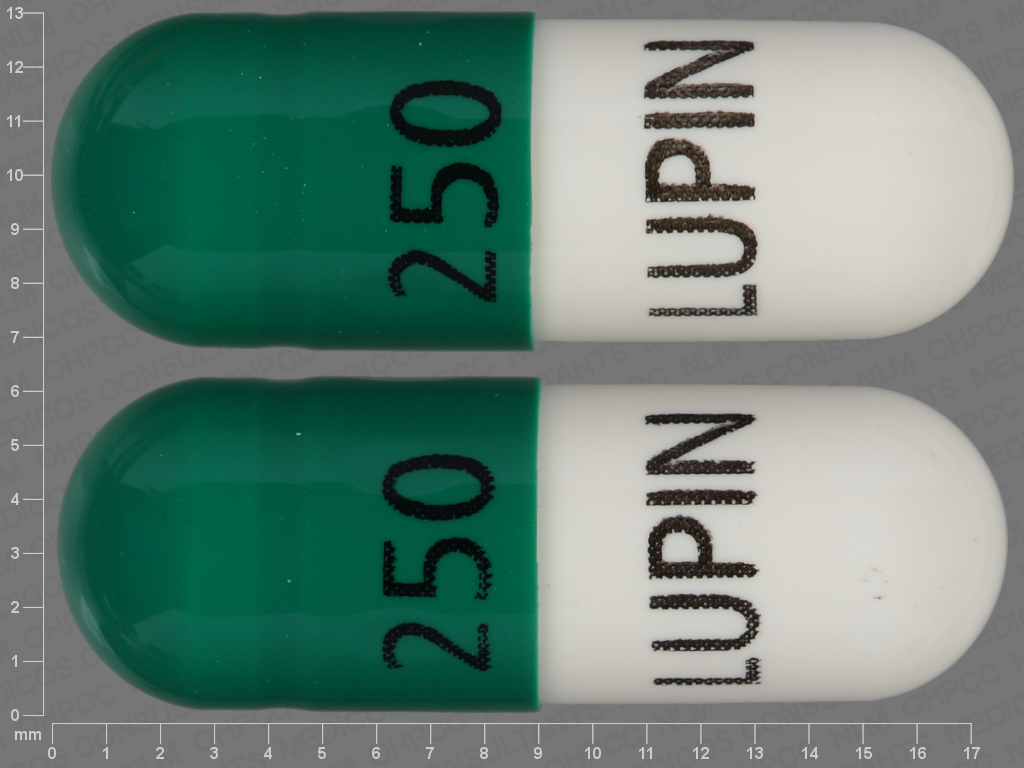
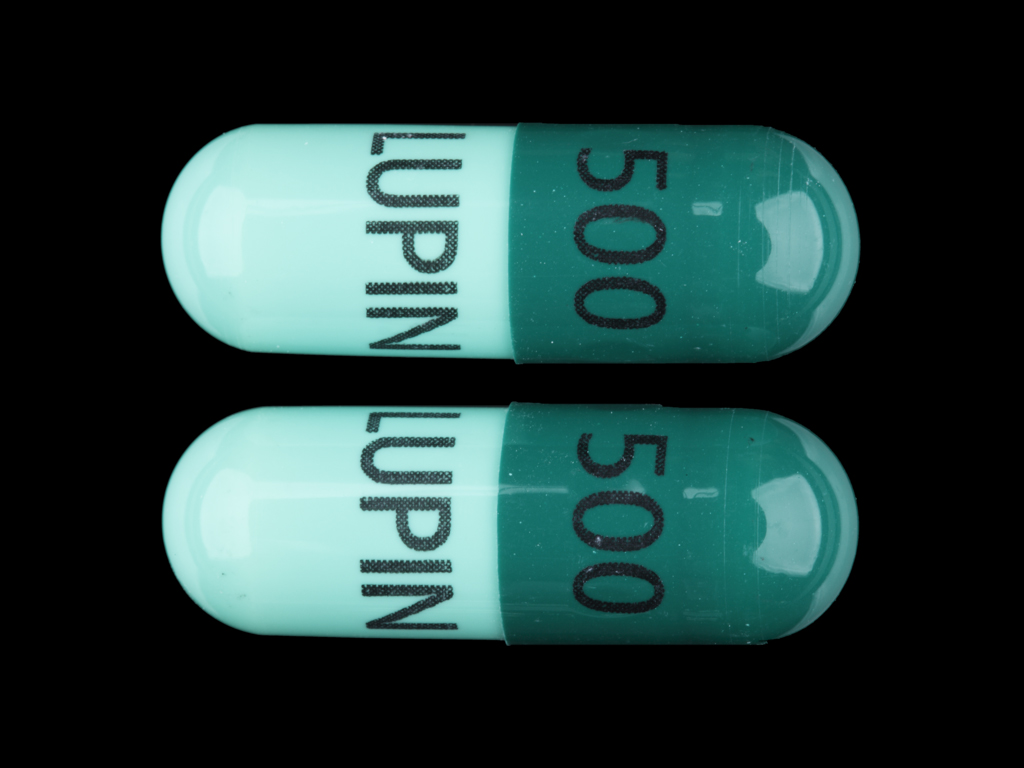
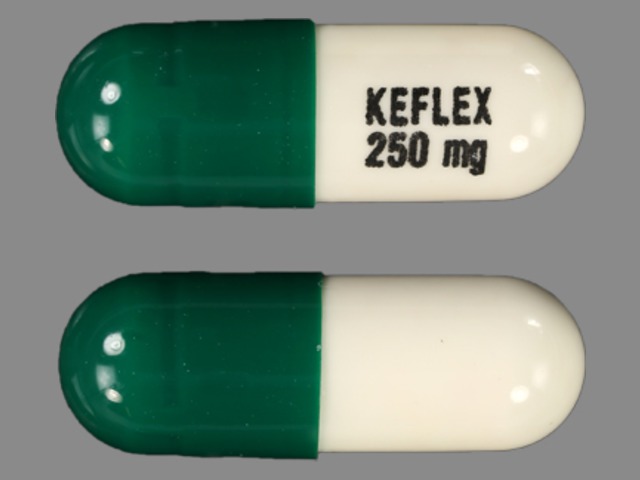
2 DOSAGE & ADMINISTRATION Adults and patients at least 15 years of age The usual dose is 250 mg every 6 hours, but a dose of 500 mg every 12 hours may be administered ( 2.1 ) Pediatric patients (over 1 year of age) • Otitis media: 75 to 100 mg/kg in equally divided doses every 6 hours ( 2.2 ) • All other indications: 25 to 50 mg/kg given in equally divided doses ( 2.2 ) • In severe infections: 50 to 100 mg/kg may be administered in equally divided doses ( 2.2 ) • Duration of therapy ranges from 7 to14 days depending on the infection type and severity. ( 2 ) • Dosage adjustment is required in patients with severe and end stage renal disease (ESRD) defined as creatinine clearance below 30 mL/min. ( 2.3 ) 2.1 Adults and Pediatric Patients at Least 15 Years of Age The usual dose of oral Cephalexin capsule, USP is 250 mg every 6 hours, but a dose of 500 mg every 12 hours may be administered. Treatment is administered for 7 to 14 days. For more severe infections larger doses of oral Cephalexin capsules, USP may be needed, up to 4 grams daily in two to four equally divided doses. 2.2 Pediatric Patients (over 1 year of age) The recommended total daily dose of oral Cephalexin capsules, USP for pediatric patients is 25 to 50 mg/kg given in equally divided doses for 7 to 14 days. In the treatment of β-hemolytic streptococcal infections, duration of at least 10 days is recommended. In severe infections, a total daily dose of 50 to 100 mg/kg may be administered in equally divided doses. For the treatment of otitis media, the recommended daily dose is 75 to 100 mg/kg given in equally divided doses. 2.3 Dosage Adjustments in Adult and Pediatric Patients at Least 15 Years of Age with Renal Impairment Administer the following dosing regimens for Cephalexin capsules, USP to patients with renal impairment [see Warnings and Precautions (5.4) and Use in Specific Populations (8.6)] . Table 1. Recommended Dose Regimen for Patients with Renal Impairment Renal function Dose regimen recommendation Creatinine clearance >60mL/min. No dose adjustment Creatinine clearance 30 to 59 mL/min No dose adjustment; maximum daily dose should not exceed 1 g Creatinine clearance 15 to 29 mL/min 250 mg, every 8 hours or every 12 hours Creatinine clearance 5 to 14 mL/min not yet on dialysis* 250 mg, every 24 hours Creatinine clearance 1 to 4 mL/min not yet on dialysis* 250 mg, every 48 hours or every 60 hours *There is insufficient information to make dose adjustment recommendations in patients on hemodialysis.
Side effects
"The most common adverse reactions associated with cephalexin include diarrhea, nausea, vomiting, dyspepsia and abdominal pain." Other reported reactions include hypersensitivity, genital candidiasis, headache, and transient hepatitis.