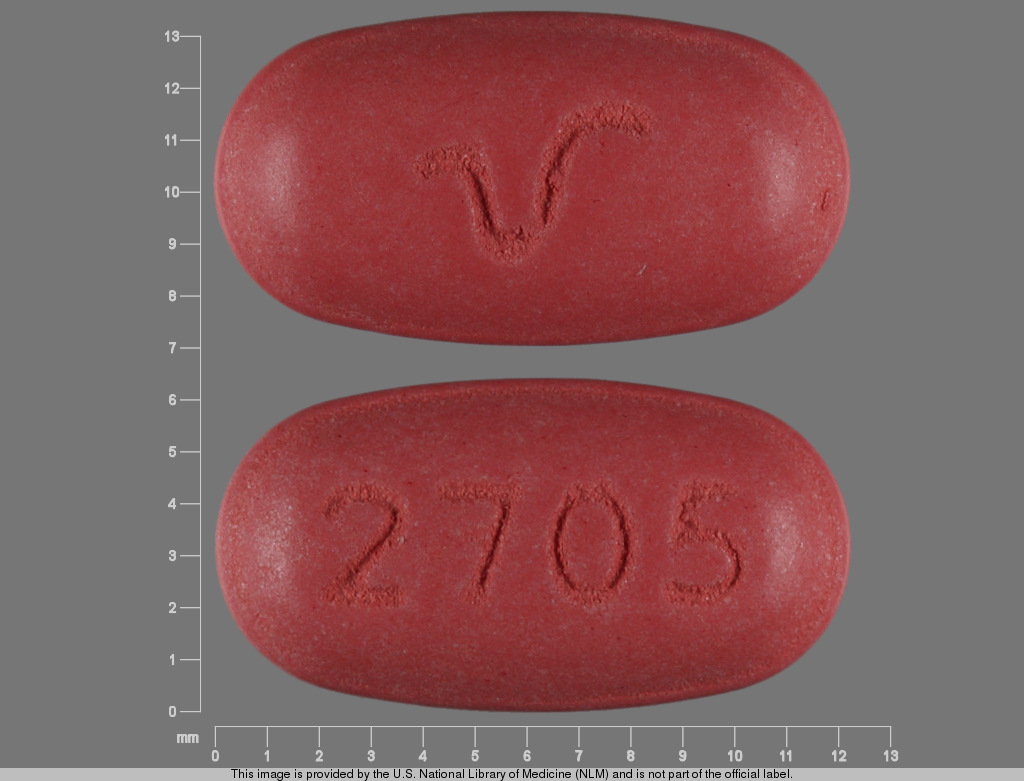
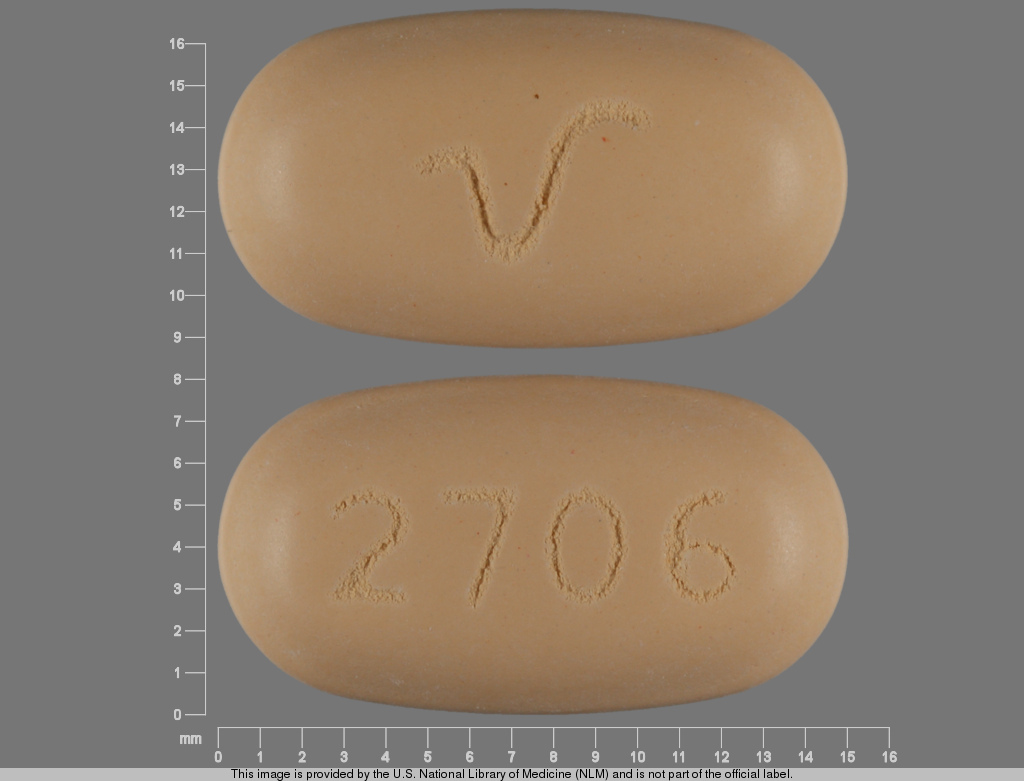
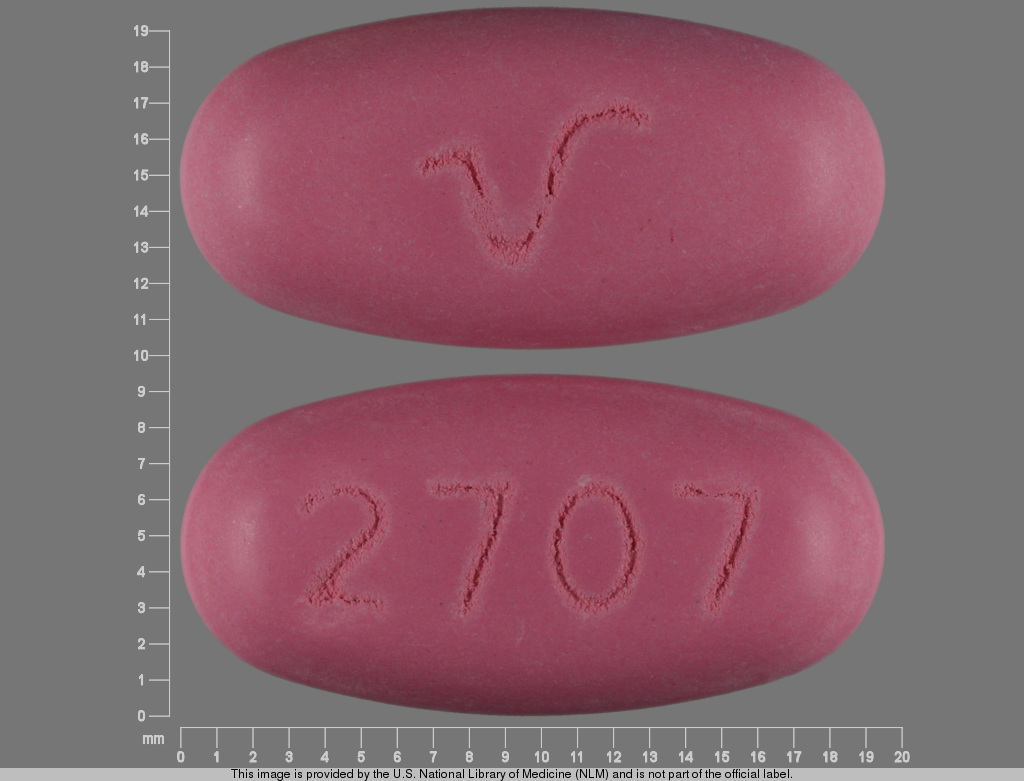
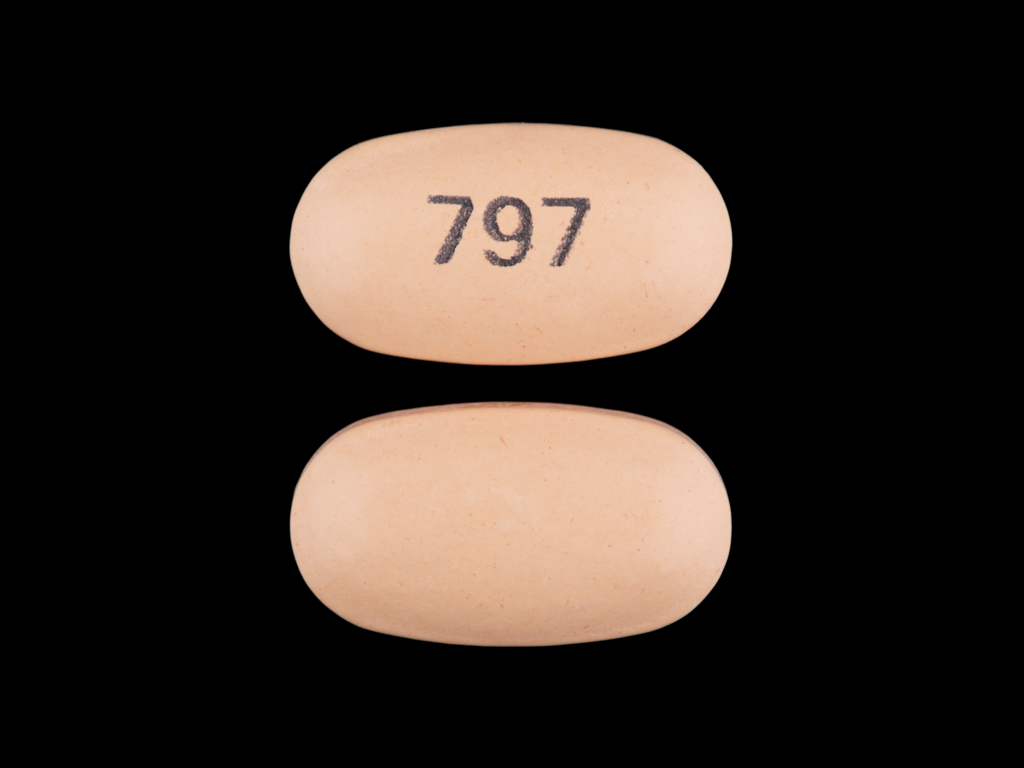
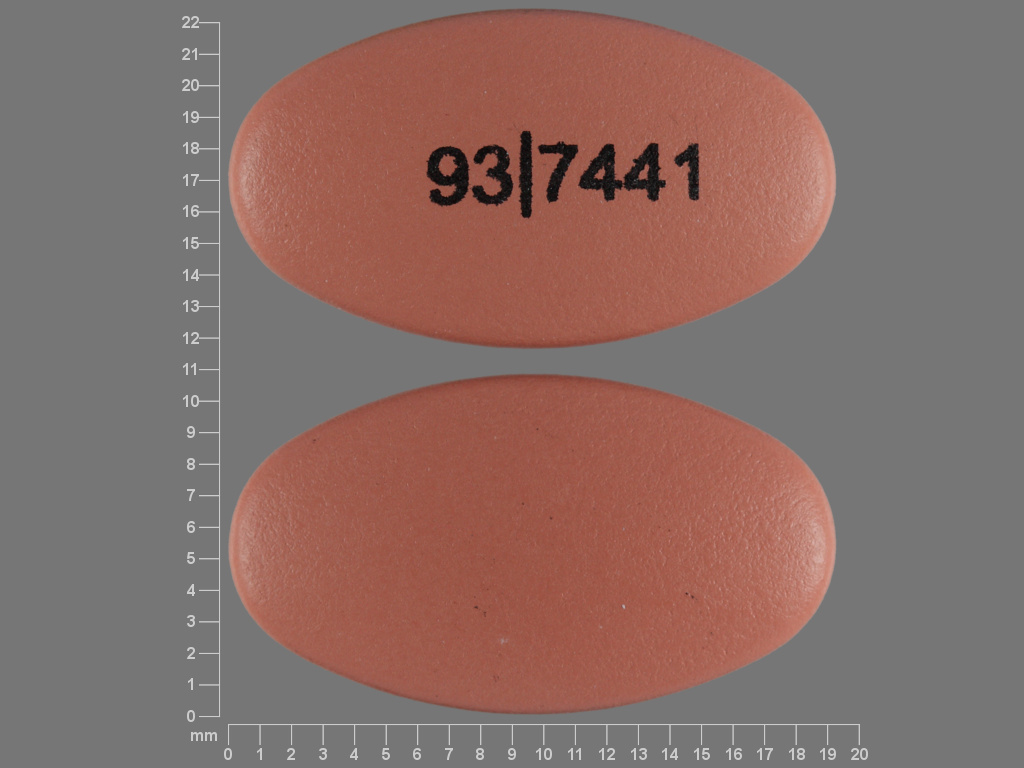
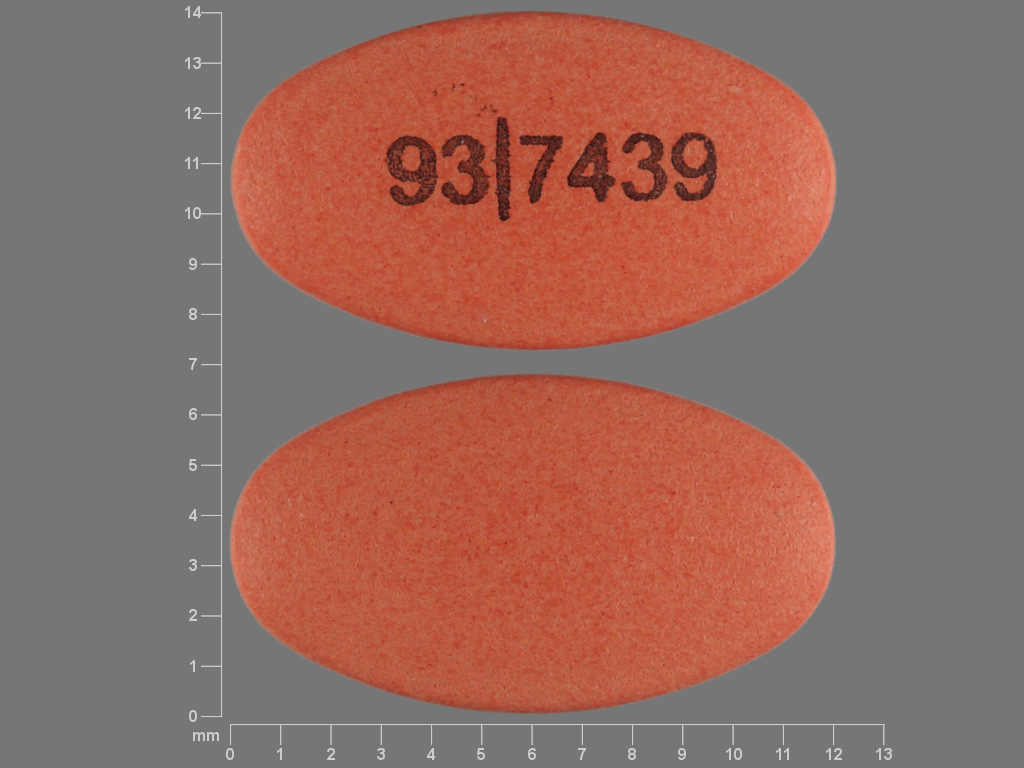
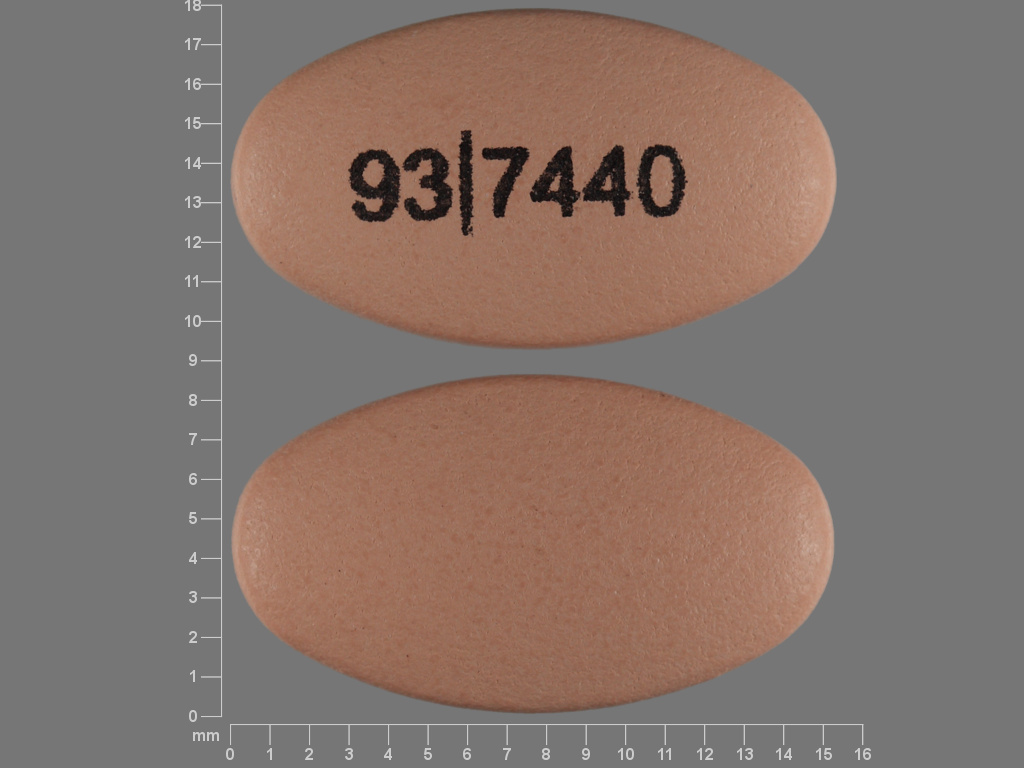
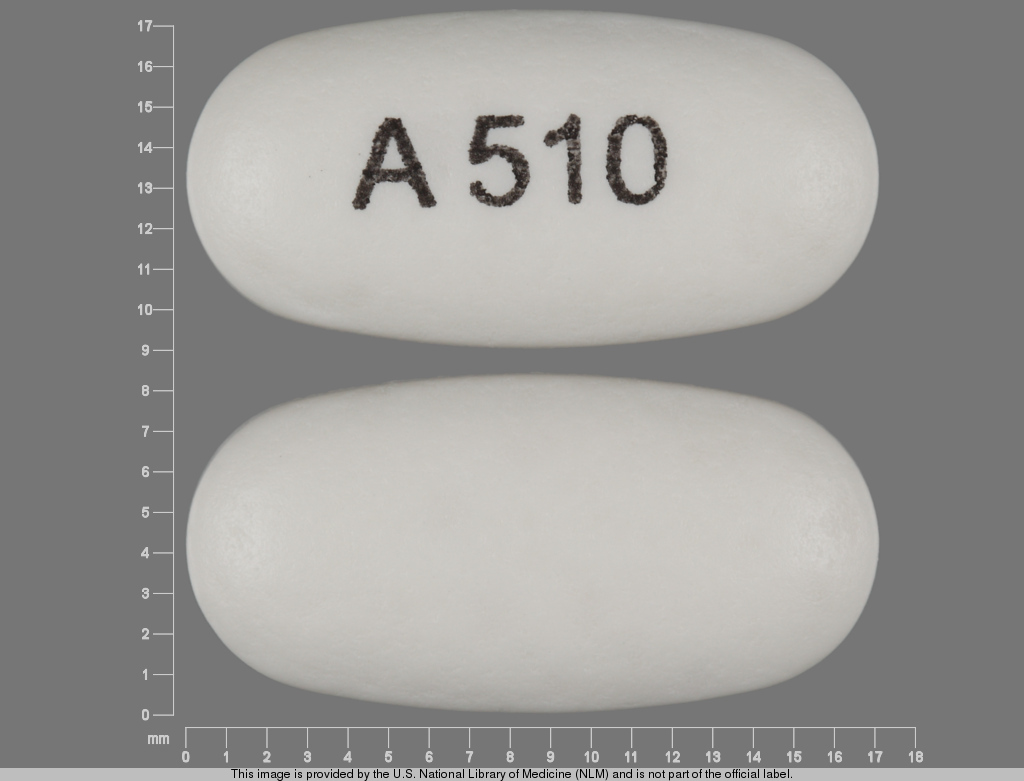
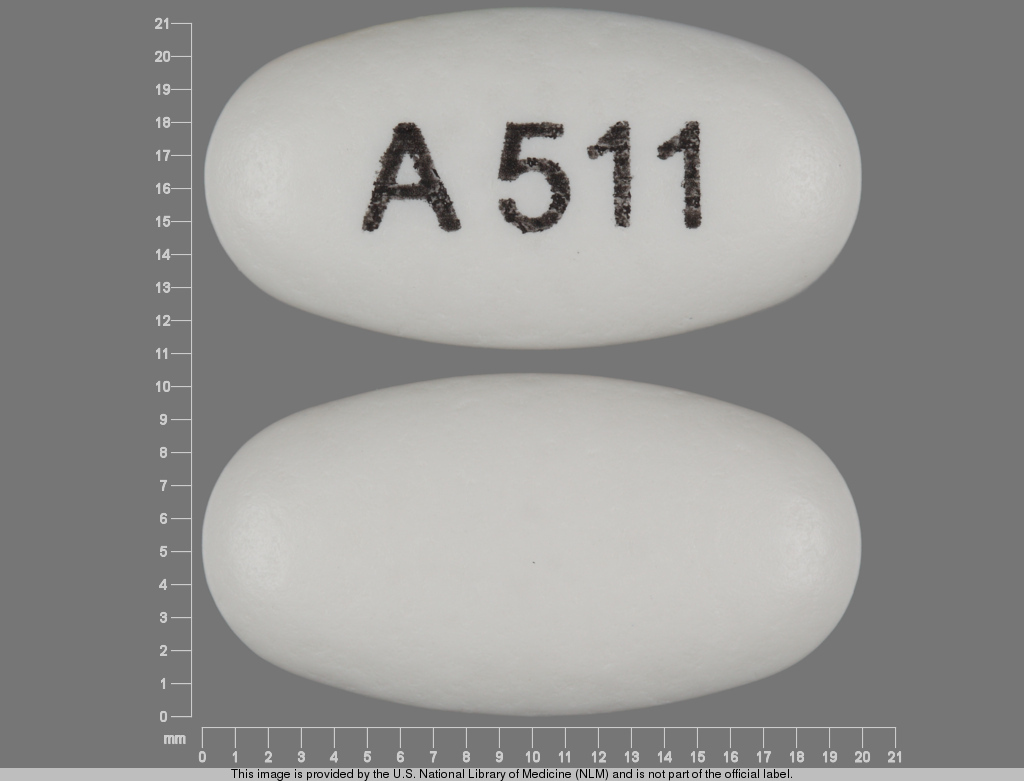
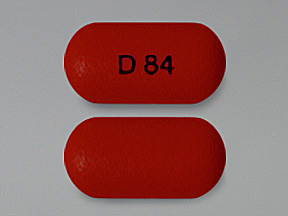
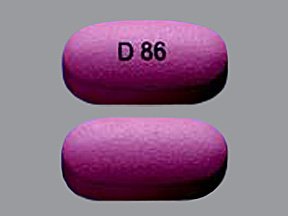
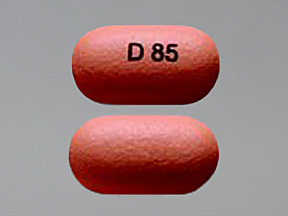
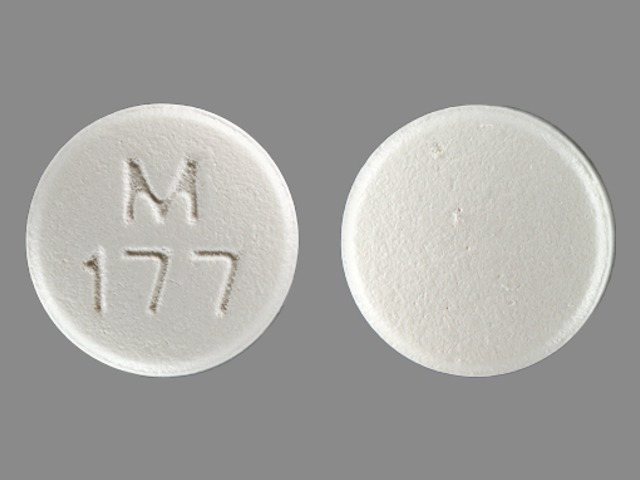
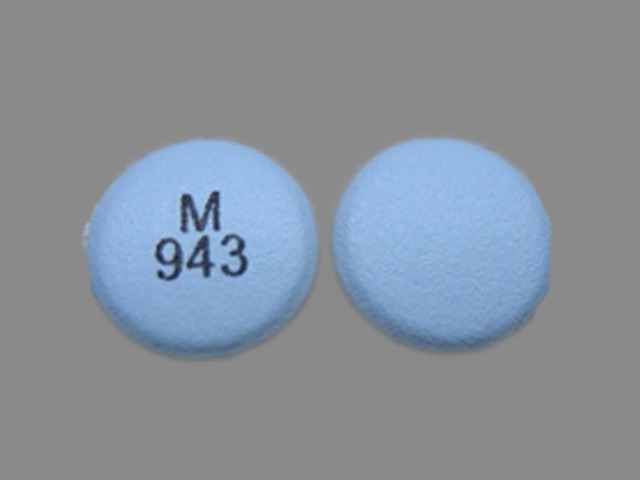
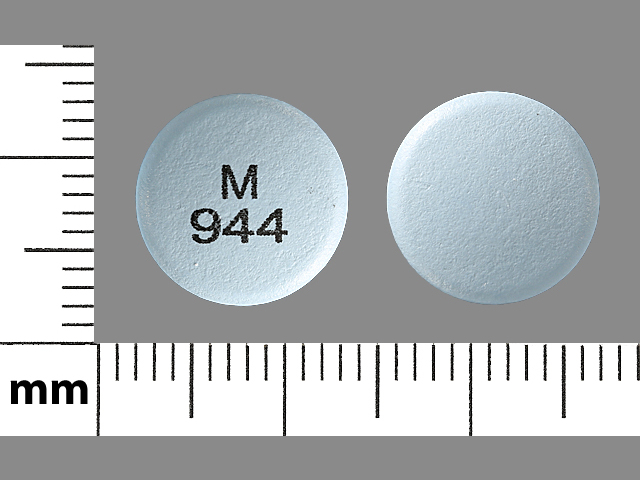
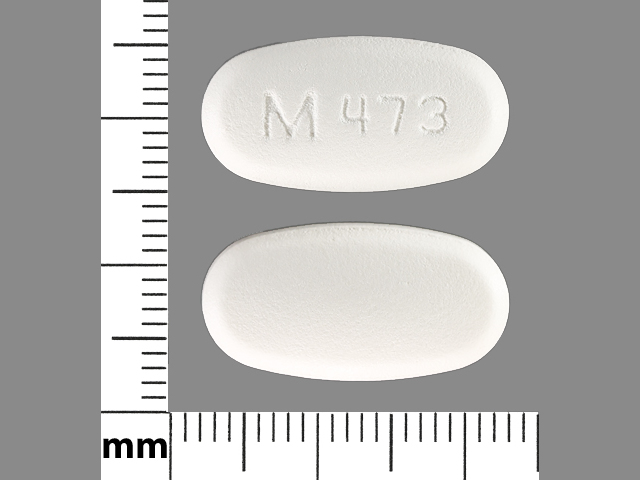
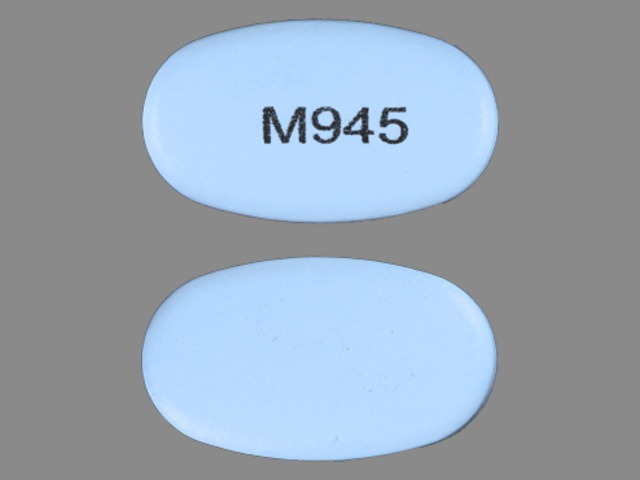
Drug class
Antiepileptic drug (a valproate product) - divalproex sodium dissociates in the GI tract to the valproate ion, whose precise mechanism of antiepileptic and mood-stabilizing action has not been fully established.
Uses
Divalproex sodium is indicated for: "treatment of the manic episodes associated with bipolar disorder," "monotherapy and adjunctive therapy of complex partial seizures" and simple and complex absence seizures, and "prophylaxis of migraine headaches."
Warnings
BOXED WARNING describing three life-threatening risks. Hepatotoxicity: "hepatic failure resulting in fatalities has occurred... usually during the first six months of treatment," with children under two and patients with mitochondrial disorders at greatest risk. Fetal risk: "valproate can cause major congenital malformations, particularly neural tube defects" and "decreased IQ scores and neurodevelopmental disorders following in utero exposure," so it should not be used for migraine prophylaxis in pregnant women or those of childbearing potential unless no alternative is acceptable. Pancreatitis: "life-threatening pancreatitis... some described as hemorrhagic with rapid progression from initial symptoms to death." Contraindicated in hepatic disease, known urea cycle disorders, known POLG-related mitochondrial disorders, and in pregnancy for migraine prevention.
Side effects
Most common adverse reactions, reported in 15% or more of patients in at least one indication, include "abdominal pain, alopecia, asthenia, diarrhea, diplopia, dizziness, headache, infection, insomnia, nausea, somnolence, thrombocytopenia, tremor, vomiting." Other notable risks include hyperammonemia and, as with other antiepileptic drugs, increased risk of suicidal thoughts or behavior.