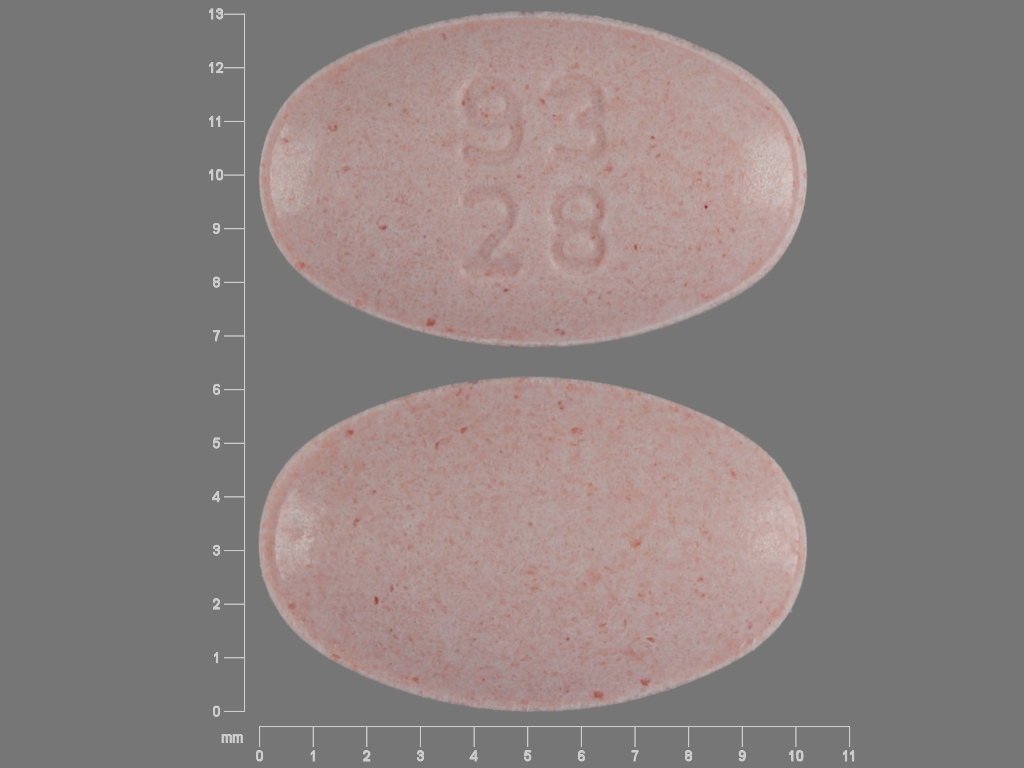
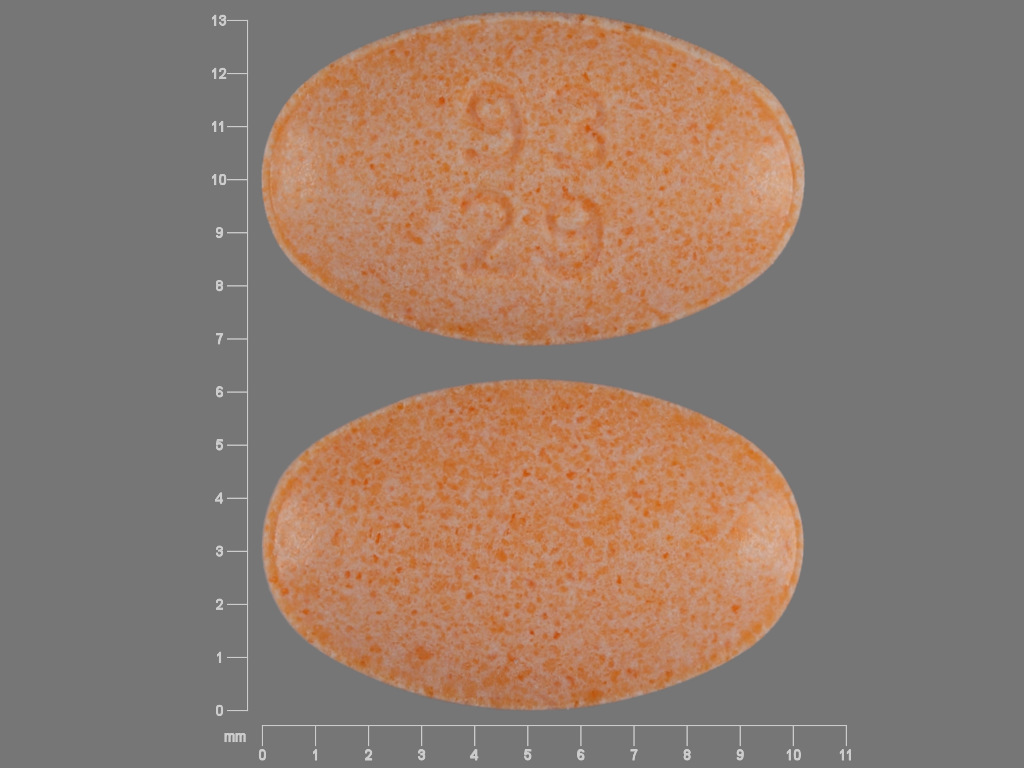
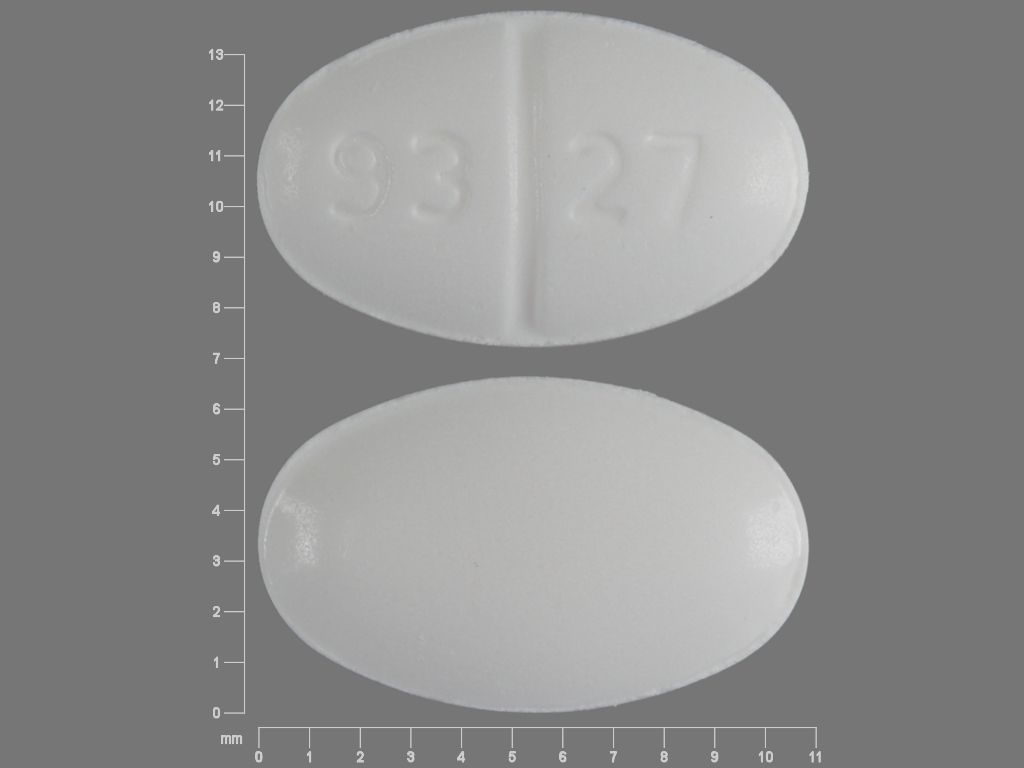
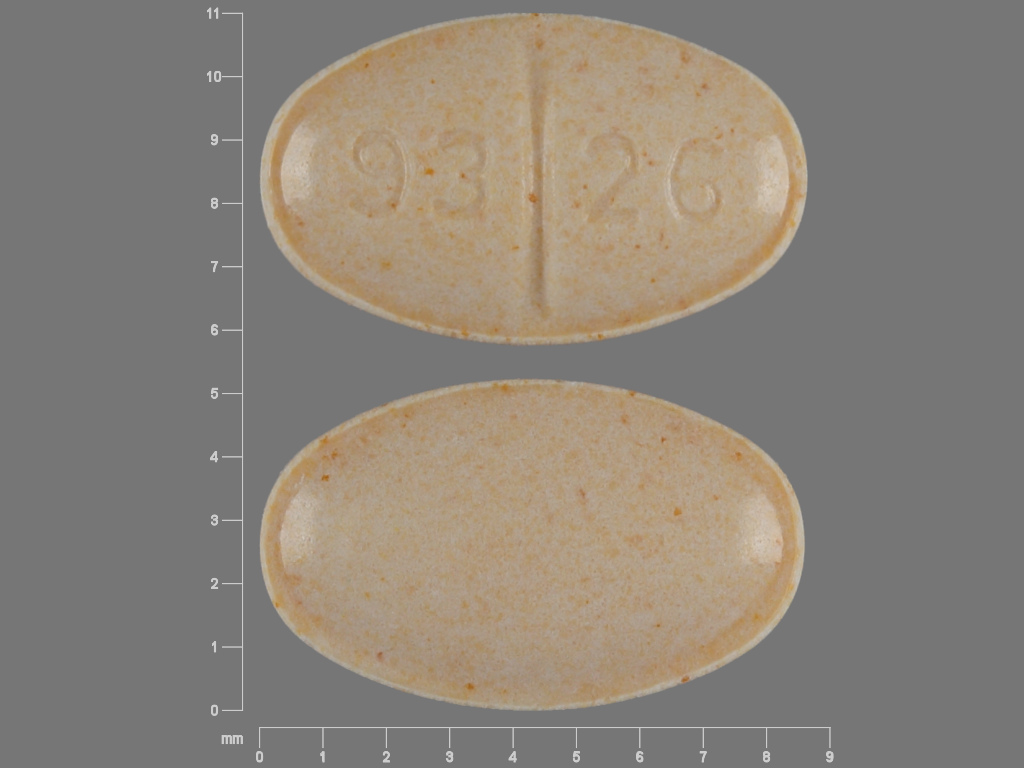
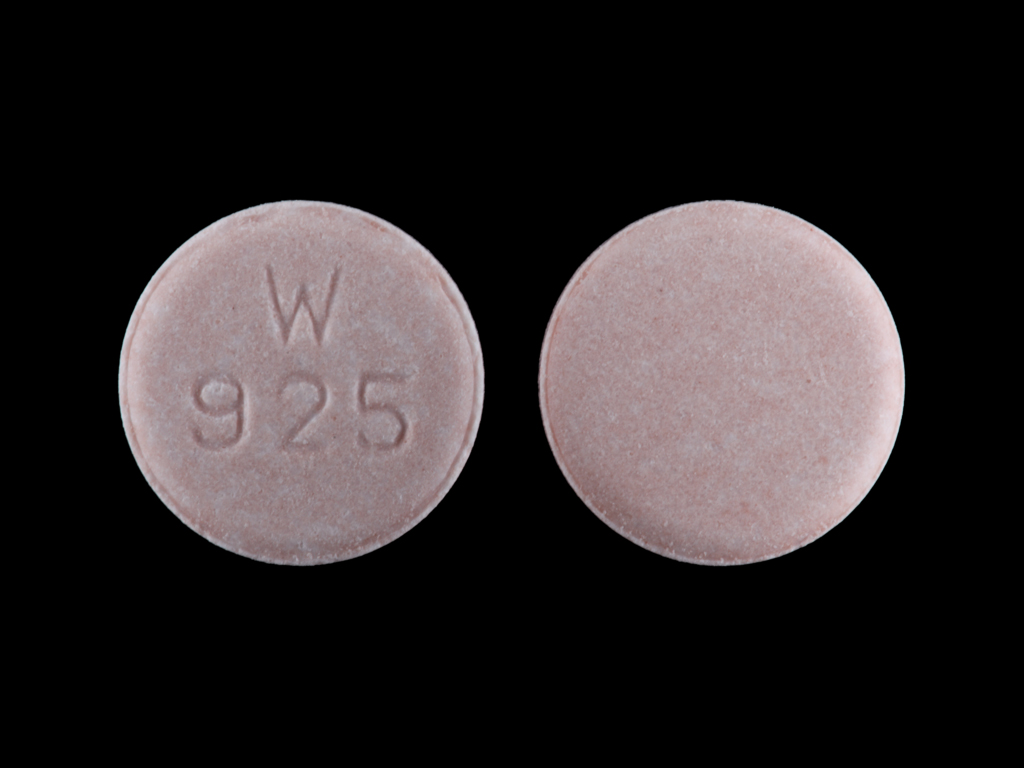
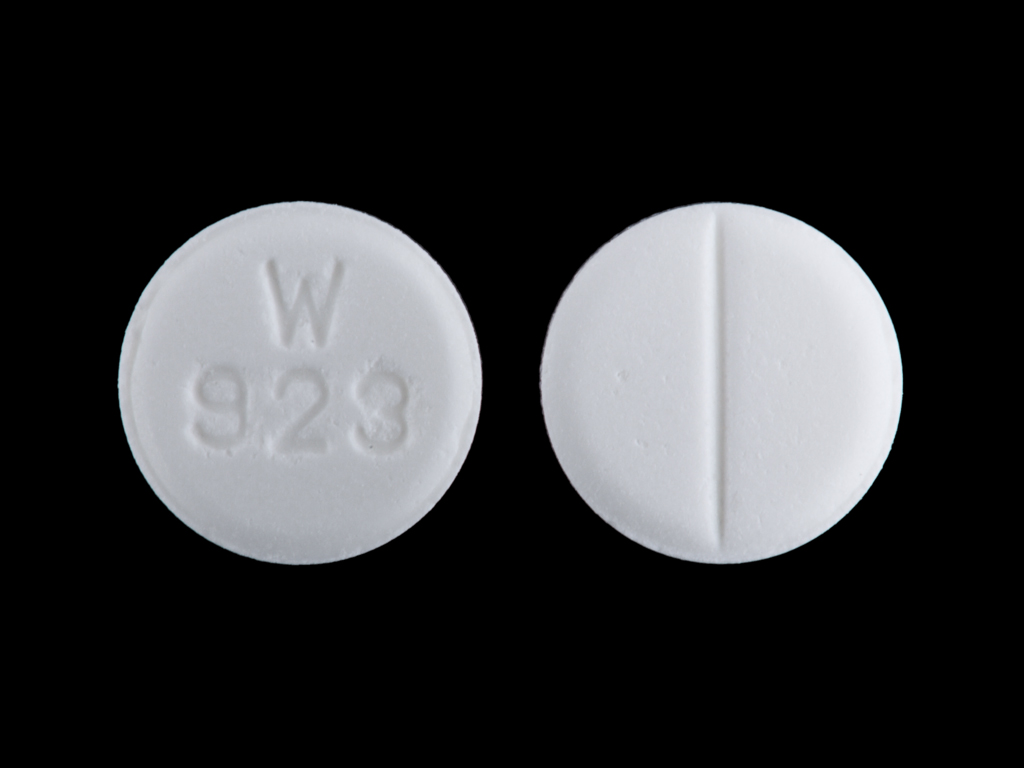
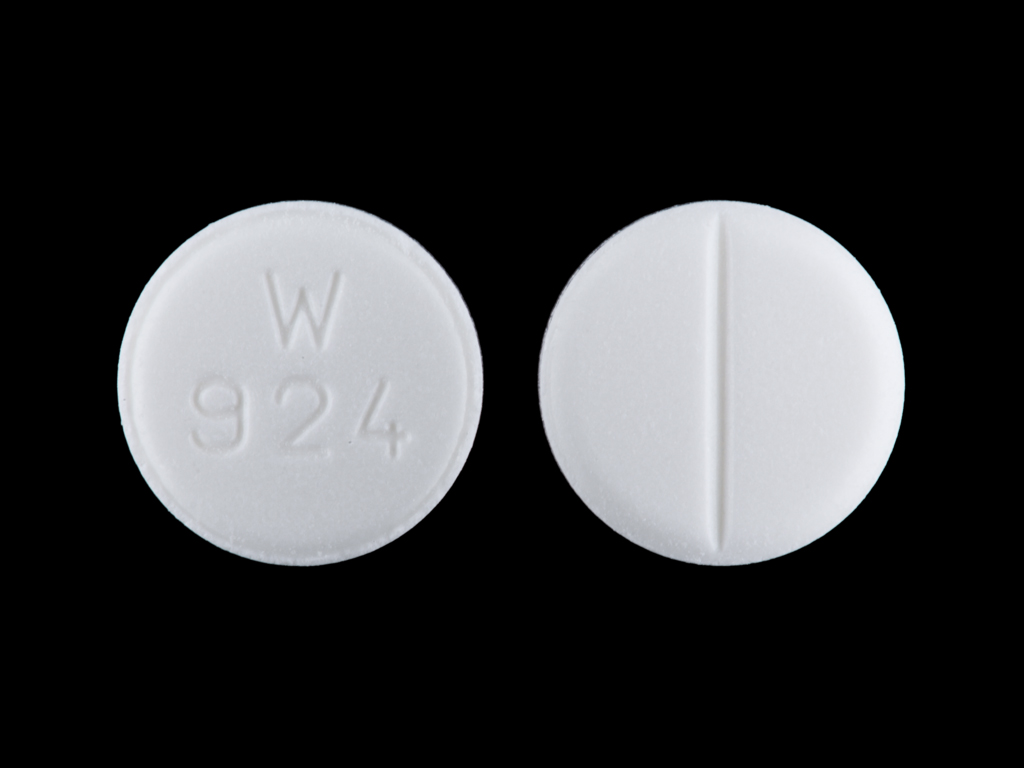
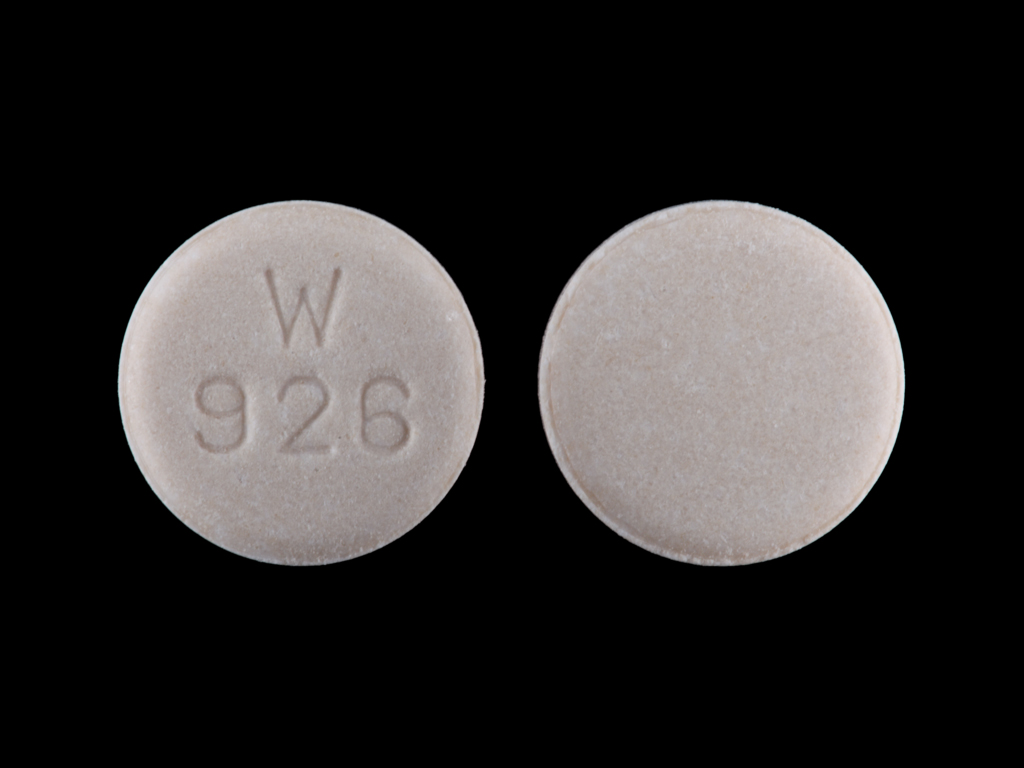
Drug class
"Angiotensin-converting enzyme (ACE) inhibitor" - after oral administration, enalapril maleate is bioactivated to enalaprilat, which "inhibits angiotensin-converting enzyme (ACE)," suppressing the "renin-angiotensin-aldosterone system" and decreasing vasopressor activity and aldosterone secretion.
Uses
Enalapril maleate is indicated for: - "Treatment of hypertension," alone or combined with other antihypertensive agents, particularly thiazide diuretics - "Treatment of symptomatic congestive heart failure, usually in combination with diuretics and digitalis" - Asymptomatic left ventricular dysfunction (ejection fraction ≤35%), where it "decreases the rate of development of overt heart failure."
Boxed warning
WARNING: FETAL TOXICITY When pregnancy is detected, discontinue enalapril maleate as soon as possible [see Warnings and Precautions (5.1) ]. Drugs that act directly on the renin-angiotensin system can cause injury and death to the developing fetus [see Warnings and Precautions (5.1) ]. WARNING: FETAL TOXICITY See full prescribing information for complete boxed warning. When pregnancy is detected, discontinue enalapril maleate as soon as possible. ( 5.1 ) Drugs that act directly on the renin-angiotensin system can cause injury and death to the developing fetus. ( 5.1 )
Warnings
BOXED WARNING: Fetal Toxicity - "When used in pregnancy during the second and third trimesters, ACE inhibitors can cause injury and even death to the developing fetus." Key warnings: "Angioedema of the face, extremities, lips, tongue, glottis and/or larynx has been reported," which may be fatal with laryngeal involvement; risk of excessive hypotension, especially with volume depletion, heart failure, or diuretic use; may cause "oliguria and/or progressive azotemia and rarely...acute renal failure"; available data are "insufficient to show that enalapril maleate does not" cause agranulocytosis. Contraindicated in patients hypersensitive to the product or with a "history of angioedema related to previous treatment with an angiotensin converting enzyme inhibitor."
Contraindications
4 CONTRAINDICATIONS Enalapril maleate is contraindicated in patients with: a history of angioedema or hypersensitivity related to previous treatment with an angiotensin converting enzyme (ACE) inhibitor [see Warnings and Precautions (5.2) ]. hereditary or idiopathic angioedema [see Warnings and Precautions (5.2) ]. Do not co-administer aliskiren with enalapril maleate in patients with diabetes [see Drug Interactions (7.2) ] . Enalapril maleate is contraindicated in combination with a neprilysin inhibitor (e.g., sacubitril). Do not administer enalapril maleate within 36 hours of switching to or from sacubitril/valsartan, a neprilysin inhibitor [see Warnings and Precautions (5.2) ] . Hypersensitivity related to previous treatment with an ACEI. ( 4 ) Hereditary or idiopathic angioedema. ( 4 ) Do not co-administer aliskiren in patients with diabetes. ( 4 ) In combination with a neprilysin inhibitor. ( 4 )
Overdose
10 OVERDOSAGE Limited data are available in regard to overdosage in humans. Single oral doses of enalapril above 1,000 mg/kg and ≥1,775 mg/kg were associated with lethality in mice and rats, respectively. The most likely manifestation of overdosage would be hypotension, for which the usual treatment would be intravenous infusion of normal saline solution. Enalaprilat may be removed from general circulation by hemodialysis and has been removed from neonatal circulation by peritoneal dialysis.
Drug interactions
7 DRUG INTERACTIONS In patients who are elderly, volume-depleted (as on diuretic therapy), or with compromised renal function, use with NSAIDs, including selective COX-2 inhibitors, may result in deterioration of renal function, including renal failure. Monitor renal function periodically. ( 7.1 ) Dual inhibition of the renin-angiotensin system: Increased risk of renal impairment, hypotension and hyperkalemia. ( 7.2 ) Avoid potassium sparing agents in patients with heart failure. ( 7.3 ) Monitor serum lithium levels frequently. ( 7.4 ) 7.1 Non-Steroidal Anti-Inflammatory Agents (NSAIDs) Including Selective Cyclooxygenase-2 Inhibitors (COX-2 Inhibitors) In patients who are elderly, volume-depleted (including those on diuretic therapy), or with compromised renal function, co-administration of NSAIDs, including selective COX-2 inhibitors, with ACE inhibitors, including enalapril, may result in deterioration of renal function, including possible acute renal failure. These effects are usually reversible. Monitor renal function periodically in patients receiving enalapril and NSAID therapy. In a clinical pharmacology study, indomethacin or sulindac was administered to hypertensive patients receiving enalapril maleate. In this study, there was no evidence of a blunting of the antihypertensive action of enalapril maleate. However, reports suggest that NSAIDs may diminish the antihypertensive effect of ACE inhibitors. 7.2 Dual Blockade of the Renin-Angiotensin System (RAS) Dual blockade of the RAS with angiotensin receptor blockers, ACE inhibitors, or aliskiren is associated with increased risks of hypotension, hyperkalemia, and changes in renal function (including acute renal failure) compared to monotherapy. In most patients no benefit has been associated with using two RAS inhibitors concomitantly. In general, avoid combined use of RAS inhibitors. Closely monitor blood pressure, renal function and electrolytes in patients on enalapril maleate and other agents that affect the RAS. Do not co-administer aliskiren with enalapril maleate in patients with diabetes. Avoid use of aliskiren with enalapril maleate in patients with renal impairment (GFR <60 mL/min). 7.3 Agents Increasing Serum Potassium Enalapril maleate attenuates potassium loss caused by thiazide-type diuretics. Potassium-sparing diuretics (e.g., spironolactone, triamterene, or amiloride), potassium supplements, or potassium-containing salt substitutes may lead to significant increases in serum potassium. 7.4 Lithium Lithium toxicity has been reported in patients receiving enalapril and lithium concomitantly which was generally reversible. It is recommended that serum lithium levels be monitored frequently if enalapril is administered concomitantly with lithium. 7.5 Gold Nitritoid reactions (symptoms include facial flushing, nausea, vomiting, and hypotension) have been reported rarely in patients on therapy with injectable gold (sodium aurothiomalate) and concomitant ACE inhibitor therapy including enalapril. 7.6 mTOR Inhibitors Patients taking concomitant mTOR inhibitor (e.g., temsirolimus, sirolimus, everolimus) therapy may be at increased risk for angioedema [see Warnings and Precautions (5.2) ]. 7.7 Neprilysin Inhibitor Patients taking concomitant neprilysin inhibitors may be at increased risk for angioedema [see Warnings and Precautions (5.2) ] .
Dosage & administration
2 DOSAGE AND ADMINISTRATION Hypertension Adult: recommended initial dose is 5 mg once daily. Maximum dose is 40 mg daily. ( 2.1 ) Pediatrics: recommended starting dose is 0.08 mg/kg (up to 5 mg) once daily. ( 2.1 ) Heart Failure: Initiate at 2.5 mg twice daily. Titrate up to 20 mg twice daily as tolerated. ( 2.2 ) Asymptomatic Left Ventricular Dysfunction: Initiate at 2.5 mg twice daily. Titrate up to 10 mg twice daily. ( 2.3 ) Enalapril maleate oral solution is a ready-to-use solution intended for oral use only. 2.1 Hypertension Adults : The recommended initial dose in adults is 5 mg taken orally once a day. Titrate upward to maximum of 40 mg daily as needed to help achieve blood pressure goals. The dose may be divided and administered twice daily if the antihypertensive effect diminishes at the end of the dosing interval. Use with diuretics: If additional blood pressure reduction is needed, enalapril maleate oral solution may be administered with a low dose of diuretic. The recommended initial dose in patients taking diuretics is 2.5 mg daily. Dosage Adjustment for Renal Impairment: See table below. The dosage may be titrated upward as needed to a maximum of 40 mg daily. Renal Status Creatinine-Clearance mL/min Initial Dose mg/day Normal or Mild Impairment of Renal Function >30 mL/min 5 mg Moderate to Severe Impairment ≤30 mL/min 2.5 mg Dialysis Patients*† – 2.5 mg * = [See Warnings and Precautions (5.2) ]. † = Should be taken after hemodialysis on dialysis days [see Clinical Pharmacology (12.3) ] . Calculated using ideal body weight. Children greater than 1 month of age: The usual recommended starting dose is 0.08 mg/kg (up to 5 mg) once daily. Adjust dose based on blood pressure response. Doses above 0.58 mg/kg (or in excess of 40 mg) have not been studied in pediatric patients [see Clinical Pharmacology (12.3) ] . Enalapril maleate oral solution is not recommended in neonates (i.e., infants 1 month of age or less), preterm infants who have not reached a corrected post-conceptual age of 44 weeks, and in pediatric patients with glomerular filtration rate <30 mL/min/1.73 m 2 . 2.2 Heart Failure The recommended initial dose is 2.5 mg twice a day titrated up to a maximum of 20 mg twice a day, as tolerated. Doses are usually given in combination with diuretics and digitalis. In patients with hyponatremia (serum sodium less than 130 mEq/L) or serum creatinine greater than 1.6 mg/dL, the recommended initial dose is 2.5 mg once daily. Diuretic dose may need to be adjusted to minimize hypovolemia and hypotension. The appearance of hypotension after the initial dose of enalapril maleate oral solution does not preclude subsequent careful dose titration with the drug, following effective management of the hypotension. 2.3 Asymptomatic Left Ventricular Dysfunction The recommended initial dose is 2.5 mg twice a day titrated up to a maximum of 10 mg twice a day, as tolerated. Diuretic dose may need to be adjusted [see Dosage and Administration (2.1) ] .
Side effects
In hypertension patients, common reactions included headache (5.2%), dizziness (4.3%), fatigue (3.0%), nausea and diarrhea (1.4% each), and cough (1.3%). In heart failure patients, dizziness (7.9%), hypotension (6.7%), diarrhea (2.1%), cough and orthostatic effects (2.2% each), and syncope (2.2%) were reported.