Overview
Hydrochlorothiazide is a thiazide diuretic, often called a "water pill." It is also an antihypertensive, meaning it lowers blood pressure. It has been prescribed since the late 1950s, and its long track record, low cost and extensive outcome data keep it among the most commonly dispensed medicines worldwide. It is a standard first-line choice for high blood pressure and a long-established option for reducing fluid retention. It is also a building block for combination tablets: hundreds of products pair it with another blood pressure medicine in a single pill.
This page covers what hydrochlorothiazide is, how it acts in the body, how it is typically taken, which warnings and interactions matter most, and how its use differs in pregnancy, childhood, older age and people with kidney or liver disease. It also includes practical notes for anyone trying to identify a tablet or capsule. It is general reference material and cannot replace advice from a doctor or pharmacist who knows an individual's health history.
Uses
Hydrochlorothiazide is approved for two broad purposes: treating hypertension (high blood pressure) and managing edema (fluid retention).
Hypertension. High blood pressure usually causes no symptoms, yet over years it raises the likelihood of stroke, heart attack, heart failure and kidney damage. Hydrochlorothiazide may be the only blood pressure medicine a person takes, or it may be added to another one, because thiazides tend to strengthen the effect of ACE inhibitors, angiotensin receptor blockers, beta-blockers and calcium channel blockers. Large clinical trials of thiazide-type diuretics have shown reductions in stroke and cardiovascular events, which is a major reason these drugs remain guideline-recommended starting options.
Edema. Fluid can build up in the legs, ankles, abdomen or lungs when the heart, liver or kidneys are not working normally, and as a side effect of some medicines. Hydrochlorothiazide is labeled for edema linked to congestive heart failure, hepatic cirrhosis, and treatment with corticosteroids or estrogens. It is also used for edema from kidney disorders such as nephrotic syndrome, acute glomerulonephritis and chronic kidney failure. By helping the kidneys release more salt and water, it can reduce visible swelling and lessen the workload on the heart. Compared with loop diuretics such as furosemide, it produces a gentler, longer-lasting diuresis, which suits mild to moderate fluid retention better than urgent fluid overload.
Uses outside the labeling. Clinicians sometimes prescribe hydrochlorothiazide to reduce recurrence of calcium-containing kidney stones in people who pass a lot of calcium in their urine, because thiazides lower urinary calcium. It is also used for nephrogenic diabetes insipidus, a condition in which the kidneys cannot concentrate urine. In that setting the drug paradoxically reduces urine volume. It has also been used to help preserve bone density in some older adults, since the calcium-sparing effect may slow bone loss, although this is not a labeled purpose.
Brand names and combination products. Single-ingredient hydrochlorothiazide is mostly sold as a generic under its own name. Microzide is a brand name for the capsule form, and INZIRQO is a brand name for an oral suspension. More commonly, the drug appears in fixed-dose combinations. Well-known brands include Diovan HCT (valsartan and hydrochlorothiazide), Lotensin HCT (benazepril and hydrochlorothiazide), Atacand HCT (candesartan cilexetil and hydrochlorothiazide), Ziac (bisoprolol fumarate and hydrochlorothiazide), Vaseretic (enalapril maleate and hydrochlorothiazide) and Uniretic (moexipril and hydrochlorothiazide). Other familiar pairings include lisinopril (Zestoretic), losartan (Hyzaar), irbesartan (Avalide), olmesartan (Benicar HCT), telmisartan (Micardis HCT), and the potassium-sparing diuretics triamterene (Maxzide, Dyazide) and spironolactone (Aldactazide). Many of these are also sold as generics labeled with the ingredient names, such as "valsartan and hydrochlorothiazide" or "bisoprolol fumarate and hydrochlorothiazide."
How hydrochlorothiazide works
Each day the kidneys filter a very large volume of fluid out of the blood and then reclaim most of the salt and water before urine is finalized. Hydrochlorothiazide acts in the distal convoluted tubule, a middle segment of the kidney's tubules. There it blocks the sodium-chloride cotransporter, a protein that normally moves sodium and chloride from the tubule fluid back into the bloodstream. With that pathway blocked, more sodium and chloride stay in the urine, and water follows them. The result is a mild to moderate increase in urine output and a reduction in the volume of fluid in the body.
Fluid loss alone does not fully explain the long-term blood pressure effect. In the first weeks, blood volume and cardiac output fall. With continued use, blood volume partly recovers, yet blood pressure stays lower because resistance in the small arteries has dropped. Proposed explanations include changes in sodium and calcium handling within the walls of blood vessels and effects on vascular smooth muscle. This helps explain why the blood pressure benefit levels off at fairly modest amounts, while higher amounts mainly add more urine and more metabolic side effects.
Hydrochlorothiazide also shifts how the kidney handles other minerals. Because more sodium reaches the later part of the tubule, potassium is excreted in exchange, and magnesium losses rise as well. Unlike loop diuretics, thiazides decrease calcium excretion, so blood calcium may creep upward. Uric acid excretion falls because thiazides compete with uric acid for the same secretion pathway, which can raise blood uric acid and occasionally trigger gout. The drug can also modestly raise blood sugar and lipids, probably in part through lower potassium and effects on insulin release.
After swallowing, roughly two-thirds to three-quarters of a dose reaches the bloodstream. Absorption is slightly reduced in people with heart failure, in whom gut swelling may slow uptake. Diuresis begins within about two hours, peaks at roughly four hours and lasts about six to twelve hours. Hydrochlorothiazide is not meaningfully broken down by the liver. It is excreted largely unchanged in the urine, with an elimination half-life of around six to fifteen hours. Because kidneys do all the clearing, reduced kidney function lengthens the drug's time in the body and also weakens its diuretic effect, since the drug has to reach the tubule to work.
Dosage & administration
Forms and strengths. Hydrochlorothiazide is most often taken as an oral tablet, including film-coated tablets, or as a capsule. Single-ingredient tablets are commonly made in 12.5 mg, 25 mg and 50 mg strengths, while capsules are typically 12.5 mg. Oral liquids and suspensions also exist, including products described as 10 mg per mL and 50 mg per 5 mL, and a powder that is mixed into a suspension. Bulk powder appears in some product records. That material is a raw pharmaceutical ingredient used by manufacturers and compounding pharmacies, not something sold to consumers.
In combination tablets, the second ingredient and its amount are listed alongside hydrochlorothiazide. Examples include valsartan at 80, 160 or 320 mg; benazepril at 10 or 20 mg; candesartan cilexetil at 32 mg; enalapril maleate at 5 mg; moexipril hydrochloride at 15 mg; and bisoprolol fumarate at 2.5 or 5 mg, often with a small hydrochlorothiazide amount such as 6.25 mg. In combination products, the hydrochlorothiazide portion is often 12.5 mg or 25 mg, and a pharmacy label always states both amounts.
Typical use for high blood pressure. Hydrochlorothiazide is generally taken by mouth once a day, sometimes split into two doses. Prescribing practice has moved toward lower amounts over the decades, because much of the blood pressure benefit appears at modest levels, whereas potassium loss, rising blood sugar and uric acid increase with higher ones. Labeling states an upper daily limit, and prescribers usually stay well within it. A common pattern is to begin at the low end of the labeled range, check blood pressure and blood tests after a few weeks, and adjust only if needed. When a combination tablet is used, the dose of each ingredient is chosen together, so it is not unusual for a person to be moved to a combination after one ingredient alone has not been enough.
Typical use for edema. Regimens for fluid retention can differ from those for hypertension. Some people take it once daily, others in divided doses, and some are given an intermittent schedule, such as on alternate days or a few days a week, to limit electrolyte disturbance once swelling has come under control. The plan depends on the underlying condition, body weight changes and how the person responds. It is individually set by the prescriber.
Timing and food. It is usually taken in the morning, since the increase in urination can last for several hours and a late dose may mean getting up at night. It may be taken with or without food, and having it with a meal can help if it upsets the stomach. Liquid forms are normally measured with the oral syringe or dosing cup supplied, since household spoons vary in volume. Suspensions made from powder are prepared and stored according to the specific product's instructions. Bile acid binders such as cholestyramine and colestipol, if prescribed, are usually taken several hours apart from the diuretic (see interactions).
Long-term use and monitoring. For blood pressure, hydrochlorothiazide is typically a long-term medicine. Clinicians commonly check potassium, sodium, calcium, creatinine, uric acid and blood glucose before treatment or soon after it starts and then periodically. Because high blood pressure often causes no symptoms, people may feel no different on treatment, and that is expected. Any decision to change or pause treatment belongs to the prescriber.
Missed doses. Typical label advice is that a missed dose is taken when remembered unless it is almost time for the next one, and that doses are not doubled up. A pharmacist can give specifics for a given product, and may suggest not taking a late dose near bedtime because of the urination effect.
Identifying tablets and capsules
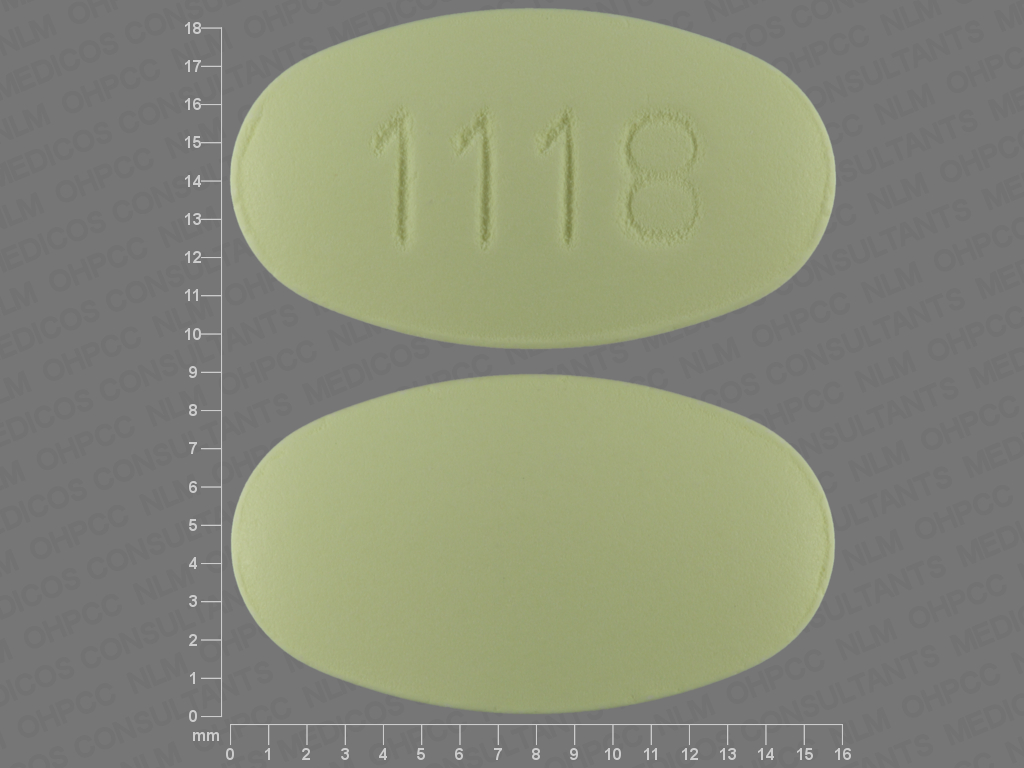
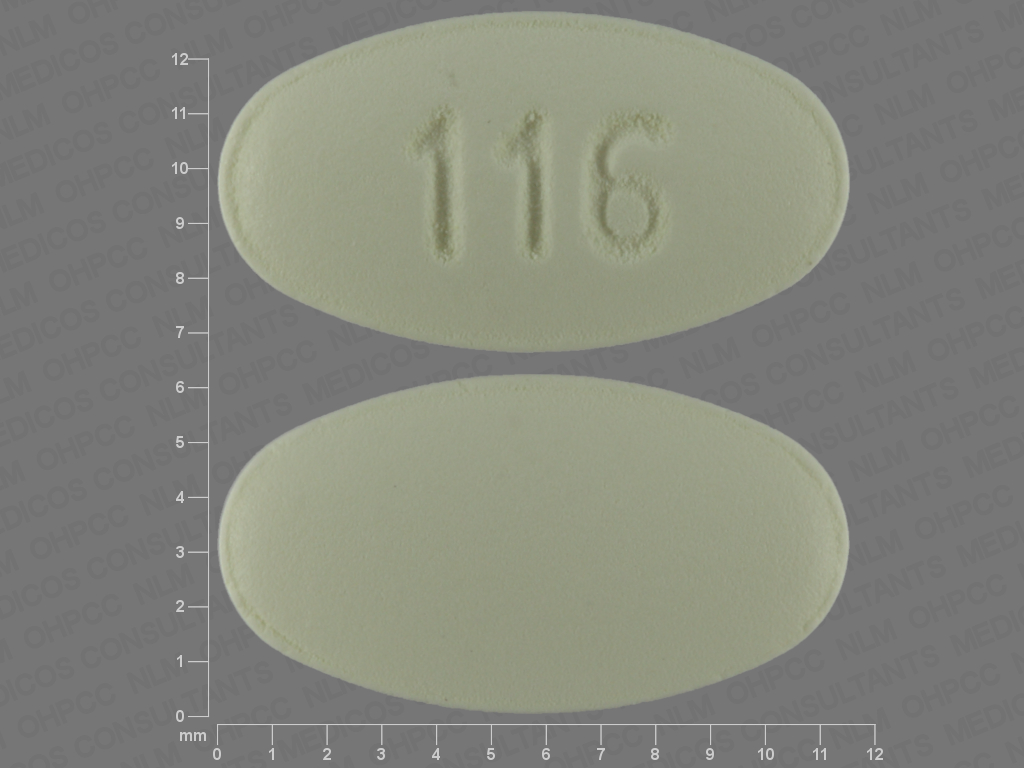
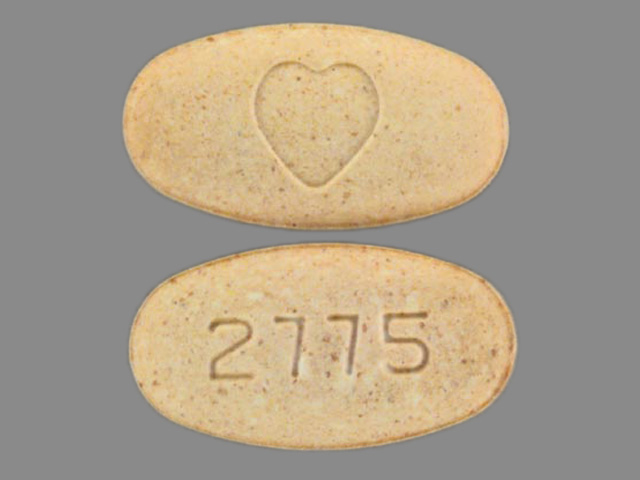
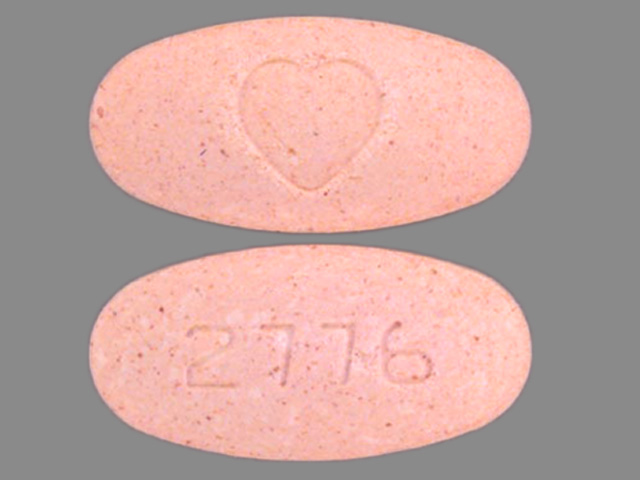
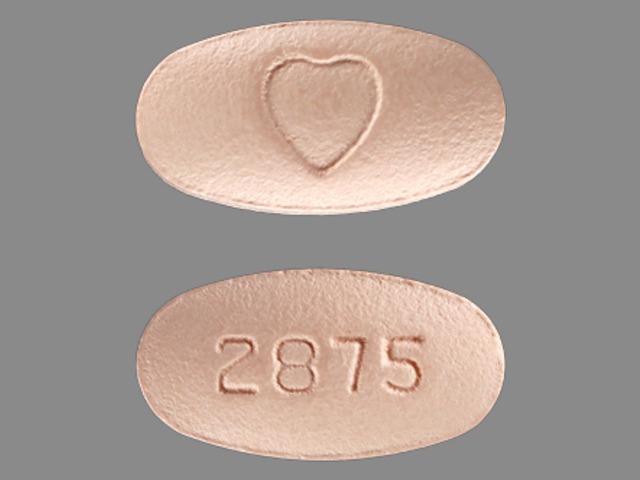
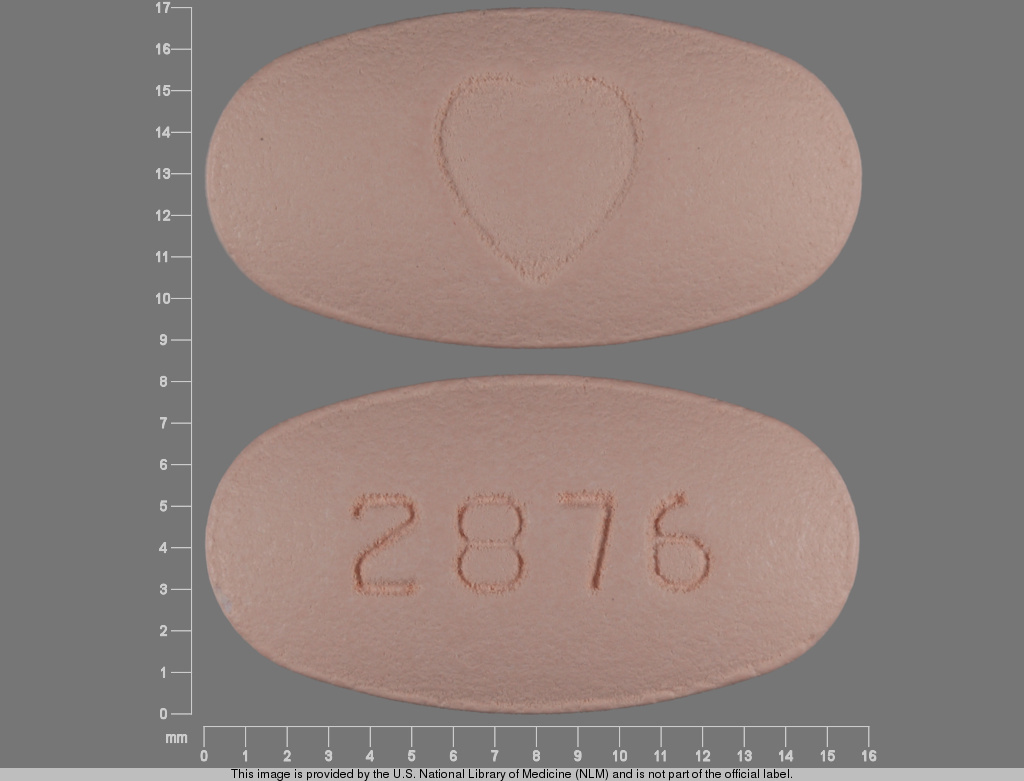
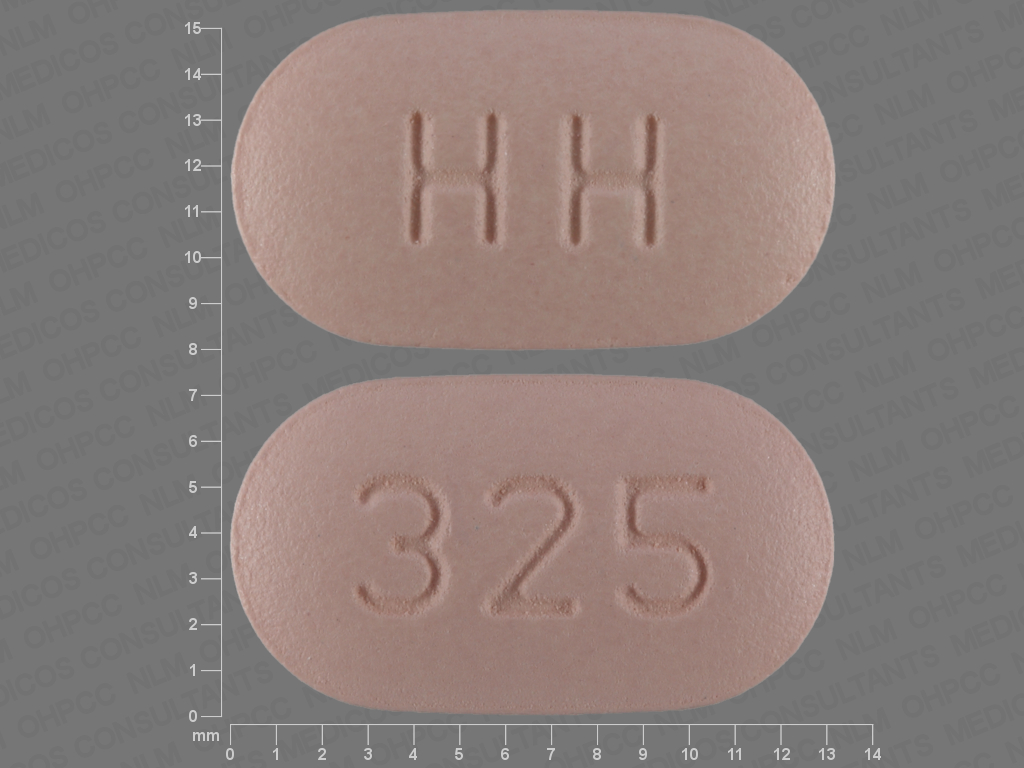
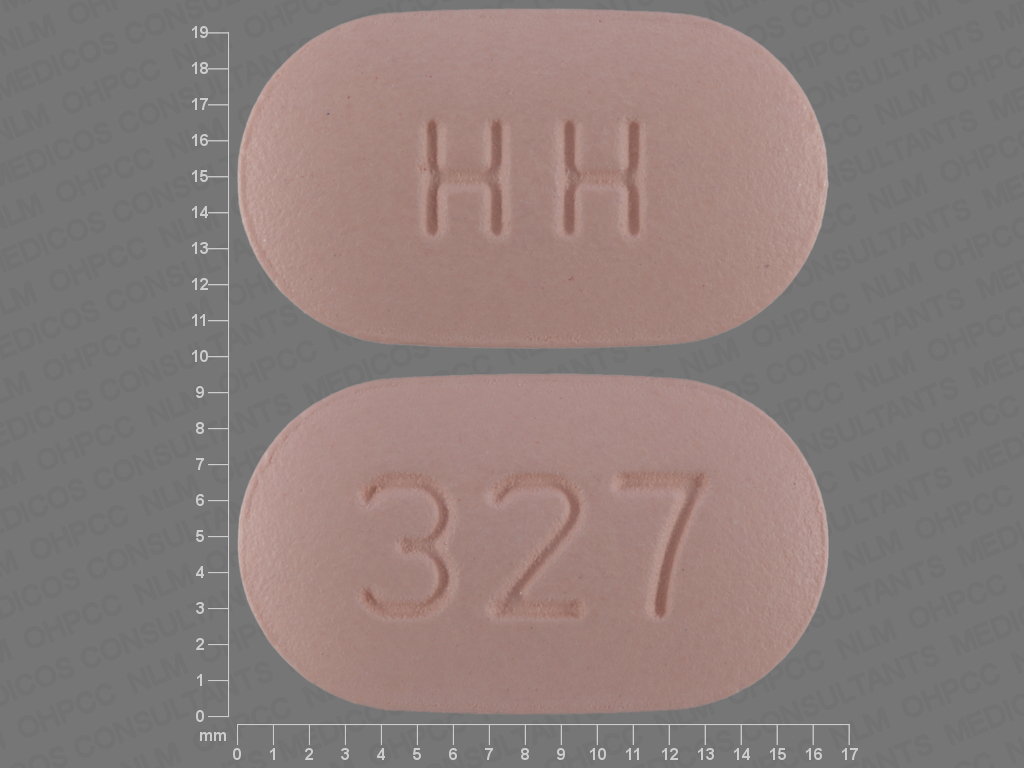
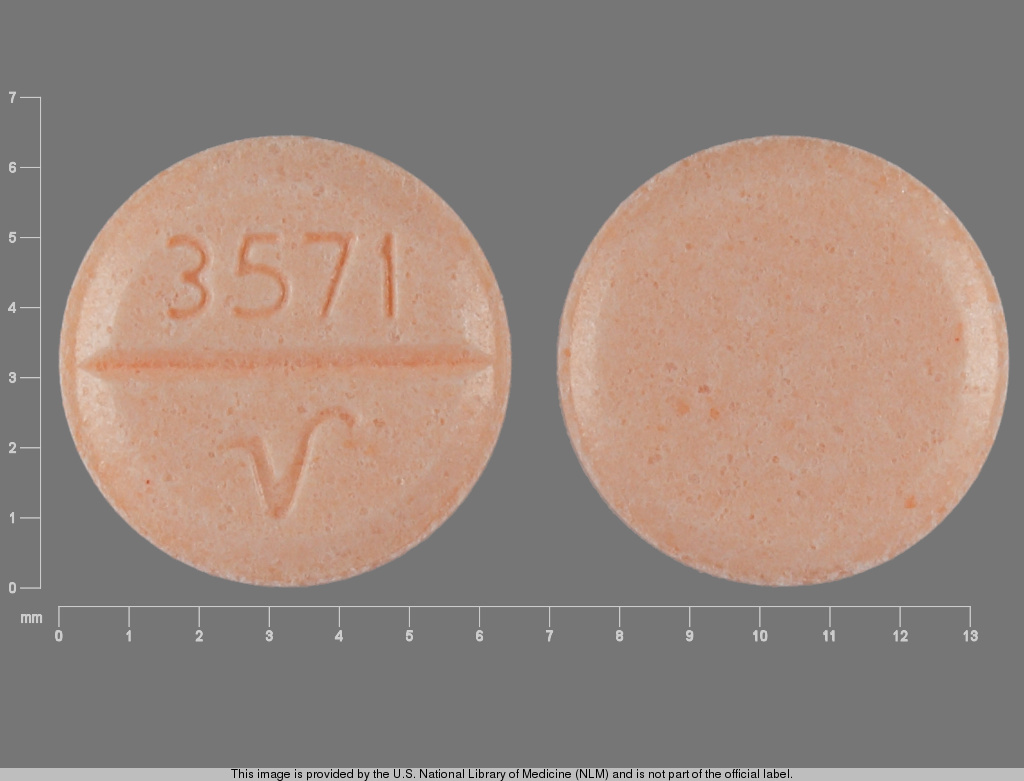
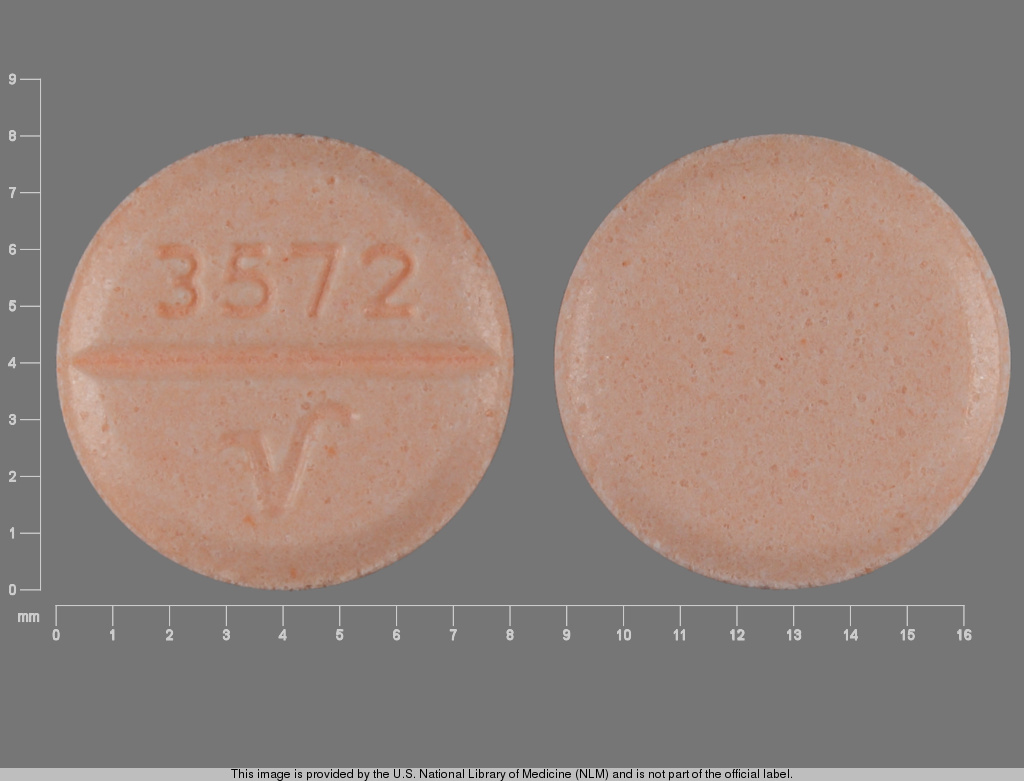
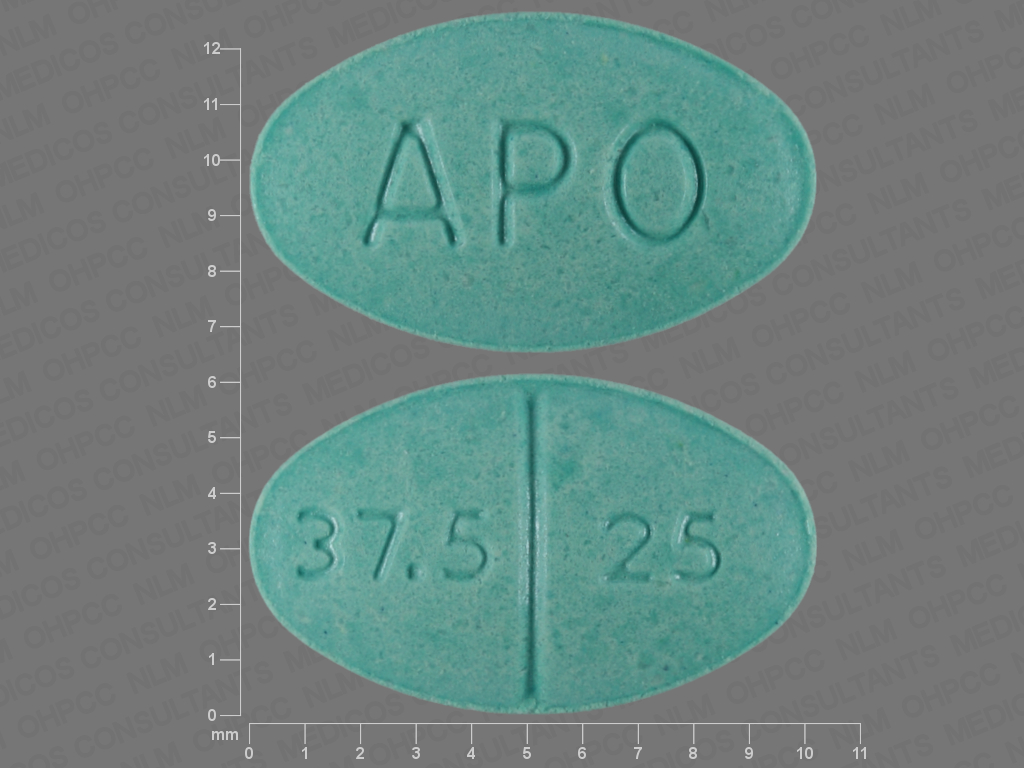
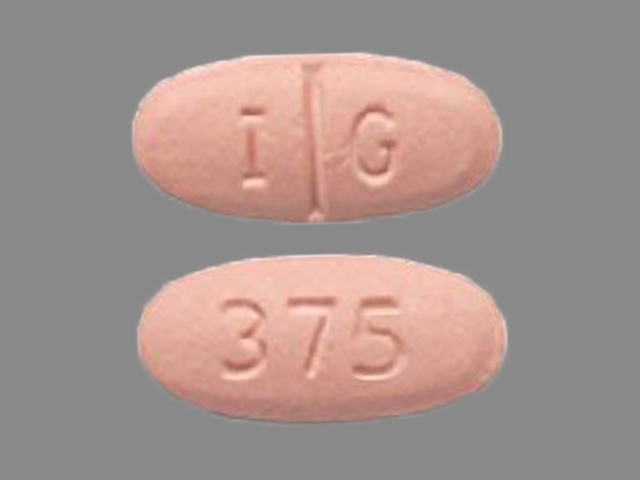
Dozens of manufacturers make hydrochlorothiazide, and the DailyMed database lists well over a thousand individual tablet, capsule and combination products containing it. As a result, the color, shape, size and markings of a hydrochlorothiazide pill vary greatly from one maker to another. A 25 mg tablet from one company may look nothing like a 25 mg tablet from another, and the same pharmacy may supply different looks at different refills.
The imprint code, combined with the strength printed on the pharmacy label, is the most dependable identifier. Combination tablets add another layer of complexity: a tablet imprinted for valsartan and hydrochlorothiazide, for instance, will look different from the valsartan-only tablet of the same brand. Color and shape alone are not enough, because unrelated medicines can look similar. A pharmacist can confirm the identity of an unlabeled pill, and the FDA's DailyMed labeling database lists the physical description of each product. More general background on the drug is available from MedlinePlus Drug Information.
Warnings
Kidney function. Thiazides are used with caution in people with severe kidney disease because they can contribute to azotemia, a buildup of nitrogen waste in the blood, and because the drug may accumulate when kidney function is reduced. If kidney impairment visibly progresses during treatment, prescribers may reconsider whether to continue. Thiazides also tend to lose diuretic effectiveness when kidney filtration is substantially reduced.
Liver function. In people with impaired liver function or progressive liver disease, even small changes in fluid and electrolyte balance can precipitate hepatic coma. Careful laboratory monitoring is advised, and low potassium is a particular concern since it can raise ammonia production by the kidney.
Fluid and electrolyte disturbances. Periodic blood tests are a routine part of treatment because thiazides can cause low potassium (hypokalemia), low sodium (hyponatremia), low chloride with metabolic alkalosis, and low magnesium. Possible signs of imbalance include dry mouth, thirst, weakness, drowsiness, restlessness, confusion, muscle pain or cramps, low blood pressure, reduced urination, a racing or irregular heartbeat, and nausea or vomiting. Hot weather, heavy sweating, vomiting and diarrhea all increase the likelihood of dehydration while on a diuretic. Hyponatremia can become severe in a minority of people, particularly older adults, women and those who also take certain antidepressants, and it may develop within the first weeks of treatment.
Blood sugar and lipids. Thiazides can raise blood glucose and may unmask previously undiagnosed diabetes. They can also cause small increases in cholesterol and triglycerides. People with diabetes may need closer glucose monitoring or an adjustment to their antidiabetic therapy, particularly when beginning treatment.
Uric acid and gout. Reduced uric acid excretion can raise blood uric acid and trigger gout attacks in susceptible people, especially those with a prior history.
Calcium and parathyroid testing. Because thiazides lower urinary calcium loss, blood calcium may rise. Long-term therapy has been associated with changes in the parathyroid glands, and labeling advises stopping the drug before parathyroid function tests. Persistent high calcium during treatment may point to an underlying parathyroid problem that the diuretic has revealed.
Eye problems. Hydrochlorothiazide is a sulfonamide-derived medicine, and drugs in this group have been linked to a rare reaction involving sudden nearsightedness (acute myopia) and acute angle-closure glaucoma. It usually begins within hours to weeks of starting treatment, with decreased vision or eye pain. Untreated, it can lead to permanent vision loss. A history of sulfonamide or penicillin allergy is a recognized risk factor. Sudden vision changes or eye pain call for urgent medical attention.
Skin cancer risk. Observational studies have associated long-term hydrochlorothiazide use with a higher risk of non-melanoma skin cancer, particularly squamous cell carcinoma and, to a lesser degree, basal cell carcinoma. The risk appears to rise with cumulative dose over several years. The drug can also cause photosensitivity. Labeling advises limiting sun exposure, using sun protection and having any suspicious or changing skin lesions evaluated promptly. For most people the blood pressure benefit still outweighs this risk, which is a judgment for each patient and prescriber.
Lupus. Thiazide diuretics have been reported to exacerbate or activate systemic lupus erythematosus.
Hypersensitivity and other rare reactions. Allergic reactions can occur whether or not a person has a history of allergy or asthma. Rare reports describe acute respiratory distress syndrome (including pulmonary edema), severe skin reactions and pancreatitis. Sudden shortness of breath shortly after a dose, especially with fever, is uncommon but is a recognized reason to seek care.
Lithium. Lithium generally should not be given with diuretics, because thiazides reduce its clearance and can greatly increase the risk of lithium toxicity (see interactions).
Surgery and anesthesia. Thiazides can increase responsiveness to certain muscle relaxants used in anesthesia and may add to blood pressure drops with some anesthetics. Surgical and dental teams are generally told about any diuretic use before a procedure.
Contraindications
Hydrochlorothiazide is contraindicated in anuria, in which the kidneys produce no urine, because the drug cannot work and fluid and electrolyte problems can worsen. It is also contraindicated in people with known hypersensitivity to hydrochlorothiazide or to other sulfonamide-derived medicines.
Combination products inherit additional contraindications from the partner drug. Products containing an ACE inhibitor (benazepril, enalapril, moexipril) or an angiotensin receptor blocker (valsartan, candesartan) carry restrictions that include a history of angioedema linked to ACE inhibitors, and use alongside aliskiren in people with diabetes. Because these classes can harm a developing baby, combination tablets containing them carry pregnancy-related cautions. Bisoprolol combinations such as Ziac have restrictions related to certain heart rhythm disorders (such as significant heart block or marked slow heart rate) and to severe or decompensated heart failure. The package insert for each specific product lists the complete set of contraindications.
Side effects
Many people tolerate hydrochlorothiazide well, especially at lower amounts. Most side effects stem from its effects on fluid and mineral balance and tend to be dose related.
Common effects.
- Increased urination, especially in the first hours after a dose and in the first days of treatment
- Low potassium, which may cause no symptoms or may bring weakness, leg cramps or palpitations
- Dizziness or lightheadedness, including a drop in blood pressure when standing up
- Low sodium or low magnesium
- Raised blood sugar and raised uric acid
- Tiredness or weakness
- Stomach upset, including nausea, reduced appetite, discomfort or diarrhea
- Headache
Less common effects. These include sensitivity to sunlight, rash or hives, erectile dysfunction, blurred vision, constipation, muscle spasm and increases in cholesterol or triglycerides. Elevated blood calcium can occur with long-term use, and some people notice a gradual increase in the frequency of gout flares.
Rare but serious effects. These are uncommon, but they explain why prescribers monitor patients and why people are advised to report certain symptoms promptly:
- Severe hyponatremia leading to confusion, seizures or marked drowsiness
- Acute angle-closure glaucoma or sudden changes in vision
- Pancreatitis, which may appear as severe upper abdominal pain radiating to the back
- Severe skin reactions, including Stevens-Johnson syndrome or widespread blistering and peeling
- Serious allergic reaction with swelling of the face, lips or throat, or difficulty breathing
- Acute respiratory distress or fluid in the lungs unrelated to heart failure
- Jaundice (yellowing of the skin or eyes) from impaired bile flow
- Blood cell disorders such as low platelets, low white blood cell counts, or hemolytic anemia
- Kidney inflammation or an abrupt worsening of kidney function
- Non-melanoma skin cancer after prolonged use
Mild effects often ease as the body adjusts or when the amount is lowered. Persistent or troubling effects are best discussed with the prescriber rather than managed through independent changes to the schedule. In combination tablets, side effects of the partner drug also apply: a persistent dry cough or swelling can point to an ACE inhibitor, while a slow heartbeat or cold hands and feet can point to a beta-blocker such as bisoprolol. Suspected side effects can be reported to a healthcare provider and to the FDA.
Drug interactions
Hydrochlorothiazide interacts with a range of medicines. The interactions arise from its effects on potassium and sodium, its dependence on the kidneys for clearance, and its additive effect on blood pressure.
Lithium. Thiazides reduce the kidney's clearance of lithium, which can sharply raise lithium levels and cause tremor, confusion, vomiting and heart rhythm problems. Lithium generally should not be given with diuretics. When the combination cannot be avoided, lithium levels are monitored closely.
Non-steroidal anti-inflammatory drugs (NSAIDs). Ibuprofen, naproxen, indomethacin and similar drugs can blunt the diuretic and blood pressure-lowering effects of hydrochlorothiazide. In people who are dehydrated or have reduced kidney function, the combination also raises the risk of acute kidney injury, particularly when an ACE inhibitor or angiotensin receptor blocker is part of the regimen (sometimes called the "triple whammy").
Alcohol, barbiturates and opioids. These can potentiate orthostatic hypotension, raising the chance of dizziness or fainting on standing. Phenobarbital, morphine, oxycodone and similar drugs are examples.
Antidiabetic drugs. Insulin and oral agents such as metformin and sulfonylureas may need dosage adjustment because hydrochlorothiazide can raise blood glucose.
Other blood pressure medicines. The effects are additive. This is often intended, and it is why combination tablets exist, but it can cause excessive drops in pressure, particularly when a diuretic is added to an ACE inhibitor such as lisinopril or an angiotensin receptor blocker such as losartan or valsartan. Because these drugs reduce potassium loss while hydrochlorothiazide increases it, potassium and kidney tests are used to check the balance.
Potassium-sparing diuretics and potassium supplements. Spironolactone, triamterene and amiloride offset potassium loss, which is the rationale behind combination products. Adding potassium supplements or potassium-containing salt substitutes on top can push potassium too high, particularly in people with reduced kidney function, so they are used only on a prescriber's advice.
Cholestyramine and colestipol. These bile acid binding resins bind hydrochlorothiazide in the gut and reduce its absorption, by up to about 85 percent with cholestyramine and about 43 percent with colestipol. A common approach is to take the diuretic at least four hours before, or several hours after, the resin; a pharmacist can explain the schedule.
Corticosteroids and ACTH. These intensify electrolyte depletion, especially low potassium. Prednisone and similar drugs are common examples.
Digoxin. Low potassium and magnesium raise the heart's sensitivity to digoxin and increase the risk of digitalis-related rhythm disturbances. Electrolytes are usually monitored when the two are used together.
QT-prolonging drugs. Low potassium and magnesium can make certain antiarrhythmics (such as sotalol or dofetilide) and some other medicines more likely to cause dangerous rhythm changes, so caution is applied.
Other effects on muscle relaxants and pressor agents. Responsiveness to nondepolarizing muscle relaxants such as tubocurarine may increase, while the response to pressor amines such as norepinephrine may decrease slightly, though not enough to rule out their use.
Calcium and vitamin D. Since thiazides lower urinary calcium loss, large amounts of calcium or vitamin D supplements can raise the risk of high blood calcium.
Other interactions of note. Topiramate can add to potassium loss. Carbamazepine, oxcarbazepine and SSRI antidepressants can contribute to low sodium when combined with thiazides. Allopurinol may be associated with a higher chance of hypersensitivity reactions. Methotrexate and similar cytotoxic drugs may be cleared more slowly, which can increase bone marrow suppression. Diazoxide may enhance the blood sugar-raising effect of thiazides. Amphotericin B and stimulant laxatives can add to potassium depletion, and large regular amounts of black licorice can do the same. Newer SGLT2 inhibitors used for diabetes and heart or kidney protection also promote fluid loss, so the combination may increase the chance of volume depletion.
Laboratory test interactions. Thiazides can change blood and urine results for electrolytes, calcium, uric acid and glucose, and are usually stopped before parathyroid function testing.
This is not a complete list. Anyone taking hydrochlorothiazide is encouraged to keep an up-to-date list of prescription medicines, over-the-counter products and supplements and share it with a pharmacist.
Overdose
The principal signs of too much hydrochlorothiazide come from electrolyte depletion (low potassium, chloride and sodium) and dehydration caused by excess urine output. These may appear as marked thirst, weakness, muscle cramps, dizziness, a fast or irregular heartbeat, confusion, drowsiness or fainting. Nausea and a very low blood pressure may follow. In someone who also takes digitalis, low potassium can accentuate heart rhythm disturbances, and in someone with liver disease, electrolyte shifts can bring on hepatic coma.
There is no specific antidote. Treatment is symptomatic and supportive and may include inducing vomiting or gastric lavage soon after ingestion, followed by correction of dehydration, electrolyte imbalance and low blood pressure by established medical procedures. Oxygen or artificial respiration may be provided if breathing is affected. How well hydrochlorothiazide is removed by hemodialysis has not been established. Animal studies indicate a very high threshold for acute toxicity, with an oral LD50 above 10 g/kg in mice and rats, but in people the real concern is fluid and electrolyte disruption rather than direct organ poisoning. Anyone who suspects an overdose should contact a poison control center or emergency services right away.
Pregnancy & breastfeeding
Pregnancy. Hydrochlorothiazide crosses the placenta. Diuretics are not generally recommended for the ordinary swelling that accompanies a normal pregnancy, because they do not prevent toxemia (preeclampsia) and may reduce the blood volume that supports the placenta. Maternal thiazide use has been associated with reports of jaundice and low platelet counts in newborns, and electrolyte problems in the mother could theoretically affect the baby. For high blood pressure in pregnancy, medicines with a longer record of pregnancy use are typically preferred. Anyone who is pregnant, planning pregnancy or becomes pregnant while taking this medicine should talk with their prescriber promptly rather than stopping on their own.
Combination products need additional attention. ACE inhibitors and angiotensin receptor blockers, including benazepril, enalapril, moexipril, valsartan and candesartan, can cause fetal harm when taken in the second and third trimesters, including kidney problems and low amniotic fluid. Tablets that contain them are generally discontinued once pregnancy is detected, and the prescriber chooses the alternative.
Breastfeeding. Hydrochlorothiazide passes into breast milk in small amounts. Thiazides, especially at higher amounts, can suppress lactation and reduce milk volume. Infants exposed through milk could in theory be affected by changes in fluid or electrolyte balance, although serious effects have rarely been described. Decisions about continuing the medicine while nursing are individualized and should be made with a clinician, who may also choose to monitor the infant or select a different blood pressure medicine.
Pediatric use
Hydrochlorothiazide has been used in infants and children for edema and hypertension. Dosing in children is generally based on body weight and is lower than adult amounts, which is one reason liquid forms such as oral suspensions are helpful for precise measurement. Clinicians use blood pressure readings, growth and electrolyte testing to guide treatment. In very young infants the kidneys are still maturing, so hydration and electrolyte status need closer attention, and in infants under six months labeling generally advises amounts at the lower end. Because children can lose fluid quickly with vomiting, diarrhea or fever, dehydration is a particular concern during diuretic treatment. High blood pressure in childhood is usually evaluated by a specialist to look for an underlying cause, and the plan is individualized. Combination tablets are not designed for the flexible, weight-based dosing children often need, so single-ingredient products are generally the starting point.
Older-adult use
Hydrochlorothiazide and related thiazide-type diuretics are widely used in older adults. Trials in this age group have shown fewer strokes and cardiovascular events with thiazide-type treatment, including in people with isolated systolic hypertension. At the same time, older people are more sensitive to fluid and electrolyte changes. Low sodium is a leading concern because it can cause confusion, unsteadiness and falls, and it is more likely in older adults, particularly women and those who also take certain antidepressants. A drop in blood pressure on standing can increase the risk of fainting and falls, and dehydration can develop quickly during illness or hot weather.
Because kidney function naturally declines with age, the drug may be cleared more slowly, so lower starting amounts and more frequent blood tests are common. Older adults often take several medicines, which increases the potential for interactions with NSAIDs, digoxin, lithium, antidepressants and other drugs. Regular medication reviews with a pharmacist or prescriber are a practical safeguard. Nighttime urination can also contribute to falls, which is one more reason morning dosing is the norm.
Kidney & liver impairment
Kidney impairment. Since the kidneys eliminate hydrochlorothiazide, reduced function slows its clearance. In moderate to severe kidney disease thiazides become less effective as diuretics and may worsen azotemia, which is why loop diuretics are often preferred for edema when filtration is markedly reduced. Hydrochlorothiazide is contraindicated in anuria. In milder impairment it may still be used, with regular blood tests for creatinine and electrolytes. Some research suggests that thiazide-type drugs may keep helping blood pressure in more advanced chronic kidney disease than was once believed, but that remains a specialist decision. In people with advanced kidney disease, thiazides are sometimes combined with a loop diuretic to enhance fluid removal, a strategy that requires careful monitoring.
Liver impairment. In cirrhosis and other liver disease, shifts in fluid and electrolytes can trigger hepatic encephalopathy (hepatic coma), so thiazides are used cautiously, in small amounts and with careful laboratory follow-up. Low potassium in particular can increase ammonia production by the kidney and worsen confusion. When edema or ascites arises from liver disease, hydrochlorothiazide is typically only one of several approaches and is often paired with a potassium-sparing diuretic such as spironolactone. Because the drug is not metabolized by the liver, liver disease does not directly change how it is cleared; the concern is the fluid and electrolyte consequences.
Storage and handling
Hydrochlorothiazide tablets and capsules are usually stored at room temperature, away from excess heat, moisture and light, in the original container with the lid closed tightly. Because it is a common household medicine, it should be kept out of reach of children and pets. Liquid and suspension products may have specific storage temperatures and a limited shelf life once prepared or opened, so the pharmacy label and product instructions are the guide. Unused or expired medicine can usually be returned through a pharmacy take-back program. Moisture-protective packaging is typically left intact until the tablet is needed, and pill organizers are best used only for short periods so tablets are not exposed to humidity for long.
Lifestyle considerations
Hydrochlorothiazide works best as one part of a broader plan for blood pressure. Clinicians commonly discuss lowering dietary sodium, maintaining a healthy weight, regular physical activity, limiting alcohol and not smoking, and these steps can allow lower medication amounts. Eating potassium-rich foods such as bananas, leafy greens, beans and potatoes may help offset potassium loss. Potassium supplements and salt substitutes containing potassium, however, are used only when a prescriber recommends them, since too much potassium can be harmful, especially alongside an ACE inhibitor, angiotensin receptor blocker or potassium-sparing diuretic.
Sun protection, including broad-spectrum sunscreen, hats and protective clothing, is advisable because of photosensitivity and the skin cancer association, and regular skin checks make sense for long-term users. Staying hydrated without overdoing fluids is also important, and people may be told to take extra care during illness with vomiting or diarrhea, when some prescribers advise temporarily pausing diuretics. Alcohol can add to dizziness, and rising slowly from a seated or lying position helps with lightheadedness. Anyone with gout or diabetes may benefit from discussing how the drug could affect those conditions. Further research on cardiovascular health is available through the National Institutes of Health.