Overview
Hydrocodone is a prescription opioid pain medicine. In tablet form it is almost always sold as a combination product, paired with a second pain-relieving ingredient. The most common partner is acetaminophen, and a smaller group of products pairs it with the anti-inflammatory drug ibuprofen. Hydrocodone is not sold by itself in the standard immediate-release tablets described on this page. Hydrocodone and acetaminophen tablets are commonly sold under brand names such as Lortab, Norco and Vicodin, and many pharmacies dispense generic versions labeled simply as hydrocodone bitartrate and acetaminophen. The hydrocodone and ibuprofen combination has appeared under names such as Vicoprofen and Reprexain. Zydone is another older brand name that appears in product listings.
This page explains what hydrocodone-containing tablets are, how they work, how they are typically used, and what is known about their risks, side effects and interactions. It also covers how they are handled in special groups such as pregnant women, older adults and people with liver or kidney problems. It is meant to help someone identify a medication or understand a prescription they have been given. It does not replace the advice of a prescriber or pharmacist, who know the individual's medical history and other medicines.
Drug class and how hydrocodone works
Hydrocodone belongs to the opioid agonist class and is a Schedule II controlled substance in the United States. Schedule II is the category for medicines that are medically useful but carry a high potential for misuse and dependence. Hydrocodone combination tablets were originally in a less restrictive category, Schedule III. They were moved to Schedule II in 2014, which means stricter prescribing rules: no automatic refills, and a new prescription is generally needed for each fill.
Hydrocodone is a semi-synthetic opioid made from codeine or thebaine, compounds derived from the opium poppy. It attaches mainly to mu-opioid receptors, which are found in the brain, spinal cord and gut. When these receptors are activated, pain signals are dampened and the emotional distress that accompanies pain is reduced. The same receptor activity also produces the drug's typical side effects: drowsiness, slowed breathing, nausea and constipation. It also explains the euphoria that makes opioids open to misuse.
The body processes hydrocodone in the liver. One enzyme pathway, CYP3A4, converts much of it to an inactive compound called norhydrocodone. A second pathway, CYP2D6, converts a smaller portion into hydromorphone, a more potent opioid that probably contributes to the overall effect. This matters in practice. Other medicines that block or boost these enzymes can change how strong the effect of hydrocodone is, as described in the interactions section. After a tablet is swallowed, pain relief typically begins within about thirty to sixty minutes. It usually lasts roughly four to six hours, and the average elimination half-life is around four hours.
The second ingredient adds a different kind of pain relief:
- Acetaminophen is a non-opioid analgesic and fever reducer. It is thought to act mainly within the central nervous system, partly by reducing prostaglandin production there. It has little anti-inflammatory effect. Combining it with an opioid allows pain relief from two separate mechanisms, and it was historically used to lower the amount of opioid needed per tablet.
- Ibuprofen is a nonsteroidal anti-inflammatory drug (NSAID). It blocks COX-1 and COX-2 enzymes throughout the body, which reduces the prostaglandins that drive inflammation, pain and fever. It can be especially helpful where swelling contributes to the pain, such as after dental or orthopedic procedures.
Uses
Hydrocodone combination tablets are prescribed for the management of pain severe enough to require an opioid analgesic and for which alternative treatments are inadequate. That wording comes from the product labeling and is intentionally narrow. These tablets are not intended for mild pain or as a first choice. Non-opioid options such as acetaminophen alone, ibuprofen, naproxen, ice, physical therapy and other measures are generally tried first, or used alongside, when they are likely to be enough.
In practice, short courses of hydrocodone combination tablets are commonly prescribed for acute pain, such as pain after surgery, dental extractions, fractures, or other injuries. They are sometimes used for severe pain from other causes when other approaches have not worked. Current guidance from U.S. health agencies encourages prescribers to use the lowest effective amount for the shortest time needed. For many types of acute pain, that is often only a few days. Long-term use for chronic non-cancer pain is approached much more cautiously because the benefits become less certain over time while the risks of tolerance, dependence and overdose rise.
The hydrocodone and ibuprofen combination is labeled for short-term management of acute pain. It is not intended for long-term use because of the combined opioid and NSAID risks.
Hydrocodone is also found in some prescription cough and cold products, though those are separate formulations (typically liquids) and are not the subject of this page.
Identifying hydrocodone tablets
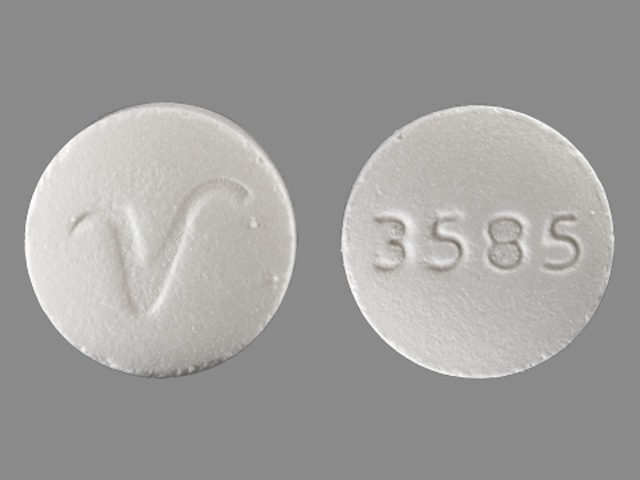
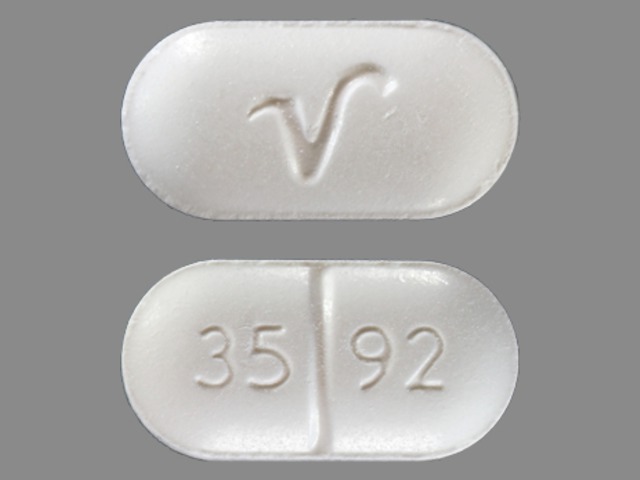
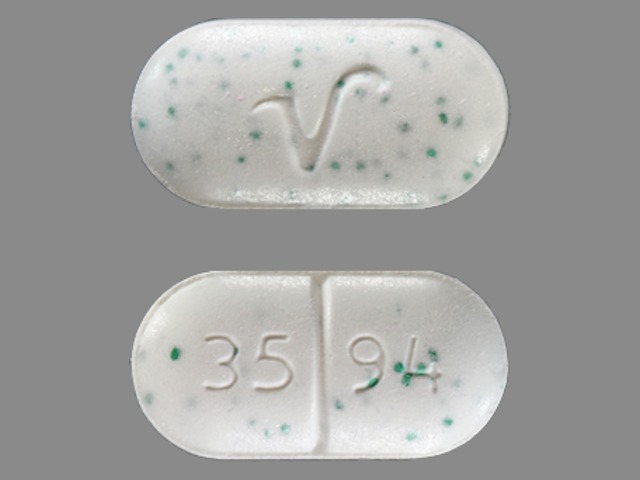
Hydrocodone combination tablets are made by many manufacturers, so they differ widely in appearance. Most are small to medium oval, capsule-shaped or round tablets, in white or other pastel shades, often with a score line. Most carry a printed or debossed imprint code, which may include letters, numbers, a company logo, or the strength. Because dozens of manufacturers supply generic versions, the same strength can look entirely different from one pharmacy to the next. Never rely on color or shape alone. The imprint, strength and manufacturer name on the pharmacy label or package insert are far more reliable, and a pharmacist can confirm an unfamiliar tablet.
An unfamiliar or unlabeled tablet that appears to be hydrocodone should not be taken. Counterfeit pills made to resemble hydrocodone products have been found to contain other substances, including illicitly manufactured fentanyl, which has caused fatal overdoses. Medicine obtained from anyone other than a licensed pharmacy carries that risk.
Dosage and administration
Hydrocodone combination products covered here are immediate-release oral tablets, listed as a tablet or a film-coated tablet. Strengths vary by product and by the partner ingredient. Examples that appear in product listings include:
- Hydrocodone bitartrate with acetaminophen, in combinations such as 2.5 mg/500 mg, 5 mg/325 mg, 5 mg/400 mg, 5 mg/500 mg, 7.5 mg/325 mg, 7.5 mg/500 mg, 7.5 mg/750 mg, 10 mg/300 mg, 10 mg/325 mg, 10 mg/650 mg and 10 mg/750 mg.
- Hydrocodone bitartrate with ibuprofen, in combinations such as 5 mg/200 mg and 7.5 mg/200 mg.
Not every strength is currently marketed. Some older acetaminophen-heavy strengths have been phased out. In 2011 the FDA asked manufacturers to limit the amount of acetaminophen in prescription combination tablets to 325 mg per tablet, in order to reduce the risk of accidental liver injury. This is why newer tablets tend to contain 300 or 325 mg of acetaminophen, while older listings show 500 mg or more.
The prescriber chooses the strength and schedule based on the pain being treated, the person's prior opioid exposure, age, body size, liver and kidney function, and other medicines. Immediate-release tablets of this kind are typically taken by mouth every four to six hours only as needed for pain, rather than on a rigid around-the-clock schedule. The label's general principle is to begin at the lowest suitable amount and adjust cautiously. People who have not taken opioids before (opioid-naive) are generally started on the lower strengths. The tablets can be taken with or without food, although taking them with a little food or a glass of water may reduce nausea. The tablets are swallowed with water, and they should not be broken, crushed, dissolved or injected, because that can release the drug unpredictably.
Other points that are commonly stressed in labeling and patient counseling:
- Total acetaminophen. Acetaminophen is in hundreds of prescription and over-the-counter products, including many cold, flu and sleep remedies. The labeled daily limit applies to all sources combined, and exceeding it is a leading cause of acute liver injury. Reading the "active ingredients" box on every product is the usual advice. The prescriber or pharmacist can say what total limit applies in a given case.
- Total ibuprofen and other NSAIDs. The same caution applies to the ibuprofen combination, because over-the-counter ibuprofen, naproxen and aspirin all add to the NSAID load.
- Missed doses. Because these tablets are used as needed, a missed dose usually just means the pain medicine has not been taken yet. Doubling up is not advised.
- Stopping after regular use. If the medicine has been taken regularly for more than a short time, abrupt discontinuation can cause withdrawal symptoms. Prescribers usually taper gradually in this situation rather than stopping suddenly.
- Alcohol. Alcohol is generally avoided because it intensifies sedation and breathing depression and, with acetaminophen, increases liver risk.
- Driving. These tablets can impair thinking and coordination. Activities such as driving or operating machinery are typically avoided until it is clear how the medicine affects the individual.
Opioid prescribers in the United States are also required to offer information about naloxone, a rescue medicine for opioid overdose, to certain patients, including those on higher amounts, those with a history of substance use disorder, and those who take sedating medicines at the same time. Immediate-release opioids are covered by a federal risk evaluation and mitigation program (REMS) that provides education to prescribers and patients.
Warnings
Hydrocodone combination tablets carry several serious, well-documented risks. The official labeling describes the following as the most important ones:
Addiction, abuse and misuse. Opioids expose users to risk of addiction at any amount and with any duration of use. The risk is higher in people with a personal or family history of substance use disorder or mental illness, but it can affect anyone. Misuse, such as taking more than prescribed, taking it for the euphoric effect, or using someone else's supply, can lead to overdose and death.
Life-threatening respiratory depression. Serious, life-threatening, or fatal respiratory depression may occur, especially during initiation or after a dose increase. Slowed breathing is the most dangerous acute effect of any opioid. Risk is greatest in the first day or two of use, after any increase, in older or debilitated people, in people with lung disease or a history of breathing problems, and when other sedating substances are present.
Accidental ingestion. A single dose swallowed accidentally by a child, especially one who has never taken an opioid, can be fatal. This is why safe storage is an important part of the instructions for every opioid prescription.
Neonatal opioid withdrawal syndrome. Prolonged use during pregnancy can lead to a baby born dependent on opioids, who may need specialized treatment after birth.
Interactions with CYP3A4 inhibitors. Starting or stopping medicines that affect the CYP3A4 enzyme can raise or lower hydrocodone levels in the blood. This can result in an unexpected overdose or in poorly controlled pain and withdrawal.
Hepatotoxicity. Acetaminophen can cause acute liver failure, sometimes leading to liver transplant or death. Most cases involved amounts above the maximum daily limit and often involved more than one acetaminophen-containing product at once.
Concomitant use with benzodiazepines or other central nervous system depressants. Combining opioids with benzodiazepines, alcohol, sleep medicines, or other sedating drugs can cause profound sedation, respiratory depression, coma and death.
The hydrocodone and ibuprofen combination adds the NSAID warnings: an increased risk of serious cardiovascular events such as heart attack and stroke, and of serious gastrointestinal events such as bleeding, ulceration and perforation of the stomach or intestines. These can occur without warning symptoms and are more likely in older adults and those with a history of ulcers or bleeding.
Additional precautions that appear in the labeling and in clinical practice include:
- Head injury and raised pressure in the skull. Opioids can raise carbon dioxide levels and obscure signs of worsening neurological status.
- Low blood pressure. Dizziness or fainting can occur, especially when standing up quickly or when dehydrated.
- Adrenal insufficiency. Opioids, with use usually longer than a month, can occasionally cause underactive adrenal glands. Symptoms include nausea, vomiting, fatigue, weakness and low blood pressure.
- Seizures. Opioids may aggravate or provoke seizures in people with seizure disorders.
- Serious skin reactions. Acetaminophen has been linked to rare but serious skin reactions such as Stevens-Johnson syndrome, toxic epidermal necrolysis and acute generalized exanthematous pustulosis. A rash that blisters, peels or comes with fever calls for urgent medical attention.
- Allergic reactions. Swelling of the face or throat, wheezing, hives or trouble breathing are signs of anaphylaxis and need emergency care.
- Gastrointestinal effects. Opioids can cause spasm of the sphincter of Oddi, which may worsen pancreatitis or biliary colic. They also reduce gut movement and can worsen conditions such as inflammatory bowel disease with severe constipation or obstruction.
- Opioid-induced hyperalgesia. Some people on long-term opioids paradoxically become more sensitive to pain.
- Hearing loss. Rare reports of hearing loss, sometimes permanent, have been associated with long-term hydrocodone and acetaminophen use.
Contraindications
The labeling lists situations in which hydrocodone combination products should not be used. These include significant respiratory depression, acute or severe bronchial asthma in an unmonitored setting or without resuscitative equipment, known or suspected gastrointestinal obstruction including paralytic ileus, and hypersensitivity to hydrocodone, acetaminophen or any other component. Use together with, or within 14 days of, certain monoamine oxidase inhibitors (MAOIs) is also advised against in many labels. The ibuprofen-containing product is also not used in people who have had asthma, hives or an allergic reaction after taking aspirin or other NSAIDs, or in the period around coronary artery bypass graft surgery.
Side effects
The most commonly reported effects of hydrocodone combination tablets are light-headedness, dizziness, sedation, nausea and vomiting. These tend to be most noticeable in people who are new to opioids and often lessen after several days. Lying down, moving slowly and taking the tablet with a little food can help with nausea and dizziness, and a prescriber or pharmacist can suggest further measures if they persist.
Other reported reactions include:
- Drowsiness and mental clouding, including difficulty concentrating, confusion and, occasionally, unusual dreams or mood changes.
- Constipation, which is the most persistent opioid effect because tolerance to it develops poorly. Prescribers often recommend a stool softener or stimulant laxative, plenty of fluids and fiber when an opioid is started.
- Dry mouth, sweating and flushing.
- Itching or mild skin rash.
- Urinary retention, meaning difficulty starting urination or emptying the bladder, which is more common in older men with an enlarged prostate.
- Abdominal discomfort and loss of appetite.
- Respiratory depression, with slow or shallow breathing.
- Euphoria or, less often, anxiety and agitation.
Ibuprofen-containing tablets add NSAID effects such as heartburn, stomach pain, indigestion, headache, fluid retention or swelling, and elevated blood pressure. Black or bloody stools, vomiting blood, or persistent severe stomach pain suggest gastrointestinal bleeding and need prompt attention.
Symptoms that call for urgent medical care include very slow or shallow breathing, extreme sleepiness or inability to wake, blue or gray lips, pinpoint pupils, fainting, a seizure, signs of an allergic reaction, a blistering rash, dark urine, yellowing of the skin or eyes, severe upper-right abdominal pain, or symptoms of serotonin syndrome such as agitation, fever, rapid heartbeat, muscle rigidity and tremor. A person with signs of overdose needs emergency services immediately.
Drug interactions
Hydrocodone combination tablets interact with many medicines, so the prescriber and pharmacist should know about everything the person takes, including over-the-counter products, supplements and herbal remedies. Interactions of particular importance include the following.
Other sedating or breathing-depressing substances. Benzodiazepines such as alprazolam, lorazepam, diazepam and clonazepam, sleep medicines such as zolpidem, other opioids, gabapentin and pregabalin, muscle relaxants such as cyclobenzaprine and carisoprodol, sedating antihistamines, phenothiazines, barbiturates and alcohol all add to the sedative and respiratory effects. This is one of the most clinically important interaction groups and the reason for the label's specific warning. When combined use is unavoidable, the prescriber typically limits the amount and duration and monitors closely.
CYP3A4 inhibitors. Drugs that slow the CYP3A4 enzyme can raise hydrocodone levels and prolong its effects. Examples include the antibiotics clarithromycin and erythromycin, the antifungals ketoconazole, itraconazole and voriconazole, the HIV protease inhibitors ritonavir and others, and grapefruit juice in large quantities. Raised levels can lead to dangerous respiratory depression.
CYP3A4 inducers. Rifampin, carbamazepine, phenytoin and St. John's wort can speed up hydrocodone breakdown, lowering levels and reducing pain relief. Stopping one of these medicines after taking it with hydrocodone can cause levels to rise unexpectedly.
CYP2D6 inhibitors. Quinidine, fluoxetine, paroxetine and bupropion block conversion of hydrocodone to hydromorphone. The clinical importance is less clear-cut than with codeine or tramadol, but pain relief may be altered.
Serotonergic drugs. Combining opioids with antidepressants such as SSRIs, SNRIs and tricyclics, triptans, linezolid, or other serotonergic medicines can rarely produce serotonin syndrome.
MAOIs. Medicines such as phenelzine, tranylcypromine and selegiline can cause serious, unpredictable reactions with opioids, including serotonin syndrome or opioid toxicity. Use within 14 days of an MAOI is generally avoided.
Mixed agonist-antagonist opioids and partial agonists. Buprenorphine, butorphanol, nalbuphine and pentazocine may reduce the effect of hydrocodone and can precipitate withdrawal in someone who is physically dependent. Naltrexone and naloxone block or reverse its effects.
Anticholinergic drugs. Medicines such as oxybutynin or benztropine can worsen constipation and urinary retention when taken with opioids.
Diuretics. Opioids may reduce the effect of diuretics in some people by prompting release of antidiuretic hormone.
Acetaminophen-specific interactions. Regular use of acetaminophen at higher amounts can raise the effect of warfarin, increasing the INR and bleeding risk. Other liver-affecting substances, including heavy alcohol use and some anticonvulsants, add to liver risk. Other acetaminophen-containing products add to total intake.
Ibuprofen-specific interactions. NSAIDs can reduce the effect of ACE inhibitors, angiotensin receptor blockers and diuretics, and raise the risk of kidney injury when combined with them. They raise bleeding risk when taken with warfarin, other anticoagulants, antiplatelet drugs, aspirin, corticosteroids and SSRIs. They can raise blood levels of lithium and methotrexate. Taking ibuprofen with other NSAIDs, such as naproxen or aspirin at pain-relieving amounts, increases gastrointestinal and kidney risk without added benefit.
Pregnancy and breastfeeding
Opioid use in pregnancy needs careful individual consideration. Regular use over a prolonged period can cause the baby to be born physically dependent and develop neonatal opioid withdrawal syndrome. Signs include irritability, tremors, poor feeding, diarrhea, high-pitched crying and sometimes seizures, and the condition can be life-threatening if not recognized and treated. Opioid use during labor can cause breathing depression in the newborn, so hydrocodone tablets are generally not used for that purpose. Opioids can also cause low birth weight or other complications in some cases. Notably, people who are physically dependent on opioids are usually not advised to stop abruptly during pregnancy because withdrawal can harm the pregnancy; any change should be managed by a healthcare provider.
Acetaminophen is widely used in pregnancy and is generally considered one of the preferred pain relievers when used as directed, although health authorities continue to recommend using the lowest effective amount for the shortest time. Ibuprofen and other NSAIDs are a separate concern. The FDA advises avoiding NSAIDs at about 20 weeks of pregnancy or later because they can cause rare but serious fetal kidney problems and low amniotic fluid, and use in the third trimester can affect the baby's circulation. Hydrocodone and ibuprofen combinations are therefore generally avoided in later pregnancy.
Hydrocodone passes into breast milk in small amounts. Infants exposed through breast milk may become sleepy, feed poorly, or in rare cases have breathing difficulty. Labeling advises that breastfeeding mothers who take the medicine watch the infant for excess sleepiness, trouble feeding or breathing problems, and seek immediate care if these occur. Where an opioid is necessary, using the lowest effective amount for the shortest period is generally recommended. Acetaminophen and ibuprofen pass into breast milk in very small amounts and are not typically considered a concern at ordinary levels. Anyone who is pregnant, planning pregnancy or nursing should discuss all options with a healthcare provider rather than make changes alone.
Pediatric use
The safety and effectiveness of hydrocodone and acetaminophen tablets have not been well established in children for most formulations, and their use in young children is limited. Other opioids such as codeine and tramadol have been restricted in children because some children metabolize them dangerously fast, and health agencies have urged care with all opioids in this age group. Children are particularly vulnerable to the effects of opioids on breathing, and children under about six years old and those with certain medical conditions, such as sleep apnea or recent tonsil and adenoid surgery, are at greater risk. Adolescents are a group where misuse prevention is especially important, since the medicine left over from a prescription is a common source of first exposure.
Accidental ingestion by a young child can be fatal and is a major reason for careful storage. Any child who has swallowed a tablet that was not prescribed to them needs immediate emergency care; in the United States, Poison Control is available at 1-800-222-1222. Where a child or teenager does have a prescription, the dose is set by the prescriber, usually based on weight and clinical need, and the medicine is given only as directed by that prescriber.
Older-adult use
Adults aged 65 and over are more sensitive to opioids. They are more likely to experience sedation, confusion, dizziness and falls, and a fall can lead to fracture or head injury. Slowed breathing is also more likely, particularly when other sedating medicines are in use, and age-related changes in the liver and kidneys mean the drug can stay in the body longer. Constipation and urinary retention are especially troublesome in this group, and opioids can contribute to delirium, particularly in those with dementia or during illness or hospitalization.
For these reasons, prescribers usually choose a lower starting amount, increase cautiously, and review the need for the medicine often. Geriatric guidelines list opioids among the medicines to use with extra care in people prone to falls. For the ibuprofen combination, older adults also face a higher risk of stomach bleeding, kidney problems, fluid retention and raised blood pressure from the NSAID. Anyone caring for an older person on this medicine should be aware of excessive sleepiness, unsteadiness, new confusion and reduced bowel movements, and report them to the care team.
Kidney and liver impairment
Liver disease. The liver processes both hydrocodone and acetaminophen, so liver impairment matters for both ingredients. In severe liver disease, hydrocodone may accumulate and its effects may be stronger and longer lasting. Acetaminophen is a direct concern because its toxicity is liver-based, and people with chronic liver disease, heavy alcohol use or malnutrition may have less margin for error. Prescribers typically start at lower amounts, extend the interval between doses and monitor closely, or choose a different approach altogether. Warning signs of liver trouble include nausea, loss of appetite, dark urine, pale stools, yellowing of the skin or eyes, and pain in the upper right abdomen.
Kidney disease. Hydrocodone and its metabolites are cleared partly by the kidneys. In moderate to severe kidney impairment, the drug and its breakdown products may build up, so a cautious approach, with lower starting amounts and careful monitoring for sedation and breathing problems, is generally taken. The ibuprofen combination presents an additional concern because NSAIDs can reduce blood flow to the kidneys and may worsen kidney function or cause fluid retention. They are usually avoided or used with great caution in people with significant kidney disease, heart failure, or dehydration, and those taking diuretics or ACE inhibitors.
Overdose
An overdose of hydrocodone and acetaminophen can involve two distinct dangers at once. The opioid component can cause extreme sleepiness, pinpoint pupils, slow or stopped breathing, cold clammy skin, and loss of consciousness. The acetaminophen component can cause liver damage that may not be obvious for the first day or so. Early symptoms such as nausea, vomiting, sweating and general malaise may fade, and then liver injury becomes apparent a day or two later. Because of this delayed course, anyone who may have taken too much needs medical evaluation even if they initially feel well.
An overdose is an emergency. Emergency services should be called immediately. Naloxone, available as a nasal spray and injection and in many places without a prescription, can temporarily reverse the opioid effects, though its action may wear off before the hydrocodone does, so repeated doses and hospital observation may be needed. Hospitals treat acetaminophen overdose with the antidote acetylcysteine, which is most effective when started early. Poison Control in the United States can be reached at 1-800-222-1222.
Dependence, tolerance and withdrawal
Physical dependence means the body adapts to the presence of an opioid. It can occur after even a relatively short course of regular use and does not by itself mean a person has an addiction. Tolerance, meaning that the same amount produces less effect over time, can develop alongside it. Addiction (opioid use disorder) is different: it is a pattern of compulsive use despite harm. Both can occur with prescription opioids taken as directed.
When physically dependent people stop suddenly or cut back sharply, withdrawal may produce anxiety, restlessness, sweating, runny nose, yawning, muscle aches, stomach cramps, nausea, vomiting, diarrhea, goose bumps and insomnia. It is rarely life-threatening in adults but is very uncomfortable. A gradual taper supervised by a healthcare professional is the typical way to avoid it. Treatment for opioid use disorder, including medicines such as buprenorphine and methadone along with counseling, is effective, and a prescriber or a national helpline can direct people to it.
Storage and disposal
Hydrocodone combination tablets are typically stored at room temperature, away from excess heat and moisture, in the original labeled container. Because these tablets can be fatal to a child and are attractive to people who might misuse them, they are usually kept in a locked or otherwise secure place, out of sight and reach of children, visitors and pets. Keeping a count of the tablets helps detect missing medicine.
Unused or expired tablets are best removed from the home promptly. Drug take-back programs, offered at many pharmacies, police stations and during national take-back days, are the preferred option. If one is not available, the FDA provides guidance on disposal for medicines, including instructions for the few products that may be flushed and a household-trash method using an unappealing substance such as used coffee grounds in a sealed bag. Sharing prescribed opioids with others is illegal and dangerous.
For more plain-language information on specific hydrocodone products, MedlinePlus Drug Information offers consumer-oriented monographs, and the full prescribing information for each product is available on the DailyMed listing for that specific tablet.