Drug class and how losartan works
Losartan belongs to a group of medicines called angiotensin II receptor blockers, often shortened to ARBs. More specifically, it is an angiotensin II type 1 (AT1) receptor antagonist. It is a non-peptide molecule, meaning it is a small synthetic compound and not a protein-like fragment. Losartan was the first medicine of this type to reach the market, and it remains one of the most widely prescribed blood pressure medicines in the world.
To understand what losartan does, it helps to know a little about angiotensin II. This is a hormone produced as part of the renin-angiotensin-aldosterone system, a chain of signals the body uses to regulate blood pressure and the balance of salt and water. Angiotensin II narrows blood vessels, which raises pressure inside them. It also prompts the adrenal glands to release aldosterone, a hormone that causes the kidneys to hold on to sodium and water and to release potassium. Both actions push blood pressure upward. Angiotensin II also acts on the kidney's tiny filtering units, and over many years excessive signaling can contribute to kidney damage, especially in people with diabetes.
Losartan blocks the AT1 receptor, the docking site through which angiotensin II exerts most of these effects, in vascular smooth muscle and adrenal tissue. With the receptor blocked, blood vessels tend to relax and widen, less aldosterone is released, and blood pressure falls. In the kidney, blocking the receptor lowers pressure inside the filtering units, which is the basis for its use in diabetic kidney disease.
After it is swallowed, losartan is absorbed and partly converted by the liver, mainly by the enzymes CYP2C9 and CYP3A4, into an active metabolite known as E-3174 (also called EXP3174). This metabolite is considerably more potent than losartan itself and lasts longer in the body, which is why a single daily dose is usually enough for steady blood pressure control. The parent drug has a relatively short half-life of a couple of hours, whereas the active metabolite persists for roughly six to nine hours, and the effect on blood pressure builds over the first few weeks of regular use. Losartan and its metabolite are cleared through both the bile and the kidneys. Losartan also has a mild, unusual property among ARBs: it promotes excretion of uric acid, which is occasionally of interest to people who also have gout.
Because losartan acts at the receptor rather than blocking the enzyme that makes angiotensin II, it does not affect bradykinin the way ACE inhibitors such as lisinopril do. That is the reason a persistent dry cough, a well-known annoyance with ACE inhibitors, is much less common with losartan.
Uses
Losartan potassium is commonly sold under brand names such as COZAAR, and the combination of losartan with hydrochlorothiazide is sold as HYZAAR. Many pharmacies dispense lower-cost generic versions labeled simply as losartan potassium or losartan potassium and hydrochlorothiazide. All of these contain the same active ingredient and are held to the same regulatory standards by the FDA, although the tablets from different manufacturers may look different from one another.
The approved uses of losartan include the following:
High blood pressure (hypertension). Losartan is used to lower blood pressure in adults and in children six years of age and older. It may be prescribed alone or together with other blood pressure medicines, such as a thiazide-type diuretic (including hydrochlorothiazide), a calcium channel blocker like amlodipine, or a beta blocker. Lowering blood pressure over the long term reduces the risk of strokes, heart attacks and kidney problems. High blood pressure usually causes no symptoms, so people commonly take losartan for years even though they feel no different day to day.
Stroke risk reduction in hypertension with left ventricular hypertrophy. Left ventricular hypertrophy is a thickening of the main pumping chamber of the heart, often a consequence of long-standing high blood pressure. In a large clinical study, people with both conditions who received losartan had fewer strokes than those who received a comparison medicine, atenolol, despite similar blood pressure reductions. The labeling notes that this benefit was not seen in Black patients with this combination of conditions, though losartan still lowers blood pressure in that group.
Diabetic nephropathy. In people with type 2 diabetes and a history of hypertension who have an elevated serum creatinine and protein in the urine, losartan is used to slow the progression of kidney disease. In the clinical trial supporting this use, losartan reduced the likelihood of the serum creatinine doubling, of progression to end-stage kidney disease, and of the combined outcome of kidney failure or death, compared with placebo given alongside other standard blood pressure treatment.
Losartan is sometimes prescribed for other reasons that are not part of its formal labeling, such as certain forms of heart failure in people who cannot tolerate ACE inhibitors. Whether it is suitable for any individual is a decision for the prescriber.
For general consumer-oriented background, the MedlinePlus Drug Information service maintains plain-language drug summaries that can be a useful companion to this page.
Identifying losartan tablets
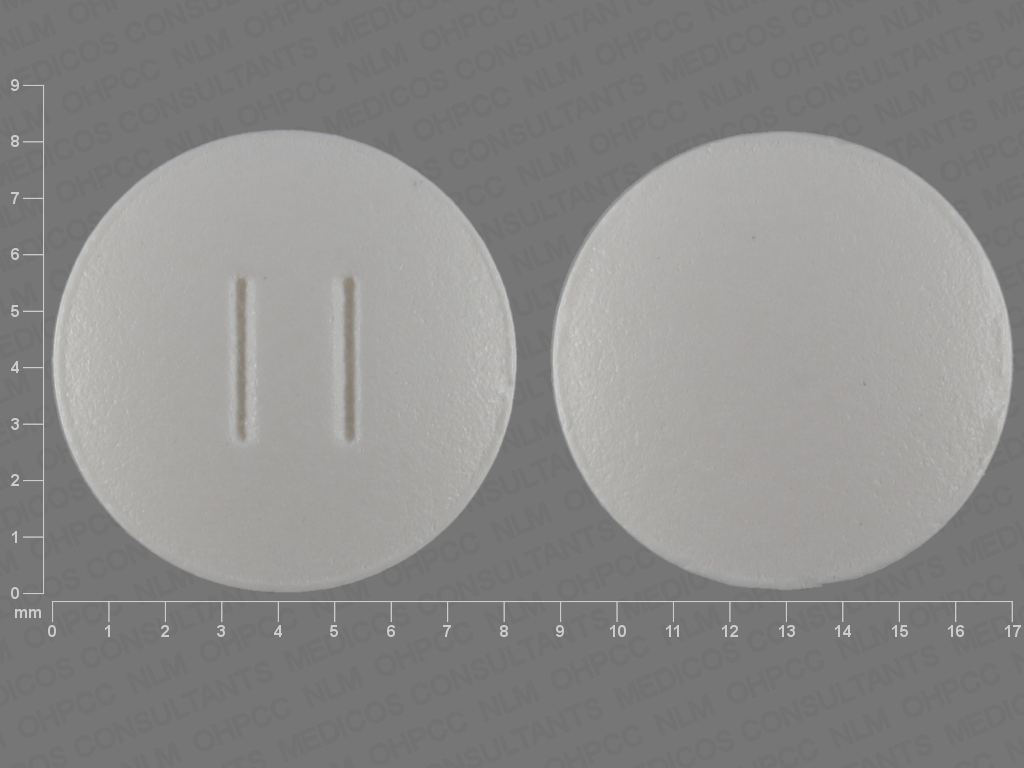
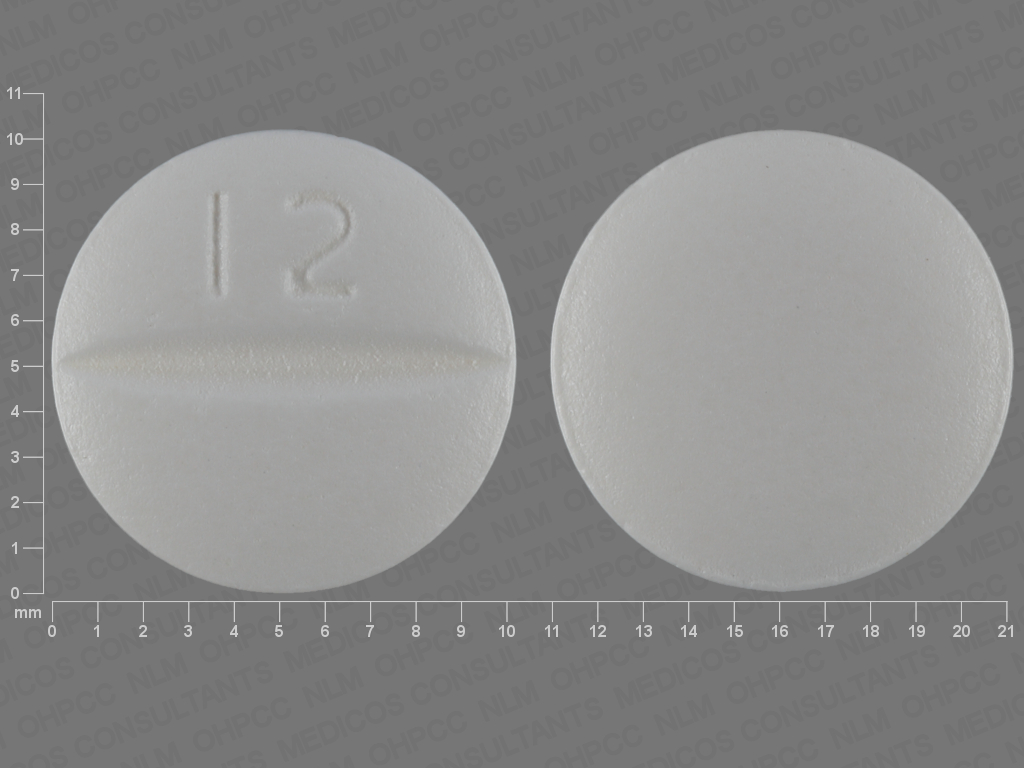
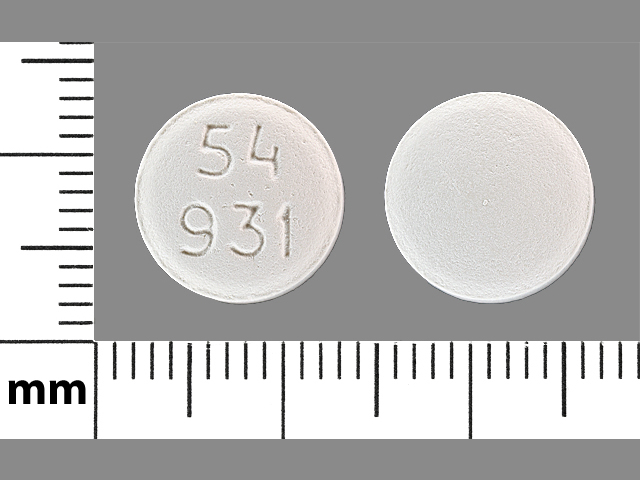
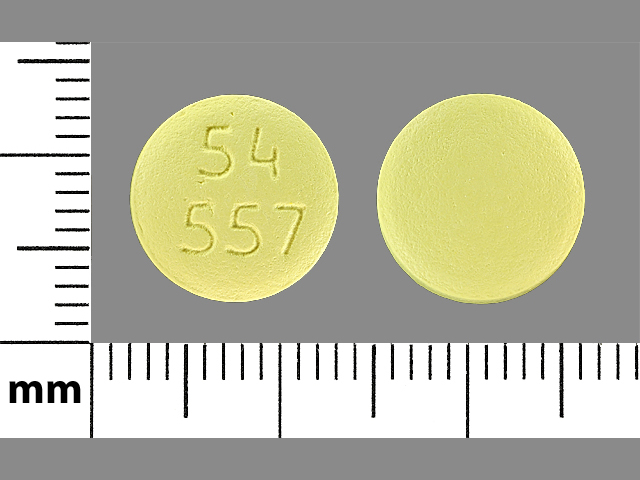
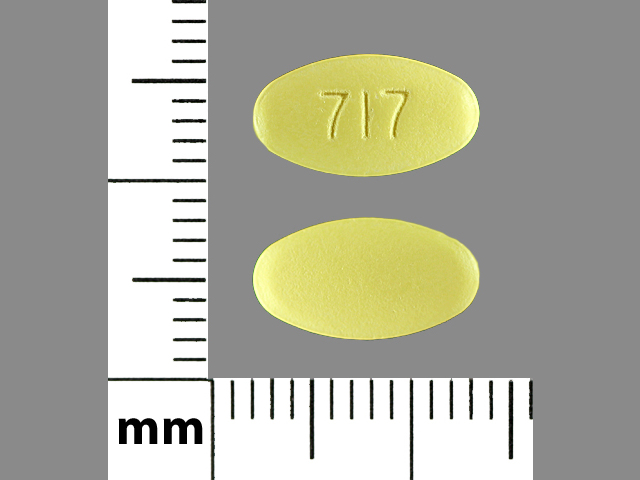
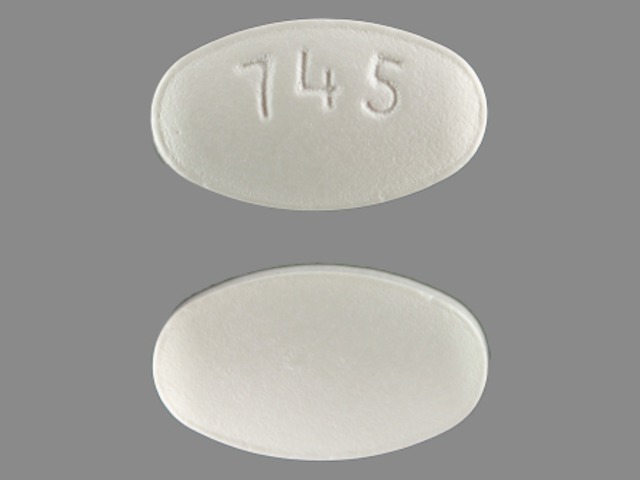
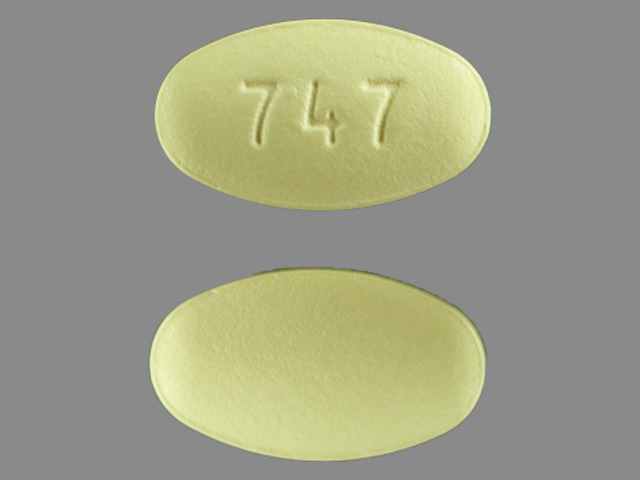
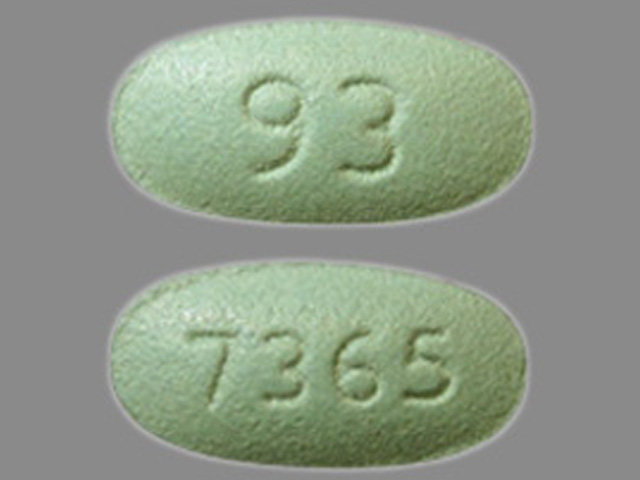
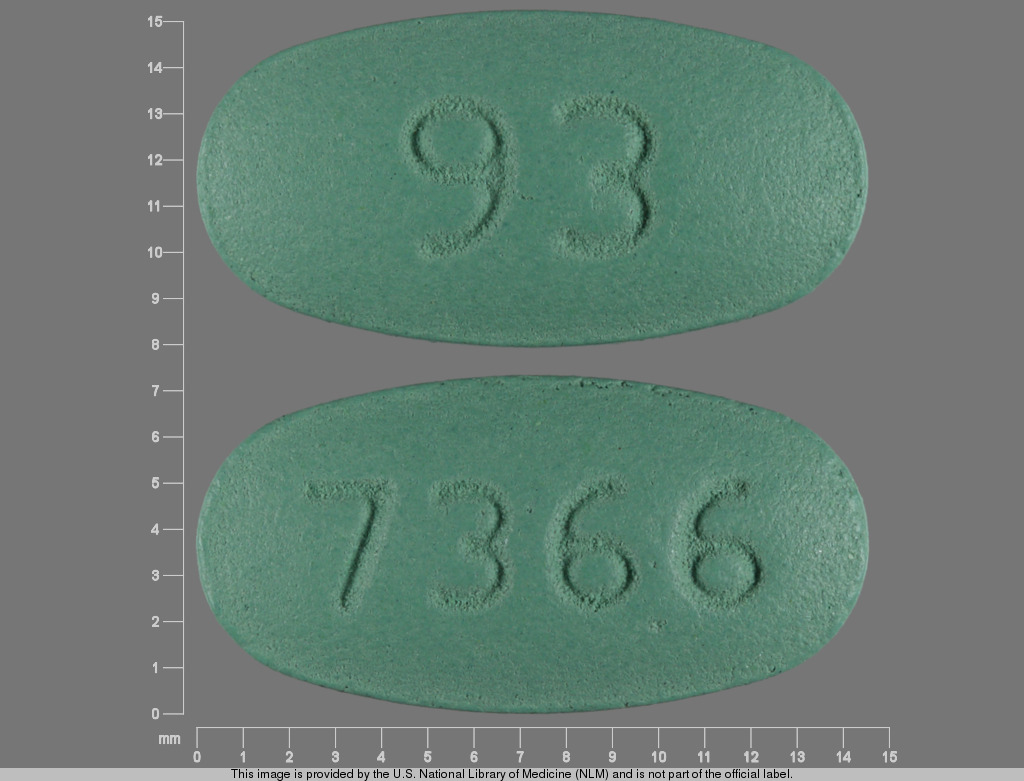
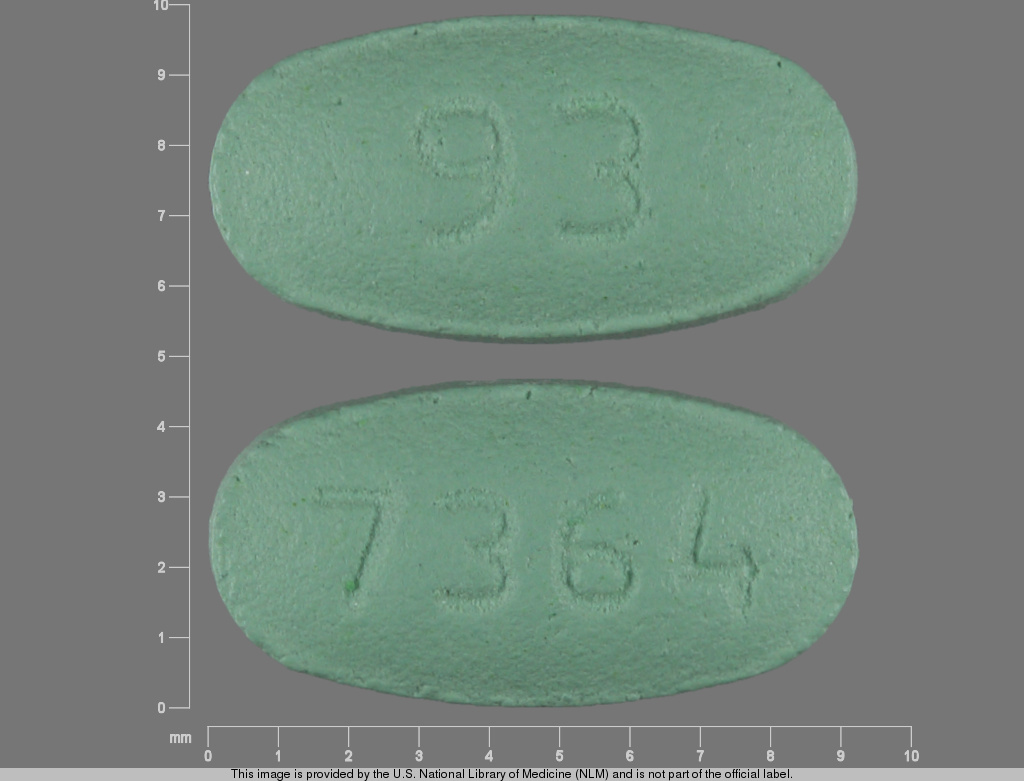
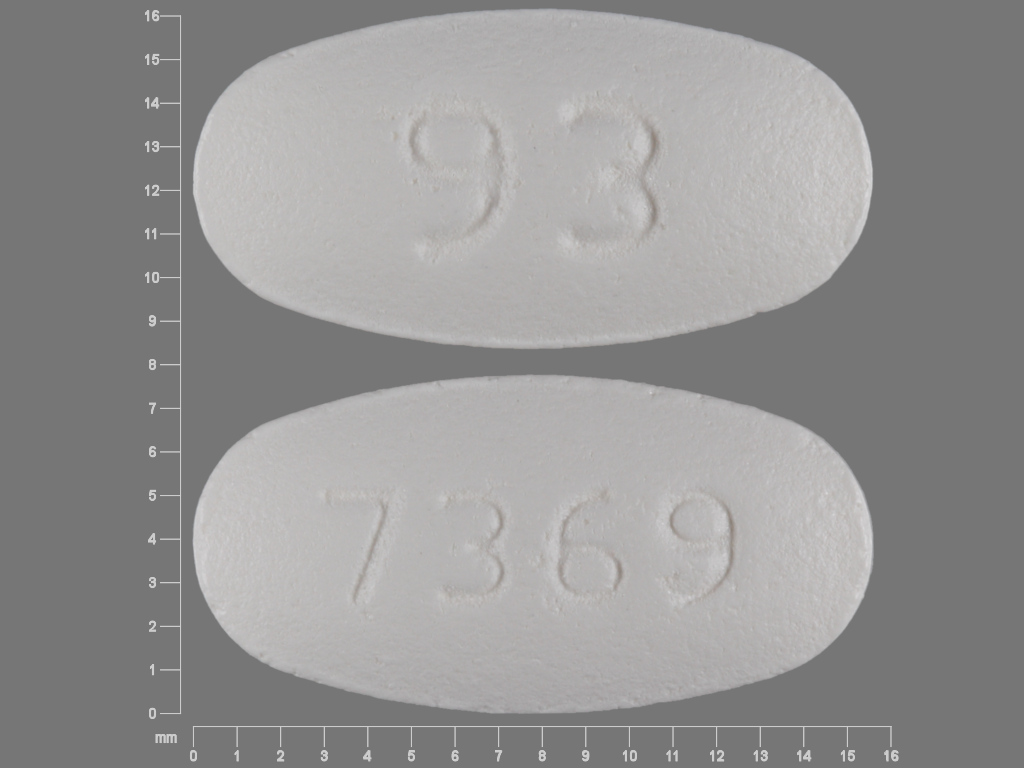
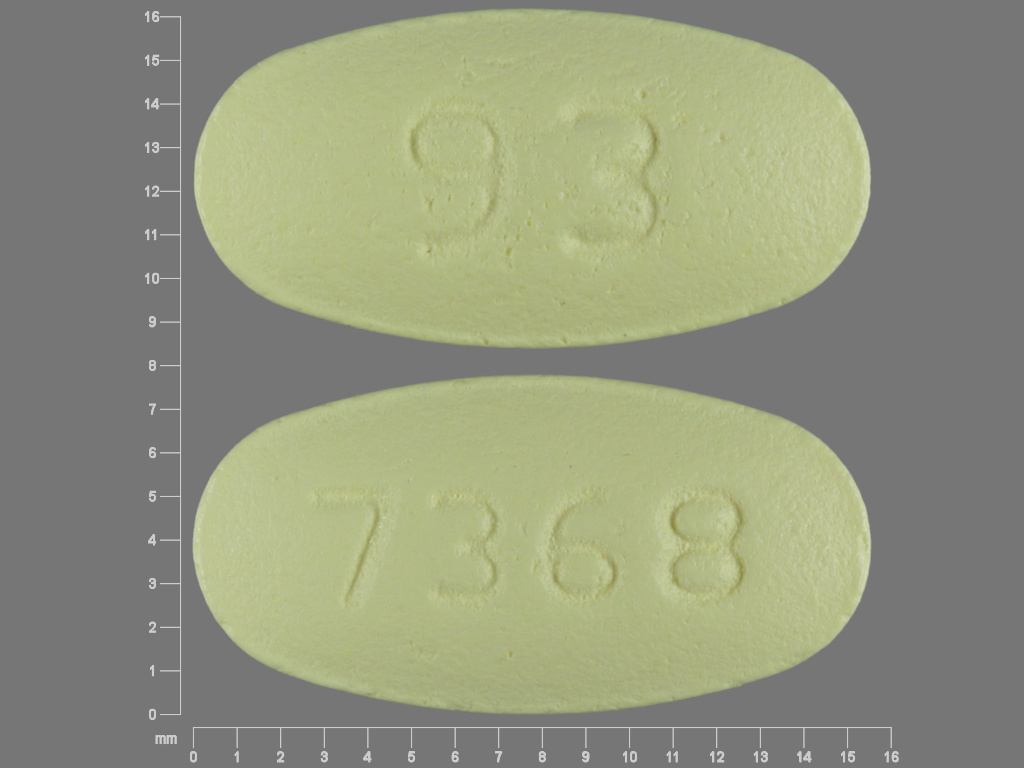
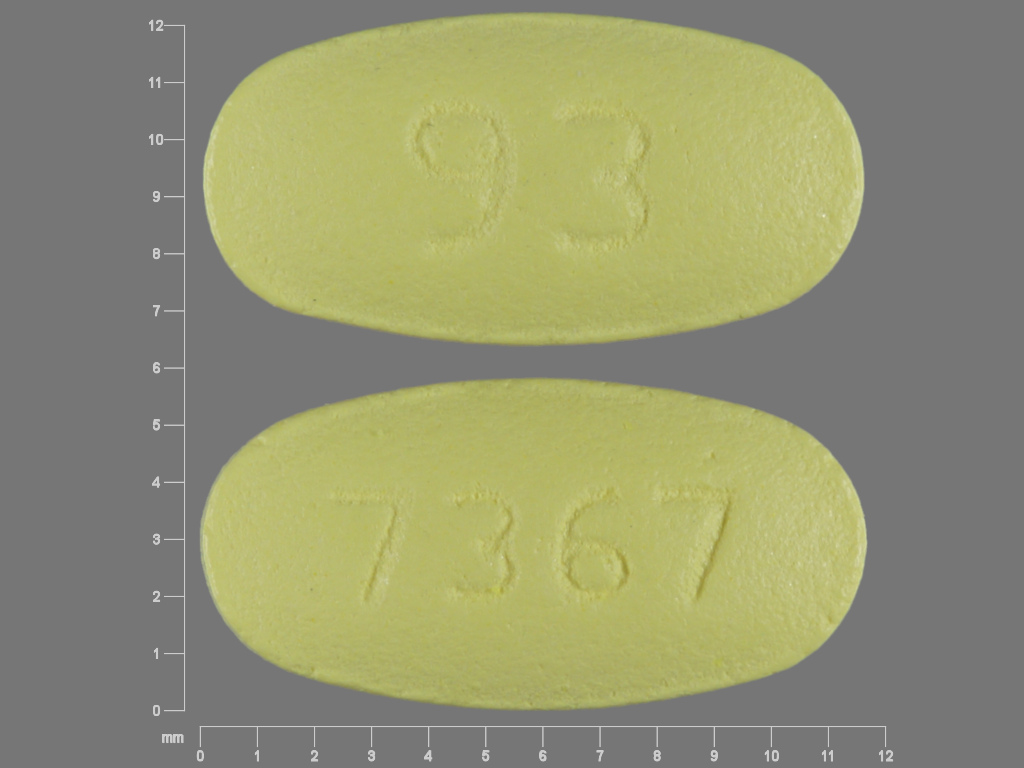
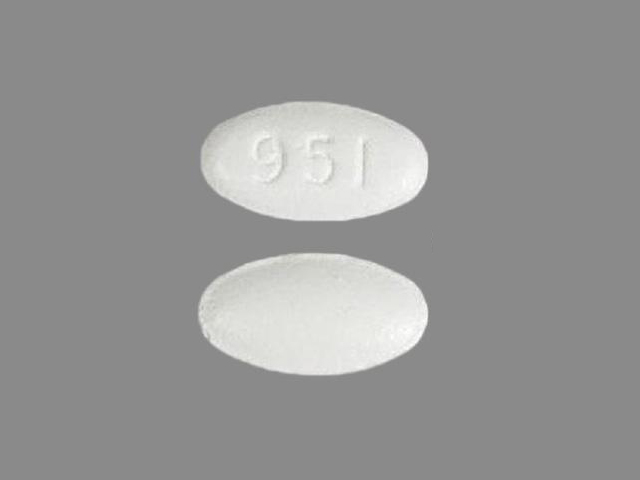
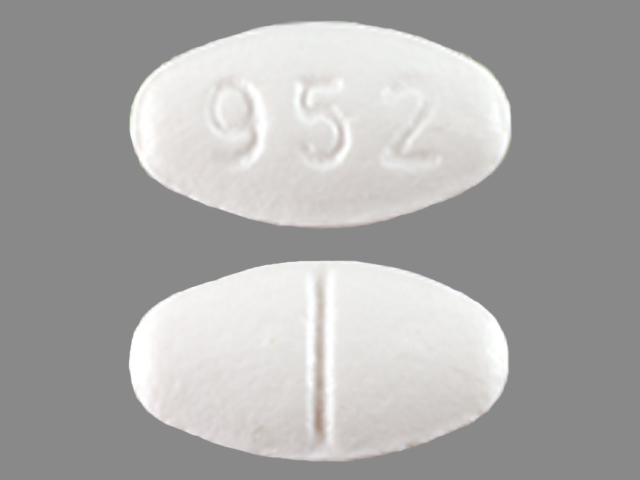
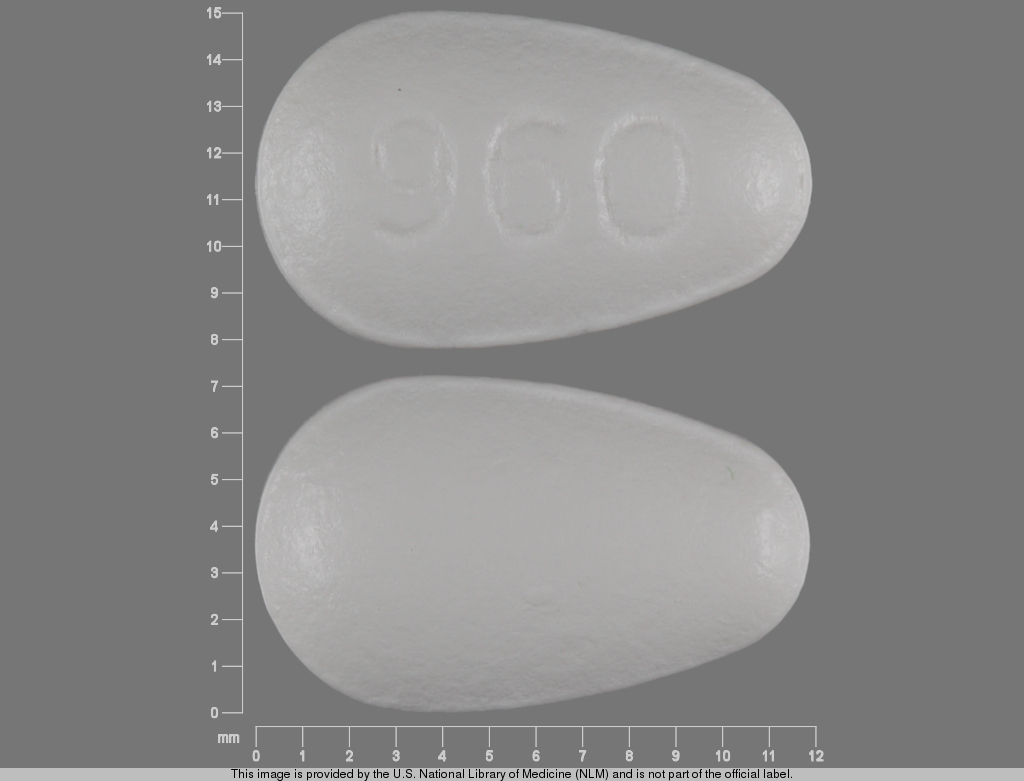
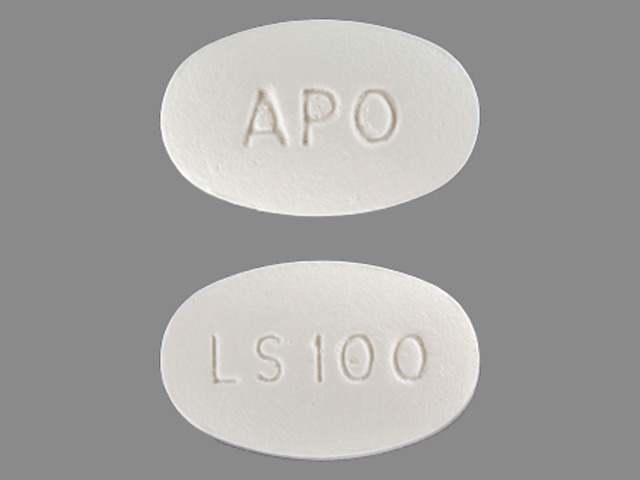
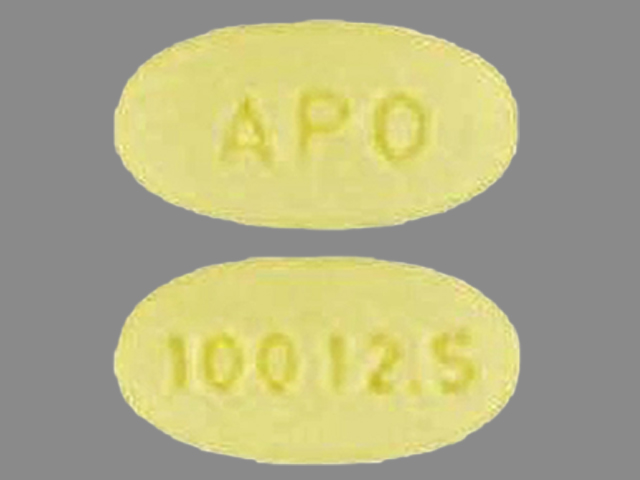
Losartan is supplied only as tablets for swallowing in its manufactured form. Most are film-coated, which gives them a smooth surface and makes them easier to swallow. Tablets are typically round, oval or teardrop-shaped, and the colors range from white to various shades of green, yellow or blue depending on the manufacturer and strength. Almost all carry an imprint, which may be a company name, logo, letters, numbers, or a combination, on one or both faces.
Because several dozen manufacturers market generic losartan, there are a great many different tablets with different appearances, and the same strength from different suppliers can look quite different. The appearance of your refill may therefore change from one fill to the next even though the medicine is the same. If a tablet looks unfamiliar, the best approach is to check the imprint using the pill identifier on this site and to ask the dispensing pharmacist to confirm that it matches the prescription, particularly if the change is unexpected. Combination tablets containing hydrochlorothiazide also exist, and these can resemble plain losartan tablets, so careful checking of the label matters.
Dosage & administration
Losartan potassium is available as a tablet, usually film-coated, in strengths of 25 mg, 50 mg and 100 mg. The combination product with hydrochlorothiazide is made in tablets that pair losartan with 12.5 mg or 25 mg of hydrochlorothiazide. The dose that is right for any one person is chosen by a prescriber, and the information below describes only how the medicine is typically used.
Hypertension in adults. Losartan is commonly taken once daily. Prescribers generally start at a mid-range tablet strength and then adjust upward to the highest available strength if blood pressure remains above target after several weeks. People who may have a reduced volume of fluid in their blood vessels, for instance because they take a diuretic or have had significant vomiting or diarrhea, are usually started on the lowest strength, since they are more prone to a sharp drop in blood pressure. In some cases the daily amount is divided into two doses, although once daily is the usual pattern.
Hypertension with left ventricular hypertrophy. The usual approach is to begin with the standard starting dose once daily. If blood pressure is not adequately controlled, the prescriber may add low-dose hydrochlorothiazide, increase losartan to the highest strength, or do both in a stepwise manner, depending on how blood pressure responds.
Diabetic nephropathy. The usual starting dose is the same as for hypertension, taken once daily, with an increase to the highest strength when needed to achieve additional blood pressure control. Kidney function and blood potassium are typically checked periodically.
Children. For children aged six and older, the dose is calculated from body weight rather than being a fixed tablet strength, and it is adjusted to blood pressure response. A prescribing guide sets an upper limit on the daily amount, and doses above this limit have not been studied in children. Since young children may not manage whole tablets, pharmacies can prepare an oral suspension from tablets, as described below.
Liver impairment. People with mild-to-moderate liver impairment are usually started on a lower dose, because the liver converts losartan to its active metabolite and clears the drug, and exposure is higher when liver function is reduced. Losartan has not been studied in severe liver impairment.
Taking the tablets. Losartan can be taken with or without food. Food has little effect on how much of the drug is absorbed, so the main goal is consistency: many people find it easiest to take it at about the same time each day, such as with breakfast or in the evening, so that it becomes a habit. Tablets are swallowed with water. The tablets are generally not crushed unless a pharmacist or prescriber has said it is acceptable, although pharmacies do prepare a liquid form when needed.
Liquid suspension. For people who cannot swallow tablets, a pharmacy can compound a 2.5 mg/mL oral suspension from losartan 50 mg tablets. The labeled method involves crushing a set number of tablets in purified water in an amber bottle, shaking, allowing the mixture to stand, and then combining it with a 50/50 mixture of the vehicles Ora-Plus and Ora-Sweet SF. This suspension is refrigerated and stays usable for up to four weeks. It must be shaken before every use and put straight back into the refrigerator. This is a pharmacy procedure and not something intended for home preparation.
Missed doses. If a dose is missed, the usual guidance is to take it when remembered unless it is almost time for the next one, in which case the missed dose is skipped. Doses are not doubled up. Missing a dose occasionally is unlikely to cause problems, but regular omission allows blood pressure to rise again.
Long-term use and monitoring. Losartan is generally a long-term treatment. Blood pressure should be checked regularly, at home or in a clinic. Blood tests for kidney function and potassium are common when starting treatment, after dose changes, and periodically afterwards, especially in people with diabetes or kidney disease. Stopping losartan abruptly does not typically cause a dangerous withdrawal reaction, but blood pressure will usually climb back to its previous level, so any change should be discussed with the prescriber first.
Storage. Tablets are generally kept at room temperature, around 20 to 25°C (68 to 77°F), in a tightly closed container away from moisture and out of the reach of children and pets. Bathrooms are not ideal because of humidity.
Warnings
Pregnancy and fetal harm. The most important safety consideration with losartan is its effect on the developing baby. Medicines that act directly on the renin-angiotensin system can injure or even cause the death of a fetus. The risk is greatest in the second and third trimesters, when exposure has been linked to reduced amniotic fluid (oligohydramnios), underdevelopment of the lungs (lung hypoplasia), skeletal abnormalities including problems with skull formation, and kidney failure in the newborn. For this reason, when pregnancy is detected, the labeling states that losartan should be discontinued as soon as possible. People who could become pregnant are generally advised to discuss reliable contraception with their prescriber and to tell the prescriber promptly if they think they may be pregnant or are planning a pregnancy. Further detail appears in the pregnancy section below.
Low blood pressure. Symptomatic hypotension, meaning lightheadedness or fainting, can occur, particularly in people who are volume-depleted from diuretics, a low-salt diet, dialysis, vomiting or diarrhea. Prescribers usually correct this situation before starting losartan or choose a lower starting dose. Standing up slowly, staying hydrated, and being cautious in hot weather or during illness with fluid loss are practical measures commonly mentioned. If a short-term illness causes significant fluid loss, it is worth asking a pharmacist or doctor whether losartan should be temporarily held, since this is an individual decision.
Kidney effects. Because angiotensin II helps maintain filtration pressure in the kidneys, blocking it can change kidney function. In people whose kidney function depends heavily on the renin-angiotensin system, such as those with severe heart failure, narrowing of the arteries supplying the kidneys (renal artery stenosis, particularly in both kidneys or in a single functioning kidney), or underlying chronic kidney disease, losartan may lead to a rise in serum creatinine or, rarely, to acute kidney injury. Small increases in creatinine can be expected and are usually tolerated, but larger changes typically prompt a dose review. These changes are usually reversible when the drug is stopped.
High blood potassium (hyperkalemia). Since losartan reduces aldosterone, the body may retain potassium. The risk is higher in people with diabetes, those with kidney impairment, older adults, and those taking potassium supplements, potassium-sparing diuretics, or potassium-containing salt substitutes. High potassium may cause no symptoms but, if severe, can disturb heart rhythm, which is why blood tests are used for monitoring.
Angioedema. Rarely, swelling of the face, lips, tongue, throat, hands or feet has been reported with losartan. Swelling involving the tongue or throat, or any difficulty breathing or swallowing, needs urgent medical attention. People who have had angioedema with an ACE inhibitor should tell their prescriber, since a small number also react to ARBs, although the risk is lower.
Liver. Rare cases of hepatitis and abnormal liver tests have been reported. Liver impairment also raises the body's exposure to the drug, which is why lower starting doses are used in this setting.
Surgery. People who will have surgery or anesthesia are sometimes asked to pause medicines that affect the renin-angiotensin system for a period beforehand, because of the possibility of low blood pressure during the procedure. The anesthesia team should always be told about losartan.
Other considerations. Dizziness can affect the ability to drive or operate machinery, particularly at the start of treatment or after a dose change. Alcohol can add to the blood pressure-lowering effect and increase lightheadedness. Heavy sweating, long periods in heat and dehydration have similar effects.
Contraindications
Losartan is not used in people who have had a hypersensitivity (allergic) reaction to losartan or to any of the ingredients in the tablet. It must also not be combined with the blood pressure medicine aliskiren in people who have diabetes, because the pairing raises the risk of kidney problems, low blood pressure and high potassium without added benefit. When the combination product with hydrochlorothiazide is used, additional contraindications apply: it is not used in people who cannot pass urine (anuria) and those who are allergic to sulfonamide-derived drugs, since hydrochlorothiazide is a sulfonamide derivative.
Side effects
Many people take losartan with few or no noticeable problems. The side effects listed below reflect what was observed in clinical trials and in post-marketing experience, and most are mild and temporary.
In people treated for hypertension, the more frequently reported effects in trials included upper respiratory tract infections (around 8%), dizziness (around 3%), nasal congestion (around 2%) and back pain (around 2%). Several of these, such as the cold-like symptoms, occurred at similar rates in people given placebo, so they are not all necessarily caused by the medicine.
In people with type 2 diabetes and kidney disease (nephropathy), the pattern was different, reflecting the underlying illness and the many other medicines these people take. Reported effects included diarrhea (about 15%), tiredness (about 14%), low blood sugar (about 14%), chest pain (about 12%), back pain (about 12%) and high blood potassium (about 7%). Hypoglycemia is a good example of why monitoring matters in this group, as people with diabetes who also take insulin or sulfonylureas may find that blood sugar patterns change, and they should discuss any unusual readings with their care team.
Other effects that have been reported with losartan include fatigue, lightheadedness when standing, muscle cramps, stomach upset, headache, cough (less often than with ACE inhibitors), and mild increases in blood potassium or serum creatinine. Occasionally a small drop in hemoglobin has been noted.
Less common but serious effects include angioedema (swelling of the face, lips, tongue or throat), a marked fall in blood pressure leading to fainting, significantly high potassium, worsening kidney function, liver inflammation, and, very rarely, the breakdown of muscle tissue (rhabdomyolysis) and low platelet counts. Symptoms that warrant prompt medical advice include fainting, a very slow or irregular heartbeat, severe muscle weakness, yellowing of the skin or eyes, a marked reduction in urine output, and swelling of the lips, face or tongue. A reaction with trouble breathing or swallowing needs emergency care.
This is not a complete list. Anyone who is bothered by a side effect, or notices something not described here, can talk with a pharmacist or prescriber, who can assess whether the symptom is related to the medicine and whether any change is needed. Suspected side effects can also be reported to the FDA through its MedWatch program.
Drug interactions
Losartan interacts with a number of other medicines and supplements. Providing the pharmacist with a full list, including over-the-counter products and herbal supplements, helps identify these. The main interactions are described below.
Medicines that raise potassium. Taking losartan with other agents that increase serum potassium can result in hyperkalemia. This includes potassium chloride supplements, potassium-sparing diuretics such as spironolactone, eplerenone, triamterene and amiloride, and the antibiotic trimethoprim (found in combination products such as sulfamethoxazole-trimethoprim). Salt substitutes made with potassium chloride also contribute. Potassium monitoring is advised when these are combined.
Lithium. Increases in serum lithium levels and lithium toxicity have been reported when lithium is used with angiotensin II receptor antagonists. Lithium levels are normally monitored if the two are used together.
NSAIDs. Non-steroidal anti-inflammatory drugs such as ibuprofen, naproxen, diclofenac and the selective COX-2 inhibitor celecoxib can weaken the blood pressure-lowering effect of losartan. In people who are older, volume-depleted (including those taking diuretics) or who have reduced kidney function, the combination may also cause a decline in kidney function, including acute kidney injury. These effects are usually reversible. Renal function is periodically checked when the combination is used. People who need pain relief regularly may wish to ask a pharmacist about the best option for their circumstances.
Other renin-angiotensin system blockers. Combining losartan with an ACE inhibitor, another ARB, or aliskiren is associated with a higher risk of low blood pressure, fainting, high potassium and kidney changes. A large trial in people with type 2 diabetes and kidney disease (VA NEPHRON-D) tested adding lisinopril to losartan and found no additional kidney benefit, while the combination led to more cases of hyperkalemia and acute kidney injury. As a result, dual blockade is generally avoided. Aliskiren should not be given with losartan in people with diabetes and should be avoided in people with reduced kidney function (GFR below 60 mL/min).
Diuretics and other blood pressure medicines. Taking losartan along with diuretics, beta blockers, calcium channel blockers or other antihypertensives produces an additive effect, which is often intentional, but may cause dizziness if blood pressure falls too far. Hydrochlorothiazide is a frequent and deliberate partner.
Medicines that affect CYP2C9 and CYP3A4. Because losartan is converted to its active metabolite by these enzymes, drugs that strongly inhibit CYP2C9, such as fluconazole, can reduce the formation of the active metabolite, which may blunt the effect. Drugs that induce these enzymes, such as rifampin, may also alter exposure. Clinically, the practical impact varies and is generally handled by monitoring blood pressure.
Other items worth mentioning. Certain lithium-like effects, interactions with some diabetes medicines (blood sugar can shift in people with diabetes), and additive blood pressure lowering with alcohol and some medicines for erectile dysfunction, prostate symptoms or depression are possible. Grapefruit juice is not known to have a clinically important interaction with losartan at usual intakes, but a pharmacist can advise if there is concern.
Overdose
Information on overdose in humans is limited. The most likely consequence of taking too much losartan is hypotension (low blood pressure) and a fast heartbeat (tachycardia). A slow heartbeat (bradycardia) could occur from stimulation of the vagus nerve. Management is supportive, meaning that the focus is on maintaining blood pressure and circulation, for example by lying the person down with the legs raised and giving fluids under medical supervision. Neither losartan nor its active metabolite can be removed from the blood by hemodialysis, so dialysis is not an effective treatment for overdose.
In animal studies, significant lethality occurred in mice and rats after oral doses roughly 44 and 170 times the maximum recommended human dose when compared on a body-surface-area basis, which suggests a wide margin of safety in relation to acute toxicity, although this does not mean overdose in people is harmless. Anyone who has taken too much, or if a child has swallowed tablets, should seek emergency care or contact a poison control center (in the United States, 1-800-222-1222) immediately, rather than waiting for symptoms.
Pregnancy & breastfeeding
Pregnancy. Losartan should not be used during pregnancy. Exposure during the second and third trimesters is linked with fetal kidney damage, reduced amniotic fluid, poor lung development, abnormal skull formation and bone problems, low blood pressure in the newborn and, in some cases, death of the fetus or infant. Studies of first-trimester exposure are less clear, but the standard guidance is still to move away from these medicines once pregnancy is recognized. Prescribers usually change to an alternative blood pressure medicine that is regarded as more appropriate in pregnancy.
People who take losartan and are planning a pregnancy are generally advised to talk with their prescriber beforehand, as a switch before conception may be preferable to a switch after a positive test. If someone becomes pregnant while on losartan, the usual advice is to contact the prescriber promptly rather than to simply stop on their own without a replacement plan, because uncontrolled high blood pressure also carries risks. Babies exposed to losartan in the womb, especially in later pregnancy, are typically monitored for low blood pressure, reduced urine output and high potassium after birth.
Breastfeeding. It is not known how much losartan passes into human breast milk, and data are very limited. Because of the potential for serious effects in a nursing infant, particularly a newborn or premature baby, the labeling advises either discontinuing breastfeeding or discontinuing the drug, considering the importance of the medicine to the mother. Other blood pressure medicines with more established safety information in breastfeeding, such as enalapril or certain beta blockers, are often preferred; the prescriber can discuss options.
Pediatric use
Losartan has been studied in children and adolescents with hypertension from six years of age up to 16 years, and it is approved in this age range. Dosing is weight-based, and blood pressure and side effects in children are similar to those seen in adults. It is not recommended for children under six years of age, nor for children with an estimated glomerular filtration rate below 30 mL/min/1.73 m², because it has not been adequately studied in these groups. Doses above 1.4 mg per kg per day, or above 100 mg per day, have not been studied in children.
For children who cannot swallow tablets, a pharmacist can prepare a refrigerated liquid suspension, and the exact preparation and storage instructions on the label should be followed. As in adults, an adolescent who could become pregnant should be counseled about the risk to a fetus. Children with underlying kidney problems, and those who experience dehydrating illnesses, are monitored more closely because renal function may change. Hypertension in children is often a sign of an underlying condition, so losartan is typically one part of a broader treatment plan managed by a pediatrician or specialist.
Older-adult use
Clinical studies of losartan in people aged 65 and over found no overall differences in safety or effectiveness compared with younger adults, and other clinical experience has not identified meaningful differences either. Still, the labeling acknowledges that some older people may be more sensitive. In practice, older adults are more likely to have reduced kidney function, to take several medicines, to be on diuretics, and to be prone to dehydration, all of which raise the importance of monitoring. They may also be more susceptible to dizziness, which in turn increases the risk of falls. Prescribers frequently start with a cautious dose and check blood pressure while sitting and standing, along with kidney function and potassium, particularly when the dose changes or other medicines are added.
Kidney & liver impairment
Kidney impairment. Blood levels of losartan and its active metabolite are not substantially changed by mild to moderate kidney impairment, so no routine starting-dose adjustment is required, and the drug is actually used to protect the kidneys in diabetic nephropathy. However, because losartan can alter kidney hemodynamics, serum creatinine and potassium should be monitored, especially in those with advanced disease, in those with narrowed renal arteries, and in those with heart failure. A rise in creatinine of up to a modest degree after starting is expected, and a larger rise may prompt a dose reduction or discontinuation. Neither losartan nor its metabolite is removed by hemodialysis. Aliskiren should be avoided with losartan in people with a GFR below 60 mL/min, and pediatric use is not recommended when the GFR is below 30 mL/min/1.73 m².
Liver impairment. Because the liver converts losartan to its active metabolite, people with cirrhosis have markedly higher blood concentrations of losartan and its metabolite than people with normal liver function. For this reason, people with mild-to-moderate liver impairment are started at a lower dose. Losartan has not been studied in severe liver impairment, and a prescriber would weigh this carefully before using it.
Losartan with hydrochlorothiazide
The combination of losartan potassium and hydrochlorothiazide, sold as HYZAAR and as generics, pairs an ARB with a thiazide diuretic. The two drugs work in complementary ways: hydrochlorothiazide reduces salt and water in the body, which tends to activate the renin-angiotensin system, and losartan blocks the receptor through which that activation acts. The combination typically lowers blood pressure more than either component alone, and losartan helps offset the potassium loss that thiazides can cause.
The combination tablet is taken once daily, most often as a once-daily tablet. It is typically used in people whose blood pressure is not controlled adequately with losartan alone, or sometimes as initial therapy where more than one agent is needed. Hydrochlorothiazide adds some of its own warnings: it can lower sodium, potassium and magnesium levels or raise calcium, uric acid and blood sugar; it may trigger gout flares; it can worsen lupus in rare cases; it can make skin more sensitive to sunlight; and long-term use has been associated with a small increase in the risk of non-melanoma skin cancer, which is why sun protection and regular skin checks are suggested. Rarely, it can cause a sudden eye problem (acute myopia and secondary angle-closure glaucoma), which needs urgent attention if vision changes or eye pain develop shortly after starting. Dehydration, excessive sweating and vomiting raise the risk of electrolyte disturbances and low blood pressure.
How losartan compares with similar medicines
Losartan is one of several ARBs. Others include valsartan, irbesartan, candesartan, olmesartan and telmisartan. They share a mechanism and many warnings, and differ mainly in potency, duration of action, and the particular conditions in which they have been studied. For example, candesartan and valsartan have well-established roles in heart failure, while irbesartan and losartan have outcome data in diabetic kidney disease. Losartan is among the most commonly used because it has been available for many years, has an extensive safety record, and is available as an inexpensive generic.
Compared with ACE inhibitors, ARBs like losartan are less likely to cause a dry cough and angioedema, which is why they are often chosen when an ACE inhibitor is not tolerated. They are not considered interchangeable in every respect, and prescribers choose among them by considering the person's other conditions, other medicines, kidney function and previous responses. Lifestyle measures such as reducing salt, maintaining a healthy weight, regular physical activity, limiting alcohol and not smoking continue to matter for blood pressure control, alongside medicine.
For further reading on this class of medicines and on blood pressure in general, the National Institutes of Health provides public information on hypertension and kidney health.