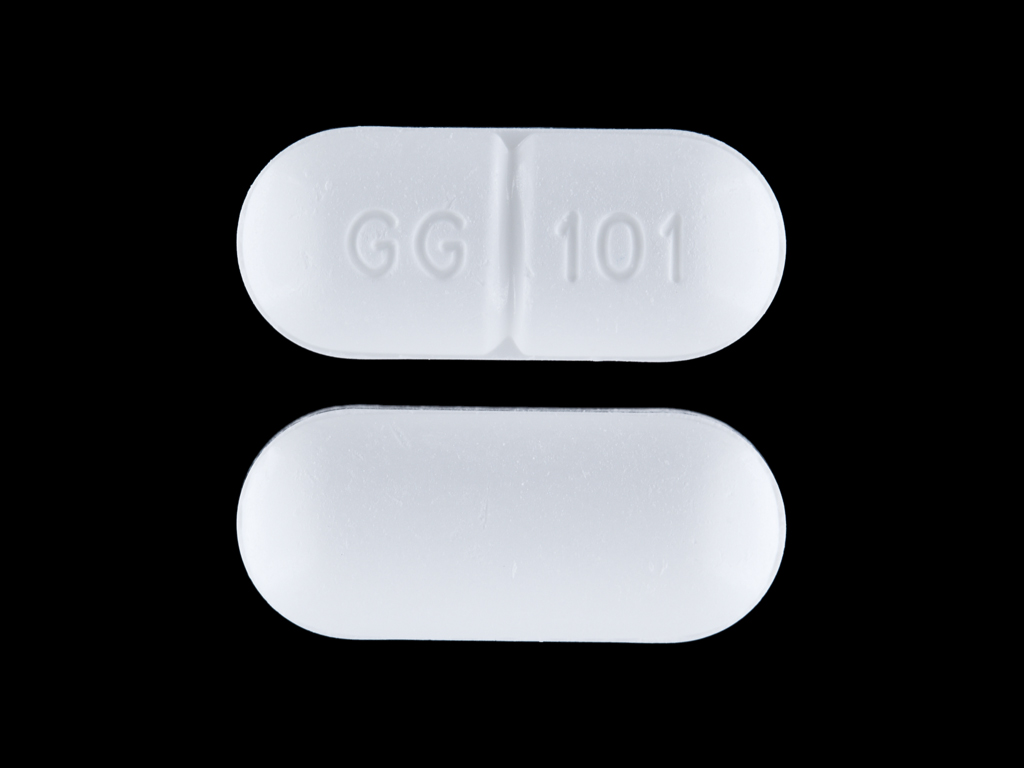
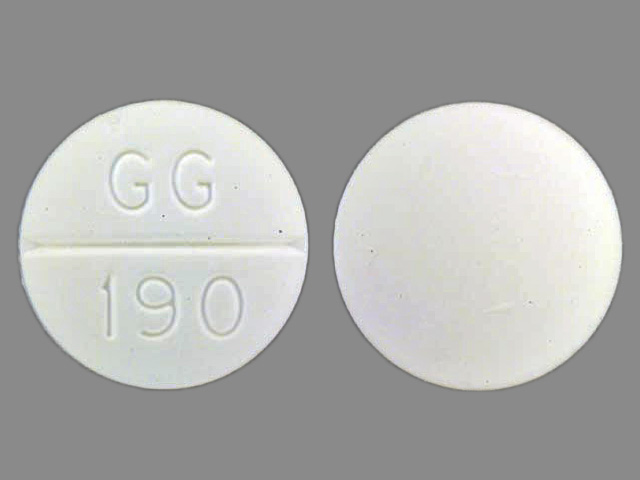
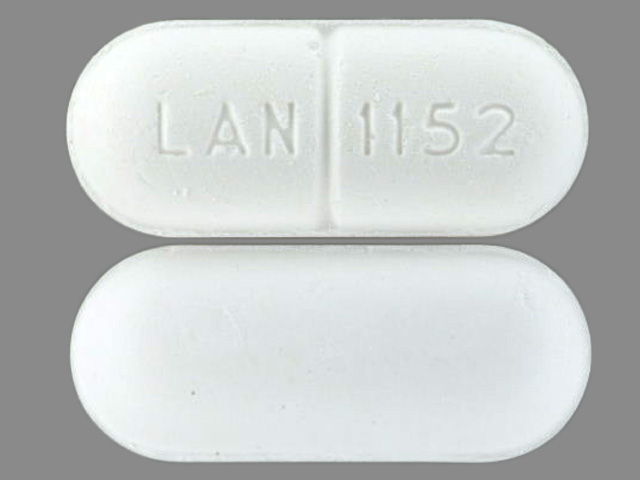
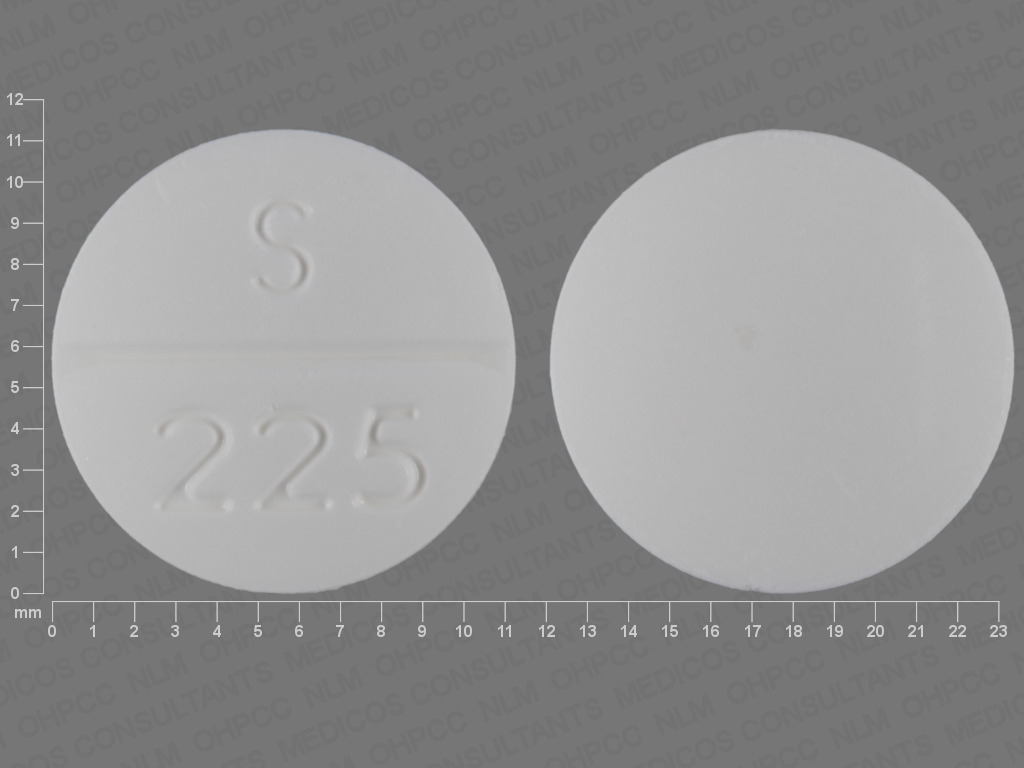
Drug class
A carbamate derivative of guaifenesin," acting as "a central nervous system (CNS) depressant with sedative and musculoskeletal relaxant properties." The label states "the mechanism of action of methocarbamol in humans has not been established, but may be due to general central nervous system (CNS) depression," and notably the drug "has no direct action on the contractile mechanism of striated muscle.
Uses
Methocarbamol is "indicated as an adjunct to rest, physical therapy, and other measures for the relief of discomfort associated with acute, painful musculoskeletal conditions." The label explicitly notes that "methocarbamol does not directly relax tense skeletal muscles in man."
Warnings
No boxed warning. Contraindicated in patients "hypersensitive to methocarbamol or to any of the tablet components." Key warnings include additive CNS depression with "combined effects with alcohol and other CNS depressants"; a caution that "methocarbamol tablets USP should not be used in women who are or may become pregnant" due to reports of "fetal and congenital abnormalities"; and an instruction to avoid hazardous activities because the drug "may impair mental and/or physical abilities required for performance of hazardous tasks."
Contraindications
CONTRAINDICATIONS Methocarbamol tablets USP are contraindicated in patients hypersensitive to methocarbamol or to any of the tablet components.
Overdose
OVERDOSAGE Limited information is available on the acute toxicity of methocarbamol. Overdose of methocarbamol is frequently in conjunction with alcohol or other CNS depressants and includes the following symptoms: nausea, drowsiness, blurred vision, hypotension, seizures, and coma. In post-marketing experience, deaths have been reported with an overdose of methocarbamol alone or in the presence of other CNS depressants, alcohol or psychotropic drugs. Treatment Management of overdose includes symptomatic and supportive treatment. Supportive measures include maintenance of an adequate airway, monitoring urinary output and vital signs, and administration of intravenous fluids if necessary. The usefulness of hemodialysis in managing overdose is unknown.
Drug interactions
Drug Interactions See WARNINGS and PRECAUTIONS for interaction with CNS drugs and alcohol. Methocarbamol may inhibit the effect of pyridostigmine bromide. Therefore, methocarbamol should be used with caution in patients with myasthenia gravis receiving anticholinesterase agents.
Dosage & administration
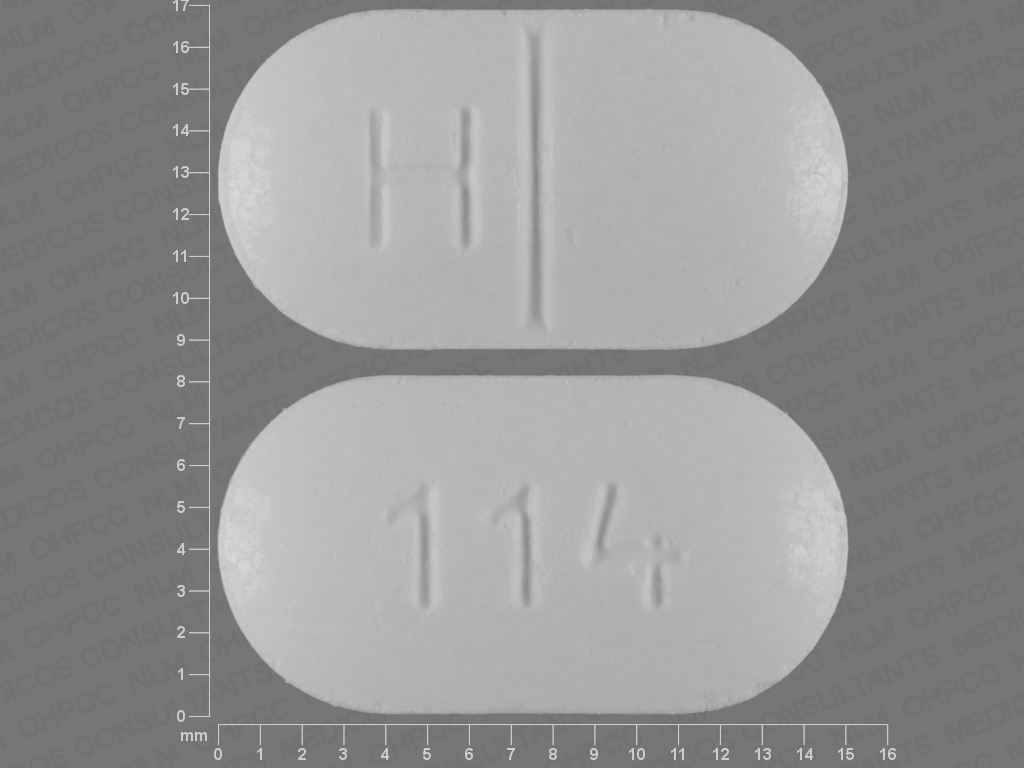
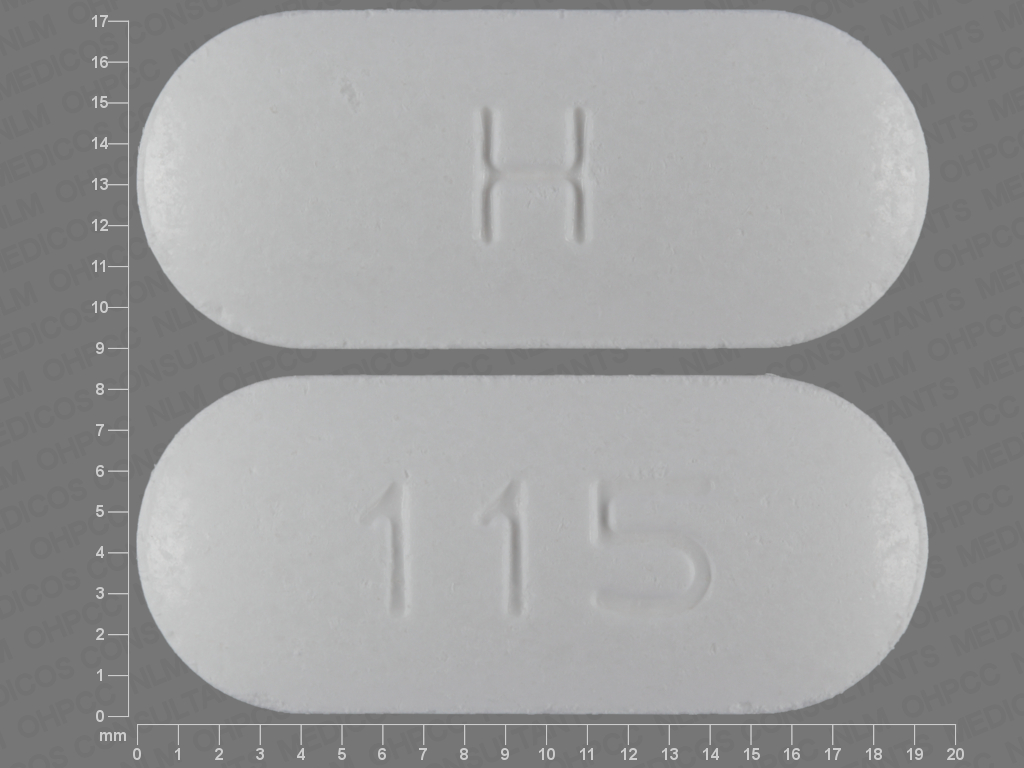
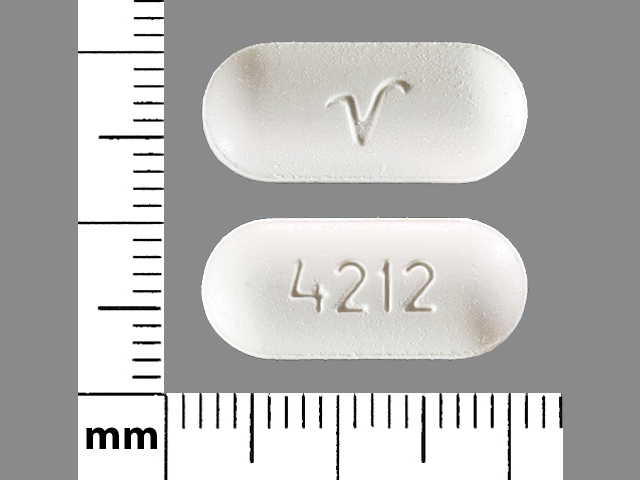
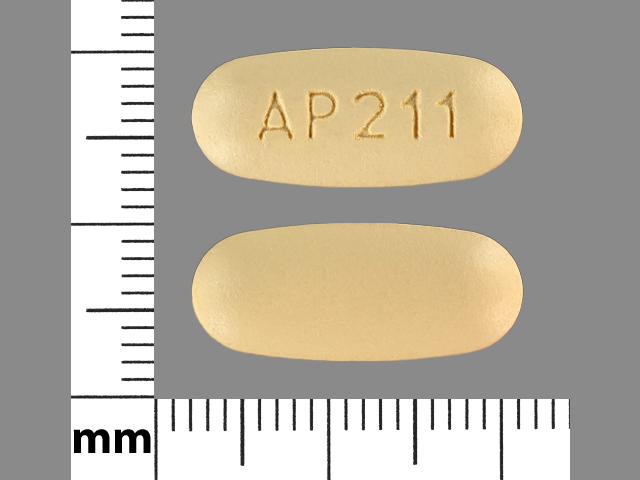
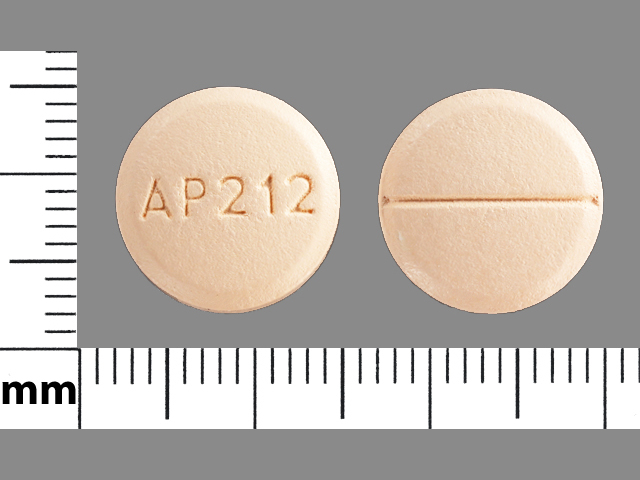
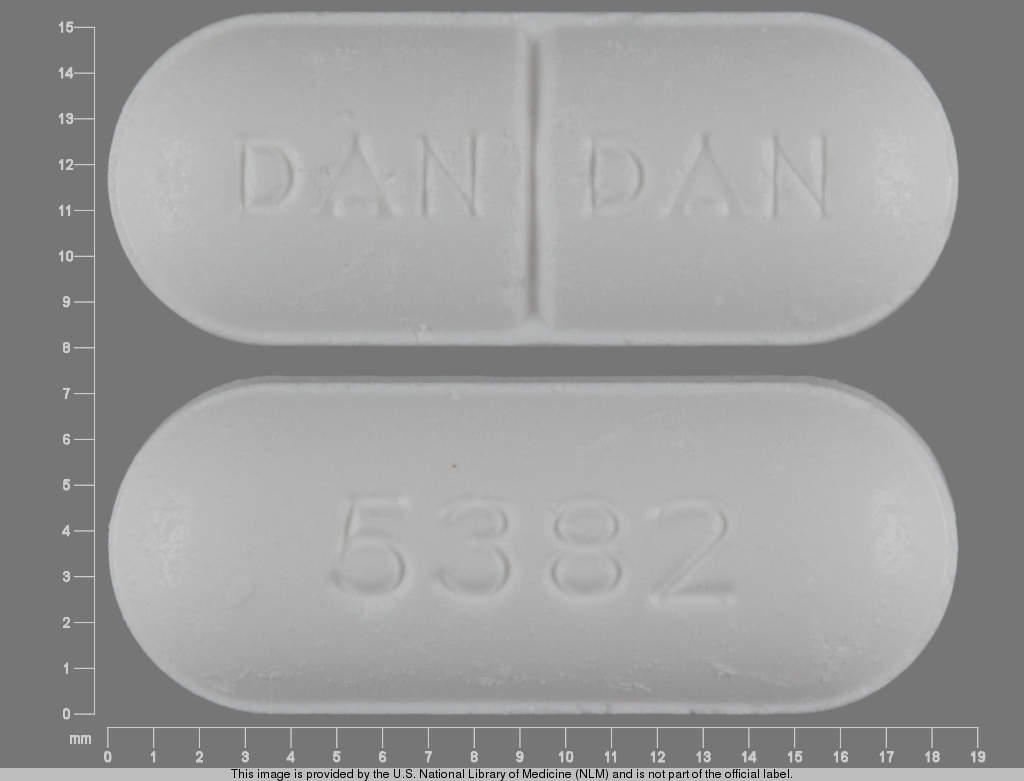
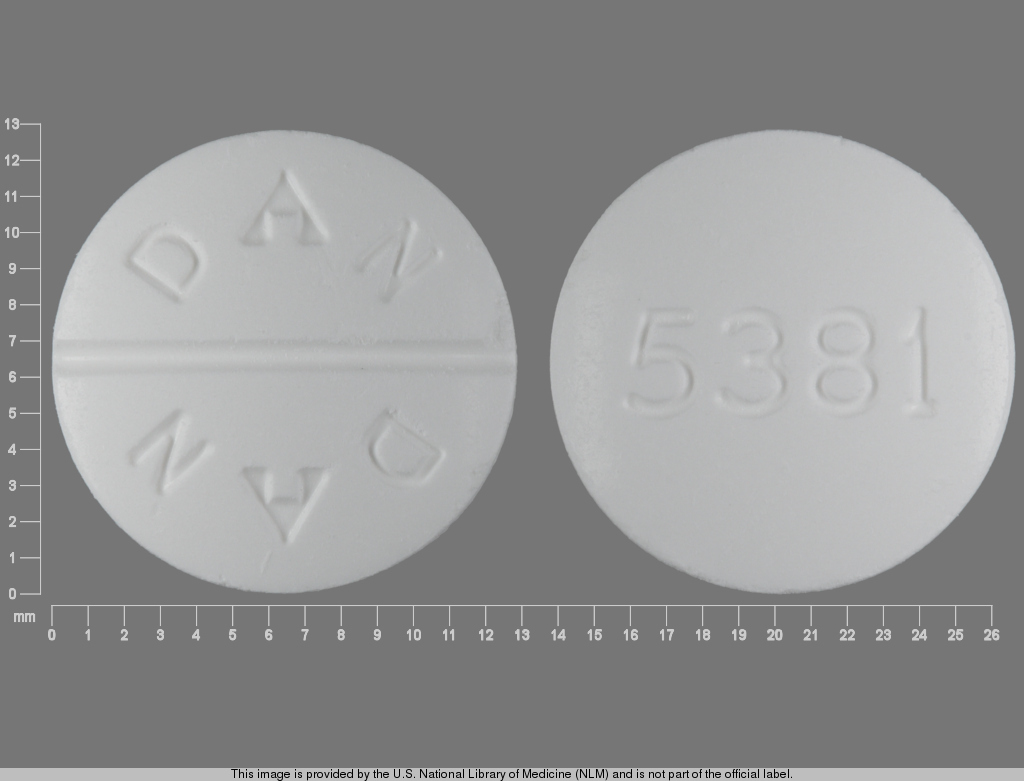
DOSAGE & ADMINISTRATION Methocarbamol Tablets USP 500 mg – Adults: Initial dosage: 3 tablets q.i.d. Maintenance dosage: 2 tablets q.i.d. Methocarbamol Tablets USP 750 mg – Adults: Initial dosage: 2 tablets q.i.d. Maintenance dosage: 1 tablet q.4h. or 2 tablets t.i.d. Six grams a day are recommended for the first 48 to 72 hours of treatment. (For severe conditions 8 grams a day may be administered). Thereafter, the dosage can usually be reduced to approximately 4 grams a day.
Side effects
Common adverse reactions include drowsiness, dizziness, blurred vision, nausea and vomiting, headache, and rash. More serious but less common reactions include seizures, syncope, anaphylactic reactions, and jaundice.