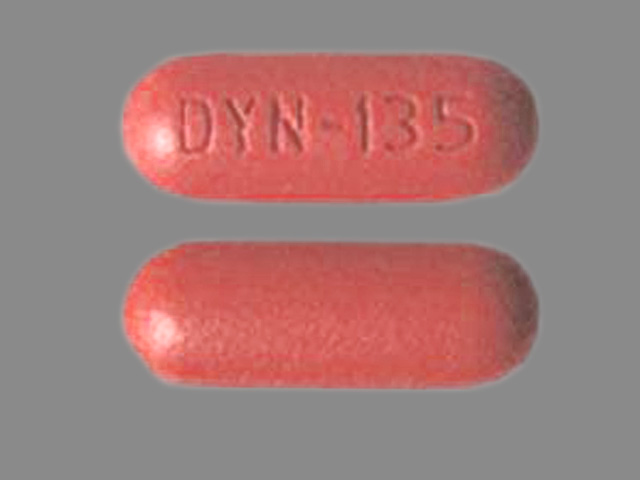
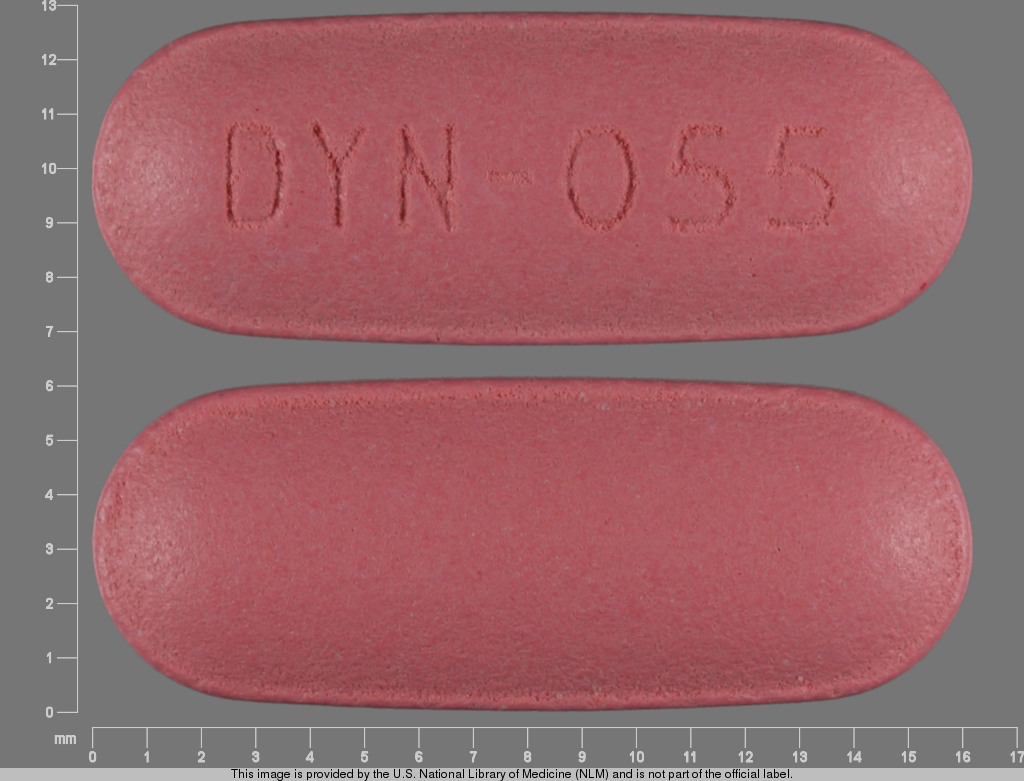
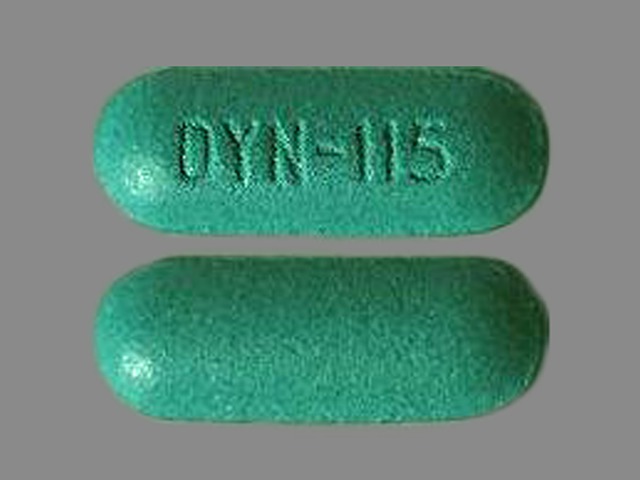
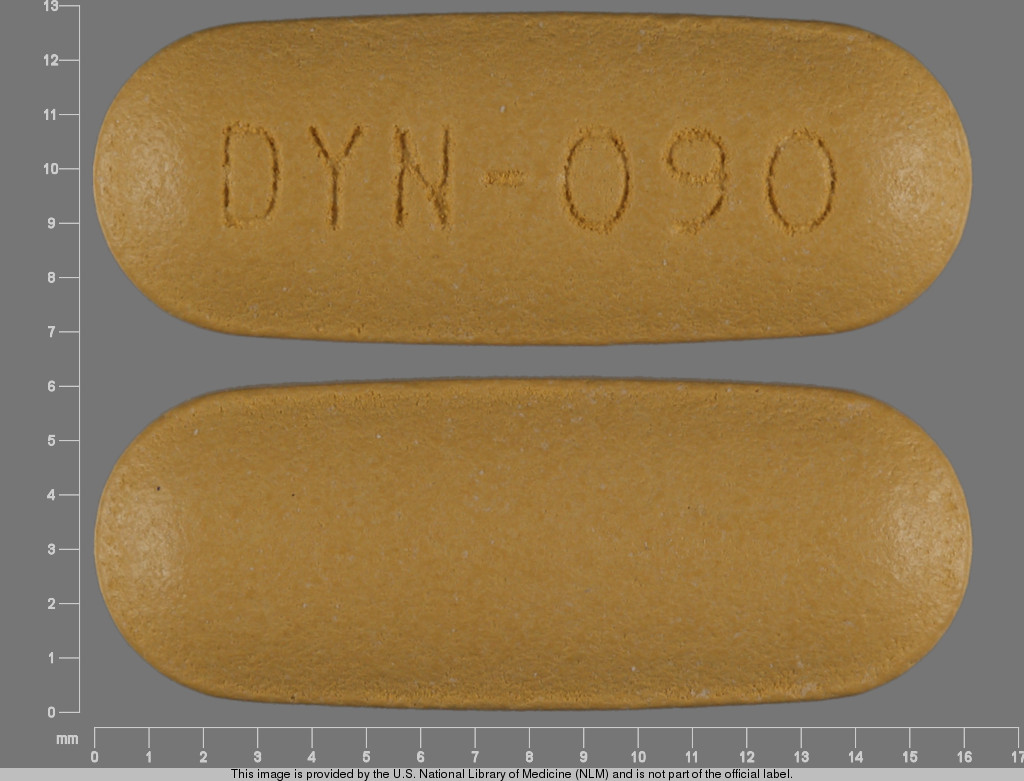
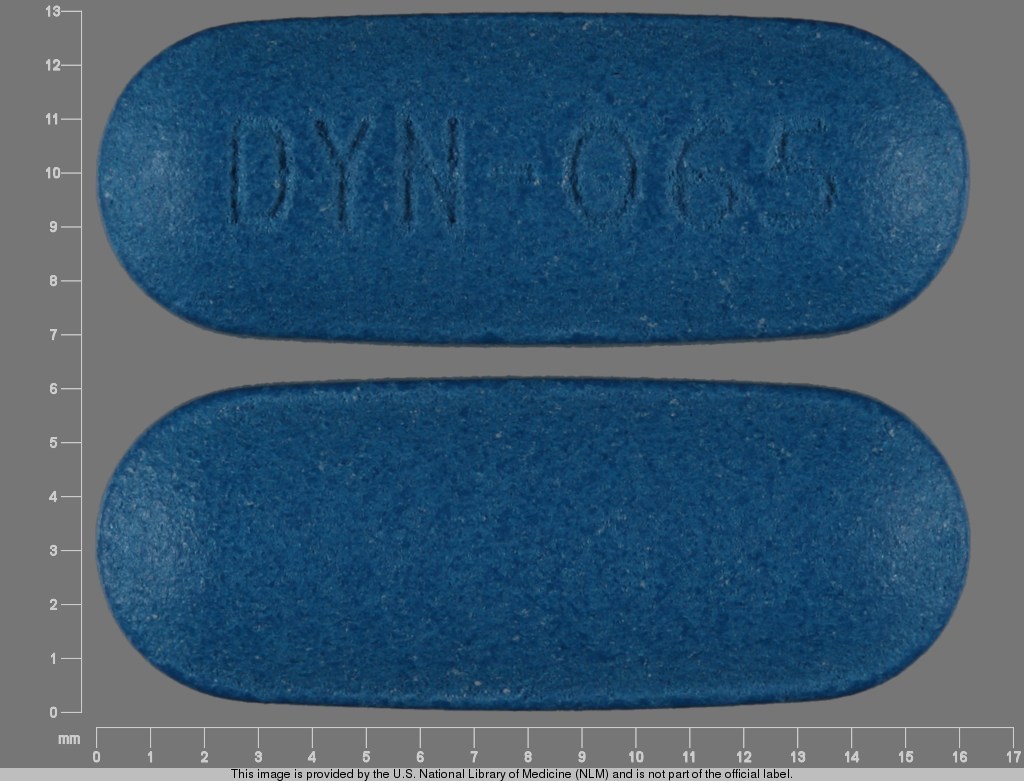
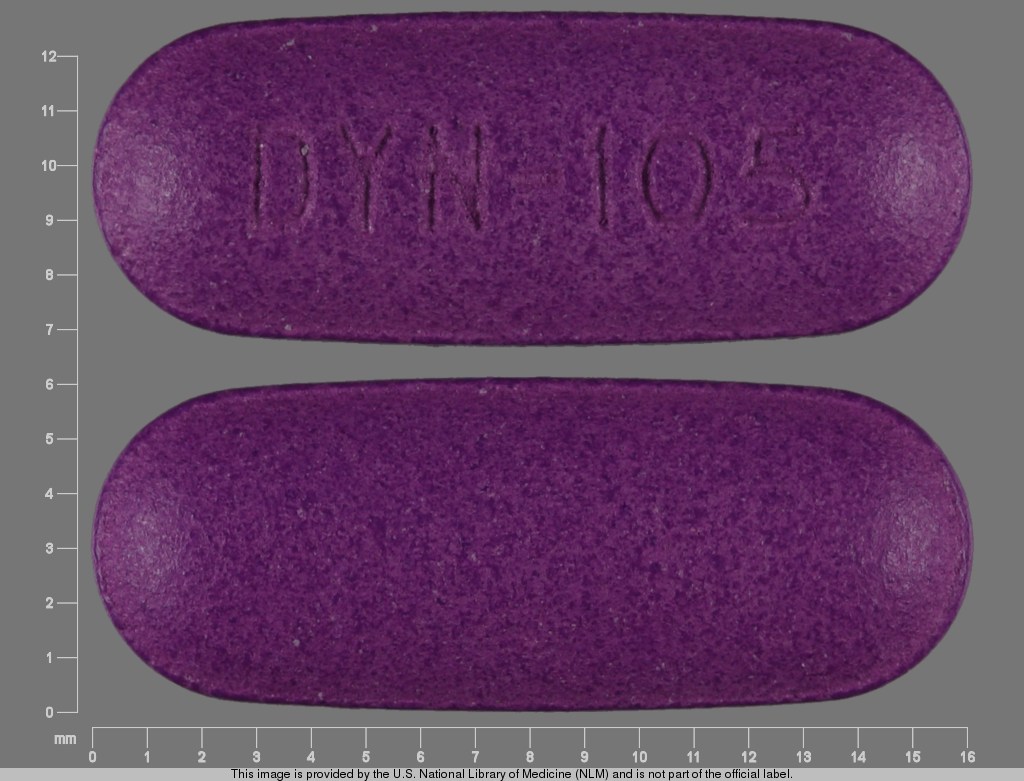
Drug class
A "tetracycline-class" semisynthetic antibiotic, bacteriostatic in action, working by inhibiting bacterial protein synthesis at the ribosome; active against a broad range of gram-positive and gram-negative organisms, rickettsiae, and some protozoa.
Uses
Minocycline Hydrochloride Tablets are indicated for infections caused by susceptible organisms, including rickettsial infections (Rocky Mountain spotted fever, typhus fever, Q fever), respiratory tract infections due to Mycoplasma pneumoniae, sexually transmitted infections (chlamydia, uncomplicated gonorrhea, syphilis), skin/soft-tissue and urinary tract infections, and as adjunctive therapy in severe acne; it is also used to eliminate the meningococcal carrier state. As with other antibacterials, the label states minocycline "should be used to treat only infections that are proven or strongly suspected to be caused by susceptible bacteria."
Warnings
BOXED WARNING: "MINOCYCLINE HYDROCHLORIDE TABLETS, LIKE OTHER TETRACYCLINE-CLASS ANTIBIOTICS, CAN CAUSE FETAL HARM WHEN ADMINISTERED TO A PREGNANT WOMAN," with use during tooth development (last half of pregnancy through age 8) causing permanent tooth discoloration (yellow-gray-brown) and enamel hypoplasia. Other key warnings: photosensitivity reactions, CNS effects (dizziness, vertigo), Clostridium difficile-associated diarrhea (CDAD), Drug Rash with Eosinophilia and Systemic Symptoms (DRESS), and pseudotumor cerebri (benign intracranial hypertension), which can occur with concomitant isotretinoin and may cause permanent vision loss.
Contraindications
4 CONTRAINDICATIONS This drug is contraindicated in persons who have shown hypersensitivity to any of the tetracyclines or any other ingredients in ZILXI. This drug is contraindicated in persons who have shown hypersensitivity to any of the tetracyclines or any of the ingredients in ZILXI. ( 4 )
Drug interactions
7 DRUG INTERACTIONS • Patients on anticoagulant therapy may require downward adjustment of their anticoagulant dosage. ( 7.1 ) • Penicillin: avoid coadministration. ( 7.2 ) 7.1 Anticoagulants Because tetracyclines have been shown to depress plasma prothrombin activity, patients who are on anticoagulant therapy may require downward adjustment of their anticoagulant dosage. 7.2 Penicillin Since bacteriostatic drugs may interfere with the bactericidal action of penicillin, it is advisable to avoid giving tetracycline-class drugs in conjunction with penicillin. 7.3 Drug/Laboratory Test Interactions False elevations of urinary catecholamine levels may occur due to interference with the fluorescence test.
Dosage & administration
2 DOSAGE AND ADMINISTRATION For topical use only, not for oral, ophthalmic or intravaginal use. After shaking the can well, a small amount of topical foam (e.g. a cherry-sized amount) should be expressed from the can onto the fingertips of the hand and then applied as a thin layer over all areas of the face. Additional ZILXI foam may be used as needed to ensure the entire face is treated. The topical foam should be applied at approximately the same time each day at least 1 hour before bedtime. The patient should not bathe, shower or swim for at least 1 hour after application of the product. Apply ZILXI over all areas of the face once daily. ZILXI should be gently rubbed into the skin. ( 2 )
Side effects
Reported adverse reactions include gastrointestinal effects (nausea, vomiting, diarrhea, esophageal ulceration); skin reactions including rash, photosensitivity, and rare Stevens-Johnson syndrome/toxic epidermal necrolysis; hepatotoxicity up to liver failure; hematologic effects such as agranulocytosis and hemolytic anemia; hypersensitivity reactions including anaphylaxis and angioedema; and renal effects such as interstitial nephritis and acute renal failure. Tooth discoloration and enamel hypoplasia are specifically noted with exposure during tooth development.