Overview
Naproxen is a nonsteroidal anti-inflammatory drug (NSAID) used to reduce pain, stiffness, fever-related discomfort and inflammation. Chemically it is a propionic acid derivative, which puts it in the same broad family as ibuprofen and ketoprofen. It has been used in clinical practice since the 1970s. It is also one of the few NSAIDs sold in two very different settings: as a prescription medicine for chronic joint disease and as an over-the-counter pain reliever for everyday aches.
This page covers what naproxen is used for, how it works, how the different tablets and liquids are typically taken, what its main risks and side effects are, and which other medicines it interacts with. It also notes special considerations for pregnancy, children, older adults and people with kidney or liver problems. Because the drug is made by many manufacturers in many shapes, colors and strengths, there is also a short section on identifying a naproxen pill.
Uses
Naproxen is prescribed for several kinds of pain and inflammation. The labeled uses include:
- Rheumatoid arthritis, an autoimmune condition that inflames the joints
- Osteoarthritis, the wear-related form of joint disease
- Ankylosing spondylitis, an inflammatory arthritis that mainly affects the spine
- Polyarticular juvenile idiopathic arthritis in children
- Tendonitis and bursitis, which are inflammation of tendons and of the fluid-filled cushions near joints
- Acute gout flares
- General pain, such as after a sprain or dental procedure
- Primary dysmenorrhea, meaning painful menstrual cramps without an underlying structural cause
Naproxen treats symptoms. It reduces pain, swelling and stiffness, but it does not change the underlying course of rheumatoid arthritis, osteoarthritis or ankylosing spondylitis. For that reason it is often used alongside other treatments rather than as the only therapy. The label advises using the lowest effective dosage for the shortest duration consistent with a person's treatment goals.
The drug is sold under many names. Prescription products include Naprosyn (tablets and oral suspension), EC-Naprosyn (delayed-release tablets), Anaprox and Anaprox DS (naproxen sodium tablets), and Naprelan (extended-release naproxen sodium). Vimovo is a combination tablet that pairs naproxen with the acid-reducing medicine esomeprazole magnesium. Many generic versions are labeled simply as naproxen or naproxen sodium. Over the counter, naproxen sodium 220 mg is best known as Aleve, and store-brand pain relievers use the same ingredient, sometimes under labels such as back and muscle pain formulas. The over-the-counter products are generally aimed at minor aches, headaches, toothaches, muscle pain, backache, menstrual cramps, the common cold and minor arthritis pain.
How naproxen works
Naproxen blocks the enzymes cyclooxygenase-1 and cyclooxygenase-2, usually shortened to COX-1 and COX-2. These enzymes convert arachidonic acid into prostaglandins, chemical messengers that contribute to pain signaling, swelling, fever and the inflammatory response. When prostaglandin production falls, pain sensitivity drops and inflammation settles. Naproxen inhibits both COX forms, so it is called a non-selective NSAID.
The same mechanism explains most of the drug's unwanted effects. COX-1 helps maintain the protective mucus lining of the stomach, supports platelet function (which is needed for normal blood clotting) and helps maintain blood flow through the kidneys. Reducing prostaglandins in these tissues can lead to stomach irritation, a slightly increased tendency to bleed and changes in kidney function. COX-2 inhibition is linked to the cardiovascular and blood-pressure effects seen across the NSAID class.
Naproxen is absorbed well after swallowing and is very highly bound to proteins in the blood, mostly albumin. It is processed in the liver and eliminated mainly through the kidneys. Its elimination half-life is long for an NSAID, roughly twelve to seventeen hours. That is why prescription use commonly involves two doses a day, while shorter-acting NSAIDs such as ibuprofen are taken more often. The sodium salt (naproxen sodium) dissolves faster than the base form of naproxen, so it tends to reach effective blood levels sooner. This is one reason it is favored for acute pain and menstrual cramps. Naproxen and naproxen sodium both circulate as the same active naproxen anion, which matters for avoiding duplication, as discussed below.
Forms and strengths
Naproxen products differ in how the drug is released and absorbed, so they are not interchangeable milligram for milligram. The main forms are:
- Immediate-release naproxen tablets, available in strengths of 250 mg, 375 mg and 500 mg.
- Naproxen sodium tablets (Anaprox and Anaprox DS and their generics), available in 275 mg and 550 mg. These contain roughly the same amount of active naproxen as the 250 mg and 500 mg base tablets, respectively, which is why the numbers differ.
- Over-the-counter naproxen sodium, 220 mg per tablet or caplet.
- Delayed-release tablets (EC-Naprosyn and generics), with an enteric coating that resists stomach acid and releases the drug further along the digestive tract. Strengths include 375 mg and 500 mg.
- Extended-release naproxen sodium tablets (Naprelan), designed for once-daily use.
- Oral suspension, 125 mg per 5 mL, often used when liquid dosing is needed, especially in children.
- Naproxen with esomeprazole (Vimovo), a delayed-release tablet that combines naproxen with 20 mg of esomeprazole to lower the risk of stomach ulcers in people who need long-term NSAID therapy.
Some entries in drug databases also list bulk powder, which is raw material used by manufacturers and compounding pharmacies rather than a consumer product.
Dosage & administration
Naproxen is taken by mouth, and the amount and schedule depend heavily on the condition being treated, the specific product and the individual. What follows describes typical patterns only. A prescriber or pharmacist determines the right regimen for a particular person.
For long-term inflammatory conditions such as rheumatoid arthritis, osteoarthritis and ankylosing spondylitis, immediate-release naproxen is typically taken twice daily, often morning and evening. The two doses do not have to be equal, and taking the drug more often than twice a day does not generally improve the response. Over time, prescribers often reduce the dose to the lowest level that keeps symptoms under control. Higher daily amounts are generally reserved for limited periods, because the added anti-inflammatory benefit has to be weighed against the added risks.
For short-term problems such as acute pain, menstrual cramps, tendonitis or bursitis, a common approach is a larger first dose followed by smaller doses every six to eight hours as needed, with a daily ceiling set on the label. For an acute gout attack, treatment usually begins with a larger loading dose, followed by smaller doses at regular intervals until the attack subsides. Gout flares typically ease over a matter of days, and the drug is not used continuously for gout in the same way as arthritis therapy.
Extended-release naproxen sodium is usually taken once a day, and the tablets are swallowed whole rather than crushed, split or chewed, since breaking them defeats the release mechanism. Delayed-release tablets likewise are generally swallowed whole. Because the delayed-release form dissolves later, it is not used when a fast onset is needed for acute pain. Standard naproxen tablets can often be taken with a full glass of water, and many people take them with food or milk to reduce stomach upset. Food can slightly slow absorption but does not usually reduce how much drug is absorbed. Lying down immediately after swallowing a tablet is generally discouraged, since irritation of the esophagus can occur.
Over-the-counter naproxen sodium labels direct users to take the smallest amount that works for the shortest time. They set a ceiling on daily use and advise consulting a doctor if pain lasts beyond a short period or if fever persists. They also tell users not to combine the product with other naproxen or NSAID products.
For children with juvenile idiopathic arthritis, dosing is weight-based, split into two daily doses. The label notes that tablets do not allow the flexible titration needed in small children, so the liquid suspension is often more appropriate and tablets are not suitable for children under about 50 kilograms.
Several general points apply across formulations:
- Naproxen and naproxen sodium products should not be taken together. All forms circulate as the same naproxen anion, so combining them effectively doubles the dose.
- Different strengths and formulations, such as tablets and suspension, are not interchangeable milligram for milligram, so changes in product should be made with a pharmacist's input.
- A missed dose is generally taken when remembered unless the next dose is near; doses are not usually doubled. The product label or pharmacist can give specific guidance.
- Naproxen is not a substitute for low-dose aspirin taken to protect the heart.
Identifying a naproxen pill
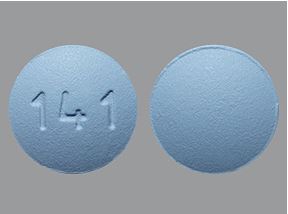
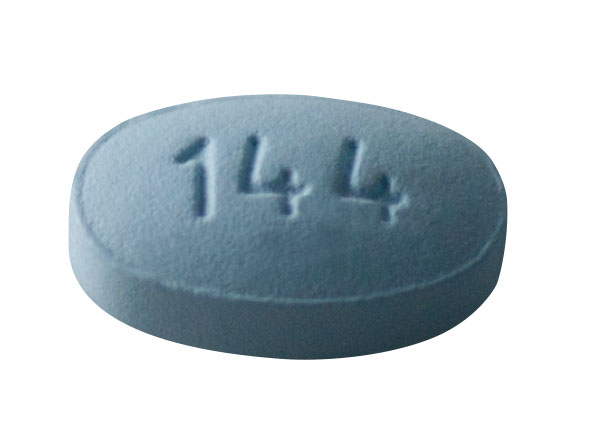
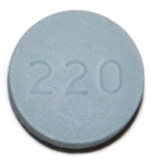
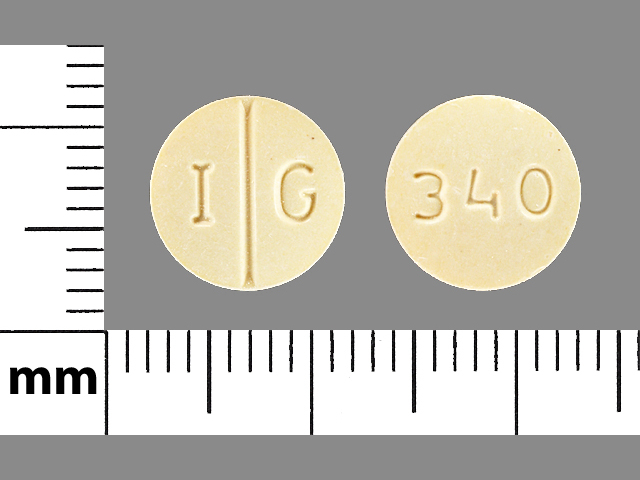
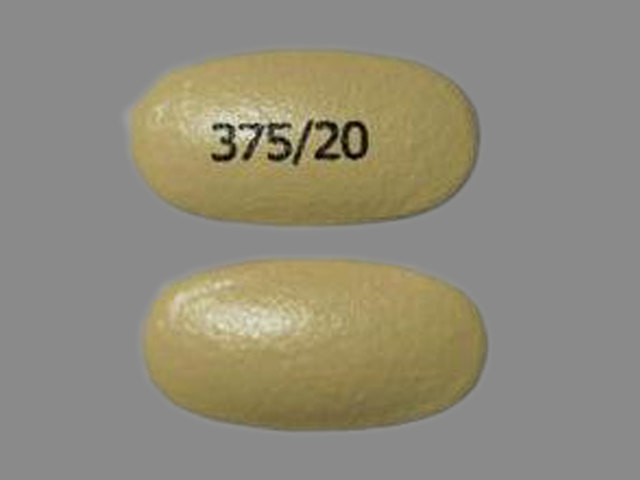
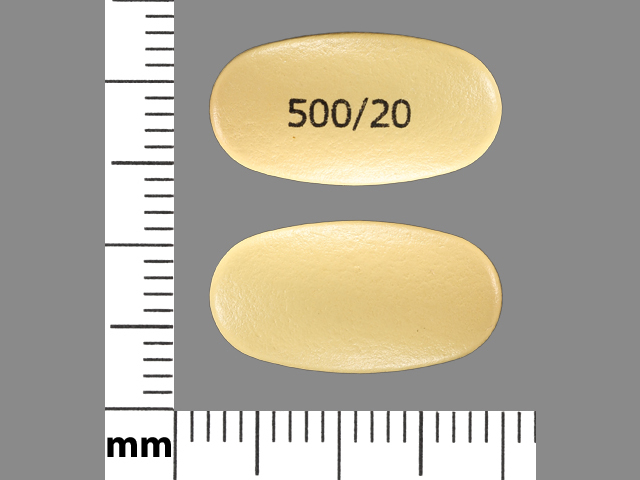
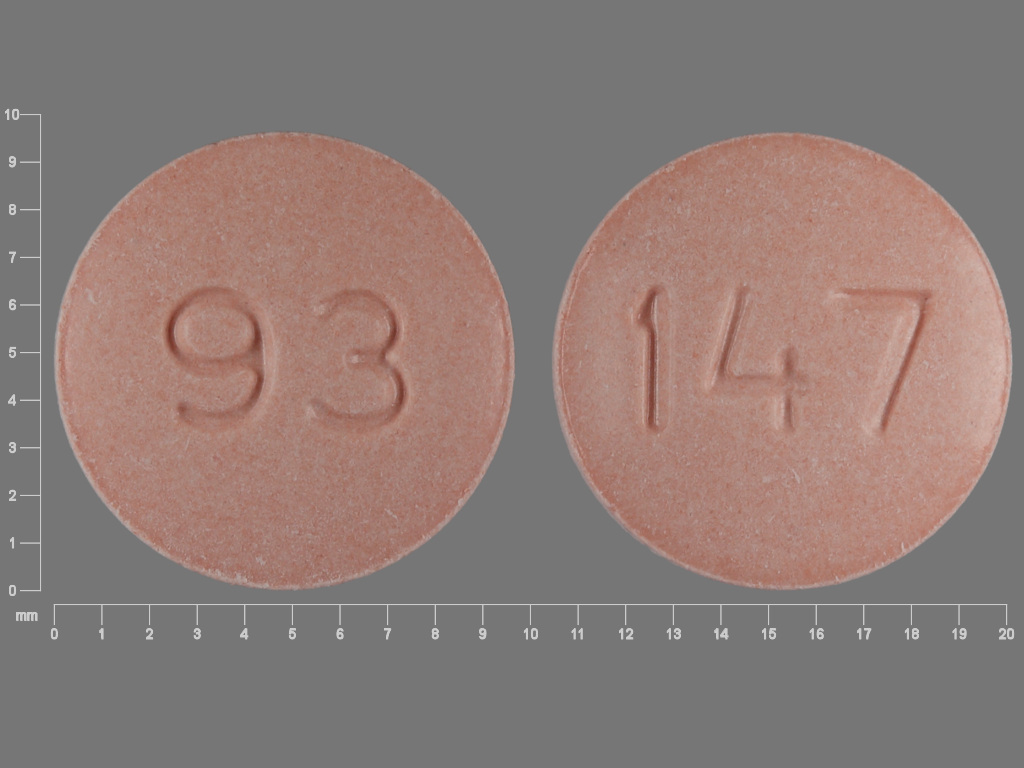
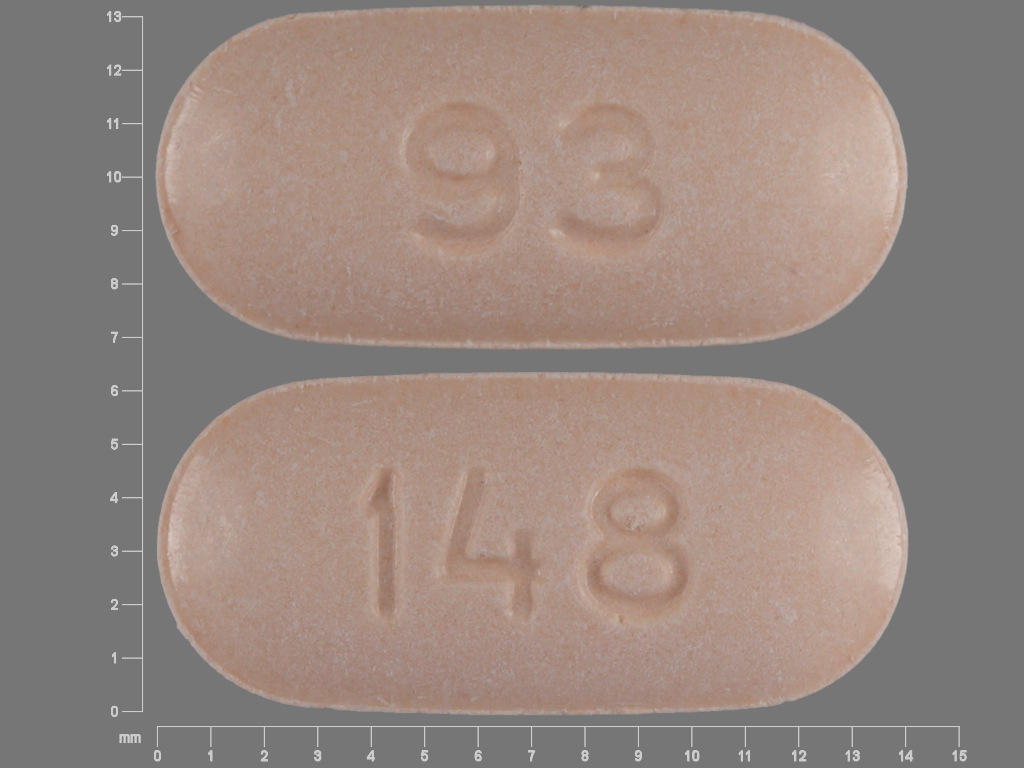
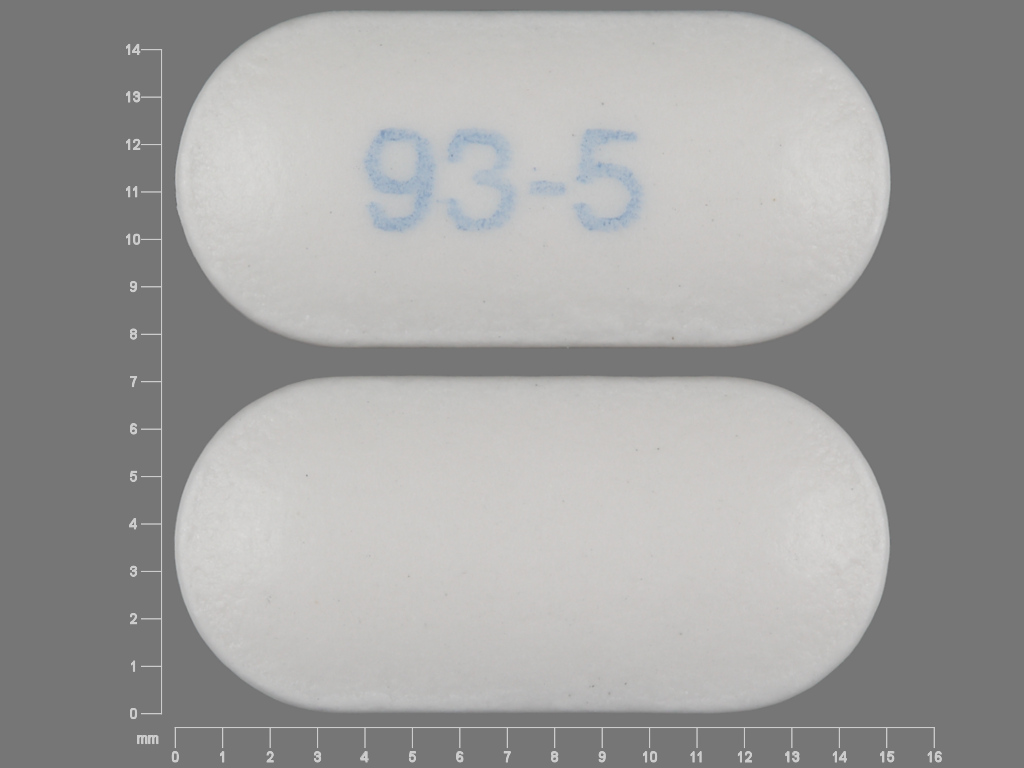
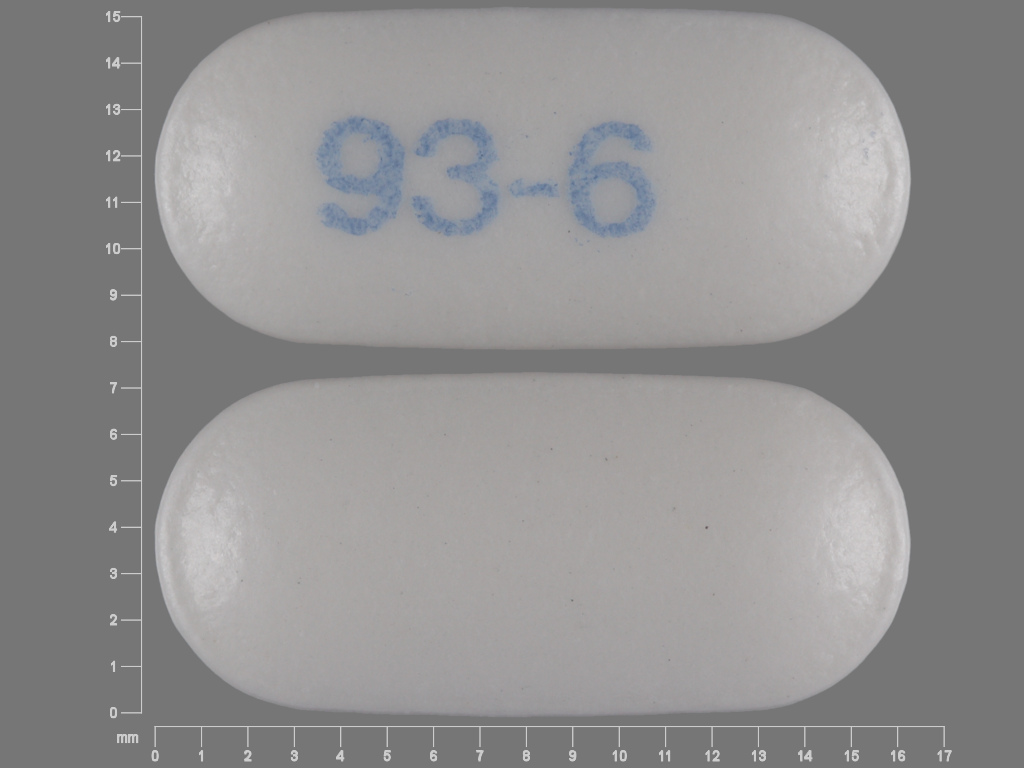
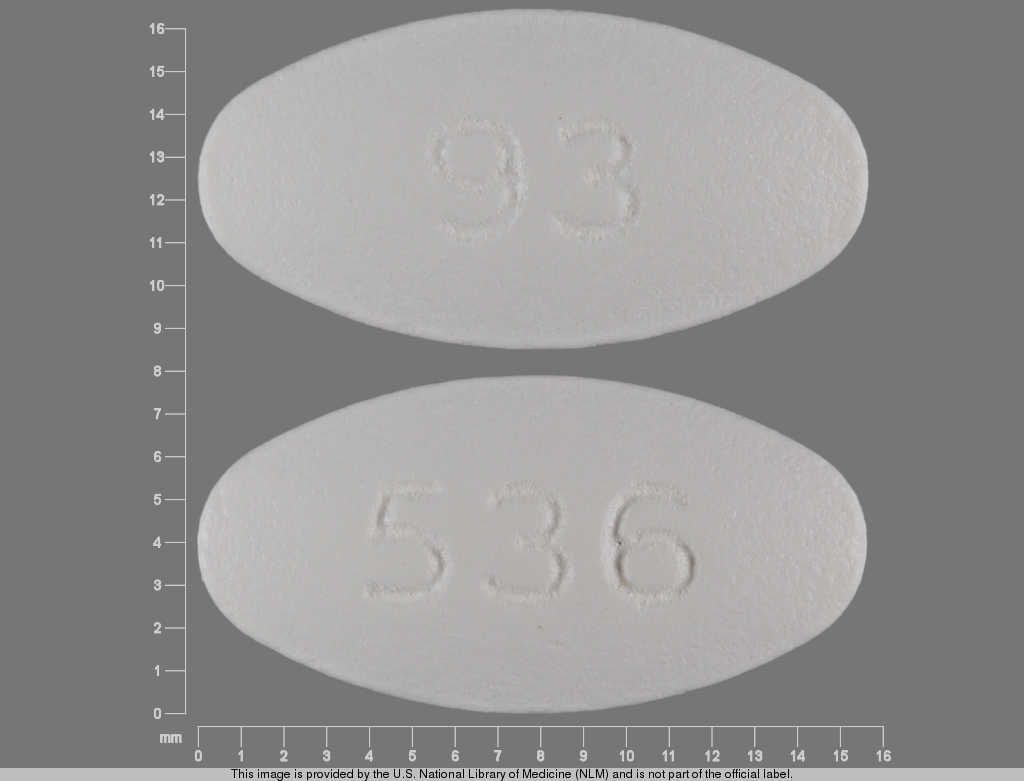
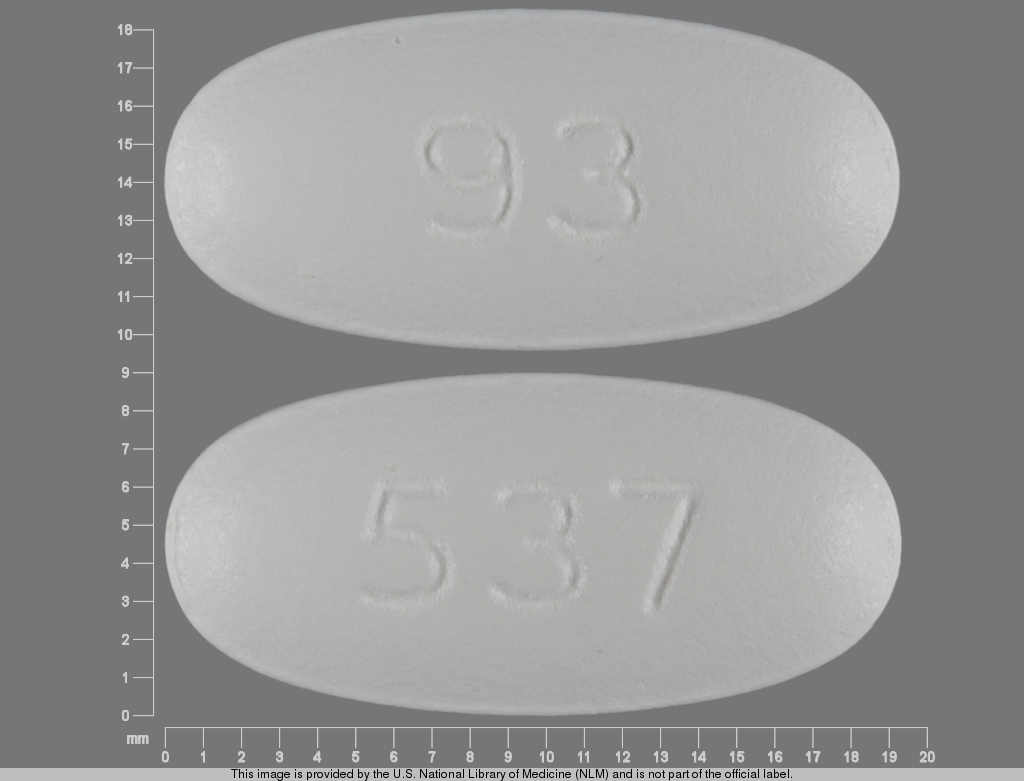
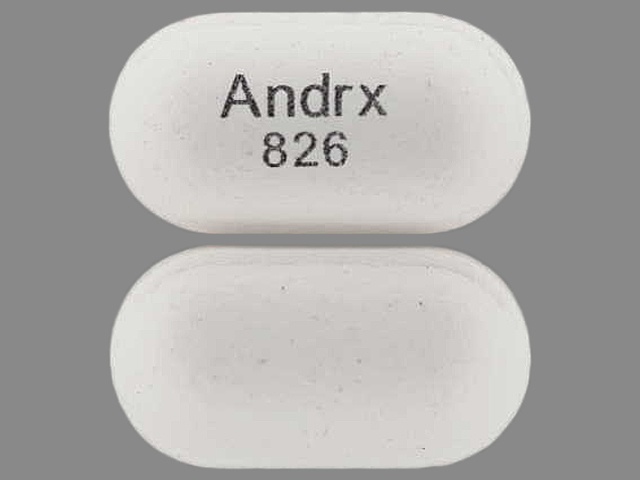
Because naproxen is made by dozens of manufacturers, tablets vary widely in appearance. The database behind this site holds more than a thousand naproxen-containing pill entries. In general, prescription naproxen tablets are round, oval or capsule-shaped, often scored so they can be halved, and they come in white, yellow, peach, blue or other colors depending on strength and maker. Naproxen sodium 550 mg tablets are frequently blue or similar in color, and the over-the-counter 220 mg naproxen sodium caplets are commonly blue, owing to the FD&C blue #2 coloring found in many of those products. Delayed-release tablets often look different again, with a coating that may be glossy and sometimes marked with an "EC" designation.
Color and shape alone are not enough to identify a tablet, since many unrelated medicines look alike. The imprint (letters, numbers or logos stamped into the surface), the strength and the manufacturer named on the label are far more reliable. A pharmacist can confirm what a tablet is from its imprint and packaging. The MedlinePlus Drug Information pages are another general reference for readers who want consumer-level background on this drug.
Warnings
Like all NSAIDs, naproxen carries risks that are well established and apply to both prescription and over-the-counter products. Most are more likely with higher doses, longer use, older age or pre-existing conditions.
Cardiovascular risk
NSAIDs as a class increase the risk of serious cardiovascular events, including heart attack and stroke, and these can be fatal. The risk may begin early in treatment and can rise with longer use. Some studies have suggested naproxen carries a lower cardiovascular risk than certain other NSAIDs, but it is not risk-free, and people with existing heart disease or risk factors face greater concern. Naproxen is contraindicated for pain relief around coronary artery bypass graft (CABG) surgery. NSAIDs can also raise blood pressure, can worsen control of existing hypertension, and can cause fluid retention and swelling. In people with heart failure, they may worsen the condition.
Gastrointestinal bleeding, ulcers and perforation
NSAIDs can cause bleeding, ulcers and perforation in the stomach or intestines. These events can occur at any time, and they sometimes happen without warning symptoms. Risk is higher in older adults and in anyone with a past history of peptic ulcer disease or gastrointestinal bleeding. The label notes that people with a prior ulcer history had a greater than tenfold higher risk of developing a GI bleed compared with those without such a history. Other factors that raise the risk include smoking, regular alcohol use, longer treatment, higher doses, and simultaneous use of corticosteroids, anticoagulants or antiplatelet drugs. Signs that merit prompt medical attention include black or tarry stools, vomiting blood or material resembling coffee grounds, and severe or persistent stomach pain. For people who need long-term therapy and have elevated GI risk, doctors sometimes add a stomach-protecting medicine such as a proton pump inhibitor. The naproxen-esomeprazole combination (Vimovo) is built around this idea.
Kidney effects
Prostaglandins help keep blood flowing to the kidneys, especially when the body is dehydrated, when blood volume is low or when kidney function is already reduced. By lowering prostaglandins, naproxen can reduce kidney blood flow and, in vulnerable people, lead to a decline in kidney function, fluid retention and raised potassium levels. Long-term high-dose use can cause lasting kidney injury. People who are dehydrated, who take diuretics or ACE inhibitors, or who have existing kidney disease are the most affected.
Allergic and skin reactions
Naproxen can cause allergic reactions, including anaphylaxis, in people sensitive to it. It is contraindicated for anyone who has had asthma, hives or other allergic-type reactions after taking aspirin or another NSAID, since severe and sometimes fatal reactions have been reported in such individuals. Serious skin reactions, including exfoliative dermatitis, Stevens-Johnson syndrome, toxic epidermal necrolysis and DRESS (drug reaction with eosinophilia and systemic symptoms), can occur with NSAIDs, sometimes without prior warning. A rash, blistering, peeling, mouth sores or facial swelling while taking naproxen calls for urgent medical evaluation. Naproxen has also been associated with a photosensitivity reaction called pseudoporphyria, in which sun-exposed skin forms fragile blisters and scars. It has been reported particularly in children with juvenile arthritis.
Liver effects
Borderline elevations of liver enzymes can occur in a minority of people. Rarely, serious liver injury, including jaundice and hepatitis, has been reported with NSAIDs. Symptoms such as persistent fatigue, nausea, yellowing of the skin or eyes, itching, dark urine or pain in the upper right abdomen warrant medical attention.
Blood and other effects
Naproxen can reduce platelet aggregation and prolong bleeding time, and this effect lasts as long as the drug is present. Anemia can occur, sometimes from slow blood loss in the digestive tract and sometimes from fluid retention or effects on red blood cell production. Other reported problems include aseptic meningitis (most often in people with lupus or other autoimmune conditions), visual disturbances, ringing in the ears and, with long-term use of NSAIDs in general, medication-overuse headache.
Masking of infection or inflammation
Because naproxen lowers fever and reduces inflammation, it can obscure signs of an infection. This is one reason over-the-counter labels advise seeing a doctor if fever lasts or pain persists.
Surgery and procedures
Healthcare professionals often advise stopping NSAIDs for a period before major surgery because of the bleeding tendency, and they may want to know about naproxen use before any procedure. The long half-life means the effect on platelets lingers for a few days after the last dose.
Who should not use naproxen
The labeled contraindications are limited but important. Naproxen should not be used by people who:
- have a known hypersensitivity to naproxen or any component of the product, including previous anaphylactic or serious skin reactions
- have had asthma, hives or other allergic reactions after taking aspirin or other NSAIDs
- are in the setting of coronary artery bypass graft surgery
Beyond these, caution is advised, and avoidance is often recommended, for people with active stomach or intestinal bleeding or ulcers, advanced kidney disease, severe heart failure, uncontrolled high blood pressure, or severe liver disease. A doctor or pharmacist weighs these on an individual basis. People with nasal polyps combined with asthma are one group in whom NSAID sensitivity is particularly common.
Side effects
Most people who take naproxen for a short time experience few or no problems. When side effects occur, the most common are digestive. Those reported in roughly 1% to 10% of patients in clinical studies include:
- heartburn and indigestion
- abdominal pain
- nausea
- constipation or diarrhea
- headache
- dizziness and drowsiness
- skin eruptions or itching
- ringing in the ears (tinnitus)
- swelling of the legs or feet from fluid retention
- shortness of breath
Taking the tablet with food or milk may ease stomach discomfort, and such symptoms often lessen as the body adjusts, though persistent symptoms should be discussed with a healthcare professional.
Less common but more serious effects occur in fewer than 1% of patients. These include gastrointestinal bleeding or perforation, liver injury, heart failure, kidney problems, severe skin reactions, anemia, and other blood-related changes. Other infrequent reports include blurred vision, hearing changes, depression or confusion, easy bruising, increased blood pressure and palpitations. Symptoms that suggest a serious reaction, such as chest pain, weakness on one side of the body, slurred speech, sudden severe stomach pain, black stools, vomiting blood, swelling of the face or throat, difficulty breathing, widespread rash or yellowing of the skin, need immediate emergency care rather than waiting for a routine appointment.
Drug interactions
Naproxen's high protein binding and its effects on platelets and kidney prostaglandins make it relevant to many other medicines. A pharmacist can review a full medication list. Notable interactions include the following.
Anticoagulants, antiplatelets and antidepressants
Naproxen combined with anticoagulants such as warfarin raises the risk of serious bleeding beyond that of either drug alone. The same applies to antiplatelet medicines such as clopidogrel and to newer anticoagulants. Selective serotonin reuptake inhibitors (for example sertraline and fluoxetine) and serotonin-norepinephrine reuptake inhibitors (for example venlafaxine) also affect platelet function through serotonin, so combining them with an NSAID can increase bleeding risk further. Healthcare professionals typically monitor for signs of bleeding when these combinations are necessary.
Aspirin
Naproxen can interfere with the heart-protective, antiplatelet effect of low-dose aspirin, especially if naproxen is taken regularly and at certain times relative to the aspirin. Taking the two together also raises the risk of stomach bleeding without adding meaningful extra pain relief. People who take low-dose aspirin for heart protection and also need pain relief should discuss which pain medicine is most suitable, and non-NSAID options such as acetaminophen are sometimes preferred. Naproxen is not a replacement for aspirin's cardiovascular role.
Other NSAIDs and corticosteroids
Using naproxen together with ibuprofen, diclofenac, meloxicam, ketorolac, high-dose aspirin or other salicylates increases GI toxicity with little or no added benefit, so such combinations are generally not recommended. Oral corticosteroids such as prednisone also add to the risk of ulcers and bleeding when combined with an NSAID.
Blood pressure and heart medicines
NSAIDs can weaken the effect of ACE inhibitors (such as lisinopril), angiotensin receptor blockers (such as losartan) and beta-blockers (such as propranolol), so blood pressure may need closer monitoring. In older adults, people who are dehydrated or those with reduced kidney function, combining an NSAID with an ACE inhibitor or ARB, especially alongside a diuretic, can raise the risk of kidney injury. Naproxen can also blunt the effect of loop and thiazide diuretics such as furosemide and hydrochlorothiazide. Naproxen has been reported to raise digoxin levels and prolong its half-life, so digoxin blood levels may be checked.
Lithium, methotrexate, cyclosporine and pemetrexed
These medicines depend on the kidneys for clearance, and NSAIDs can reduce that clearance. Naproxen can raise lithium levels, with a risk of lithium toxicity. It can increase methotrexate toxicity, particularly with higher-dose methotrexate regimens, and can increase the kidney toxicity of cyclosporine. With pemetrexed, NSAIDs can raise the risk of bone marrow suppression and kidney and GI toxicity, particularly in people with mild to moderate kidney impairment, and oncology teams often give specific instructions about pausing NSAIDs around pemetrexed treatment.
Medicines that affect naproxen absorption or clearance
Some antacids (those containing magnesium oxide or aluminum hydroxide), sucralfate and cholestyramine can delay the absorption of naproxen. Probenecid raises naproxen blood levels and extends its half-life, so dose adjustment may be considered. Because naproxen is highly bound to albumin, it may in theory interact with other highly protein-bound drugs, including hydantoins such as phenytoin, sulfonamides and sulfonylureas, and healthcare professionals may watch for needed dose adjustments.
Alcohol, supplements and laboratory tests
Regular alcohol use adds to the risk of stomach irritation and bleeding. Herbal products that affect clotting, such as ginkgo, high-dose fish oil or garlic supplements, can add to the bleeding tendency in theory, so it helps to mention supplements to a pharmacist. Naproxen may interfere with some laboratory tests, including certain urinary tests for 17-ketogenic steroids and 5-hydroxyindoleacetic acid (5-HIAA), and it can prolong bleeding time. For adrenal function testing that uses the Porter-Silber method, the label suggests the drug be temporarily discontinued ahead of time. Anyone undergoing lab work should mention naproxen use.
Pregnancy & breastfeeding
NSAIDs, including naproxen, are generally avoided in the later part of pregnancy. Starting at about 30 weeks of gestation, they can cause premature narrowing or closure of the fetal ductus arteriosus, a blood vessel essential to the baby's circulation before birth. Regulators have also warned that NSAID use from around 20 weeks of pregnancy onward can affect the fetal kidneys, leading to low amniotic fluid (oligohydramnios) and, in some cases, neonatal kidney problems. For these reasons, healthcare professionals usually advise avoiding naproxen from the second half of pregnancy, and if an NSAID is considered necessary between about 20 and 30 weeks, it is typically used at the lowest effective amount for the shortest time with monitoring. Use earlier in pregnancy is also usually approached cautiously, and some studies have raised questions about early-pregnancy exposure, so anyone who is pregnant or planning pregnancy should talk with their doctor before using it, including the over-the-counter versions. Acetaminophen is often considered first for pain in pregnancy.
Naproxen, like other NSAIDs, may be associated with temporary reduced fertility in some women by interfering with ovulation. For this reason, it may be reconsidered in women who are having difficulty conceiving or undergoing fertility evaluation.
Naproxen passes into breast milk in small amounts. Because its half-life is long and it can accumulate in infants, particularly newborns and premature babies, some authorities consider shorter-acting NSAIDs such as ibuprofen the more commonly preferred option during breastfeeding. Anyone nursing should discuss the choice with a healthcare provider, especially before extended use.
Pediatric use
Naproxen is one of the NSAIDs used in children with juvenile idiopathic arthritis, with the label supporting use in children from about two years of age. The liquid suspension offers the flexibility needed for weight-based dosing, whereas tablets are not considered appropriate for smaller children. Over-the-counter naproxen sodium is labeled for adults and children aged twelve and over, and younger children should not be given it unless a doctor directs otherwise. Because naproxen is long-acting, a dose given in the evening can still be active the next day, and dose schedules differ accordingly from those of shorter-acting pain relievers.
Children and teenagers who take naproxen for arthritis can be prone to the photosensitive skin reaction pseudoporphyria, so sun protection is often recommended. Dehydration, such as during a stomach illness with vomiting or diarrhea, raises the risk of kidney effects from NSAIDs, so doctors may advise holding the medicine during such episodes. Parents should keep all naproxen products, including the colorful over-the-counter tablets, out of reach, since accidental ingestion by children can be serious.
Older-adult use
Older adults are more likely than younger people to experience NSAID-related problems. The risk of stomach and intestinal bleeding rises with age, and those bleeds can be more severe and less likely to produce early warning symptoms. Kidney function naturally declines with age, so the kidney effects of naproxen, and its interactions with diuretics and ACE inhibitors or ARBs, matter more. Older adults are also more likely to have high blood pressure, heart disease or heart failure, which NSAIDs can worsen, and more likely to be taking medicines that interact, such as anticoagulants, antiplatelets, diuretics or antidepressants. Professional guidelines for older adults generally recommend avoiding long-term NSAID use where possible, using the lowest effective amount for the shortest time when it is needed, and considering stomach protection in higher-risk people. Naproxen's elimination can also be slower in older adults, so lower doses are often used. Dizziness, confusion and drowsiness may be more noticeable, which can add to the risk of falls.
Kidney & liver impairment
Naproxen and its metabolites are cleared mainly through the kidneys, and the drug itself can reduce kidney blood flow. For these reasons, it is generally not recommended in people with advanced kidney disease, as it can worsen function and cause fluid and potassium retention. In people with mild to moderate kidney impairment, healthcare professionals may use lower doses and monitor kidney function, and they often steer people with chronic kidney disease toward alternatives such as acetaminophen where suitable. Staying well hydrated is generally encouraged, particularly when taking naproxen alongside diuretics or ACE inhibitors or ARBs.
Because naproxen is metabolized in the liver, severe liver disease can change how the body handles it. In people with cirrhosis, reduced albumin can mean more free (active) drug, and the risk of fluid retention, kidney injury and bleeding is higher. The drug can also itself occasionally raise liver enzymes. A lower dose or a different medicine may be chosen for people with significant liver disease, and anyone with liver problems should have their medicines reviewed by a professional before using naproxen.
Overdose
Taking more naproxen than intended can cause symptoms that are typically limited to lethargy, drowsiness, nausea, vomiting and upper abdominal pain, and these have generally been reversible with supportive care. Gastrointestinal bleeding can occur. High blood pressure, acute kidney failure, slowed breathing and coma have been reported but are rare, and a few people have had seizures, though it is not clear whether the drug caused them. There is no specific antidote. Treatment is supportive, and in people seen soon after a large ingestion, a clinician may consider measures such as activated charcoal. Because naproxen is so highly protein-bound, dialysis is generally not useful. Anyone who may have taken too much, or any child who has swallowed naproxen, should be assessed urgently, and in the United States a poison control center can be reached at 1-800-222-1222.
Storage and handling
Naproxen products are generally stored at room temperature, away from excess moisture, heat and light, and kept in the original container with the cap closed. The oral suspension should be shaken before each measure and measured with a dosing device rather than a household spoon. Medicines no longer needed are best disposed of through a pharmacy take-back program rather than flushed or left where children or pets could reach them. Regulatory information about approved products is available from the FDA, and the labeling on file for this drug is also published through the National Library of Medicine's DailyMed service.