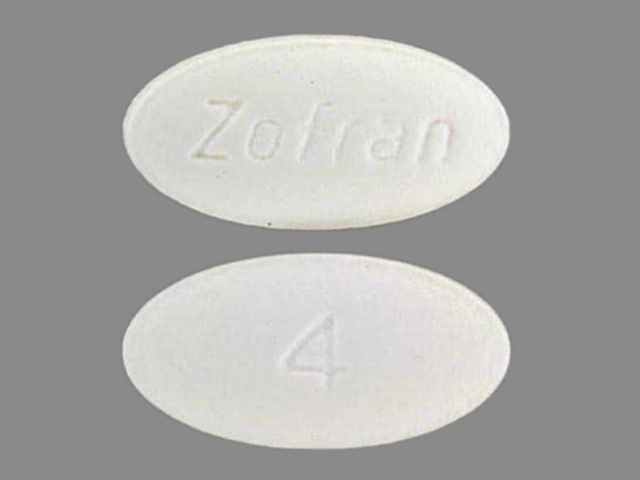
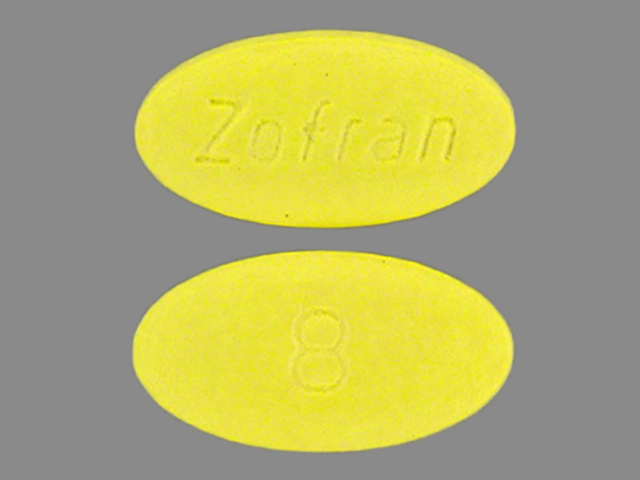
Drug class
Ondansetron is a selective 5-HT3 receptor antagonist—a serotonin antagonist used for antiemetic purposes.
Uses
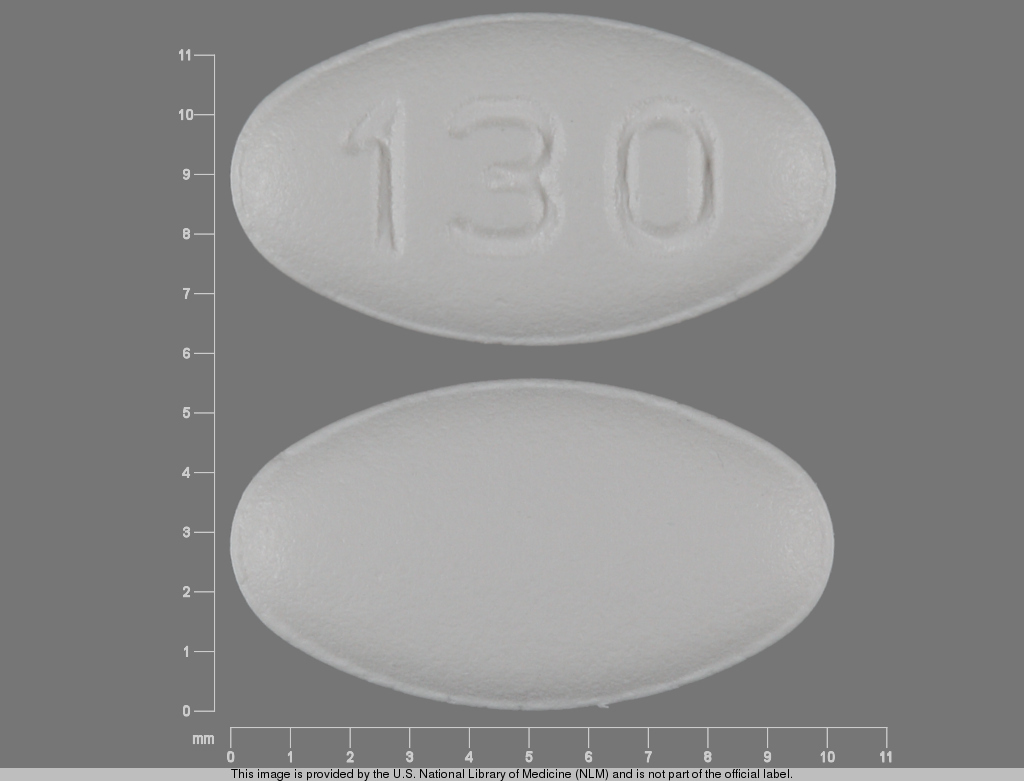
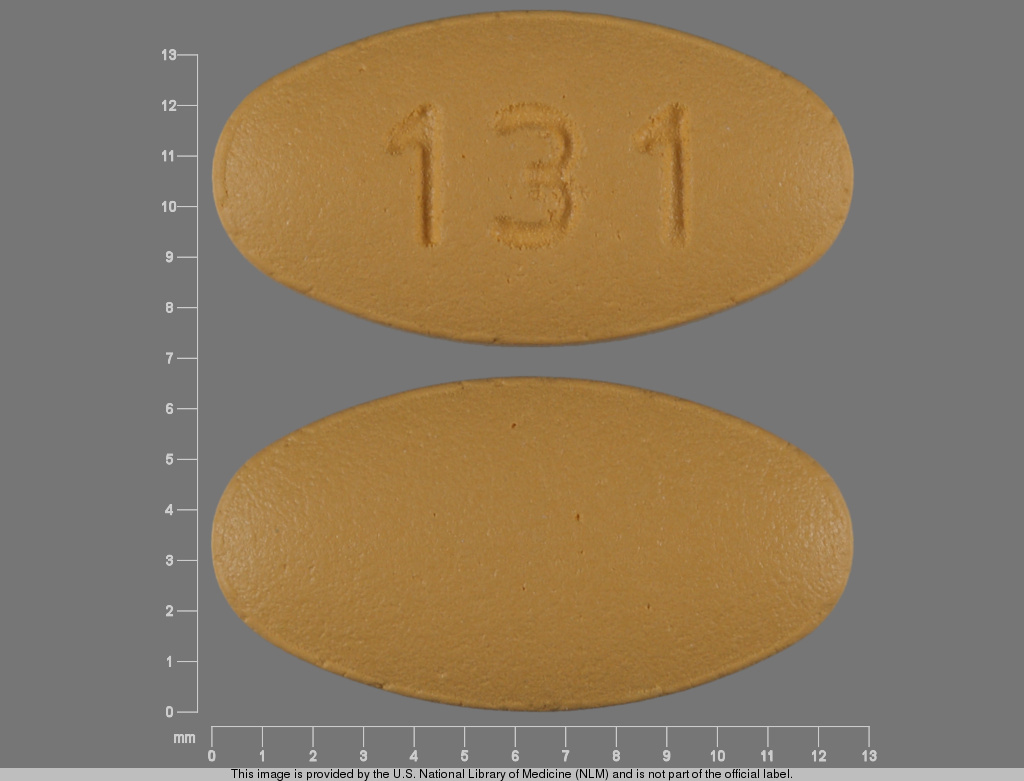
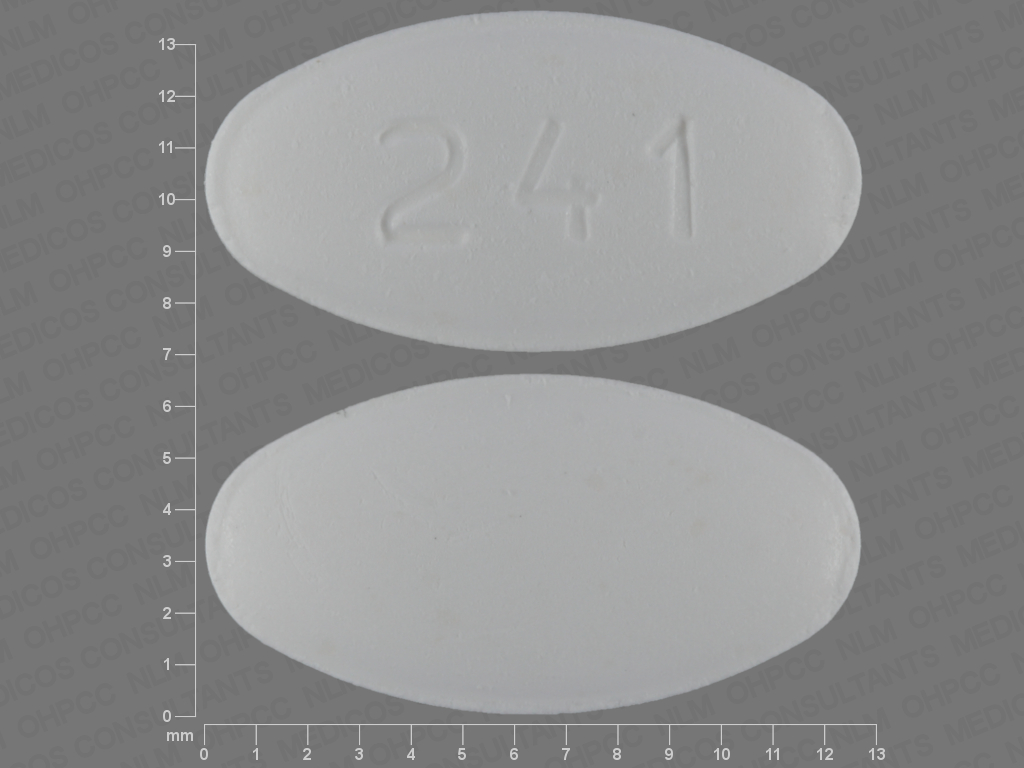
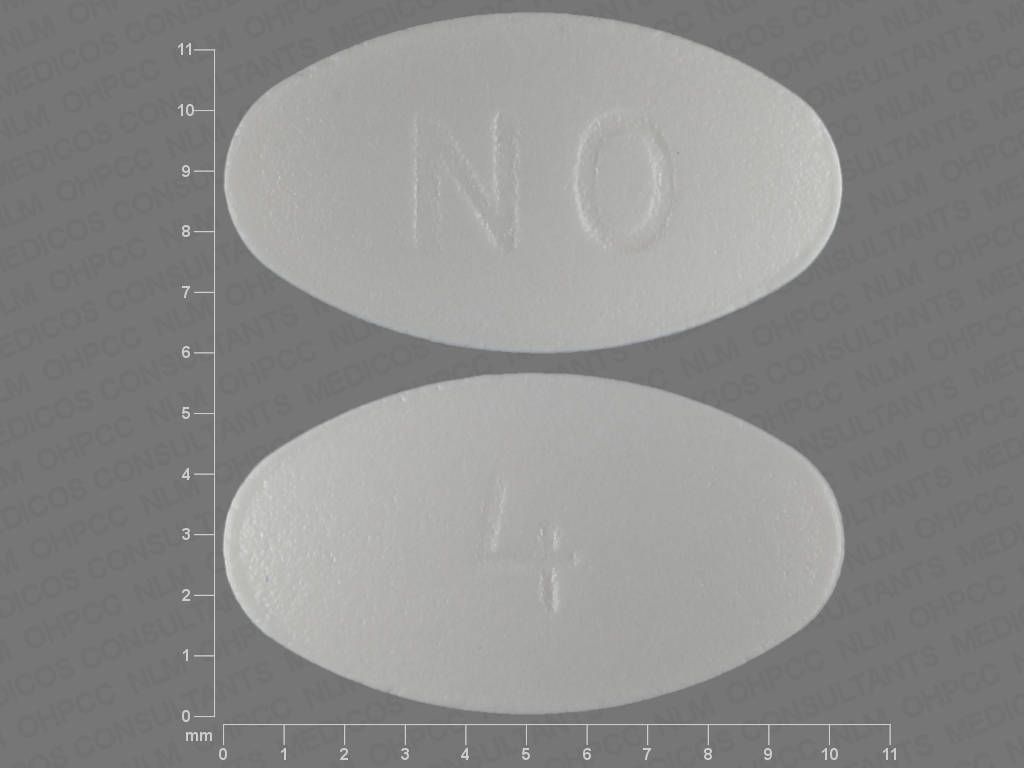
Ondansetron tablets are indicated for preventing nausea and vomiting associated with: - Highly emetogenic cancer chemotherapy (including cisplatin ≥50 mg/m²) - Moderately emetogenic cancer chemotherapy courses - Radiotherapy involving total body irradiation or abdominal radiation - Postoperative nausea and/or vomiting
Warnings
Key safety concerns include: - Hypersensitivity reactions: "Hypersensitivity reactions, including anaphylaxis and bronchospasm" may occur; discontinue if suspected - QT prolongation: Risk of serious cardiac arrhythmias; avoid in congenital long QT syndrome; ECG monitoring recommended for at-risk patients - Serotonin syndrome: Risk when combined with serotonergic drugs (SSRIs, SNRIs, tramadol, others); monitor for mental status changes and neuromuscular symptoms - Bowel obstruction masking: May mask progressive ileus and gastric distension post-surgery
Contraindications
4 CONTRAINDICATIONS Ondansetron orally disintegrating tablets are contraindicated in patients: known to have hypersensitivity (e.g., anaphylaxis) to ondansetron or any of the components of the formulation [see Adverse Reactions (6.2) ] receiving concomitant apomorphine due to the risk of profound hypotension and loss of consciousness Patients known to have hypersensitivity (e.g., anaphylaxis) to ondansetron or any components of the formulation. ( 4 ) Concomitant use of apomorphine. ( 4 )
Overdose
10 OVERDOSAGE There is no specific antidote for ondansetron overdose. Patients should be managed with appropriate supportive therapy. In addition to the adverse reactions listed above, the following adverse reactions have been described in the setting of ondansetron overdose: “Sudden blindness” (amaurosis) of 2 to 3 minutes’ duration plus severe constipation occurred in one patient that was administered 72 mg of ondansetron intravenously as a single dose. Hypotension (and faintness) occurred in a patient that took 48 mg of ondansetron tablets. Following infusion of 32 mg over only a 4-minute period, a vasovagal episode with transient second-degree heart block was observed. In all instances, the adverse reactions resolved completely. Pediatric cases consistent with serotonin syndrome have been reported after inadvertent oral overdoses of ondansetron (exceeding estimated ingestion of 5 mg per kg) in young children. Reported symptoms included somnolence, agitation, tachycardia, tachypnea, hypertension, flushing, mydriasis, diaphoresis, myoclonic movements, horizontal nystagmus, hyperreflexia, and seizure. Patients required supportive care, including intubation in some cases, with complete recovery without sequelae within 1 to 2 days.
Drug interactions
7 DRUG INTERACTIONS 7.1 Serotonergic Drugs Serotonin syndrome (including altered mental status, autonomic instability, and neuromuscular symptoms) has been described following the concomitant use of 5-HT 3 receptor antagonists and other serotonergic drugs, including SSRIs and SNRIs. Monitor for the emergence of serotonin syndrome. If symptoms occur, discontinue ondansetron and initiate supportive treatment [see Warnings and Precautions (5.3) ] . 7.2 Drugs Affecting Cytochrome P-450 Enzymes Ondansetron does not itself appear to induce or inhibit the cytochrome P-450 drug-metabolizing enzyme system of the liver [see Clinical Pharmacology (12.3) ] . Because ondansetron is metabolized by hepatic cytochrome P-450 drug-metabolizing enzymes (CYP3A4, CYP2D6, CYP1A2), inducers or inhibitors of these enzymes may change the clearance and, hence, the half-life of ondansetron. In patients treated with potent inducers of CYP3A4 (i.e., phenytoin, carbamazepine, and rifampin), the clearance of ondansetron was significantly increased and ondansetron blood concentrations were decreased. However, on the basis of available data, no dosage adjustment for ondansetron is recommended for patients on these drugs [see Clinical Pharmacology (12.3) ] . 7.3 Tramadol Although no pharmacokinetic drug interaction between ondansetron and tramadol has been observed, data from 2 small trials indicate that when used together, ondansetron may increase patient-controlled administration of tramadol. Monitor patients to ensure adequate pain control when ondansetron is administered with tramadol. 7.4 Chemotherapy Carmustine, etoposide, and cisplatin do not affect the pharmacokinetics of ondansetron. In a crossover trial in 76 pediatric patients, intravenous ondansetron did not increase systemic concentrations of high-dose methotrexate. 7.5 Alfentanil and Atracurium Ondansetron does not alter the respiratory depressant effects produced by alfentanil or the degree of neuromuscular blockade produced by atracurium. Interactions with general or local anesthetics have not been studied.
Dosage & administration
2 DOSAGE AND ADMINISTRATION See full prescribing information for the recommended dosage in adults and pediatrics. (2) Patients with severe hepatic impairment: do not exceed a total daily dose of 8 mg. ( 2.2 , 8.6 ) 2.1 Dosage The recommended dosage regimens for adult and pediatric patients are described in Table 1 and Table 2, respectively. Corresponding doses of ondansetron tablets, ondansetron orally disintegrating tablets and ondansetron oral solution may be used interchangeably. Table 1: Adult Recommended Dosage Regimen for Prevention of Nausea and Vomiting Indication Dosage Regimen Highly Emetogenic Cancer Chemotherapy A single 24 mg dose administered 30 minutes before the start of single-day highly emetogenic chemotherapy, including cisplatin greater than or equal to 50 mg/m 2 . Moderately Emetogenic Cancer Chemotherapy 8 mg administered 30 minutes before the start of chemotherapy, with a subsequent 8 mg dose 8 hours after the first dose. Then administer 8 mg twice a day (every 12 hours) for 1 to 2 days after completion of chemotherapy. Radiotherapy For total body irradiation: 8 mg administered 1 to 2 hours before each fraction of radiotherapy each day. For single high-dose fraction radiotherapy to the abdomen: 8 mg administered 1 to 2 hours before radiotherapy, with subsequent 8 mg doses every 8 hours after the first dose for 1 to 2 days after completion of radiotherapy. For daily fractionated radiotherapy to the abdomen: 8 mg administered 1 to 2 hours before radiotherapy, with subsequent 8 mg doses every 8 hours after the first dose for each day radiotherapy is given. Postoperative 16 mg administered 1 hour before induction of anesthesia. Table 2: Pediatric Recommended Dosage Regimen for Prevention of Nausea and Vomiting Indication Dosage Regimen Moderately Emetogenic Cancer Chemotherapy 12 to 17 years of age: 8 mg administered 30 minutes before the start of chemotherapy, with a subsequent 8 mg dose 8 hours after the first dose. Then administer 8 mg twice a day (every 12 hours) for 1 to 2 days after completion of chemotherapy. 4 to 11 years of age: 4 mg administered 30 minutes before the start of chemotherapy, with a subsequent 4 mg dose 4 and 8 hours after the first dose. Then administer 4 mg three times a day for 1 to 2 days after completion of chemotherapy. 2.2 Dosage in Hepatic Impairment In patients with severe hepatic impairment (Child-Pugh score of 10 or greater), do not exceed a total daily dose of 8 mg [see Use in Specific Populations (8.6) , Clinical Pharmacology (12.3) ] . 2.3 Administration Instructions for Ondansetron Orally Disintegrating Tablets Do not attempt to push ondansetron orally disintegrating tablets through the foil backing. With dry hands, remove the tablet from the bottle. IMMEDIATELY place the ondansetron orally disintegrating tablet on top of the tongue where it will dissolve in seconds, then swallow with saliva. Administration with liquid is not necessary.
Side effects
By indication: - Chemotherapy-induced: Headache (24%), malaise/fatigue (13%), constipation (9%), diarrhea (6%) - Radiation-induced: Headache, constipation, diarrhea (≥2%) - Postoperative: Headache (9%), hypoxia (9%)