Drug class
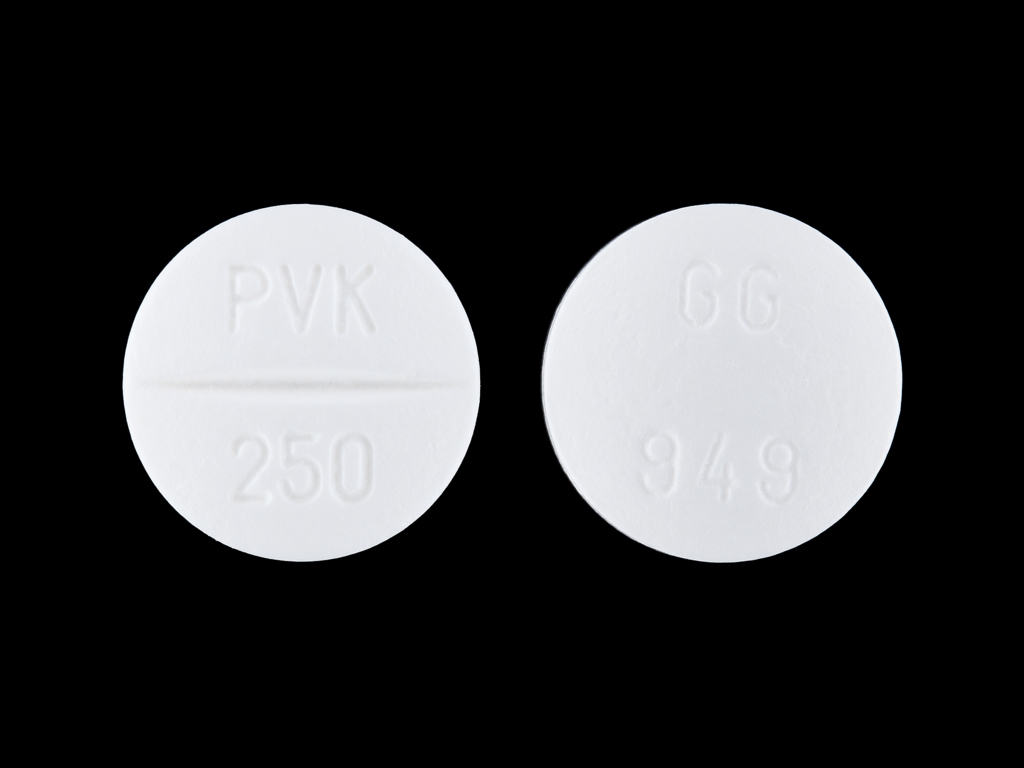
A natural penicillin, beta-lactam antibiotic that exerts "a bactericidal action against penicillin-sensitive microorganisms during the stage of active multiplication" through "inhibition of biosynthesis of cell-wall mucopeptide."
Uses
Indicated for "mild to moderately severe infections due to penicillin G-sensitive microorganisms," including streptococcal infections of the upper respiratory tract, pneumococcal respiratory tract infections, mild staphylococcal skin and soft-tissue infections, and fusospirochetosis (Vincent's infection) of the oropharynx. Also used for prophylaxis against bacterial endocarditis in certain dental/surgical settings and for prevention of recurrence of rheumatic fever.
Warnings
No boxed warning. Contraindicated in patients with "a previous hypersensitivity reaction to any penicillin." The label warns that "serious and occasionally fatal hypersensitivity (anaphylactic) reactions" have occurred, particularly in individuals with a history of penicillin or cephalosporin sensitivity, and notes the risk of Clostridioides difficile-associated diarrhea with virtually any antibacterial agent. It is not recommended for the treatment of severe pneumonia, bacteremia, meningitis, pericarditis, or other infections requiring high serum antibiotic levels.
Side effects
Commonly reported reactions include "nausea, vomiting, epigastric distress, diarrhea, and black hairy tongue." Hypersensitivity-type reactions include skin eruptions, urticaria, laryngeal edema, and anaphylaxis. Less frequent reactions include hemolytic anemia, leukopenia, and thrombocytopenia.