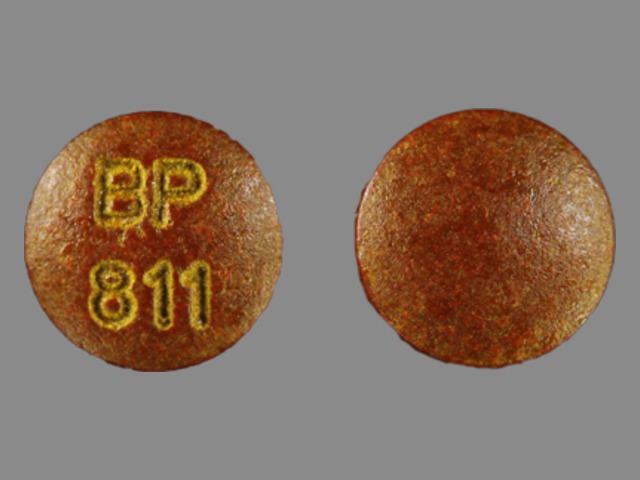
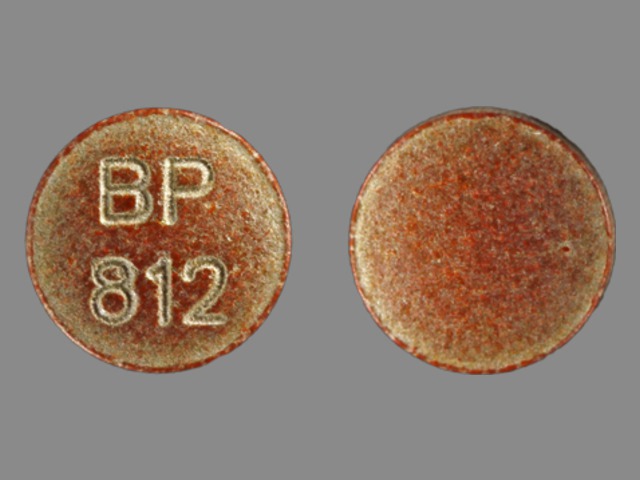
Drug class
A urinary tract analgesic that "exerts a topical analgesic effect on the mucosa of the urinary tract," relieving pain and discomfort; the label notes "the precise mechanism of action is unknown."
Uses
Indicated for "symptomatic relief of pain, burning, urgency frequency, and other discomforts arising from irritation of the mucosa of the lower urinary tract" caused by infection, trauma, surgery, endoscopic procedures, or catheterization. The label cautions that "the use of phenazopyridine for relief of symptoms should not delay definitive diagnosis" of the underlying condition, and treatment should generally be limited to a few days.
Warnings
No boxed warning. Contraindicated "in patients with renal insufficiency, severe liver disease, severe hepatitis or pyelonephritis of pregnancy." The label also notes phenazopyridine "is reasonably anticipated to be a human carcinogen based on sufficient evidence of carcinogenicity in experimental animals," while noting "inadequate evidence for the carcinogenicity of phenazopyridine hydrochloride in humans."
Contraindications
CONTRAINDICATIONS Phenazopyridine HCl should not be used in patients who have previously exhibited hypersensitivity to it. The use of Phenazopyridine HCl is contraindicated in patients with renal insufficiency.
Overdose
OVERDOSAGE Exceeding the recommended dose in patients with good renal function or administering the usual dose to patients with impaired renal function (common in elderly patients) may lead to increased serum levels and toxic reactions. Methemoglobinemia generally follows a massive, acute overdose. Methylene blue, 1 to 2 mg/kg/body weight intravenously or ascorbic acid 100 to 200 mg given orally should cause prompt reduction of the methemoglobinemia and disappearance of the cyanosis which is an aid in diagnosis. Oxidative Heinz body hemolytic anemia may also occur, and “bite cells” (degmacytes) may be present in a chronic overdosage situation. Red blood cell G-6-PD deficiency may predispose to hemolysis. Renal and hepatic impairment and occasional failure, usually due to hypersensitivity, may also occur.
Dosage & administration
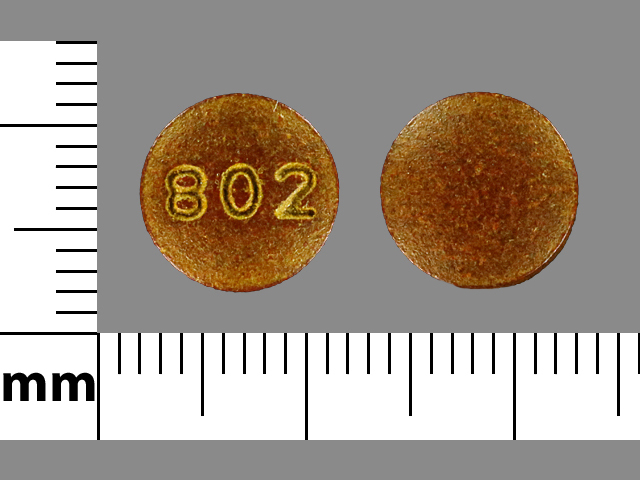
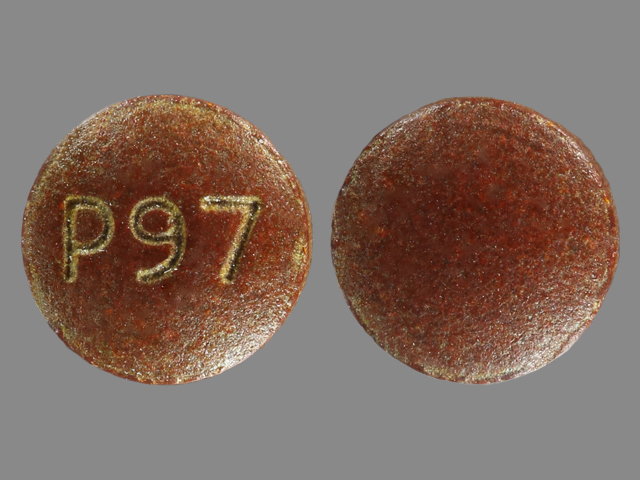
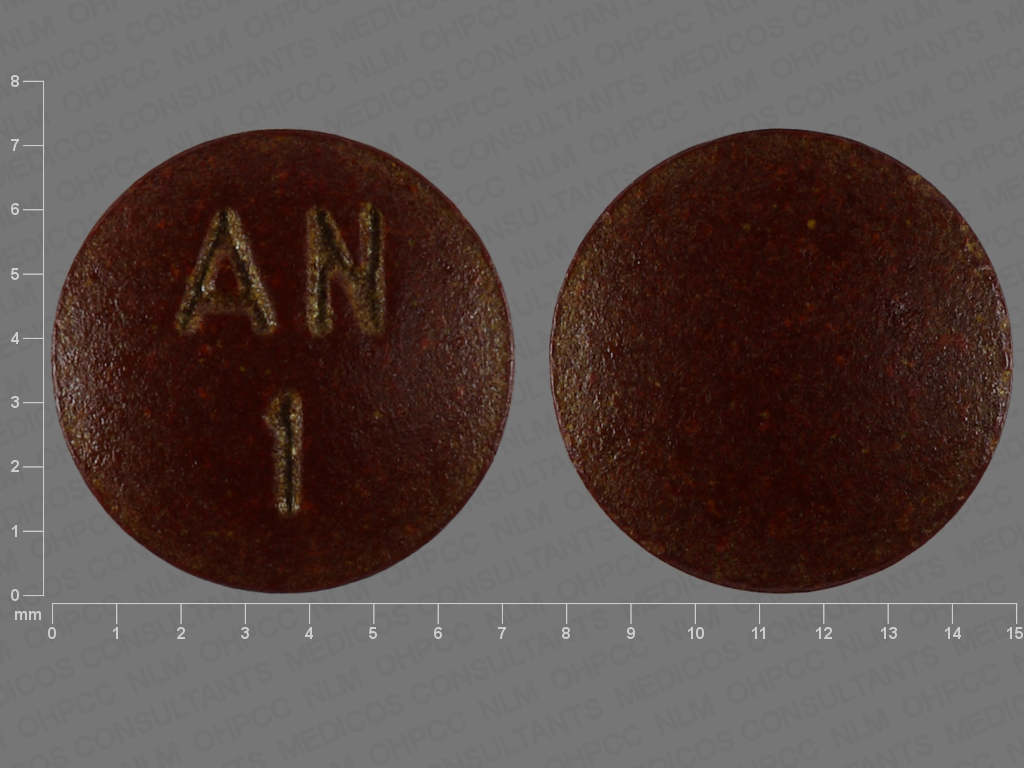
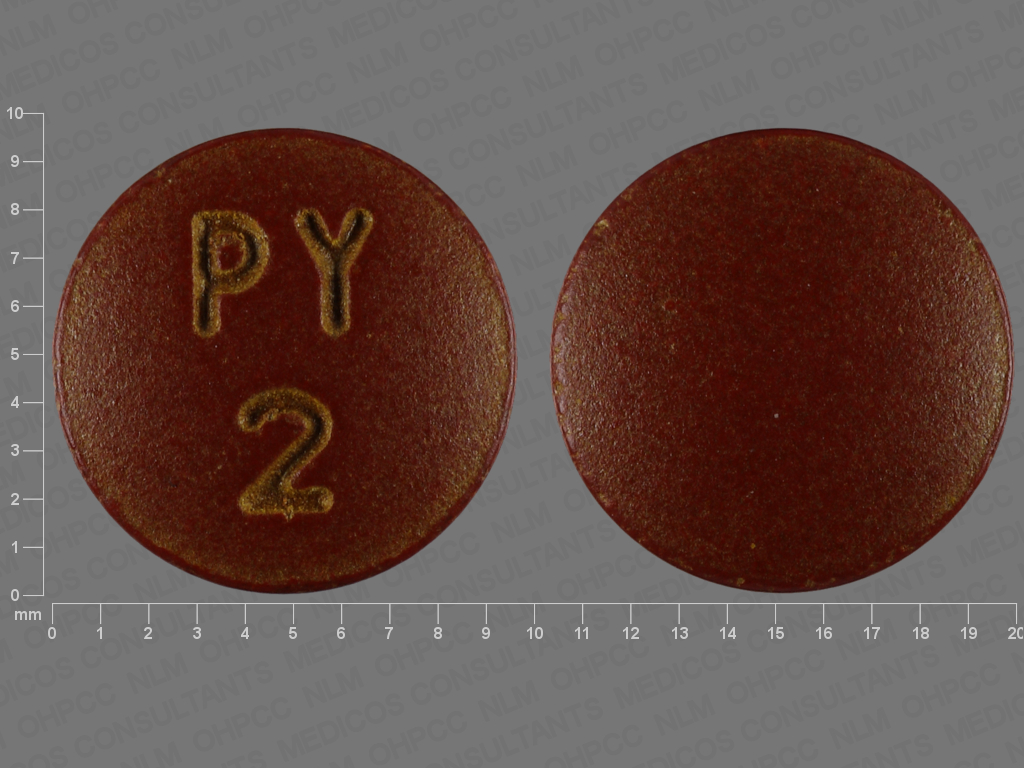
DOSAGE AND ADMINISTRATION 200 mg Tablets: Average adult dosage is one tablet 3 times a day after meals. When used concomitantly with an antibacterial agent for the treatment of a urinary tract infection, the administration of Phenazopyridine HCl should not exceed 2 days.
Side effects
Reported adverse effects include headache; gastrointestinal upset including nausea, vomiting, and diarrhea; hematologic effects such as methemoglobinemia and hemolytic anemia (particularly with overdose or in G6PD-deficient patients); and visual disturbances and renal/hepatic toxicity, usually associated with overdosage.