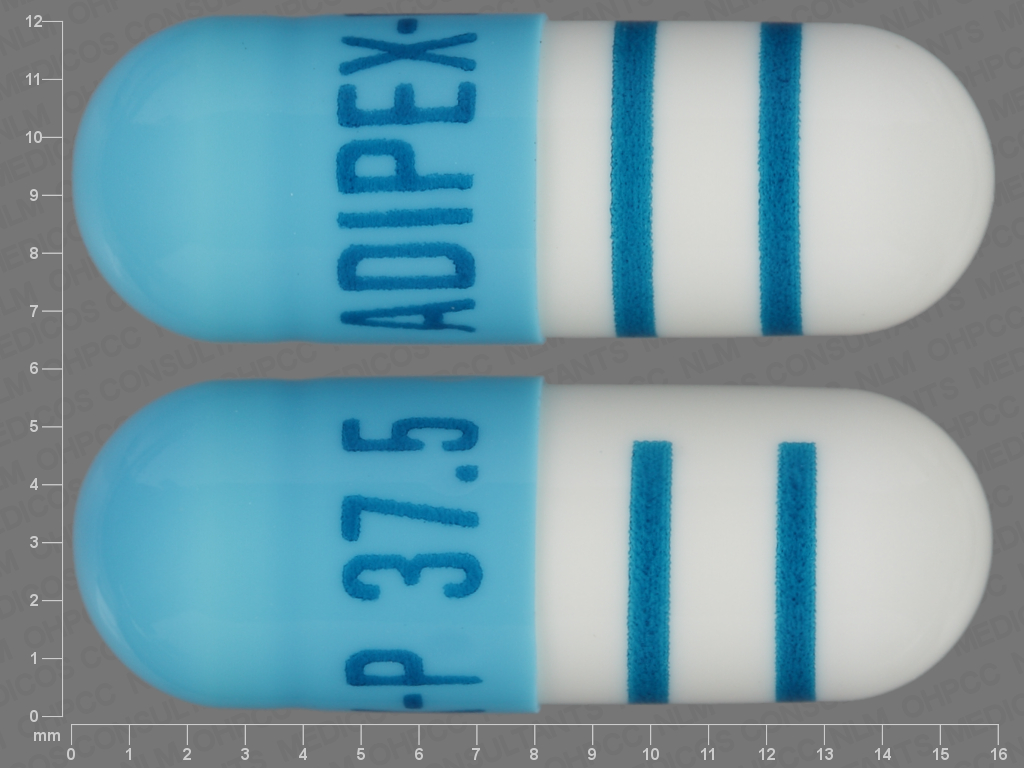
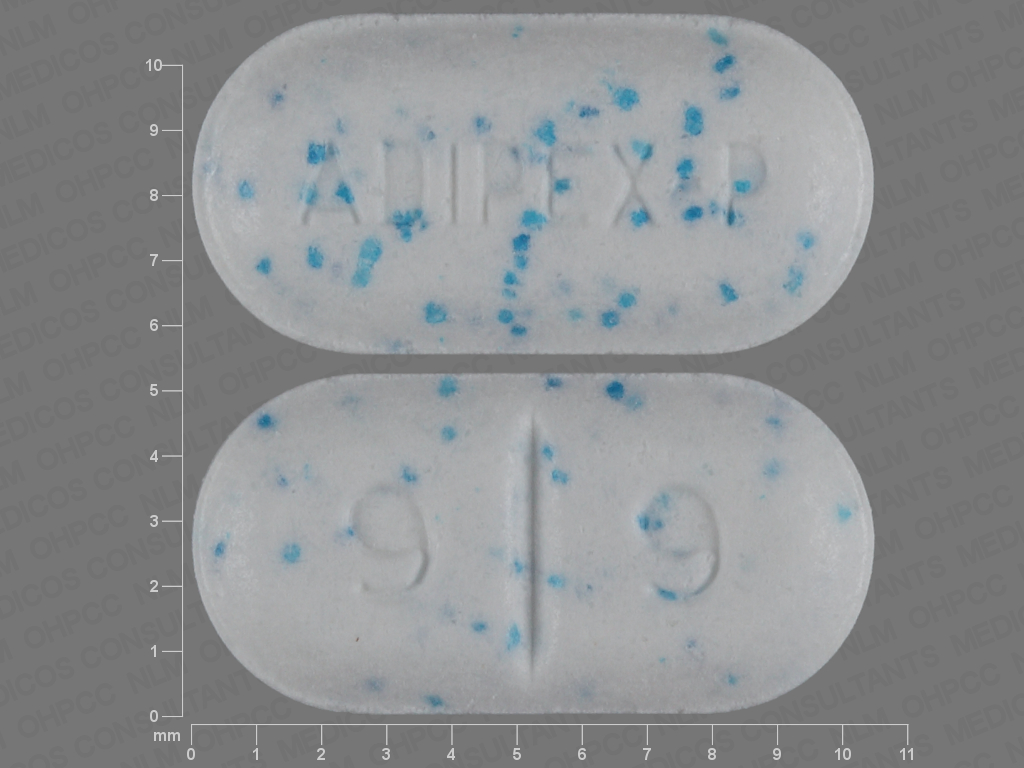
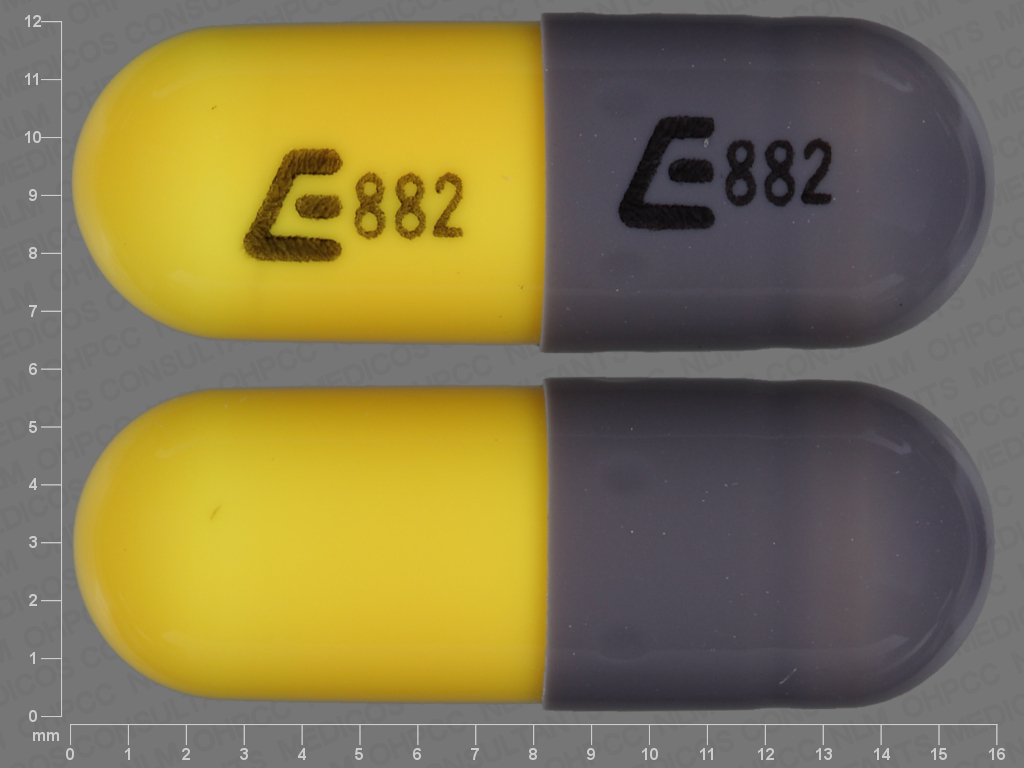
Drug class
Sympathomimetic amine anorectic" with "pharmacologic activity similar to the prototype drugs of this class used in obesity, amphetamine"; the label notes "it has not been established that the primary action of such drugs in treating obesity is one of appetite suppression.
Uses
Phentermine hydrochloride is "indicated as a short-term adjunct (a few weeks) in a regimen of weight reduction based on exercise, behavioral modification and caloric restriction in the management of exogenous obesity" for patients with a BMI ≥30 kg/m², or ≥27 kg/m² "in the presence of other risk factors (e.g., controlled hypertension, diabetes, hyperlipidemia)."
Warnings
Contraindicated in patients with "history of cardiovascular disease (e.g., coronary artery disease, stroke, arrhythmias, congestive heart failure, uncontrolled hypertension)," during or within 14 days of monoamine oxidase inhibitor use, hyperthyroidism, glaucoma, agitated states, a history of drug abuse, and in pregnancy/nursing. Key warnings: "rare cases of primary pulmonary hypertension have been reported" and "rare cases of serious regurgitant cardiac valvular disease have been reported"; "tolerance to the anorectic effect usually develops within a few weeks"; phentermine is a Schedule IV controlled substance with potential for abuse and dependence.
Side effects
Reported reactions include cardiovascular effects (palpitation, tachycardia, elevated blood pressure); CNS effects (overstimulation, restlessness, dizziness, insomnia, tremor, headache); gastrointestinal effects ("dryness of the mouth, unpleasant taste, diarrhea, constipation"); and other effects including urticaria, impotence, and changes in libido.