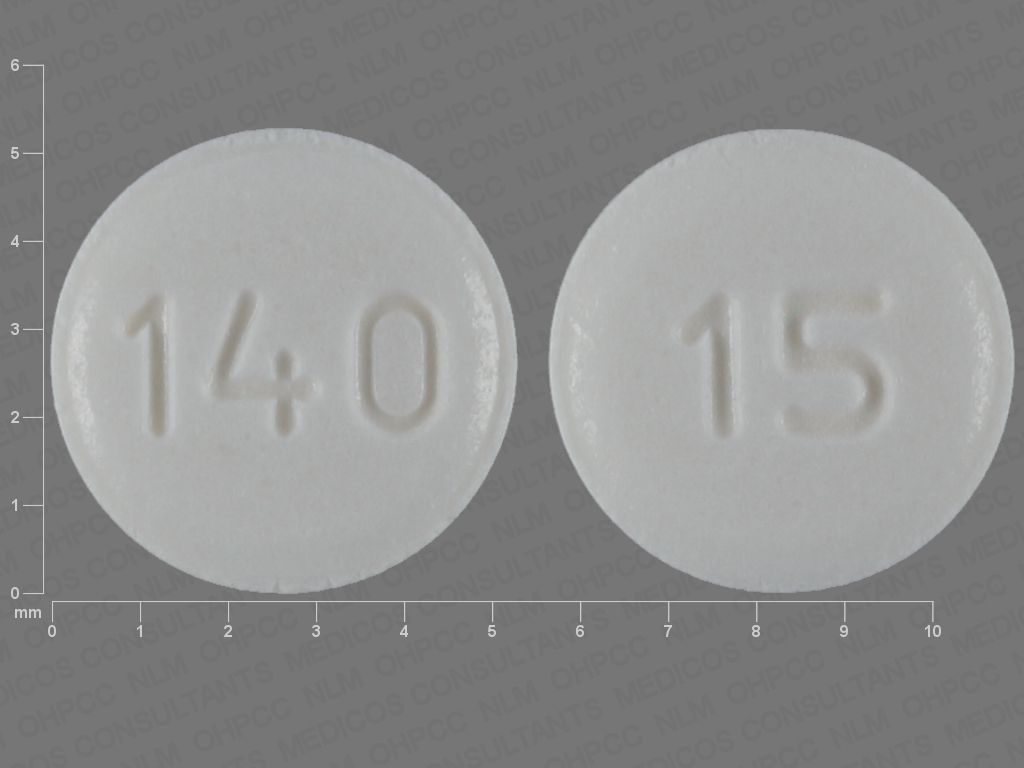
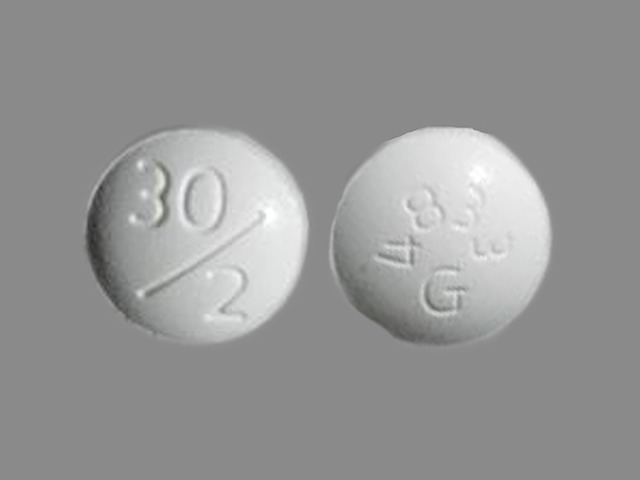
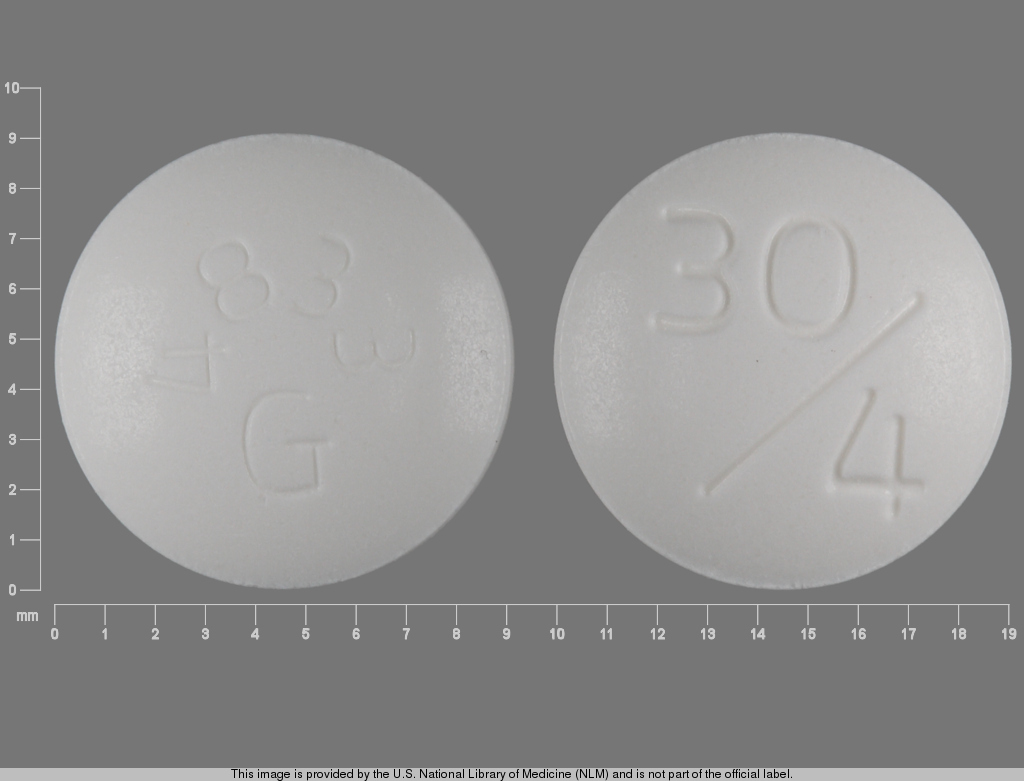
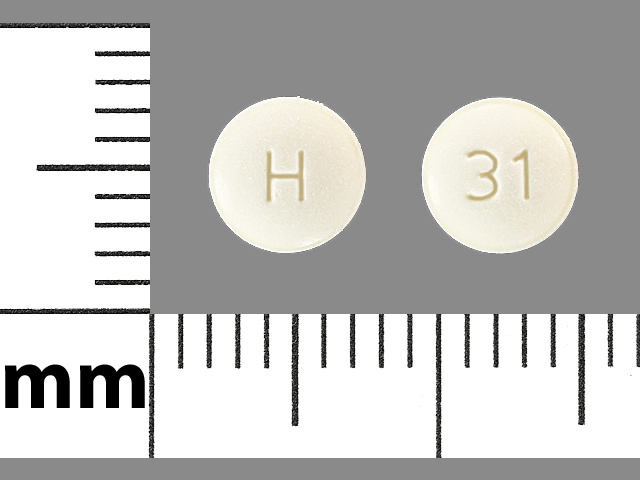
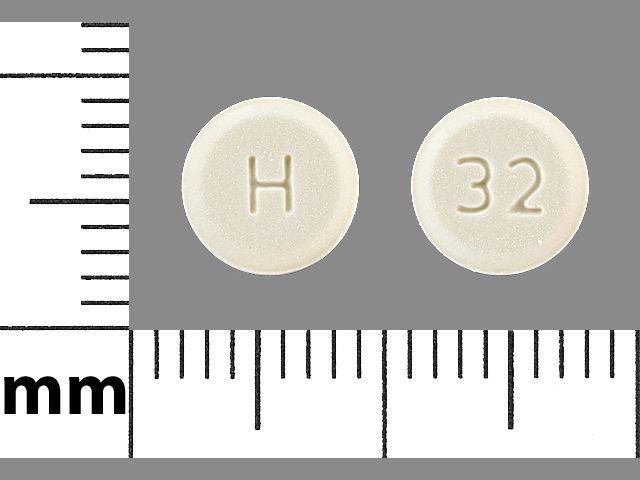
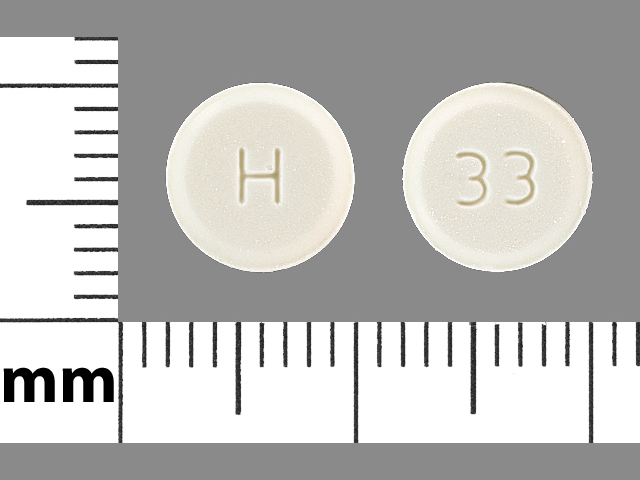
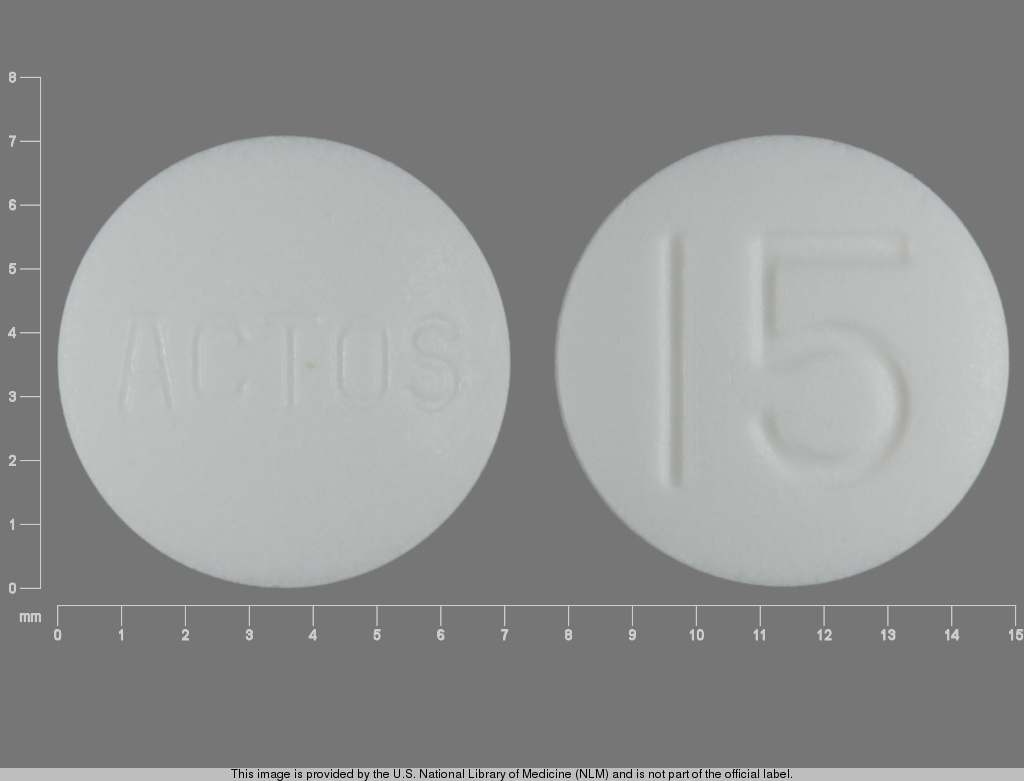
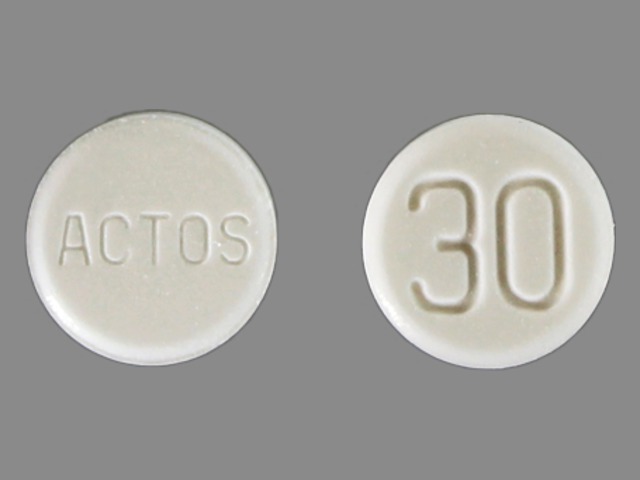
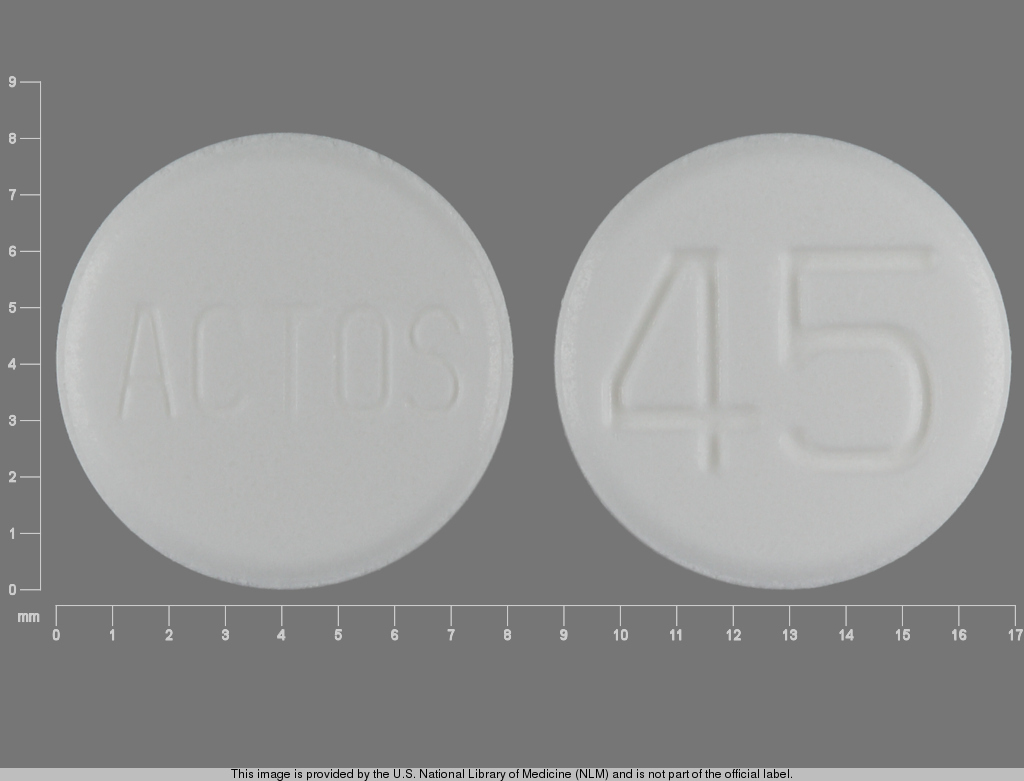
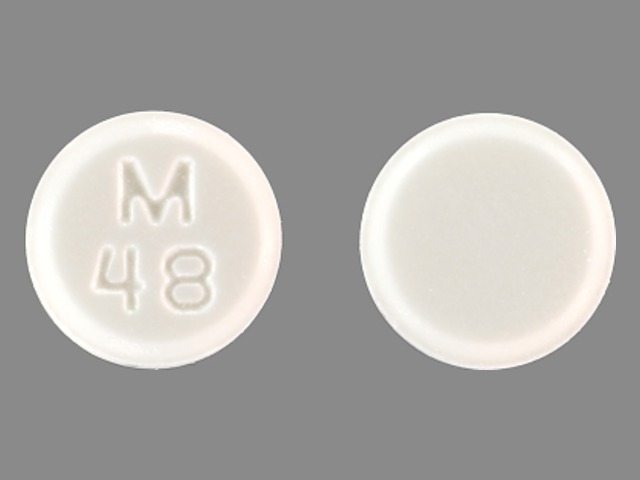
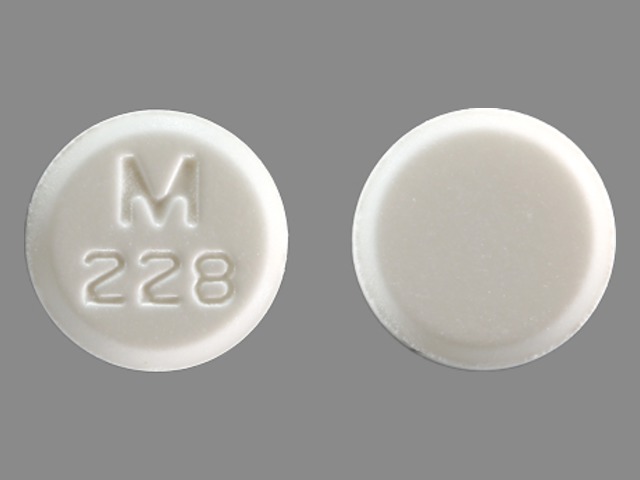
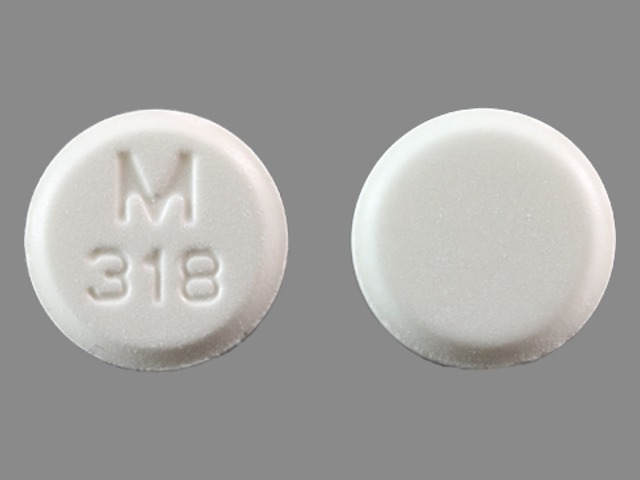
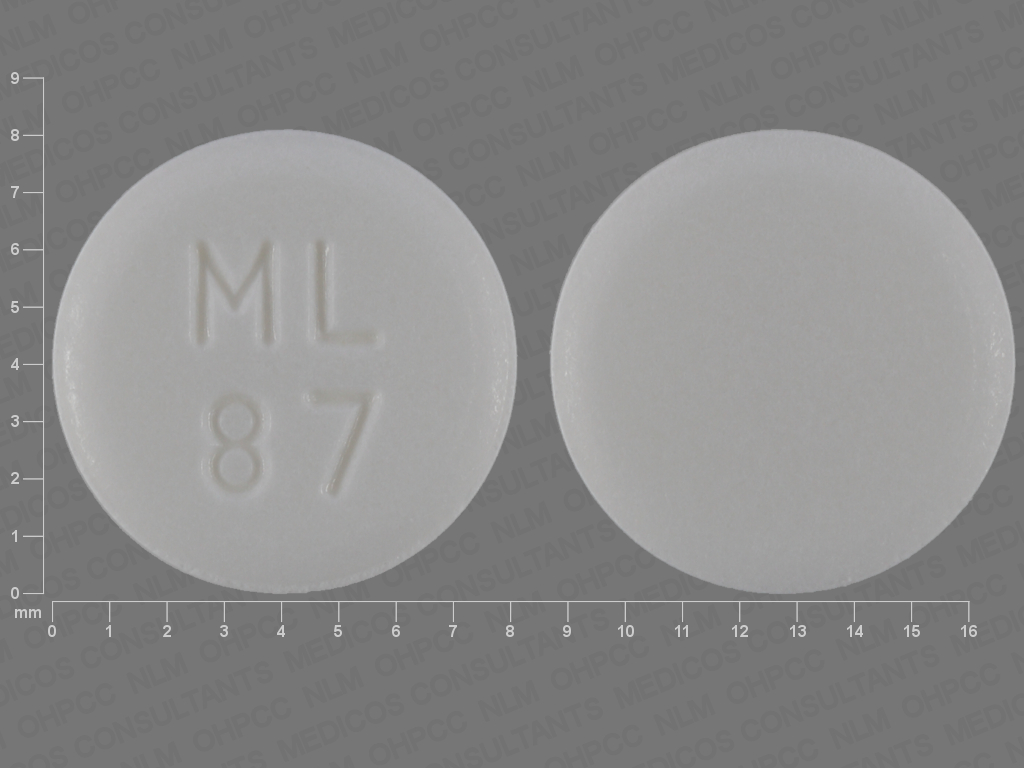
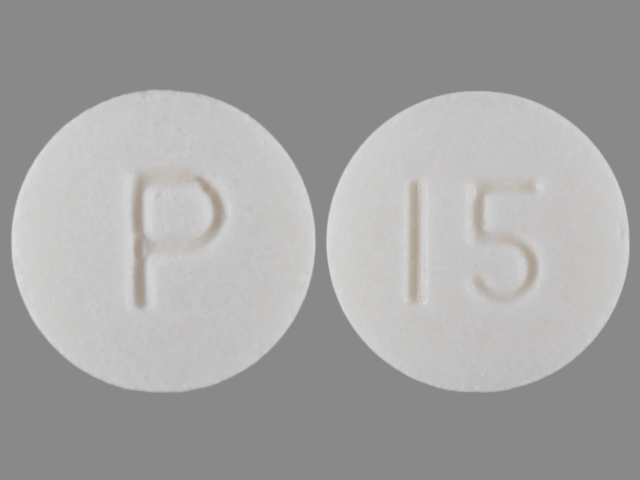
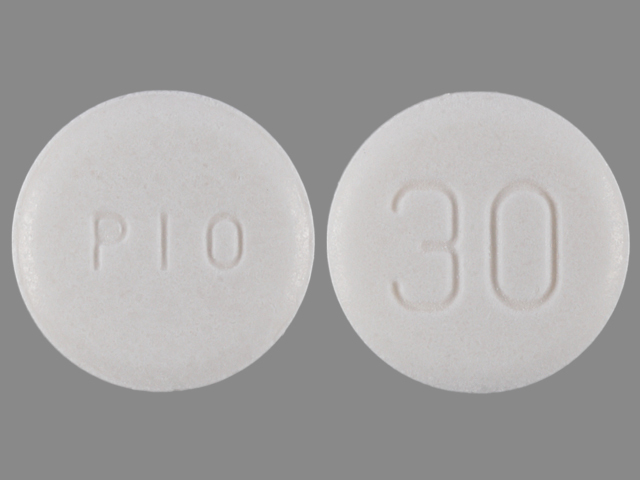
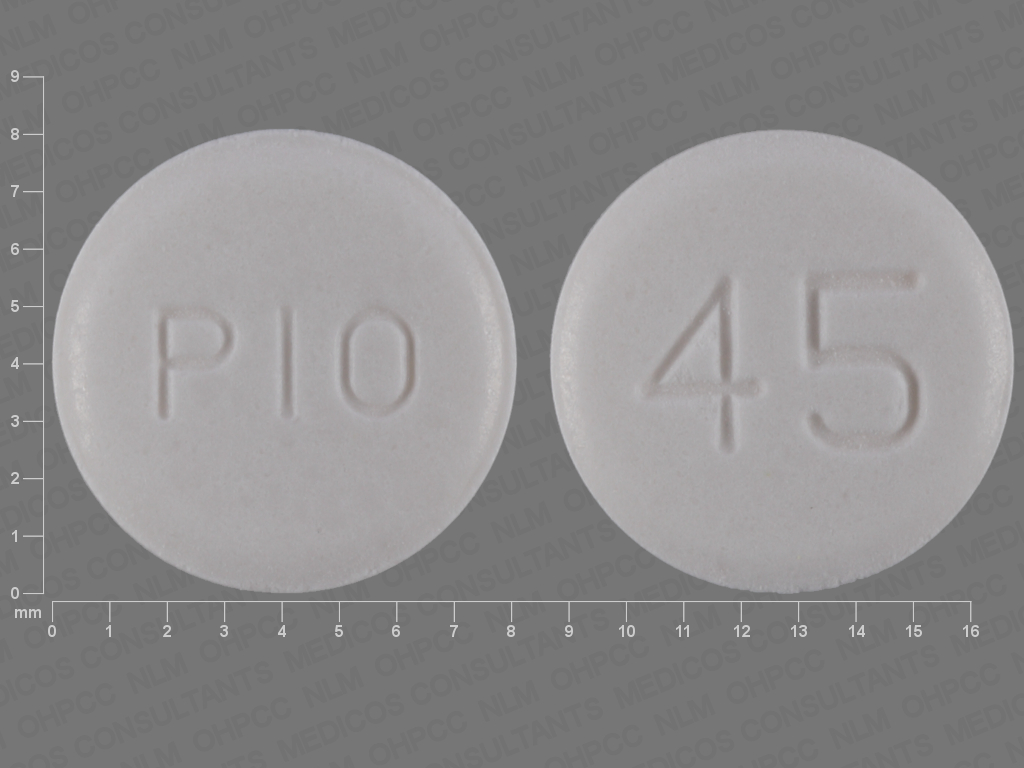
Drug class
A thiazolidinedione antidiabetic agent that is "a potent agonist for peroxisome proliferator-activated receptor-gamma (PPARγ)," decreasing insulin resistance in peripheral tissue and liver, "resulting in increased insulin-dependent glucose disposal and decreased hepatic glucose output," without stimulating insulin secretion like sulfonylureas.
Uses
ACTOS is indicated as an adjunct to diet and exercise to improve glycemic control in adults with type 2 diabetes mellitus.
Boxed warning
WARNING: CONGESTIVE HEART FAILURE Thiazolidinediones, including pioglitazone, cause or exacerbate congestive heart failure in some patients [see WARNINGS AND PRECAUTIONS (5.1)]. After initiation of pioglitazone, and after dose increases, monitor patients carefully for signs and symptoms of heart failure (e.g., excessive, rapid weight gain, dyspnea, and/or edema). If heart failure develops, it should be managed according to current standards of care and discontinuation or dose reduction of pioglitazone must be considered. Pioglitazone is not recommended in patients with symptomatic heart failure. Initiation of pioglitazone in patients with established New York Heart Association (NYHA) Class III or IV heart failure is contraindicated [see CONTRAINDICATIONS (4) and WARNINGS AND PRECAUTIONS (5.1)].
Warnings
BOXED WARNING: "CONGESTIVE HEART FAILURE - Thiazolidinediones, including ACTOS, cause or exacerbate congestive heart failure in some patients." Patients should be observed for "signs and symptoms of heart failure (including excessive, rapid weight gain, dyspnea, and/or edema)," and "initiation of ACTOS in patients with established NYHA Class III or IV heart failure is contraindicated." Other key warnings include bladder cancer risk ("16/3656 (0.44%)" reports with pioglitazone vs. "5/3679 (0.14%)" without), increased bone fracture incidence in women (5.1% vs. 2.5% on placebo), and fluid retention that "may lead to or exacerbate heart failure."
Contraindications
Initiation in patients with established NYHA Class III or IV heart failure [see BOXED WARNING]. Use in patients with known hypersensitivity to pioglitazone or any other component of pioglitazone tablets.
Overdose
During controlled clinical trials, one case of overdose with pioglitazone was reported. A male patient took 120 mg per day for four days, then 180 mg per day for seven days. The patient denied any clinical symptoms during this period. In the event of overdosage, appropriate supportive treatment should be initiated according to the patient’s clinical signs and symptoms.
Drug interactions
7.1 Strong CYP2C8 Inhibitors An inhibitor of CYP2C8 (e.g., gemfibrozil) significantly increases the exposure (area under the serum concentration-time curve or AUC) and half-life (t1/2) of pioglitazone. Therefore, the maximum recommended dose of pioglitazone is 15 mg daily if used in combination with gemfibrozil or other strong CYP2C8 inhibitors [see DOSAGE AND ADMINISTRATION (2.3) and CLINICAL PHARMACOLOGY (12.3)]. 7.2 CYP2C8 Inducers An inducer of CYP2C8 (e.g., rifampin) may significantly decrease the exposure (AUC) of pioglitazone. Therefore, if an inducer of CYP2C8 is started or stopped during treatment with pioglitazone, changes in diabetes treatment may be needed based on clinical response without exceeding the maximum recommended daily dose of 45 mg for pioglitazone [see CLINICAL PHARMACOLOGY (12.3)]. 7.3 Topiramate A decrease in the exposure of pioglitazone and its active metabolites were noted with concomitant administration of pioglitazone and topiramate [see CLINICAL PHARMACOLOGY (12.3)]. The clinical relevance of this decrease is unknown; however, when pioglitazone and topiramate are used concomitantly, monitor patients for adequate glycemic control.
Dosage & administration
2.1 Recommendations for All Patients Pioglitazone tablets should be taken once daily and can be taken without regard to meals. The recommended starting dose for patients without congestive heart failure is 15 mg or 30 mg once daily. The recommended starting dose for patients with congestive heart failure (NYHA Class I or II) is 15 mg once daily. The dose can be titrated in increments of 15 mg up to a maximum of 45 mg once daily based on glycemic response as determined by HbA1c. After initiation of pioglitazone tablets or with dose increase, monitor patients carefully for adverse reactions related to fluid retention such as weight gain, edema, and signs and symptoms of congestive heart failure [see BOXED WARNING and WARNINGS AND PRECAUTIONS (5.5)]. Liver tests (serum alanine and aspartate aminotransferases, alkaline phosphatase, and total bilirubin) should be obtained prior to initiating pioglitazone tablets. Routine periodic monitoring of liver tests during treatment with pioglitazone tablets are not recommended in patients without liver disease. Patients who have liver test abnormalities prior to initiation of pioglitazone tablets or who are found to have abnormal liver tests while taking pioglitazone tablets should be managed as described under Warnings and Precautions [see WARNINGS AND PRECAUTIONS (5.3) and CLINICAL PHARMACOLOGY (12.3)]. 2.2 Concomitant Use with an Insulin Secretagogue or Insulin If hypoglycemia occurs in a patient co-administered pioglitazone tablets and an insulin secretagogue (e.g., sulfonylurea), the dose of the insulin secretagogue should be reduced. If hypoglycemia occurs in a patient co-administered pioglitazone tablets and insulin, the dose of insulin should be decreased by 10% to 25%. Further adjustments to the insulin dose should be individualized based on glycemic response. 2.3 Concomitant Use with Strong CYP2C8 Inhibitors Coadministration of pioglitazone tablets and gemfibrozil, a strong CYP2C8 inhibitor, increases pioglitazone exposure approximately 3-fold. Therefore, the maximum recommended dose of pioglitazone tablets are 15 mg daily when used in combination with gemfibrozil or other strong CYP2C8 inhibitors [see DRUG INTERACTIONS (7.1) and CLINICAL PHARMACOLOGY (12.3)].
Side effects
Most frequent adverse reactions (≥5%) in monotherapy trials were "upper respiratory tract infection" (13.2%), "headache" (9.1%), "sinusitis" (6.3%), "myalgia" (5.4%), "tooth disorder" (5.3%), and "pharyngitis" (5.1%). Edema occurred in 4.8% of monotherapy patients, with higher rates (7.2%-15.3%) in combination therapy.