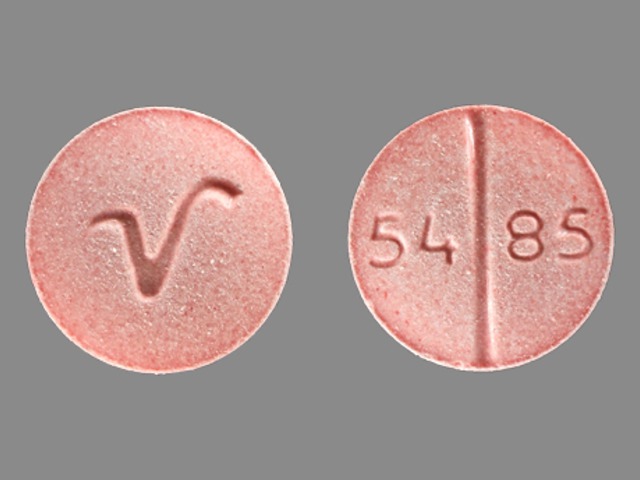
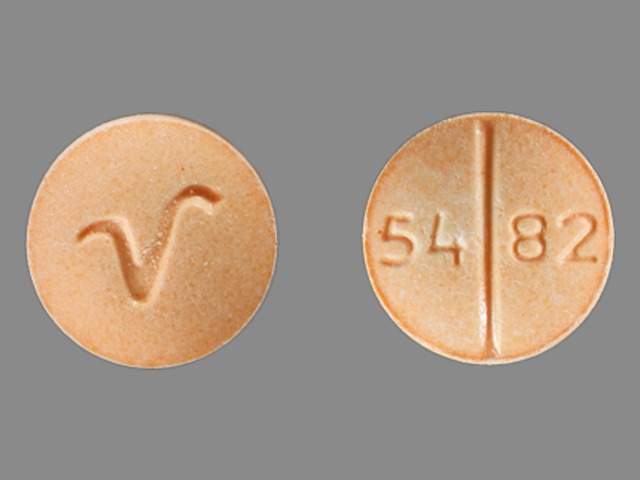
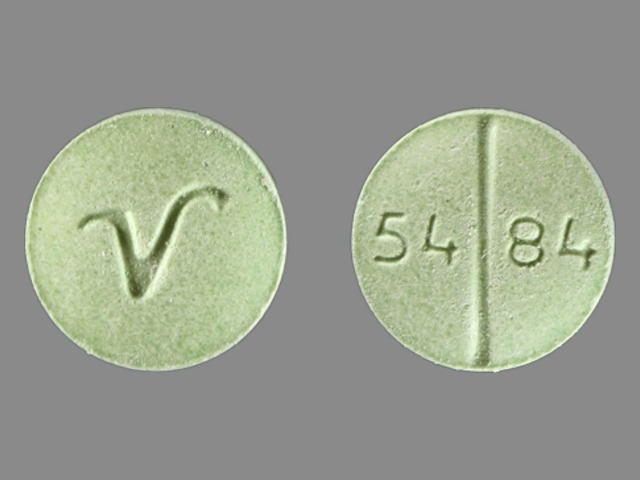
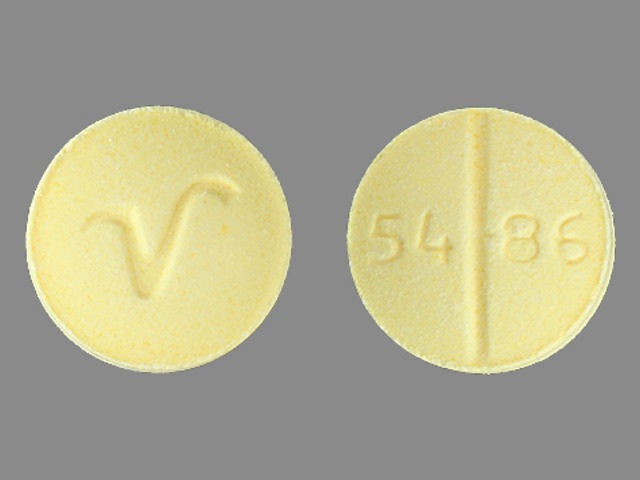
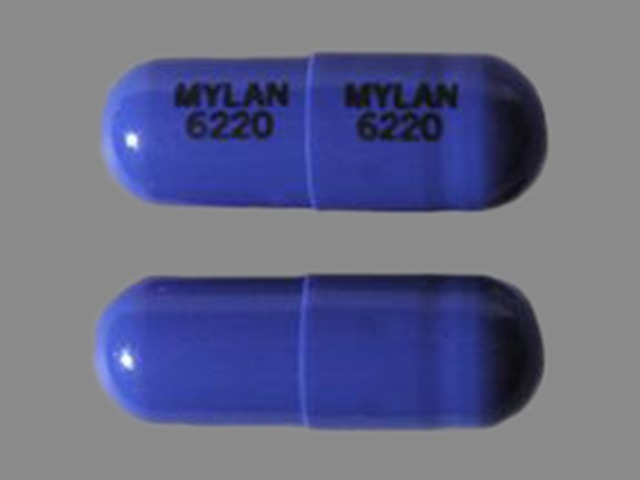
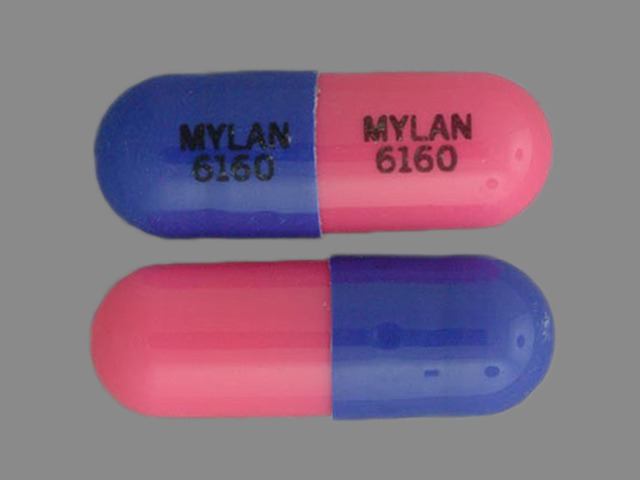
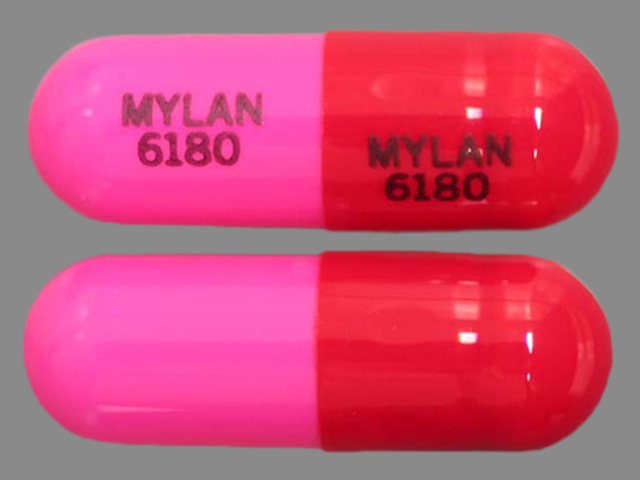
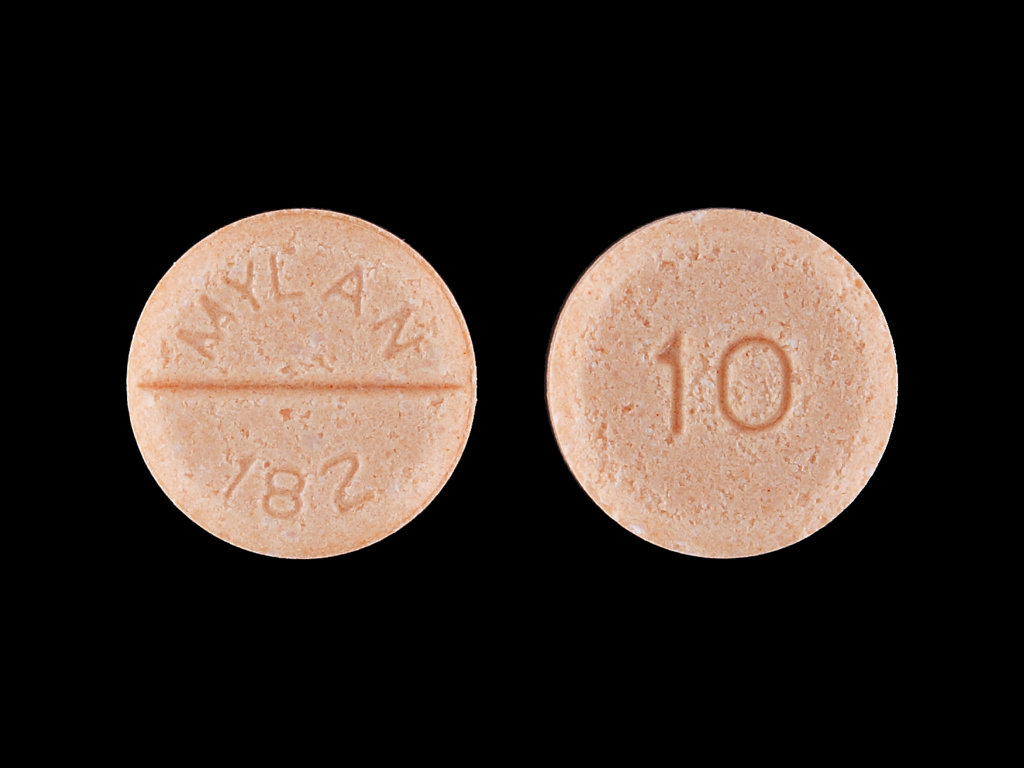
Drug class
"Synthetic beta-adrenergic receptor-blocking agent" with nonselective beta-blockade properties.
Uses
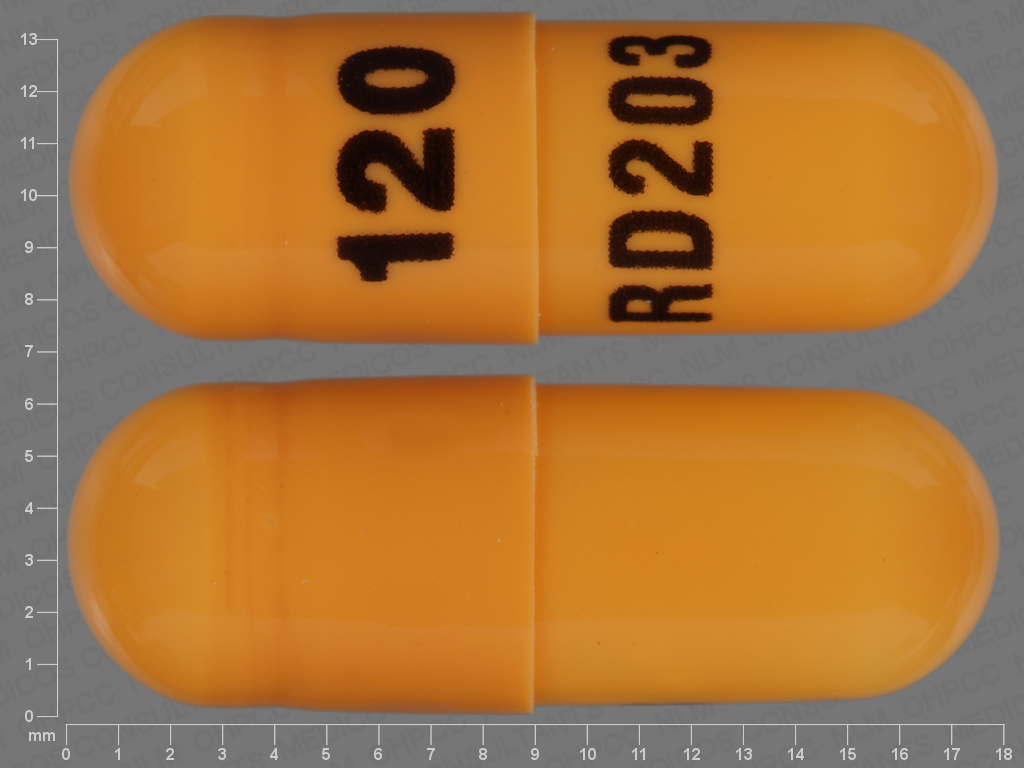
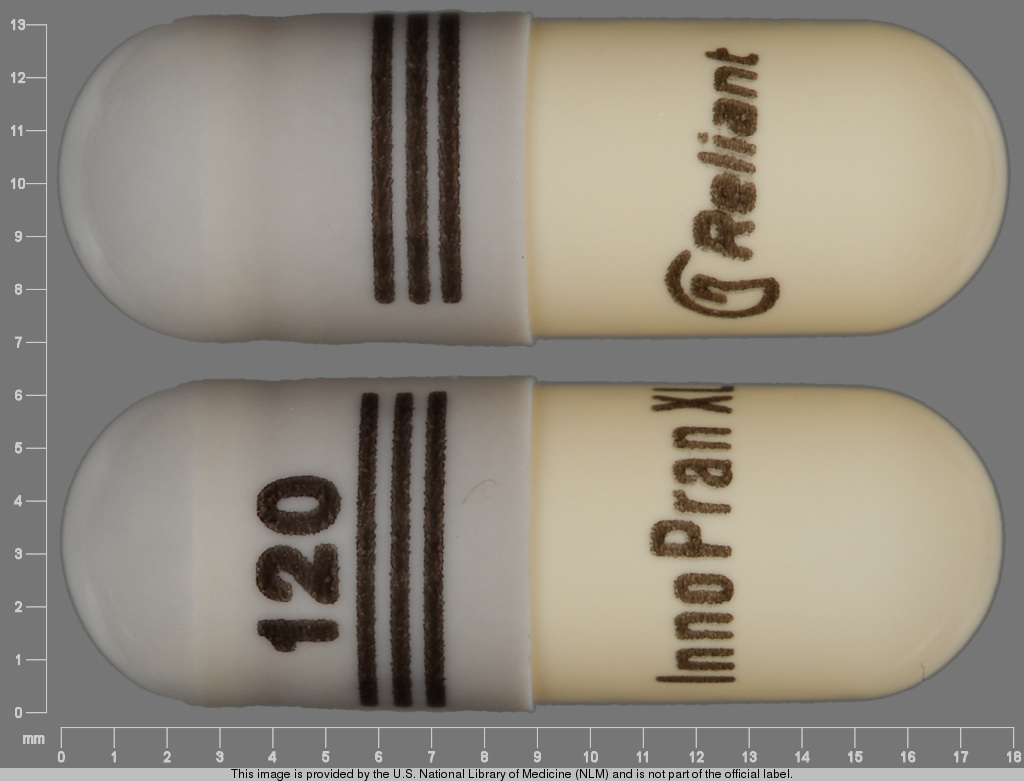
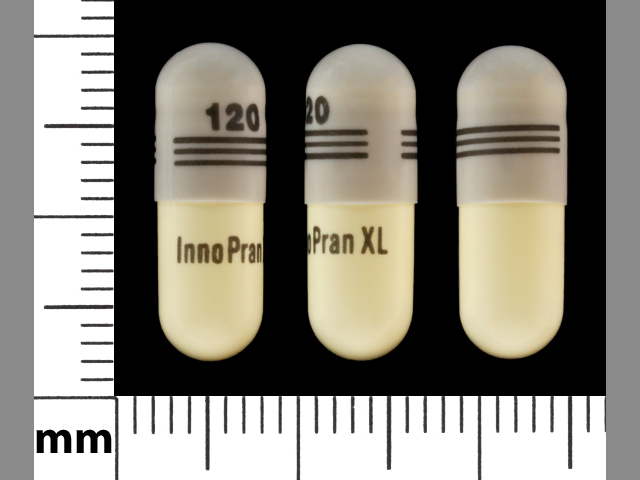
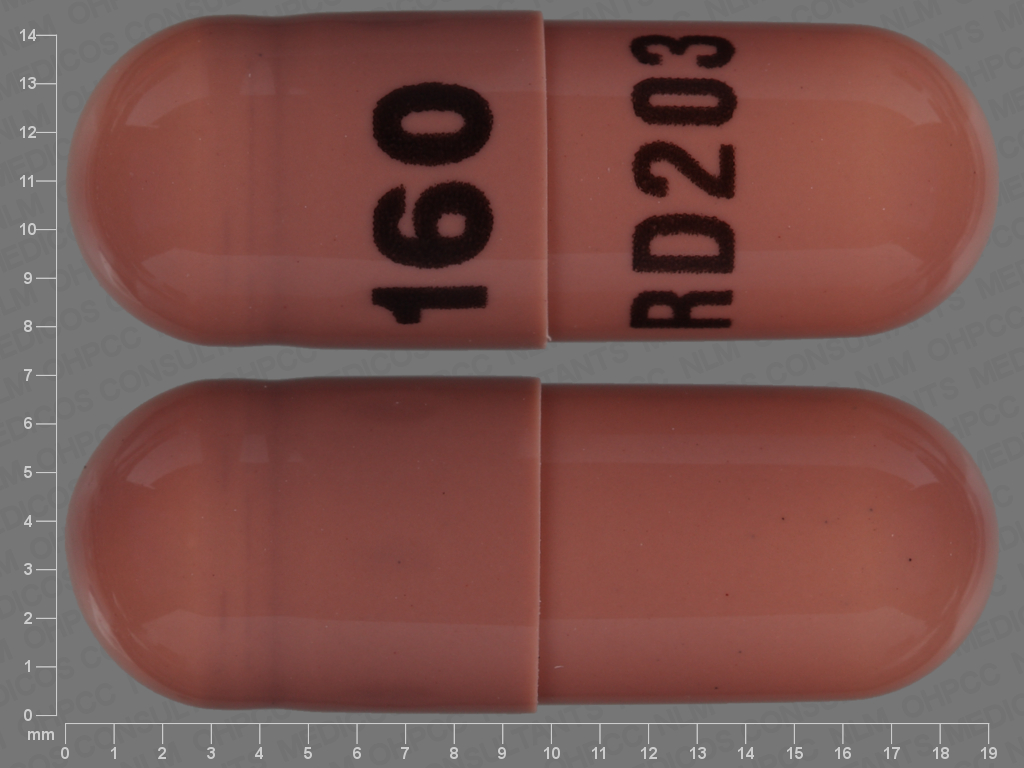
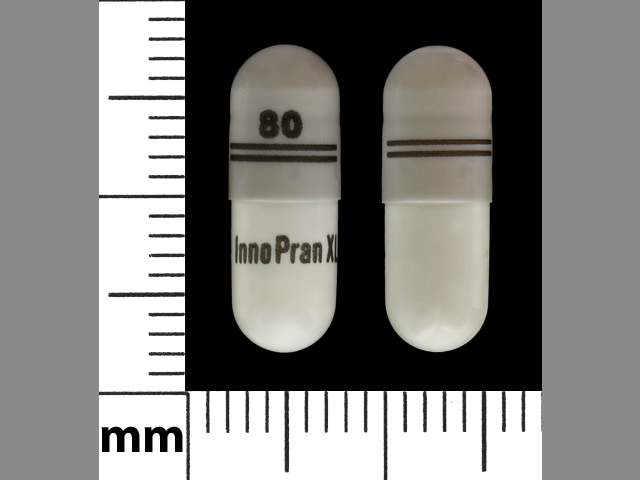
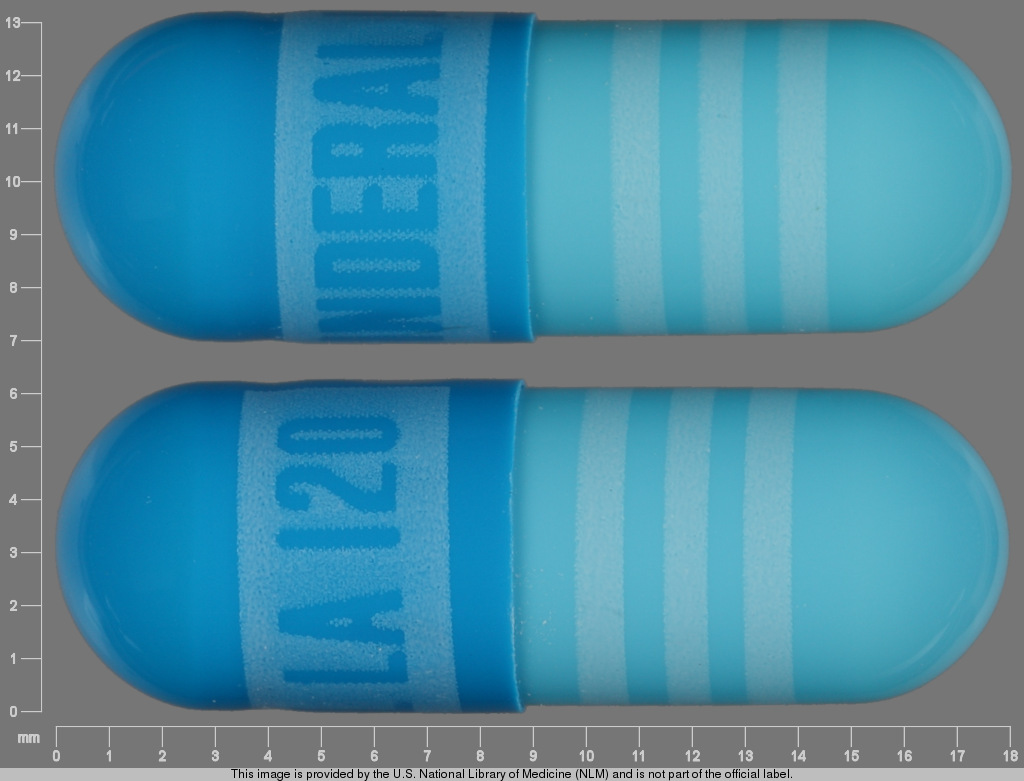
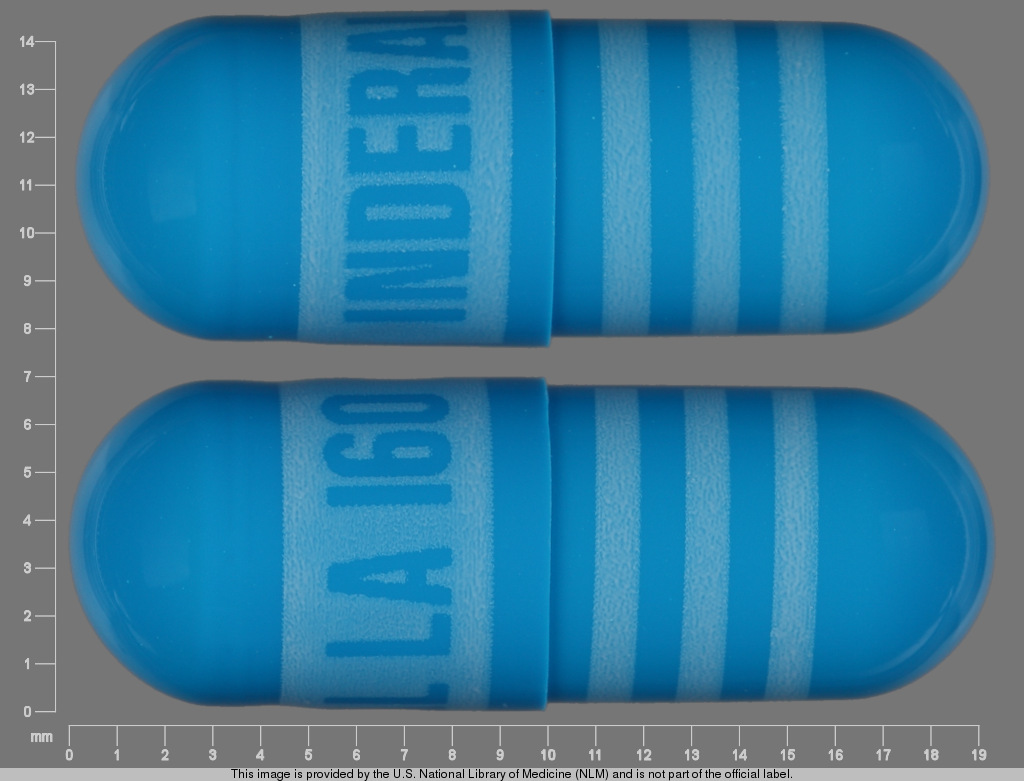
Propranolol extended-release capsules treat four main conditions: 1. Hypertension - "management of hypertension. It may be used alone or used in combination with other antihypertensive agents" 2. Angina Pectoris - "to decrease angina frequency and increase exercise tolerance" 3. Migraine Prevention - "prophylaxis of common migraine headache" (not for acute attacks) 4. Hypertrophic Subaortic Stenosis - "improve NYHA functional class in symptomatic patients"
Warnings
- Abrupt Discontinuation Risk: "exacerbation of angina and, in some cases, myocardial infarction, following abrupt discontinuance" - Bronchospasm: Contraindicated in bronchial asthma; use cautiously in chronic bronchitis/emphysema - Cardiac Effects: May precipitate heart failure; caution with concurrent calcium channel blockers - Hypoglycemia: "Beta-adrenergic blockade may prevent the appearance of certain premonitory signs" in diabetics - Hypersensitivity: "anaphylactic/anaphylactoid reactions" and Stevens-Johnson Syndrome reported
Contraindications
Propranolol is contraindicated in 1) cardiogenic shock, 2) sinus bradycardia and greater than first-degree block, 3) bronchial asthma, 4) in patients with known hypersensitivity to propranolol.
Overdose
Propranolol is not significantly dialyzable. In the event of overdosage or exaggerated response, the following measures should be employed: Hypotension and bradycardia have been reported following propranolol overdose and should be treated appropriately. Glucagon can exert potent inotropic and chronotropic effects and may be particularly useful for the treatment of hypotension or depressed myocardial function after a propranolol overdose. Glucagon should be administered as 50 to 150 mcg/kg intravenously followed by continuous drip of 1 to 5 mg/hour for positive chronotropic effect. Isoproterenol, dopamine, or phosphodiesterase inhibitors may also be useful. Epinephrine, however, may provoke uncontrolled hypertension. Bradycardia can be treated with atropine or isoproterenol. Serious bradycardia may require temporary cardiac pacing. The electrocardiogram, pulse, blood pressure, neurobehavioral status and intake and output balance must be monitored. Isoproterenol and aminophylline may be useful for bronchospasm.
Dosage & administration
The usual dose is 1 mg to 3 mg administered under careful monitoring, such as electrocardiographiy and central venous pressure. The rate of administration should not exceed 1 mg (1 mL) per minute to diminish the possibility of lowering blood pressure and causing cardiac standstill. Sufficient time should be allowed for the drug to reach the site of action even when a slow circulation is present. If necessary, a second dose may be given after two minutes. Thereafter, additional drug should not be given in less than four hours. Additional propranolol hydrochloride should not be given when the desired alteration in rate and/or rhythm is achieved. Transfer to oral therapy as soon as possible. Parenteral drug products should be inspected visually for particulate matter and discoloration prior to administration, whenever solution and container permit.
Side effects
Cardiovascular: Bradycardia, hypotension, heart failure. CNS: Fatigue, depression, dizziness, vivid dreams. GI: Nausea, diarrhea, constipation. Respiratory: Bronchospasm. Skin: Rash, urticaria, exfoliative dermatitis.