Overview
Amoxicillin is a penicillin-type antibiotic used to treat a wide range of bacterial infections. It belongs to the beta-lactam family, a large group of antibacterial medicines that also includes the other penicillins and the cephalosporins. Amoxicillin is one of the most widely prescribed antibiotics in the world, particularly for children, because it is effective against many common bacteria, is generally well tolerated, and is available in liquid and chewable forms as well as capsules and tablets.
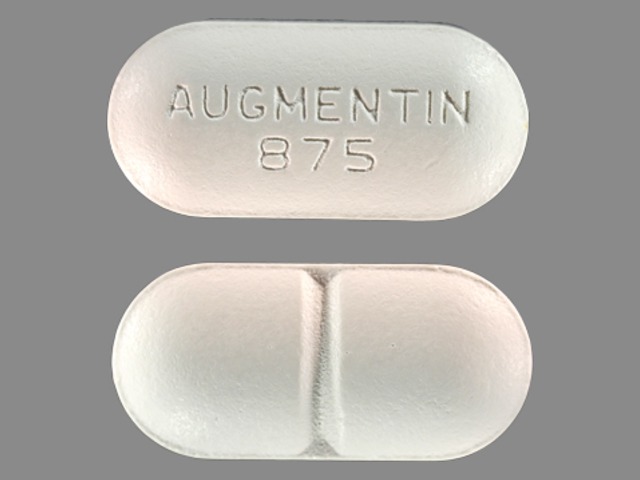
The medicine is commonly sold under the brand name Amoxil, and older brands such as Trimox and Moxatag were also marketed in the United States. Most prescriptions today are filled with generic amoxicillin, so the pharmacy label often reads only "amoxicillin" along with the manufacturer's name. Amoxicillin is also combined with clavulanate potassium (clavulanic acid) in products such as Augmentin and Augmentin XR, and in many generic equivalents sold as "amoxicillin and clavulanate potassium." The combination is covered in its own section below, because it is used for somewhat different purposes and has a somewhat different side-effect profile.
This page explains what amoxicillin is used for, how it works, how it is typically given, what to watch for, and how it interacts with other medicines. It is meant as general reference information to help you understand the medication or identify a product. It does not replace the instructions from the prescriber or pharmacist who knows your situation. For additional consumer-level reading, MedlinePlus Drug Information is a useful companion resource.
Uses
Amoxicillin treats infections caused by bacteria that are susceptible to it. It does not work against viruses, so it has no role in treating colds, influenza, most sore throats, or most cases of bronchitis, all of which are usually viral. Using an antibiotic when it is not needed offers no benefit and adds the risk of side effects and of encouraging resistant bacteria.
The infections for which amoxicillin is commonly prescribed include:
- Ear, nose and throat infections. These include acute middle-ear infection (otitis media), bacterial sinusitis, and tonsillitis or pharyngitis caused by group A Streptococcus (strep throat). Amoxicillin is a standard first-choice antibiotic for middle-ear infections in children when antibiotic treatment is judged to be necessary.
- Lower respiratory tract infections. Amoxicillin is used for some bacterial pneumonias, particularly community-acquired pneumonia in children and for milder cases in adults, depending on local resistance patterns and the clinician's judgment.
- Genitourinary tract infections. It is used for certain urinary tract infections caused by susceptible organisms, although resistance in common urinary bacteria such as E. coli means it is not always the first choice.
- Skin and skin-structure infections. Susceptible bacterial infections of the skin may be treated with it, though other antibiotics are often preferred when staphylococci are suspected, because many staphylococci produce enzymes that break down amoxicillin.
- Helicobacter pylori infection. Amoxicillin is one component of combination regimens that eradicate H. pylori, the bacterium linked to peptic ulcers. It is given together with an acid-reducing medicine such as lansoprazole or omeprazole, and often with another antibiotic such as clarithromycin, to lower the chance that a duodenal ulcer returns.
- Acute uncomplicated gonorrhea. This appears in older labeling. Because of resistance, current treatment guidelines generally favor other antibiotics for gonorrhea.
Beyond the labeled indications, clinicians also use amoxicillin for early Lyme disease in certain patients, for dental infections, and as preventive therapy before some dental procedures in people with specific heart conditions that carry a high risk of infective endocarditis. It is also used in some situations for exposure to anthrax or to prevent complications in other settings, according to established guidelines.
How amoxicillin works
Bacteria are surrounded by a cell wall made of a mesh-like structure called peptidoglycan. This wall gives the cell its shape and protects it from bursting under internal pressure. Bacteria build and remodel the wall using enzymes known as penicillin-binding proteins. Amoxicillin attaches to these proteins and blocks the final cross-linking step in wall construction. As the bacterium keeps growing, the weakened wall fails, and the cell breaks apart. Because of this, amoxicillin is described as bactericidal, meaning it kills susceptible bacteria rather than merely slowing their growth.
Human cells have no cell wall and no penicillin-binding proteins, which is why this class of antibiotic can be directed at bacteria with relatively few effects on the body's own cells. Amoxicillin is an aminopenicillin: compared with natural penicillin, it reaches a wider range of bacteria, including some gram-negative organisms such as Haemophilus influenzae, certain strains of E. coli and Proteus mirabilis, and Helicobacter pylori. It also remains active against many gram-positive organisms, including streptococci and Enterococcus faecalis. Amoxicillin is absorbed well from the gut, and its absorption is not substantially reduced by food, which is one reason it is more convenient than ampicillin, an older relative that is absorbed less reliably when taken by mouth.
The main limitation is bacterial resistance. Many bacteria make beta-lactamase enzymes that break open the beta-lactam ring at the heart of the molecule and inactivate it. Others change their penicillin-binding proteins so that amoxicillin can no longer attach to them. Plain amoxicillin is therefore ineffective against organisms that produce these enzymes, such as many strains of Staphylococcus aureus, Moraxella catarrhalis, and a substantial portion of Haemophilus and E. coli isolates. This limitation is why clavulanate was developed.
Amoxicillin versus amoxicillin and clavulanate potassium
Clavulanate potassium has little antibacterial activity on its own. Its role is to bind to and inactivate many beta-lactamase enzymes, which protects the amoxicillin partner and extends its reach. The combination is therefore active against some bacteria that plain amoxicillin cannot treat, including beta-lactamase-producing strains of Haemophilus influenzae, Moraxella catarrhalis, and methicillin-susceptible Staphylococcus aureus, and many anaerobic bacteria found in dental, bite-wound, and abdominal infections.
The combination is typically selected for sinus infections that have not responded to amoxicillin, for ear infections that persist or recur, for animal and human bite wounds, for some skin and soft-tissue infections, and for certain urinary and respiratory infections. The trade-off is that clavulanate frequently increases gastrointestinal side effects, especially diarrhea, and is more often associated with liver-related effects. Because the clavulanate component can be a source of intestinal upset, combination products are commonly taken at the start of a meal.
Combination products are available in several strength ratios, which is why strengths on a bottle or tablet imprint can look confusing: for example, tablets and chewables that pair amoxicillin with a smaller amount of clavulanate, and oral suspensions in the 200 mg/28.5 mg and 400 mg/57 mg per 5 mL ratios. Extended-release tablets (Augmentin XR and generics) pair a larger amount of amoxicillin, partly in the form of amoxicillin sodium, with clavulanate potassium, and are generally intended for adults with specific respiratory infections. Different ratios are not interchangeable, and a pharmacist can explain which one has been prescribed.
Identifying amoxicillin products
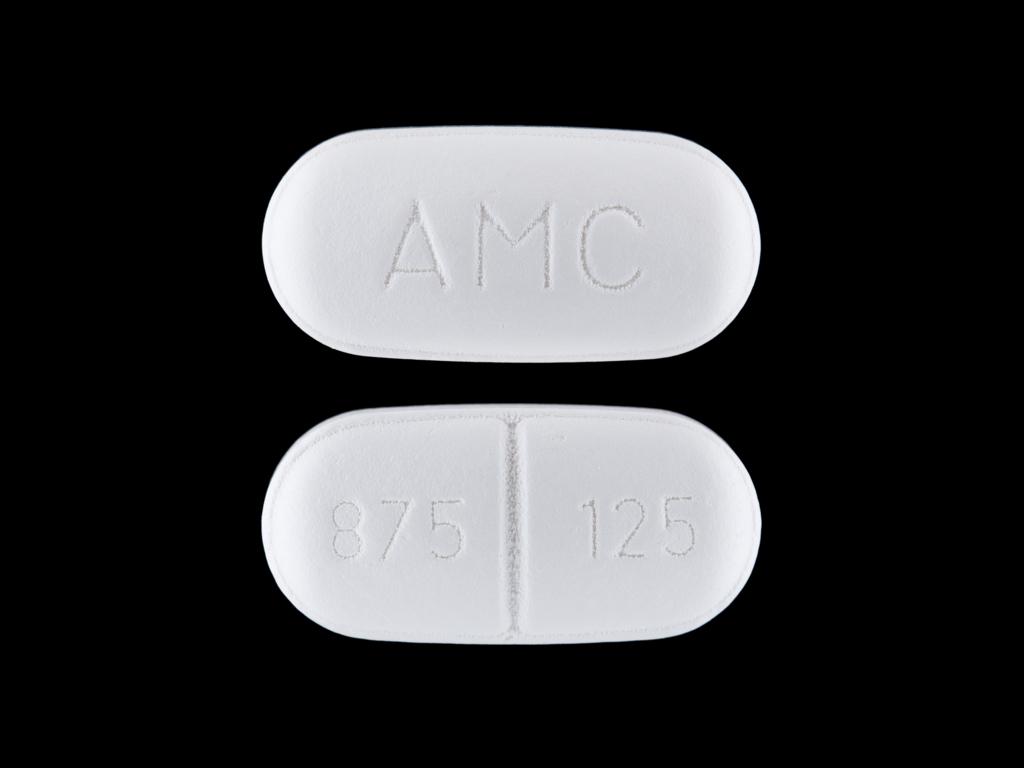
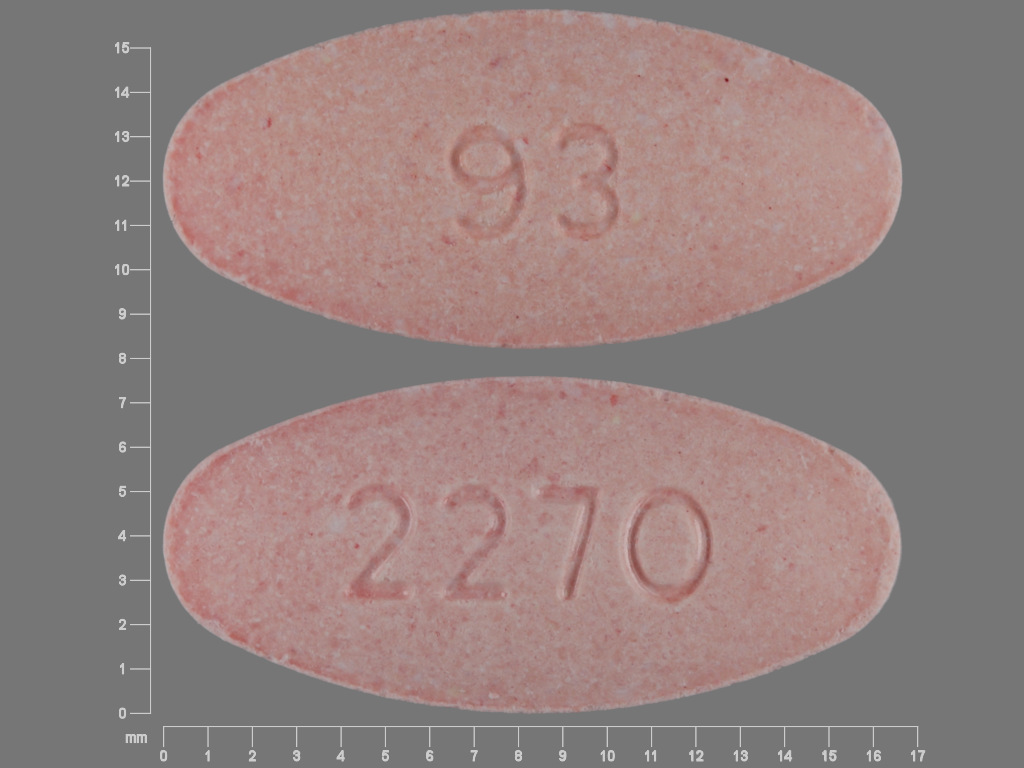
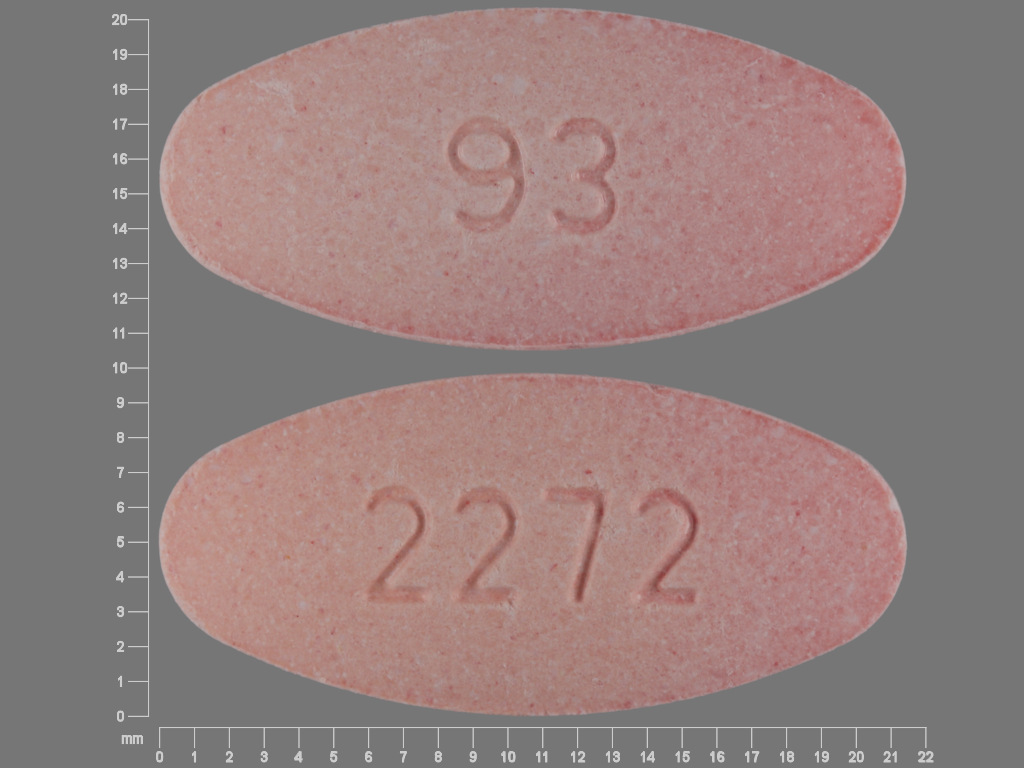
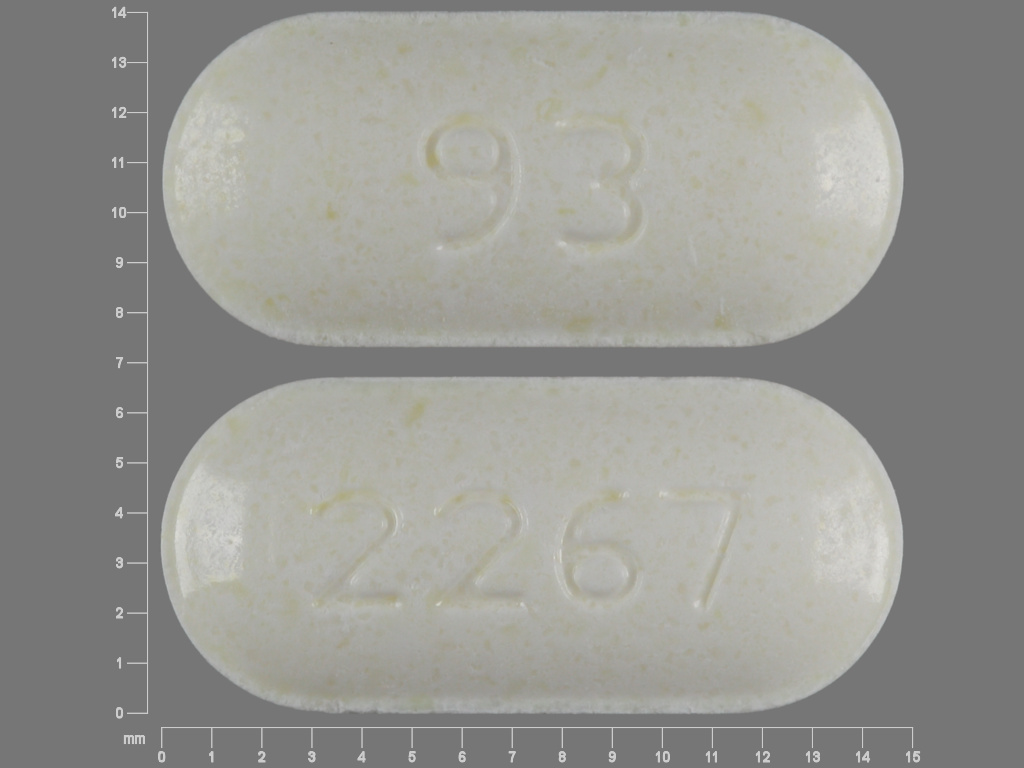
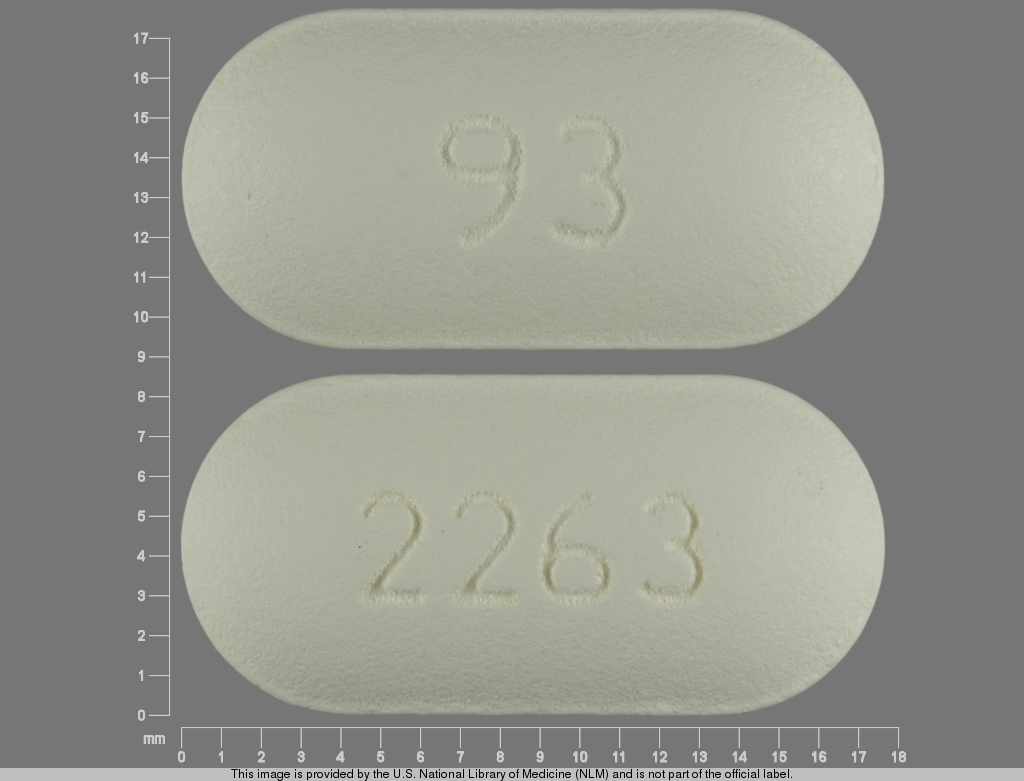
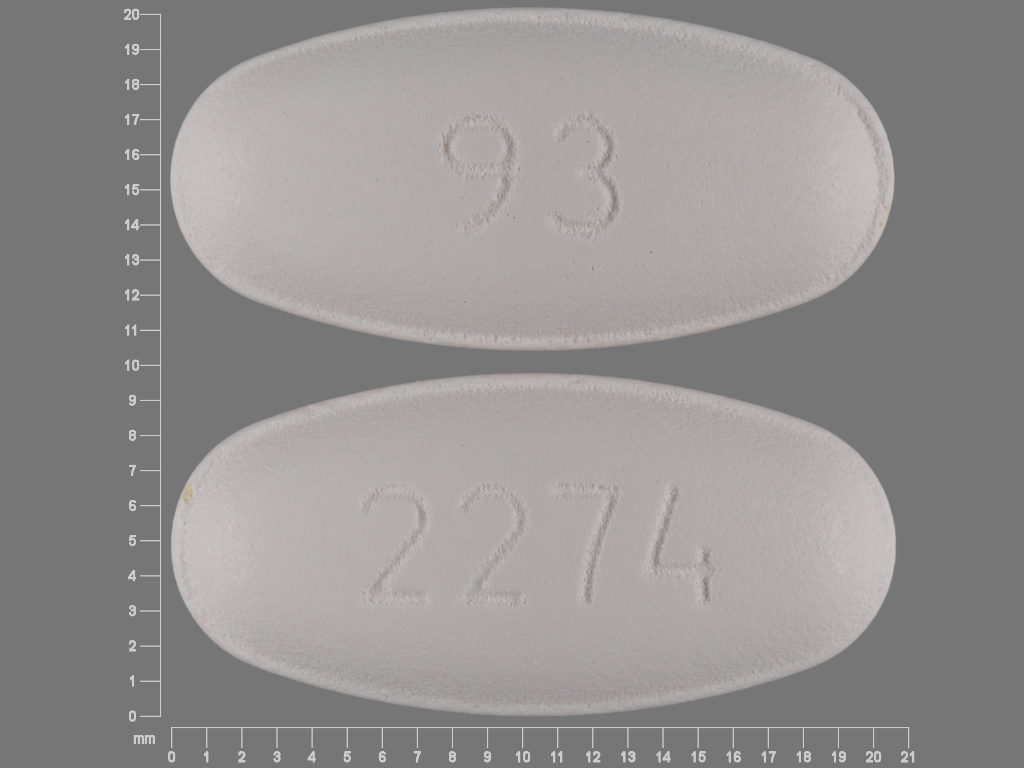
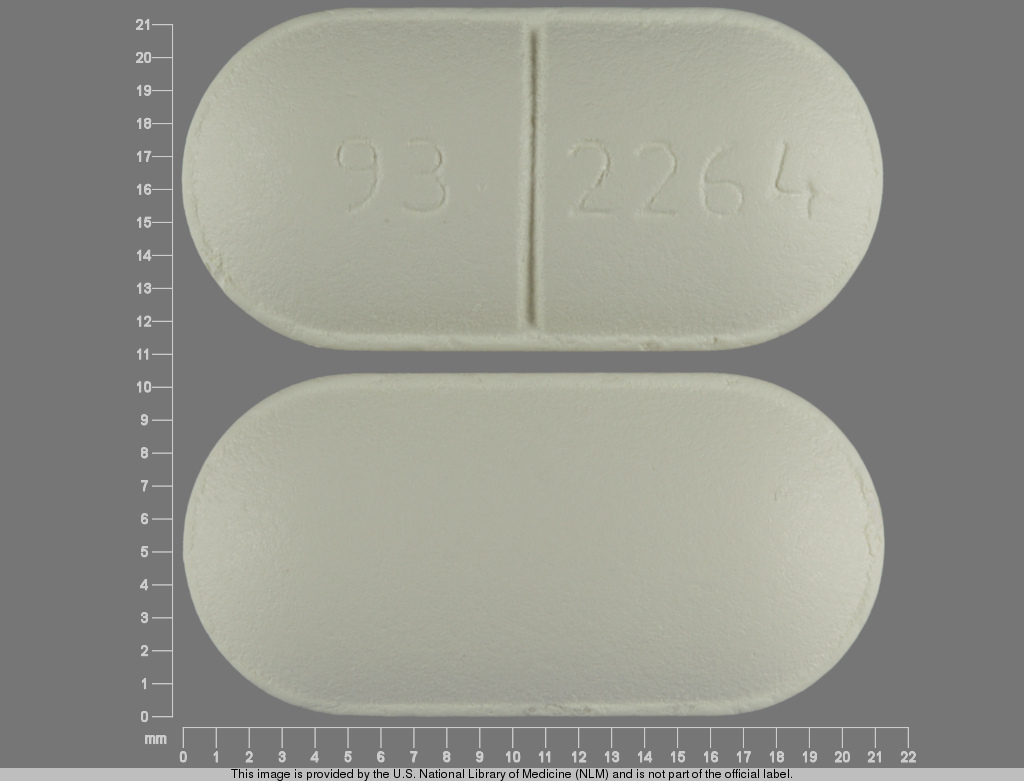
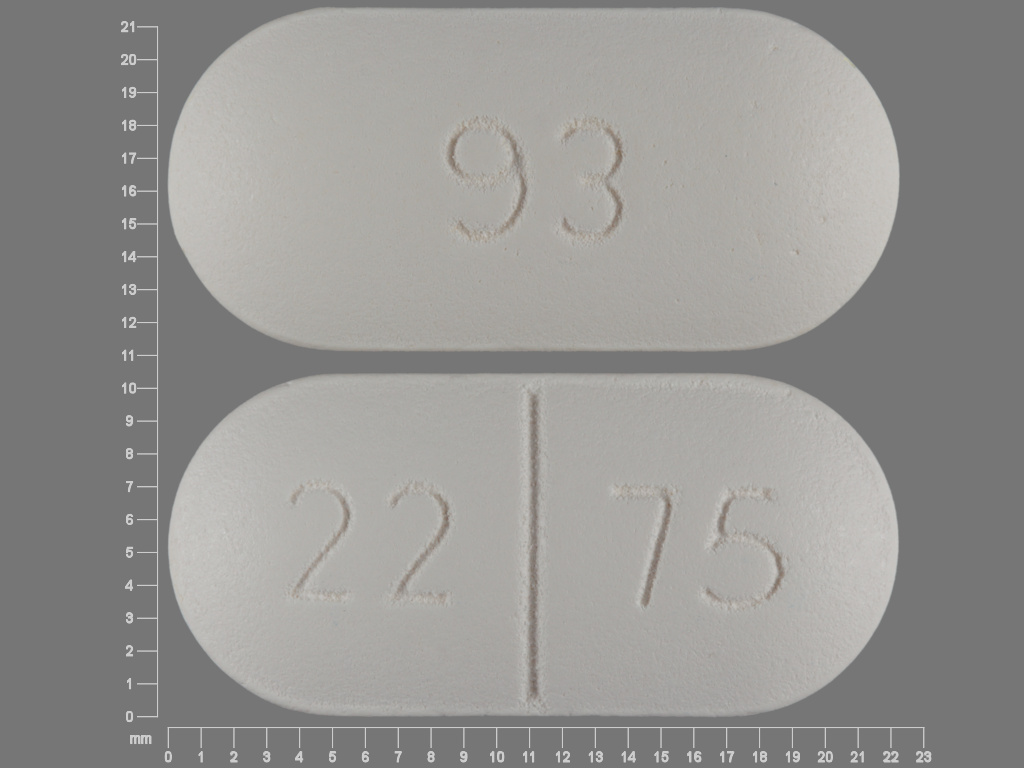
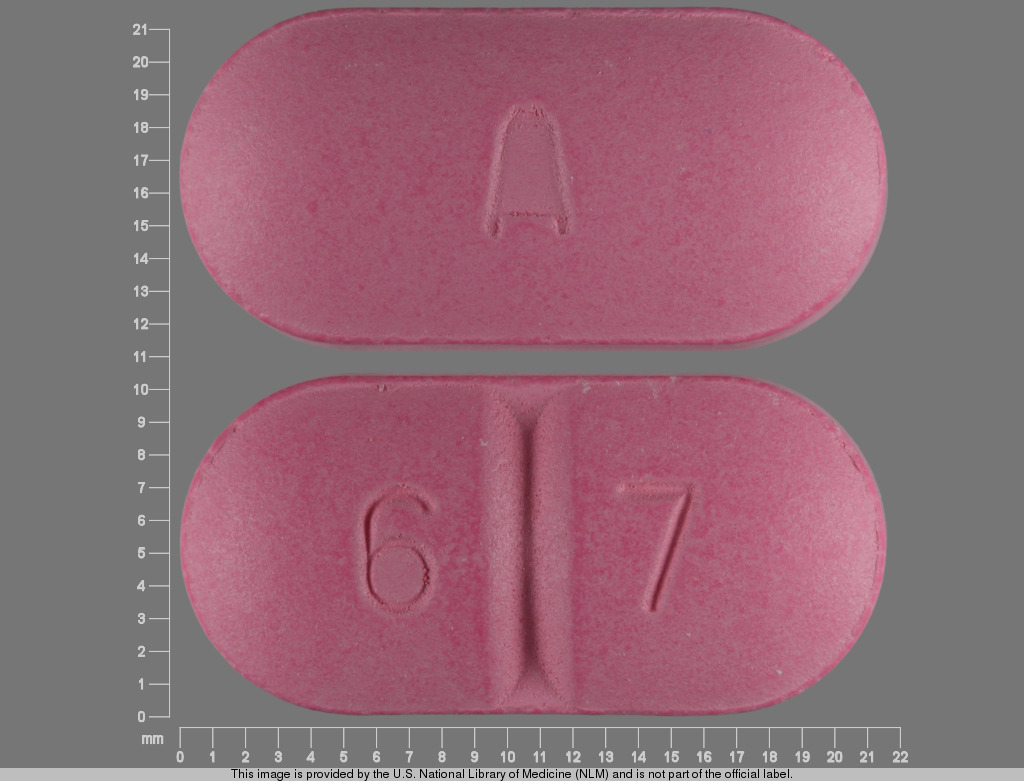
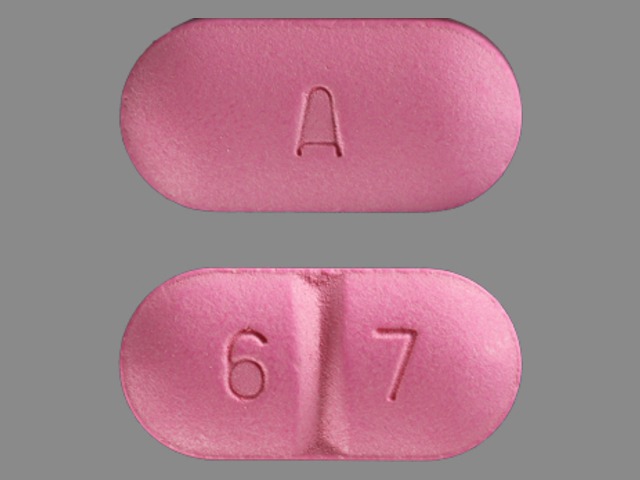
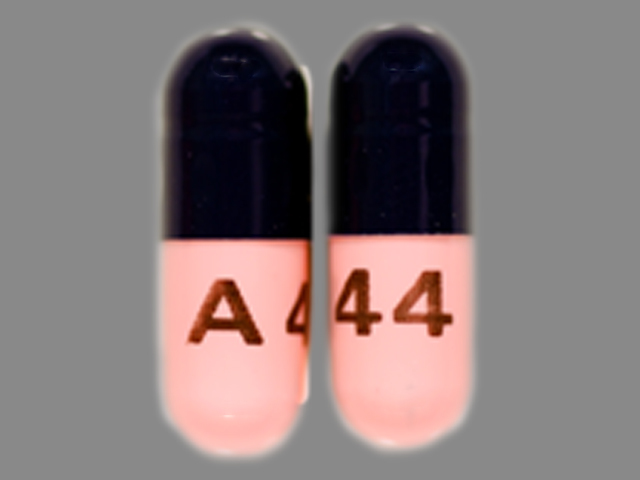
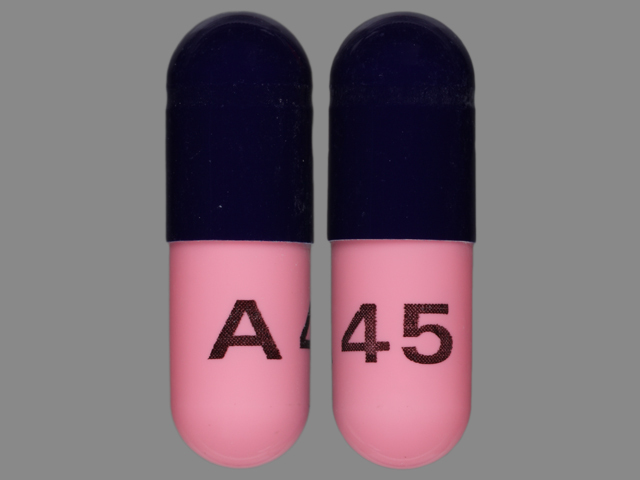
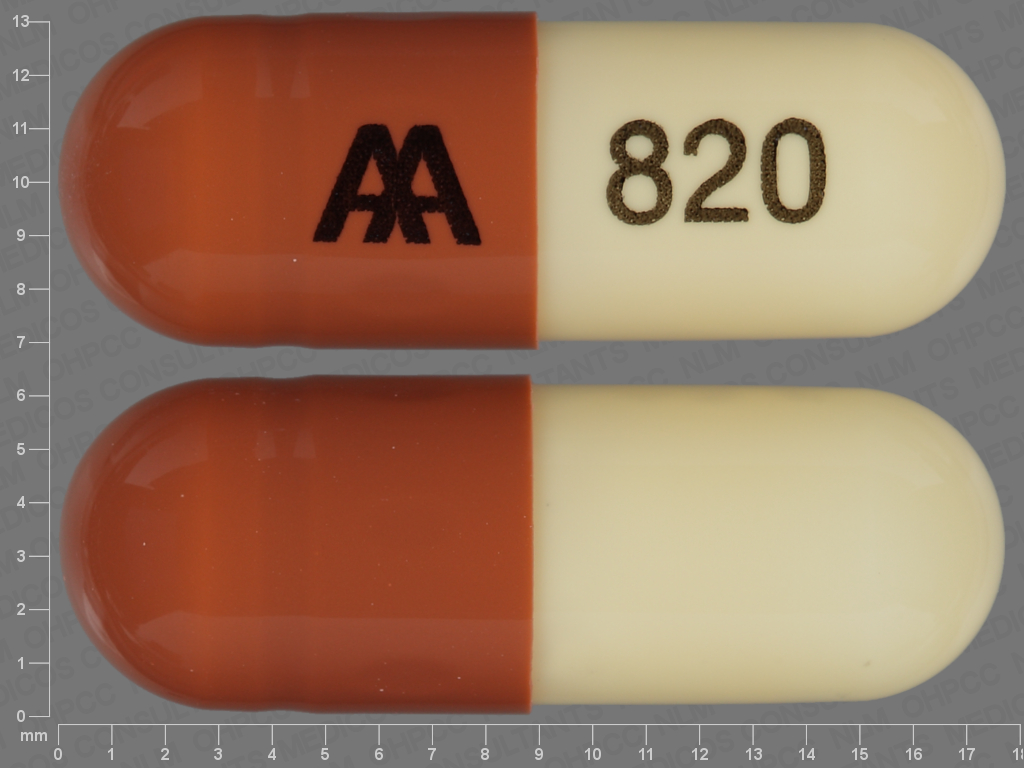
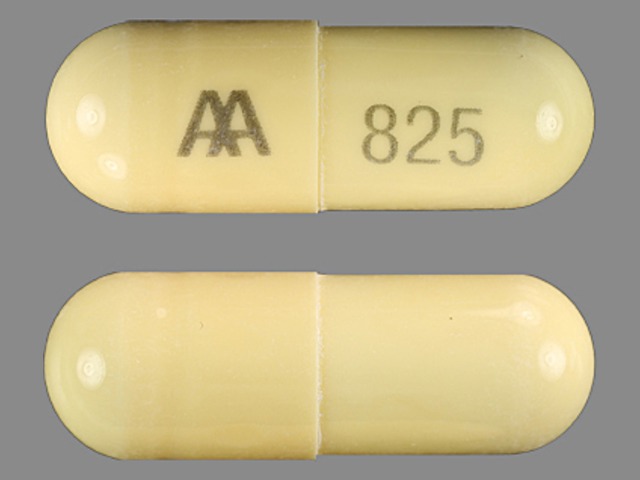
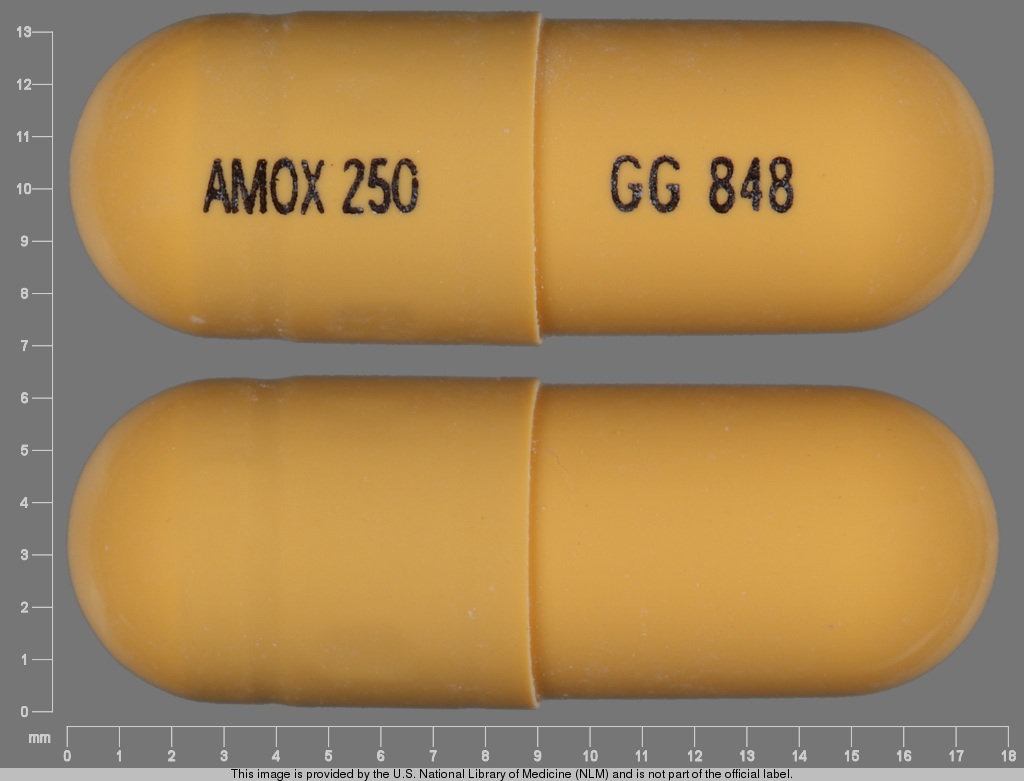
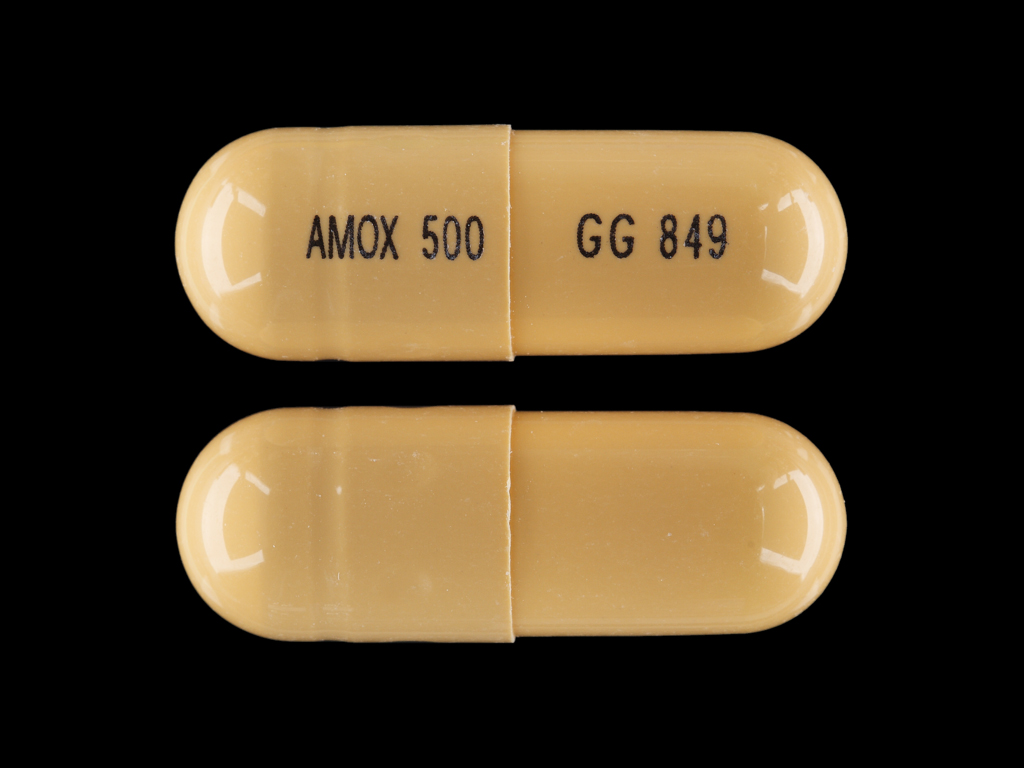
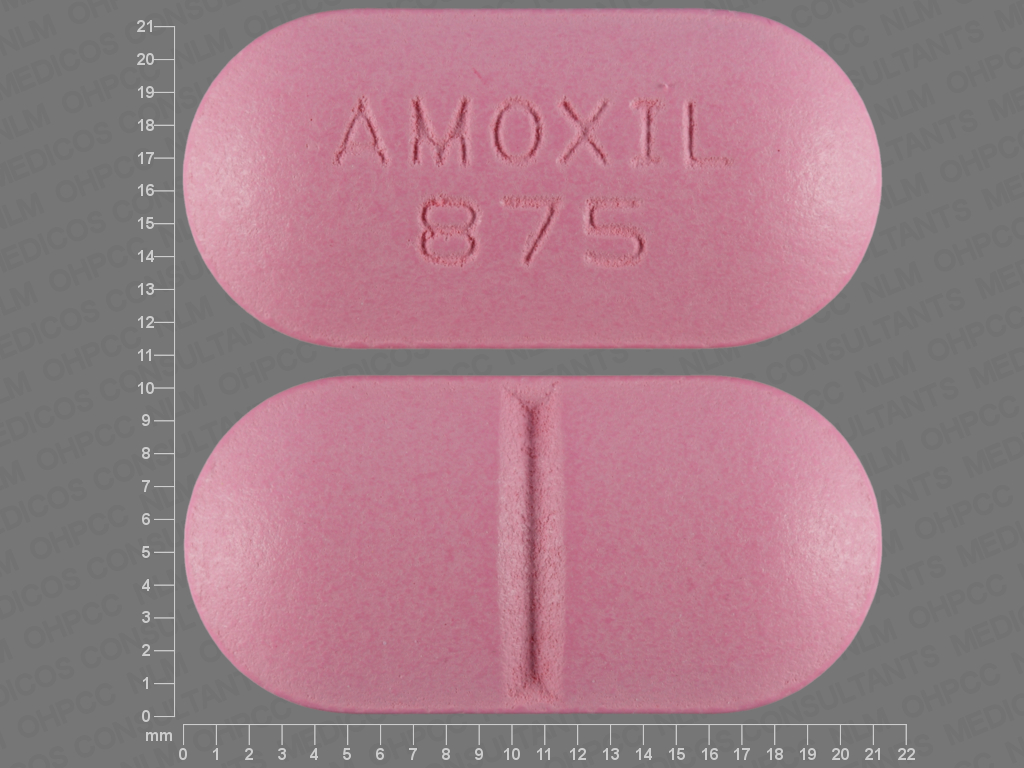
Amoxicillin is manufactured by many companies, and the record for this medicine includes several hundred distinct pill listings. The appearance therefore varies considerably. In general:
- Capsules are typically sold in lower strengths and are often two-colored, with colors varying by manufacturer (shades of pink, red, buff, orange, or white are common). They usually carry an imprint with the manufacturer's code and the strength.
- Film-coated tablets in higher strengths are commonly oval or capsule-shaped and white to off-white, with a debossed imprint on one or both sides. Some tablets are scored.
- Chewable tablets are often round or oval, pink or cream-colored, and fruit-flavored. They are meant to be chewed or crushed before swallowing.
- Powder for oral suspension is supplied in a bottle and mixed with water by the pharmacy, producing a fruit-flavored liquid, commonly pink or orange in color.
Because so many generic manufacturers make look-alike products, color and shape alone are not enough to confirm what a tablet is. The imprint (letters, numbers, or logos pressed into the tablet or printed on the capsule), the strength, and the manufacturer named on the pharmacy label together provide a much more reliable match. A pharmacist can verify an unlabeled pill, and it is best not to take any medicine that cannot be positively identified.
Dosage and administration
Amoxicillin is taken by mouth. It is available as a capsule, as a film-coated tablet, as a chewable tablet, and as a powder that the pharmacy mixes into an oral suspension, with an extended-release tablet form that was marketed for a time and exists in the combination product. Common single-ingredient strengths include capsules and tablets in the 250 mg, 500 mg, and 875 mg ranges (the 875 mg strength is a tablet), chewable tablets in the 125 mg, 200 mg, 250 mg, and 400 mg strengths, and oral suspensions of 125 mg, 200 mg, 250 mg, and 400 mg per 5 mL. Combination products add clavulanate potassium in strengths such as 28.5 mg, 57 mg, 62.5 mg, or 125 mg alongside the amoxicillin.
The prescribed amount and schedule depend on the type and severity of the infection, the likely bacteria, the person's age and weight, and kidney function. In general terms, adults and larger children are commonly given amoxicillin either twice a day (roughly every 12 hours) or three times a day (roughly every 8 hours), with the higher-strength tablets usually reserved for twice-daily schedules and for more serious infections such as those of the lower respiratory tract. Infections described as mild to moderate usually call for a lower total daily amount than severe infections, and infections caused by bacteria with intermediate susceptibility are generally dosed like severe ones.
For children who weigh less than about 40 kilograms, the total daily amount is calculated from body weight and divided into two or three doses. This is why a child's prescription is written in milligrams per kilogram, and why the volume of liquid prescribed changes as a child grows. Infants younger than three months have immature kidney function, so the labeled upper daily limit is lower for them and the schedule is typically every 12 hours. These calculations are made by the prescriber and should never be estimated at home.
For Helicobacter pylori, amoxicillin is given as part of a combination, usually for about 14 days. Typical regimens include triple therapy, in which amoxicillin is taken with clarithromycin and a proton-pump inhibitor such as lansoprazole, all on a twice-daily schedule, and a dual therapy in which amoxicillin and lansoprazole are taken more often through the day. Current guidelines also describe other combinations, and the choice depends on prior antibiotic exposure and local resistance. These regimens involve several medicines at once, so it helps to follow the written schedule from the pharmacy precisely.
Length of treatment
Courses of amoxicillin are usually measured in days rather than weeks. Labeling advises continuing treatment for a minimum of 48 to 72 hours after the person has become free of symptoms or after evidence that the bacteria have been eliminated. For infections caused by Streptococcus pyogenes (group A strep), a minimum of 10 days of treatment is advised to prevent rheumatic fever, a serious inflammatory complication of untreated strep infection. Some infections require longer therapy, and a few need clinical or laboratory follow-up for months. Increasingly, shorter courses are also being studied and used for certain uncomplicated infections, so the right length depends on the infection and on the prescriber's assessment. Stopping early or extending treatment on your own is not advisable; questions about duration are best directed to the prescriber.
Taking amoxicillin with food
Amoxicillin can be taken with or without food, but taking it at the beginning of a meal is often recommended to reduce stomach upset. This matters most for the amoxicillin and clavulanate combination, where taking the dose with food both lessens nausea and improves clavulanate absorption. Capsules and tablets are generally swallowed whole with a full glass of water. Chewable tablets should be chewed or crushed thoroughly before swallowing and are not meant to be swallowed intact. Extended-release tablets should not be crushed, chewed, or split unless the label specifically says they can be split.
Preparing and using the oral suspension
The liquid form is supplied as a dry powder that is mixed with water when it is dispensed. The powder is first loosened by tapping the bottle, about one-third of the required water is added and shaken vigorously to wet the powder, and the remainder of the water is then added and shaken again. The total amount of water depends on the strength and bottle size, which is why the pharmacy normally does the mixing. The bottle should be shaken well before every dose. Measure the liquid with an oral syringe or dosing cup rather than a household spoon, since kitchen spoons vary widely in size.
For young children, the measured dose can be placed directly on the tongue or mixed into formula, milk, fruit juice, water, ginger ale, or another cold drink, and given right away so the child receives the entire dose. Reconstituted suspension should be kept tightly closed. Refrigeration is preferable but not required, and any leftover liquid must be discarded after 14 days, even if some remains.
Missed doses
If a dose is missed, the usual general guidance is to take it when remembered unless the next dose is nearly due, in which case the missed dose is skipped rather than doubled. Pharmacists can offer specific advice for a particular schedule, and the patient information leaflet normally includes instructions for missed doses.
Storage
Capsules, tablets, and unmixed powder are generally kept at room temperature in a tightly closed container, away from heat and moisture. A bathroom cabinet is not ideal because of humidity. Medicine that is left over after the course is finished, or that is out of date, should be disposed of through a pharmacy take-back program or according to local guidance instead of being saved for later use. Antibiotics prescribed for one illness should not be used for another.
Warnings
The most important risk with amoxicillin is hypersensitivity. Serious and occasionally fatal allergic reactions, including anaphylaxis, have been reported in people taking penicillin-class antibiotics, and they are more likely in people who have had a previous reaction to penicillins, cephalosporins, or other allergens. Signs of a severe reaction include hives, swelling of the face, lips, or tongue, wheezing or difficulty breathing, a rapid heartbeat, faintness, and a sudden drop in blood pressure. Anaphylaxis is a medical emergency that requires immediate treatment with epinephrine and emergency care. Before amoxicillin is prescribed, the clinician usually asks about prior reactions to penicillins, cephalosporins, and other drugs, and it is helpful to mention any past reaction even if it was mild or happened many years ago.
Allergy to penicillin is often over-reported. Many people who have a penicillin allergy listed in their record can tolerate these drugs after formal evaluation, and testing by an allergist can clarify the situation. Cross-reactivity between penicillins and cephalosporins exists but is lower than once thought, and it depends on the specific cephalosporin. Whether an alternative such as cephalexin is appropriate for someone with a penicillin allergy is a decision for the prescriber.
Other important warnings include:
- Clostridioides difficile-associated diarrhea. Almost every antibiotic, amoxicillin included, can disturb the normal gut bacteria and allow C. difficile to overgrow. This can cause anything from mild diarrhea to severe, potentially life-threatening colitis (pseudomembranous colitis). It can begin during treatment or even weeks or months after the course ends. Watery or bloody stools, severe abdominal cramping, or fever that develops during or after antibiotic therapy should be reported promptly, and anti-diarrheal products should not be used without medical advice, since they may worsen the condition.
- Severe skin reactions. Rare but serious reactions such as Stevens-Johnson syndrome, toxic epidermal necrolysis, exfoliative dermatitis, acute generalized exanthematous pustulosis, and drug reaction with eosinophilia and systemic symptoms (DRESS) have been reported. A rash accompanied by blistering, peeling, mouth sores, eye irritation, or fever needs urgent attention.
- Rash in infectious mononucleosis. People with mononucleosis (Epstein-Barr virus infection) frequently develop a widespread rash when given amoxicillin or ampicillin. This rash is not necessarily a true allergy, but it can be difficult to tell from one, so amoxicillin is generally avoided when mononucleosis is suspected.
- Superinfection. Prolonged use can allow overgrowth of organisms that amoxicillin does not kill, such as Candida (oral thrush or vaginal yeast infection). Thrush or yeast symptoms that develop during or after treatment can be treated, and the prescriber should be told.
- Liver effects. Elevated liver enzymes occur with amoxicillin, and cholestatic liver injury is a recognized concern, particularly with the clavulanate combination. It is more often reported in older adults, men, and those on prolonged courses, and it can appear after treatment has finished. Persistent nausea, dark urine, yellowing of the skin or eyes, or pale stools should be reported.
- Crystalluria and kidney effects. Particularly at high doses and with poor fluid intake, amoxicillin crystals can form in the urine, and kidney injury has been reported. Maintaining good hydration is generally advised during therapy.
- Blood effects. Reversible anemia, low platelet counts, and low white-cell counts are uncommon but have been described. Unusual bruising, bleeding, or recurrent infections during longer treatment may call for a blood test.
- Seizure risk. Very high blood levels of penicillins, most often with kidney impairment or excessive dosing, can cause central nervous system effects, including seizures.
- Resistance. Prescribing amoxicillin without a proven or strongly suspected bacterial infection is unlikely to help the patient and contributes to antibiotic resistance.
Contraindications
Amoxicillin should not be used by people who have had a serious hypersensitivity reaction, such as anaphylaxis or Stevens-Johnson syndrome, to amoxicillin or to other beta-lactam antibiotics, including penicillins and cephalosporins. A history of this type of reaction is the principal contraindication.
For the amoxicillin and clavulanate combination, there are additional contraindications: a history of cholestatic jaundice or liver dysfunction linked to a previous course of the combination, and, in the case of the extended-release product, severe kidney impairment with a creatinine clearance below 30 mL/min or hemodialysis. If any of these apply, the prescriber will usually choose a different antibiotic.
Side effects
Most people tolerate amoxicillin well, and side effects, when they occur, are usually mild and temporary. The most common ones involve the digestive system, since the antibiotic affects intestinal bacteria.
Common effects
- Nausea and vomiting, which are often reduced by taking the dose at the start of a meal.
- Diarrhea or loose stools, usually mild. It is considerably more frequent with the amoxicillin and clavulanate combination, and in young children taking the liquid form.
- Rash. A mild, non-itchy rash can appear several days into a course, particularly in children; it may or may not represent a true allergy. Hives, which are itchy raised welts that usually appear soon after a dose, are more typical of an actual allergic reaction.
- Headache, taste changes, and vaginal itching or discharge from yeast overgrowth.
In clinical studies of H. pylori triple therapy (amoxicillin, clarithromycin, and lansoprazole), diarrhea occurred in roughly 7% of patients, headache in about 6%, and taste disturbance in about 5%. Part of that taste disturbance is attributable to clarithromycin rather than amoxicillin.
Less common and serious effects
- Severe or persistent diarrhea, especially if watery or bloody, which may indicate C. difficile infection.
- Hives, facial swelling, trouble breathing, or other signs of an allergic reaction.
- Widespread blistering or peeling skin, or sores in the mouth, eyes, or genital area.
- Elevated liver enzymes and, rarely, hepatitis or jaundice.
- Crystals in the urine, reduced urine output, or kidney inflammation (interstitial nephritis).
- Anemia, low platelets, or low white blood cells.
- Agitation, confusion, dizziness, or seizures, mostly in people with kidney disease or at very high doses.
In children, a harmless cosmetic effect has been reported: surface staining of the teeth, usually yellow, brown, or gray. This is uncommon, mostly seen with the suspension, and generally removable by brushing or professional dental cleaning. It is different from the permanent tooth discoloration associated with tetracycline antibiotics.
Anyone who experiences a reaction that worries them should contact a pharmacist or health professional. Severe symptoms such as swelling of the face or throat, difficulty breathing, or collapse warrant emergency services. Suspected side effects can also be reported to the FDA through its MedWatch program.
Drug interactions
Amoxicillin has fewer important interactions than many medicines, but several are worth knowing. A pharmacist can check a full medication list, including over-the-counter products and supplements, for interactions.
- Probenecid. Probenecid reduces the tubular secretion of amoxicillin by the kidneys, producing higher and longer-lasting blood levels. Giving the two together is generally not recommended, although this effect is sometimes used on purpose with penicillins in specific situations.
- Oral anticoagulants. Prolonged prothrombin time and a raised INR have been reported in people taking amoxicillin with anticoagulants such as warfarin. Closer monitoring of INR is typically arranged when an antibiotic is started or stopped, and the anticoagulant dose may need adjusting. People on warfarin should tell their anticoagulation clinic when they are prescribed an antibiotic.
- Allopurinol. Taking allopurinol with amoxicillin is associated with a higher rate of skin rash than taking amoxicillin alone. It is not known whether the allopurinol itself or the high uric acid in these patients is responsible.
- Hormonal contraceptives. The labeling notes that amoxicillin may affect gut bacteria, lowering estrogen reabsorption and potentially reducing the effectiveness of combined estrogen/progesterone pills. Evidence that ordinary antibiotics like amoxicillin meaningfully lower contraceptive effectiveness is limited, but vomiting or severe diarrhea certainly can. Some clinicians suggest additional precautions during antibiotic treatment, so it is reasonable to ask a pharmacist for guidance.
- Methotrexate. Penicillins can reduce the kidney clearance of methotrexate, which can raise its levels and its toxicity. Monitoring is important, especially with higher methotrexate doses.
- Other antibiotics. Bacteriostatic antibiotics such as tetracyclines (for example, doxycycline), macrolides (such as azithromycin and clarithromycin), sulfonamides, and chloramphenicol have been shown in laboratory studies to interfere with the bactericidal action of penicillins. The clinical importance of this is not well established, and combinations such as amoxicillin with clarithromycin are used deliberately and effectively for H. pylori.
- Mycophenolate. Some antibiotics, including amoxicillin with clavulanate, have been associated with lower levels of the active metabolite of mycophenolate mofetil, which is relevant to transplant recipients. Transplant teams may wish to know about antibiotic prescriptions.
- Live oral typhoid vaccine. Antibacterial drugs can reduce the effectiveness of the live oral typhoid vaccine, which is typically timed to avoid antibiotic use.
Effects on laboratory tests
Large amounts of ampicillin in the urine can produce false-positive results on urine glucose tests that rely on copper reduction, such as Clinitest, Benedict's solution, and Fehling's solution. Since the same effect may occur with amoxicillin, glucose tests that use the enzymatic glucose oxidase method (such as Clinistix) are recommended for people who monitor urine glucose. In pregnant women, a transient decrease in the plasma levels of total conjugated estriol, estriol-glucuronide, conjugated estrone, and estradiol has been noted after ampicillin or amoxicillin administration, which could matter if those hormones are being measured.
Pregnancy and breastfeeding
Amoxicillin has been used for many years during pregnancy to treat infections that, if left untreated, could harm both mother and baby, such as urinary tract infections, group B strep exposure around delivery, and certain respiratory infections. Large studies have not shown a consistent increase in birth defects with amoxicillin, and it is generally regarded as one of the better-studied antibiotic options in pregnancy. Whether it is the right choice still depends on the infection and individual circumstances, so anyone who is pregnant, trying to become pregnant, or who discovers a pregnancy during treatment should discuss this with their prescriber. Untreated bacterial infections carry their own risks in pregnancy.
Amoxicillin passes into breast milk in small amounts. It is usually considered compatible with breastfeeding, though a nursing infant may occasionally develop loose stools, diaper rash, thrush, or, rarely, sensitization to penicillins. Parents who notice these signs in a breastfed infant should tell the baby's doctor. Mothers should also discuss any antibiotic use with their health professional so the infant can be monitored appropriately.
Pediatric use
Amoxicillin is among the most commonly prescribed medicines for children and is available in forms designed for them, including flavored oral suspensions and chewable tablets. It is used for ear infections, strep throat, sinus infections, pneumonia, and some urinary and skin infections, and it is a component of H. pylori regimens in older children and adolescents.
Doses for children are determined by weight. Children over three months old who weigh under about 40 kg are dosed on a milligram-per-kilogram basis, divided into two or three doses a day, whereas children above that weight are typically dosed like adults. Infants under three months have immature kidney function, which slows elimination of amoxicillin, so the labeled maximum daily amount is lower and doses are given less often. There are currently no dosing recommendations for infants with impaired kidney function.
Practical points for caregivers include shaking the liquid well each time, using the oral syringe or cup supplied by the pharmacy, giving doses at evenly spaced times, and completing the prescribed course unless told otherwise by the child's clinician. The medicine can be mixed with a small amount of juice or milk, provided the child finishes it. Diarrhea and diaper rash are the most common complaints in young children. A rash that appears is worth showing to a pharmacist or doctor, because it may be a harmless viral or drug-related rash or a sign of true allergy, and the distinction affects future antibiotic choices.
Older-adult use
Amoxicillin is widely used in older adults, with no special restriction by age alone. Clinical studies have not identified overall differences in effectiveness between younger and older people. However, kidney function typically declines with age, even when blood tests look normal, and since amoxicillin is cleared mainly by the kidneys, dose adjustment may be needed. Older adults are also more prone to certain adverse effects, particularly C. difficile infection and, with the clavulanate combination, cholestatic liver injury. Because many older adults take multiple medicines, including warfarin and methotrexate, interaction checks with a pharmacist are particularly worthwhile. Staying well hydrated during treatment is generally helpful.
Kidney and liver impairment
About half to 70% of an amoxicillin dose leaves the body unchanged in the urine, so kidney function strongly influences how long the drug stays in the bloodstream. People with mild to moderate kidney impairment generally do not need a dose reduction. Adjustment becomes important when kidney function is severely reduced, specifically when the glomerular filtration rate (GFR) falls below 30 mL/min. In that range, the higher-strength 875 mg tablet should not be used, and the dose or dosing interval is typically reduced. Labeling describes progressively longer intervals between doses as GFR falls to 10 to 30 mL/min, and again to below 10 mL/min, with the interval extended to once every 24 hours in the most severe cases. Hemodialysis removes amoxicillin from the blood, so an additional dose is given during and at the end of dialysis. Extended-release amoxicillin and clavulanate tablets are not used when creatinine clearance is under 30 mL/min.
Amoxicillin on its own is not known to require specific adjustment for liver disease, but it should be used with care in people with significant liver impairment, with periodic monitoring of liver function when treatment is prolonged. The combination with clavulanate has a greater association with liver injury, so prescribers use extra caution, or avoid it, in people with a history of liver problems or previous jaundice from the combination.
Overdose
Accidental or intentional ingestion of more amoxicillin than prescribed most often causes digestive upset, such as nausea, vomiting, abdominal pain, and diarrhea. In a prospective study of 51 children reported to a poison-control center, ingestions of less than about 250 mg per kilogram of body weight were not associated with significant clinical symptoms. Larger overdoses, especially in people with reduced kidney function, can lead to more serious problems. Crystals can form in the urine (crystalluria), in some cases leading to kidney failure, and interstitial nephritis resulting in reduced urine output has been described in a small number of patients. Kidney impairment from an overdose generally appears reversible once the drug is stopped.
Management is supportive: the drug is discontinued, symptoms are treated, and adequate fluid intake and urine output are maintained to reduce the risk of crystal formation. Amoxicillin can be removed from the blood by hemodialysis if needed. Anyone who suspects an overdose should contact a poison control center (in the United States, 1-800-222-1222) or emergency services right away.
Practical points for anyone taking amoxicillin
- Tell the prescriber about any previous allergic reaction to penicillins, cephalosporins, or other medicines.
- Report new diarrhea that is severe, watery, or bloody, even if it begins after the course is finished.
- Mention all other medicines being used, particularly warfarin, methotrexate, allopurinol, probenecid, and hormonal contraceptives.
- Do not share antibiotics or keep leftovers; an antibiotic that treated one infection may be wrong for another.
- If symptoms are not improving after a couple of days, or if they worsen, contact the prescriber, since the organism may not be susceptible or the diagnosis may need review.
- Probiotic products are sometimes used to ease antibiotic-related diarrhea. Evidence varies by product, so it is reasonable to ask a pharmacist, especially for anyone who is immunocompromised.
General information about antibiotic research and public-health guidance is available from the National Institutes of Health.