Overview
Doxycycline is a prescription antibiotic in the tetracycline family. It is one of the most widely prescribed antibiotics in the world, partly because it works against an unusually broad range of bacteria and partly because it is well absorbed when taken by mouth. It is commonly sold under brand names such as Vibramycin, Vibra-Tabs, Doryx, Acticlate, Adoxa, Monodox, Targadox and Oracea, and it is also dispensed very often under its plain generic name. Some products contain doxycycline hyclate and others contain doxycycline monohydrate. These are two salt forms of the same active ingredient, and they differ mainly in how they dissolve and how gentle they are on the stomach.
This page explains what doxycycline is used for, how it works, what the common dosage forms look like, and how it is typically taken. It also covers the warnings, side effects and drug interactions that matter most, and how the medicine is handled in pregnancy, childhood, older age and organ impairment. It is meant to help someone identify a tablet or capsule and understand the medication in general terms. It does not replace the instructions on a prescription label or the advice of a pharmacist or doctor, who can speak to an individual situation.
Drug class and how doxycycline works
Doxycycline belongs to the tetracycline class of antibiotics. Tetracyclines work by entering bacterial cells and attaching to the 30S subunit of the bacterial ribosome, the cellular machinery that builds proteins. By blocking the docking site where new amino acids are delivered, doxycycline stops the bacterium from assembling the proteins it needs to grow and multiply. Because this slows or halts bacterial growth rather than directly destroying the organisms, the effect is described as bacteriostatic. The body's own immune defenses then clear the bacteria that have been held in check.
Doxycycline is a second-generation tetracycline. Compared with the older drug tetracycline, it is more fat-soluble, is absorbed more completely, stays in the body longer and is less affected by food. Its elimination half-life is roughly 18 to 22 hours, which is why many courses call for only one or two doses a day. It reaches good concentrations in many tissues, including the lungs, skin, prostate and, to a degree, the eye, and it can enter cells where certain organisms hide. That last property makes it useful against bacteria that live inside cells, such as Chlamydia, Rickettsia and Mycoplasma.
At very low doses, doxycycline also has effects unrelated to killing bacteria. It dampens inflammation and inhibits enzymes called matrix metalloproteinases, which break down connective tissue. This is the basis for low-strength products used for periodontal disease and for the inflammatory bumps of rosacea. In those products the dose is deliberately kept below the level that would affect bacteria throughout the body.
Uses
Doxycycline is prescribed for a long list of bacterial infections. The FDA-approved labeling includes the following groups of conditions:
- Rickettsial infections such as Rocky Mountain spotted fever, typhus group fevers, Q fever, rickettsialpox and tick fevers. Doxycycline is generally the preferred antibiotic for these illnesses, in adults and in children.
- Respiratory tract infections, including pneumonia caused by Mycoplasma pneumoniae and other susceptible organisms, as well as psittacosis and certain bronchitis flare-ups or sinus infections when the organism is susceptible.
- Sexually transmitted and genital infections, including chlamydia, nongonococcal urethritis, lymphogranuloma venereum, and syphilis in people who cannot take penicillin. The label also lists gonorrhea. Because many gonorrhea strains have become resistant to tetracyclines, current treatment guidelines usually recommend other antibiotics for that infection.
- Other bacterial infections such as cholera, brucellosis (combined with another antibiotic), plague, tularemia, leptospirosis, trachoma, and some skin, urinary and eye infections caused by susceptible organisms.
- Anthrax, both as treatment and as post-exposure prevention after inhalation exposure to anthrax spores.
- Malaria prevention for travelers going to regions where chloroquine-resistant Plasmodium falciparum is present.
- Acne and rosacea, where doxycycline is used as an adjunct to other treatment for severe acne, and where specific low-strength delayed-release products are approved for inflammatory lesions of rosacea.
- Periodontitis, where a very low-strength tablet or a dental gel placed in the gum pocket is used alongside professional cleaning.
Beyond the formal labeling, doxycycline is widely used for early Lyme disease, for community-acquired MRSA skin infections, for certain tick-borne illnesses such as ehrlichiosis and anaplasmosis, and as part of combination regimens for pelvic inflammatory disease. Some public health guidance also describes taking doxycycline after condomless sex as a way of lowering the chance of certain bacterial sexually transmitted infections in selected groups of people. That approach is decided case by case by a clinician. Doxycycline is also commonly prescribed as an alternative to penicillin-type antibiotics in people who are allergic to them.
Doxycycline has no effect on viral illnesses such as the common cold, influenza or COVID-19. The label itself stresses that it should be used only to treat or prevent infections that are proven or strongly suspected to be caused by susceptible bacteria. Using antibiotics when they are not needed does not help the patient and encourages resistant bacteria. For general reading, the MedlinePlus Drug Information library offers patient-oriented summaries on doxycycline and related antibiotics.
Forms, strengths and how to recognize the tablet or capsule
Doxycycline is supplied in more forms than most antibiotics. Oral products include standard tablets, film-coated tablets, delayed-release tablets, capsules (including gelatin-coated capsules and delayed-release capsules), and powder that is mixed into an oral suspension. Powdered doxycycline hyclate for injection is used in hospitals to prepare intravenous solutions. A paste or gel form exists for dental use in the gum pockets of people with periodontitis. Some listings on file also reflect bulk powder ingredients used by pharmacies and manufacturers rather than finished consumer products.
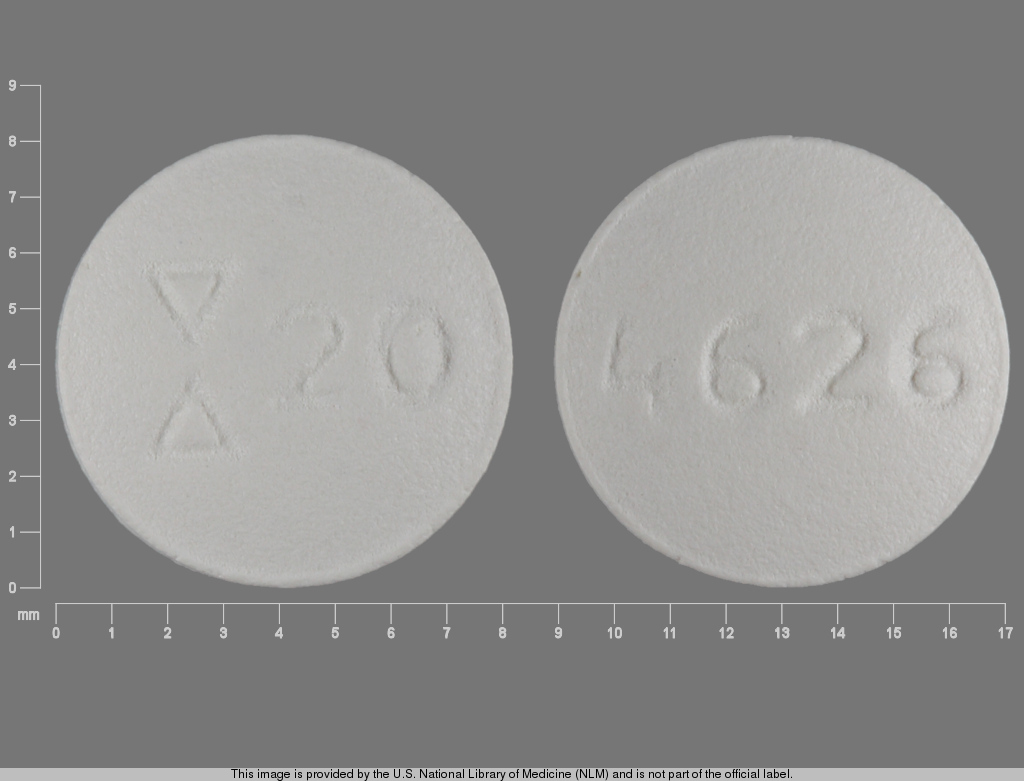
Tablets and capsules are most often seen in strengths of 50 mg, 75 mg, 100 mg and 150 mg. Low-strength products also exist: a 20 mg tablet of doxycycline hyclate for periodontal use and a 40 mg delayed-release capsule for rosacea. Oral liquid products are measured per 5 mL, and injectable vials hold 100 mg or 200 mg of doxycycline hyclate for dilution.
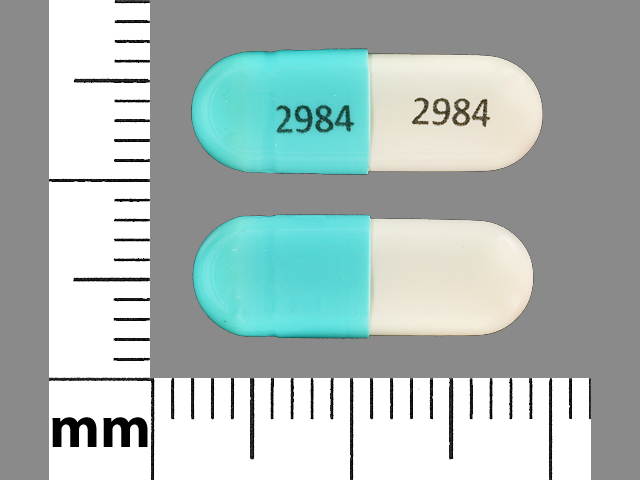
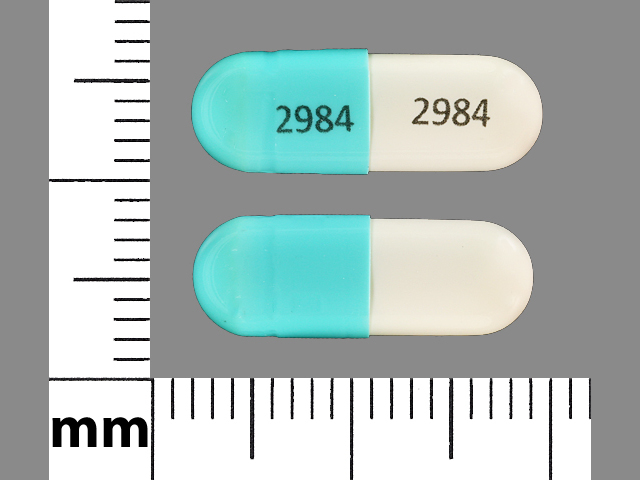
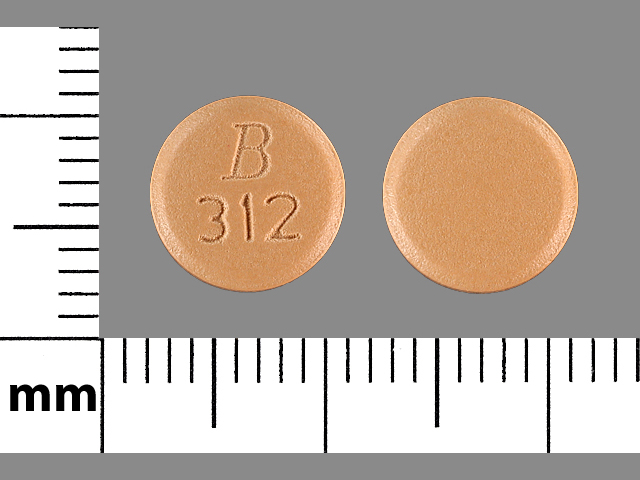
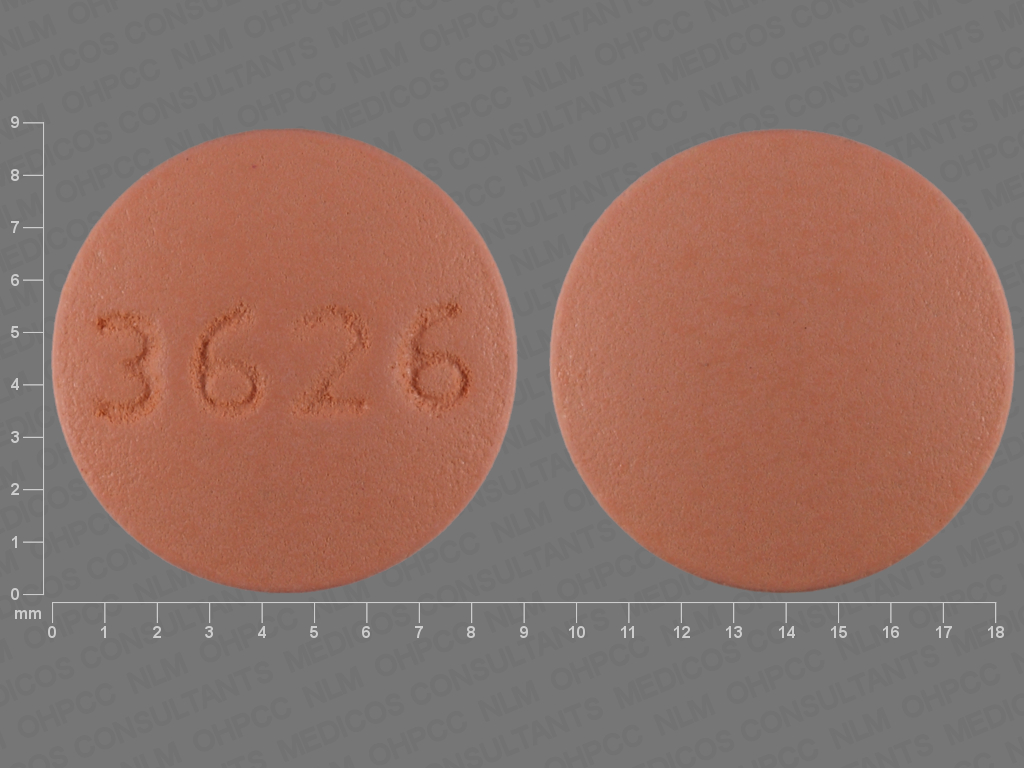
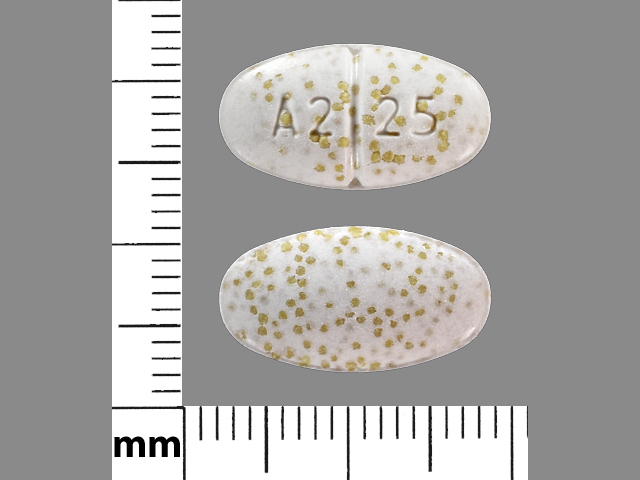
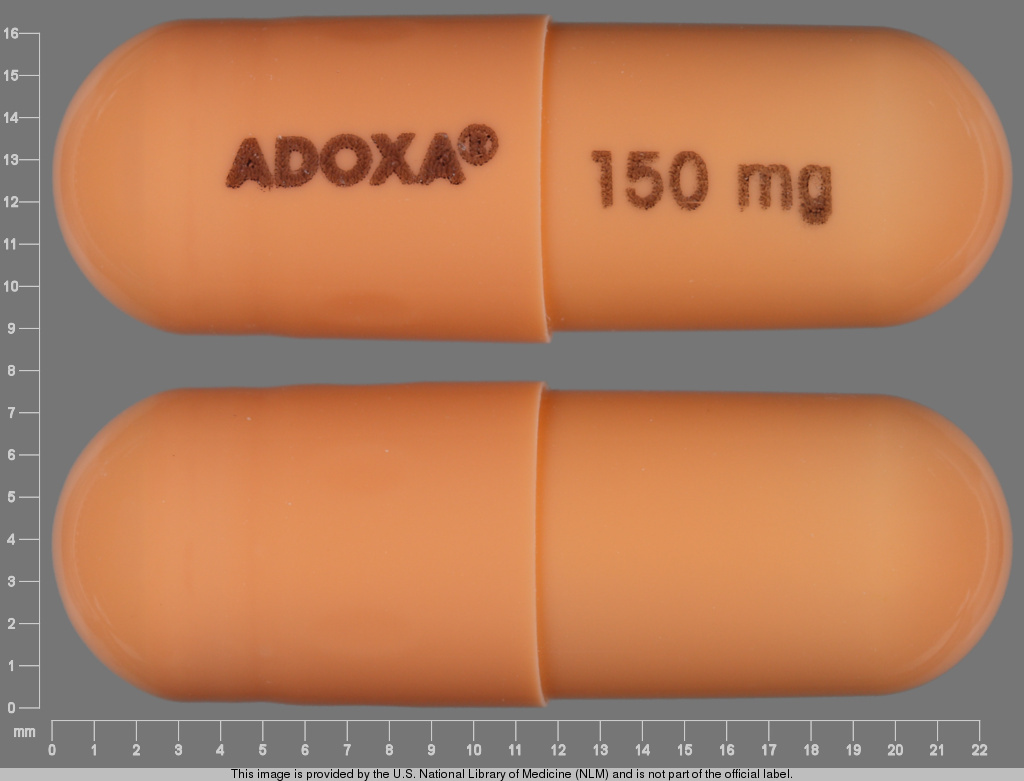
Because so many companies make generic doxycycline, the appearance varies widely. Doxycycline pills can be round, oval or oblong, and range from white or pale yellow to green, blue, orange or two-tone capsules. Many are marked with a manufacturer code, a strength or both. A 573-product listing on this site reflects that variety. Anyone trying to identify a specific pill is best served by comparing the imprint, shape, color and strength against the pharmacy label and consulting a pharmacist. Appearance alone is not a dependable way to confirm a medication, and the look of a refill may change when the pharmacy switches manufacturers.
Dosage and administration
The way doxycycline is taken depends on the infection being treated, the product formulation and the person's age and weight. The prescription label always takes priority over general descriptions such as those below, and a pharmacist can clarify any detail of an individual regimen.
Oral dosing patterns. For many infections in adults, doxycycline is taken once or twice daily. Some regimens begin with a larger first-day amount (a loading dose) and then continue at a lower daily maintenance amount. Short courses of about a week are typical for chlamydia and many respiratory infections. Longer courses lasting several weeks are common for acne, for some tick-borne and chronic infections, and for certain other conditions. Treatment of inhalational anthrax continues for a total of 60 days, with oral therapy replacing injection as early as possible. For syphilis, treatment in penicillin-allergic patients runs for at least ten days to several weeks, depending on the stage of the infection. When doxycycline is used to prevent malaria, it is typically started a day or two before entering a malaria area, taken daily while there, and continued for four weeks after leaving, which is longer than many people expect.
Anti-inflammatory products. The 20 mg tablet for periodontitis is generally taken twice daily and the 40 mg delayed-release capsule for rosacea is generally taken once daily in the morning. These are not interchangeable with ordinary antibiotic-strength doxycycline, and they are not intended to treat infection.
Taking the medicine. Doxycycline tablets and capsules are usually swallowed with a full glass of water, and people are generally advised to remain upright for a while afterward, not to take a dose immediately before lying down. This reduces the chance that a pill lodges in the esophagus, where doxycycline can cause painful irritation and even ulcers. Doxycycline can be taken with food or milk to ease nausea, and unlike older tetracyclines it is still absorbed well when taken that way, although dairy products and other calcium-rich foods do modestly lower absorption. Delayed-release and coated products are designed to be swallowed whole and not crushed or chewed, unless the label says that a specific tablet may be split. Some larger tablets are scored for that purpose. Oral suspension should be shaken and measured with a proper dosing device rather than a household spoon.
Spacing from minerals. Doxycycline binds to calcium, magnesium, aluminum, iron and zinc in the gut, forming complexes that are poorly absorbed. Antacids, iron supplements, multivitamins with minerals and similar products are usually taken several hours before or after doxycycline. Product-specific spacing instructions are on the label or can be provided by the pharmacist.
Finishing the course. Antibiotic courses are generally continued for the full prescribed length, even when symptoms improve, unless a prescriber says otherwise. Labeling for injectable doxycycline notes that therapy is usually continued for at least 24 to 48 hours after symptoms and fever have subsided. A missed dose is generally taken when remembered unless it is almost time for the next one; doses are not doubled up. A pharmacist can help with the details for a particular product.
Injectable doxycycline. Doxycycline hyclate for injection is given by slow intravenous infusion in a healthcare setting when oral treatment is not suitable, for example in a patient who is vomiting or very ill. The label notes that the usual daily amount is far smaller than that of other tetracyclines and that exceeding the recommended dosage can increase side effects. Infusions generally last one to four hours, and rapid administration is avoided. Prolonged intravenous therapy can lead to thrombophlebitis (inflammation of the vein). The solution must not be injected into a muscle or under the skin, and care is taken to prevent leakage into surrounding tissue. Oral therapy is substituted as soon as it is possible.
Weight-based dosing in children. For children under 45 kg, doxycycline is dosed by body weight, often divided into two daily doses. For severe or life-threatening infections such as Rocky Mountain spotted fever or anthrax, the labeling describes a weight-based regimen given every 12 hours. For less severe illness in children over 8 years old, it describes a larger first-day amount followed by a smaller maintenance amount. Children weighing 45 kg or more generally receive the adult dose.
Warnings
Effects on developing teeth and bones. Tetracyclines can become incorporated into developing teeth and bones. Use during the last half of pregnancy and in early childhood up to about age 8 may cause permanent yellow-gray-brown tooth discoloration and enamel hypoplasia (thin or underdeveloped enamel). This effect is most associated with repeated or long courses of older tetracyclines. Doxycycline binds calcium less strongly, so staining appears to be less likely, but the class warning remains in the labeling. Tetracyclines also cross the placenta, and temporary slowing of bone growth has been seen in premature infants.
Clostridioides difficile-associated diarrhea. Nearly all antibiotics, including doxycycline, can disturb the normal gut bacteria and allow C. difficile to overgrow. This can cause anything from mild diarrhea to severe, life-threatening inflammation of the colon, and it can appear during treatment or even a couple of months after the last dose. Watery or bloody stools, persistent diarrhea and abdominal cramping with fever are reasons to contact a healthcare provider promptly, and anti-diarrheal medicines are generally not used until a clinician has weighed in.
Intracranial hypertension. Rarely, tetracyclines can raise the pressure of the fluid surrounding the brain, a condition called pseudotumor cerebri or idiopathic intracranial hypertension. It has been reported mostly in women of childbearing age, and in those with obesity or a history of the condition. Symptoms can include persistent headache, blurred or double vision, temporary vision loss, and a whooshing sound in the ears. Vision changes need urgent medical attention because untreated pressure can damage the optic nerve. The risk may be higher when doxycycline is combined with vitamin A derivatives such as isotretinoin, which is why that combination is generally avoided.
Severe skin and allergic reactions. Stevens-Johnson syndrome and toxic epidermal necrolysis, which cause painful blistering and peeling of skin and mucous membranes, have been reported with doxycycline, though they are rare. Other serious hypersensitivity reactions include anaphylaxis, serum sickness, and drug reaction with eosinophilia and systemic symptoms (DRESS), which can present with rash, fever, swollen glands and organ involvement. A widespread rash with blistering, mouth sores or fever warrants immediate medical evaluation.
Photosensitivity. Doxycycline makes skin unusually sensitive to ultraviolet light. Exaggerated sunburn, sometimes with blistering, can occur after relatively brief exposure to sun or tanning beds, and nails can lift away from the nail bed (photo-onycholysis). Sun protection with clothing, hats and broad-spectrum sunscreen is commonly recommended during treatment and for a period after. This is particularly relevant for travelers who take doxycycline for malaria prevention in sunny climates.
Esophageal injury. Doxycycline is among the medicines most often linked to pill-induced esophagitis, particularly when a capsule or tablet is swallowed with little water or just before lying down. Pain on swallowing, chest pain or the feeling that a pill is stuck can signal this problem.
Liver, pancreas and kidney effects. Liver toxicity, including hepatitis, has been reported, and pancreatitis has occurred rarely. Tetracyclines can also cause an anti-anabolic effect that raises blood urea nitrogen; this matters mainly in people with significant kidney impairment, though doxycycline is less likely than other tetracyclines to cause trouble. Unusual fatigue, yellowing of the skin or eyes, dark urine or severe stomach pain should be reported.
Autoimmune and blood effects. Lupus-like reactions and, rarely, changes in blood counts such as low white cells or platelets have been reported with tetracyclines. Long-term use, such as for acne, can occasionally be associated with these effects, and clinicians sometimes check lab work during extended treatment.
Superinfection and resistance. Prolonged treatment may allow non-susceptible organisms, including yeast, to overgrow, leading to oral thrush or vaginal yeast infections. If an infection does not improve as expected, a clinician may reconsider the diagnosis or test for resistant bacteria. Doxycycline treatment of syphilis and other sexually transmitted infections typically involves follow-up testing and attention to partners, as clinicians direct.
Other considerations. Oral doxycycline can cause dizziness or headache in some people, so caution is reasonable until it is clear how a person reacts. Some products contain sulfites or other excipients that may matter to people with specific sensitivities, and those details are on the product label.
Contraindications
The labeling lists a single formal contraindication: a history of hypersensitivity to any tetracycline antibiotic, including doxycycline, minocycline and tetracycline itself. Clinicians also treat several situations with particular care, even though they are not absolute contraindications. These include pregnancy, breastfeeding, young children, a history of intracranial hypertension, significant liver disease, active esophageal problems, and use alongside certain interacting medicines such as isotretinoin.
Side effects
Common effects. Gastrointestinal complaints are the most frequent: nausea, vomiting, upset stomach, loss of appetite, and diarrhea. Taking the medicine with food and a full glass of water usually helps, and delayed-release or monohydrate products are often chosen specifically because they tend to be gentler on the stomach. Sun sensitivity and skin rash are also common. Some people notice vaginal itching or discharge caused by yeast, or a sore mouth or tongue.
Less common effects. Headache, dizziness, difficulty swallowing, mouth ulcers, changes in taste, and ringing in the ears are occasionally reported. Women may have yeast infections. Some people develop darkened skin or nail discoloration, and long-term tetracycline use has been linked in rare cases to pigmentation in the skin, thyroid tissue and other sites.
Serious effects. These are uncommon but need prompt medical attention: severe or persistent diarrhea, signs of a serious skin reaction (blistering, peeling, mouth sores), facial swelling or trouble breathing, severe headache with vision changes, painful or difficult swallowing, yellowing of the skin or eyes, severe abdominal pain, or unusual bruising and bleeding. Tooth discoloration and enamel problems are primarily a concern with use during tooth development.
Side effect reports can also be made to the FDA through its MedWatch program, and a pharmacist or prescriber can discuss which reactions are expected and which are not.
Drug interactions
Doxycycline interacts with many substances, mostly through reduced absorption or through effects on the liver's drug-metabolizing system. A pharmacist can check a complete medication list, including supplements and non-prescription products.
- Antacids and mineral products. Products containing aluminum, calcium or magnesium (including many antacids and some laxatives), iron supplements, zinc, and multivitamins with minerals bind doxycycline and can substantially reduce how much is absorbed. Bismuth subsalicylate, the ingredient in some stomach remedies, can have the same effect. Spacing these products apart from doxycycline is a standard precaution. The drug quinapril is formulated with magnesium and may also reduce tetracycline absorption.
- Bile acid binders and sucralfate. Cholestyramine, colestipol and sucralfate can bind doxycycline in the gut, and timing is usually separated.
- Anticoagulants. Tetracyclines can depress plasma prothrombin activity, so people taking warfarin may need closer monitoring of their INR and possibly a downward adjustment of the anticoagulant dose.
- Penicillins and related antibiotics. Bacteriostatic drugs such as doxycycline may interfere with the bactericidal action of penicillin. The label advises avoiding combined use of tetracycline and penicillin when possible, and clinicians consider this when choosing treatment for serious infections.
- Enzyme-inducing medicines. Barbiturates, carbamazepine and phenytoin shorten the half-life of doxycycline, which can lower its effective levels. Rifampin and long-term heavy alcohol use have been associated with similar effects.
- Isotretinoin and other retinoids. Combining oral vitamin A derivatives with tetracyclines can increase the risk of intracranial hypertension, so the pairing is usually avoided.
- Methoxyflurane. Use of tetracyclines with this anesthetic (formerly sold as Penthrane) has been reported to cause fatal kidney toxicity.
- Oral contraceptives. The label states that tetracyclines may render oral contraceptives less effective. Evidence for a real effect with doxycycline is limited and mixed, but many prescribers still suggest a backup method during treatment, particularly if vomiting or diarrhea occurs.
- Live oral typhoid vaccine. Antibiotics can reduce the effectiveness of this vaccine, so the timing of vaccination relative to the antibiotic course matters.
- Other medicines. Methotrexate toxicity can be increased by some tetracyclines, and doxycycline may raise levels of certain drugs such as ciclosporin or digoxin in some people. A pharmacist can flag these if relevant.
Dairy products and calcium-fortified foods can lower absorption modestly, although doxycycline is much less affected by food than older tetracyclines. Alcohol does not directly interact in the way it does with some antibiotics, but heavy chronic use may reduce doxycycline levels and adds to stomach irritation.
Pregnancy and breastfeeding
Doxycycline is generally avoided during pregnancy. Tetracyclines cross the placenta and can be deposited in the developing teeth and bones of the fetus, with potential for tooth discoloration and slowed bone growth, and other antibiotics are usually preferred for the infections doxycycline commonly treats. In rare circumstances, for instance a life-threatening rickettsial infection or anthrax exposure, clinicians may judge that the benefit of doxycycline outweighs the risk and use it for a short course. For malaria prevention in pregnancy, other approaches are usually chosen. Anyone who is pregnant, trying to become pregnant, or who discovers a pregnancy while taking doxycycline should discuss it with a healthcare provider.
Doxycycline passes into breast milk in small amounts. Calcium in milk is thought to limit how much the infant absorbs, and short courses are considered acceptable by some authorities, while long-term use is less well studied and generally approached with more caution. Decisions about nursing during treatment are best made with the prescriber or pharmacist, who can weigh the infant's age and the length of therapy.
Pediatric use
Because of the tooth-staining concern, tetracyclines were historically avoided in children younger than 8 years. Current guidance from pediatric infectious disease authorities recognizes that doxycycline is the treatment of choice for suspected Rocky Mountain spotted fever and other serious rickettsial diseases at any age, since delayed treatment can be dangerous and short courses carry little staining risk. It is also used in children for anthrax exposure and, in selected cases, for other serious infections. Outside such situations, doxycycline is usually reserved for children older than 8 years. In older children and adolescents it is also a common treatment for acne, Lyme disease and chlamydia. Pediatric dosing is based on body weight until a child reaches 45 kg. Oral suspension and tablets that can be divided are often used for younger patients. Safety and effectiveness of the injectable form in children under 8 have not been fully established.
Older-adult use
Studies of doxycycline have not shown that older adults need a different dose than younger adults. Several features make it a reasonable option in older age: it does not require adjustment for reduced kidney function, and it is not as strongly tied to the heart-rhythm and tendon problems of some other antibiotic classes. At the same time, older adults often take multiple medicines, increasing the chance of interactions with warfarin, antacids, iron or calcium supplements and certain anticonvulsants. Difficulty swallowing, or taking pills while lying down or with little fluid, raises the risk of esophageal irritation. Older adults are also more vulnerable to the consequences of C. difficile infection and dehydration from diarrhea, so persistent loose stools deserve prompt attention.
Kidney and liver impairment
Doxycycline is eliminated both through the kidneys and through the intestine, where it is excreted in a largely inactive form. For this reason, studies cited in the labeling indicate that usual doses do not cause excessive accumulation of the antibiotic in people with impaired kidney function, and doxycycline is often favored over other tetracyclines in that setting. Dialysis does not meaningfully alter its half-life. Even so, prescribers may monitor people with severe kidney disease more closely, since the class-wide anti-anabolic effect can raise blood urea nitrogen.
In liver impairment, doxycycline is used with caution. It has been associated with liver injury, and tetracyclines should be used carefully, with lab monitoring where appropriate, in people with existing liver disease or those taking other medicines that can harm the liver. Higher-than-recommended doses are a particular concern. Anyone with liver or kidney disease should ensure the prescriber and pharmacist are aware of it before starting doxycycline.
Overdose
Serious toxicity from a single excess dose of doxycycline is uncommon. The labeling advises that in an overdose the medication be discontinued, symptoms be treated, and supportive measures be started. Dialysis does not alter serum half-life and would not help. Nausea, vomiting and abdominal discomfort are the likeliest effects. Taking calcium- or magnesium-containing antacids or milk soon after an overdose may bind some of the drug in the gut, although a clinician should direct this. Anyone who has taken more than intended should contact a poison control center or emergency service for guidance.
Storage and handling
Doxycycline tablets and capsules are generally kept at room temperature in a tightly closed container, away from moisture, heat and bright light. Compounded or reconstituted oral suspensions often have a limited shelf life and special storage instructions, sometimes including refrigeration, so the pharmacy label should be followed. Expired tetracyclines should not be used, since degraded tetracycline products have historically been linked to kidney problems. Unused medicine can be returned through a pharmacy take-back program. Injectable vials are protected from light and diluted by healthcare staff under controlled conditions.
Alternatives and related medicines
Other tetracycline-class antibiotics include minocycline, tetracycline, and the newer agents sarecycline (used for acne) and omadacycline. For many infections, doxycycline may be replaced by azithromycin, amoxicillin, or a fluoroquinolone such as levofloxacin, depending on the organism and the person's allergy history. For malaria prevention, alternatives include atovaquone-proguanil and mefloquine. Whether a substitute is appropriate depends on local resistance patterns, the site of the infection and each person's health profile, which is why the choice rests with the prescriber. The National Institutes of Health provides additional background on antibiotic resistance and appropriate antibiotic use.