Overview
Levothyroxine is a synthetic version of thyroxine, also called T4, the main hormone produced by the thyroid gland. It is one of the most frequently prescribed medications in the world. People most often take it because the thyroid gland does not make enough hormone on its own, a condition called hypothyroidism. It is commonly sold under brand names such as Synthroid, Levoxyl, Levo-T, Unithroid and Euthyrox, and it is also widely dispensed as a generic product labeled simply as levothyroxine sodium. The drug is usually taken for a very long time, often for life, and it works best when the dose is matched carefully to the individual and checked with periodic blood tests.
This page explains what levothyroxine is, how it works, how the tablets are typically identified, how it is usually taken, and what is known about its warnings, side effects, interactions and use in special groups such as pregnant people, children and older adults. It is meant to help you understand the medication and prepare questions for a pharmacist or prescriber. It does not replace their guidance about your own treatment.
Drug class and how it works
Levothyroxine belongs to the class of thyroid hormone replacement medicines. Chemically it is the sodium salt of L-thyroxine, which is identical in structure to the T4 hormone the human thyroid produces. This is why the medication is considered replacement therapy rather than a stimulant or a drug that acts on foreign targets in the body.
T4 is best thought of as a prohormone. After it is absorbed from the small intestine into the bloodstream, most of it travels bound to carrier proteins. Tissues such as the liver, kidneys and muscles then convert part of it into triiodothyronine (T3), the more biologically active form, by removing one iodine atom. T3 enters cells and attaches to thyroid hormone receptors in the cell nucleus. These receptors help control DNA transcription, which means they influence which genes are switched on and how much protein the cell makes. Through this pathway, thyroid hormone sets the pace of the body's metabolism. It affects:
- how quickly cells use energy and produce heat
- heart rate and the force of heart contractions
- the speed of digestion
- brain development in infants and mental sharpness in adults
- the growth and maturation of bones in children
- cholesterol handling in the liver
Because the body converts T4 to T3 as needed, a steady daily supply of levothyroxine can restore normal levels of both hormones in most people. This is the rationale for the single-hormone approach that most treatment guidelines favor. Other thyroid preparations exist, including liothyronine (synthetic T3) and desiccated thyroid extracts made from animal glands, but levothyroxine is the standard first-line choice because of its long half-life, predictable potency and consistent manufacturing.
The elimination half-life of levothyroxine is roughly a week in people with normal thyroid function, and it is somewhat longer in people with an underactive thyroid. This long half-life explains several practical features of the drug. A single missed dose usually has little immediate effect, once-daily dosing is enough, and it takes several weeks after any dose change for blood levels to settle into a new steady state. The effects of treatment also build slowly. Many people notice gradual improvement in energy and other symptoms over weeks rather than days.
Uses
Levothyroxine sodium tablets are approved by the FDA for two main purposes.
Hypothyroidism. Levothyroxine is used as replacement therapy in primary hypothyroidism (the thyroid gland itself is underactive), secondary hypothyroidism (the pituitary gland does not send enough thyroid-stimulating signal) and tertiary hypothyroidism (the hypothalamus is the source of the problem). The condition may be congenital, present from birth, or acquired later in life. In adults, the most common cause in many countries is Hashimoto's thyroiditis, an autoimmune condition in which the immune system gradually damages the thyroid. Other causes include thyroid surgery, radioactive iodine treatment for an overactive thyroid, radiation to the neck, certain medicines, and, in parts of the world, long-standing iodine deficiency. Typical symptoms of untreated hypothyroidism include tiredness, feeling cold, constipation, dry skin, weight gain, hair thinning, slowed thinking, low mood, muscle aches and heavier menstrual periods.
Thyroid cancer (TSH suppression). Levothyroxine is also used as an adjunct to surgery and radioactive iodine therapy in the management of thyrotropin-dependent, well-differentiated thyroid cancer. In this setting the goal differs from simple replacement. The dose may be set higher so that the pituitary gland produces less thyroid-stimulating hormone (TSH), because TSH can encourage the growth of certain thyroid cancer cells. How strongly TSH is suppressed depends on the cancer's risk category and on the specialist's judgment, and the intensity of suppression is often relaxed over time in people with a low risk of recurrence.
There are also situations in which levothyroxine is not intended to be used. It is not indicated for benign thyroid nodules or nontoxic goiter in people who get enough iodine, and it is not intended for hypothyroidism that occurs temporarily during recovery from subacute thyroiditis, since the gland may recover by itself. It is not an approved treatment for obesity or weight loss in people with normal thyroid function (see the Warnings section).
Some clinicians also prescribe levothyroxine for subclinical hypothyroidism, a state in which TSH is mildly raised while thyroid hormone levels remain in the normal range. This decision is individualized and depends on the TSH level, the presence of thyroid antibodies, symptoms, age, pregnancy plans and cardiovascular risk. Not everyone with a mildly elevated TSH needs treatment, and guidelines often recommend repeating the test before deciding.
Identifying levothyroxine tablets
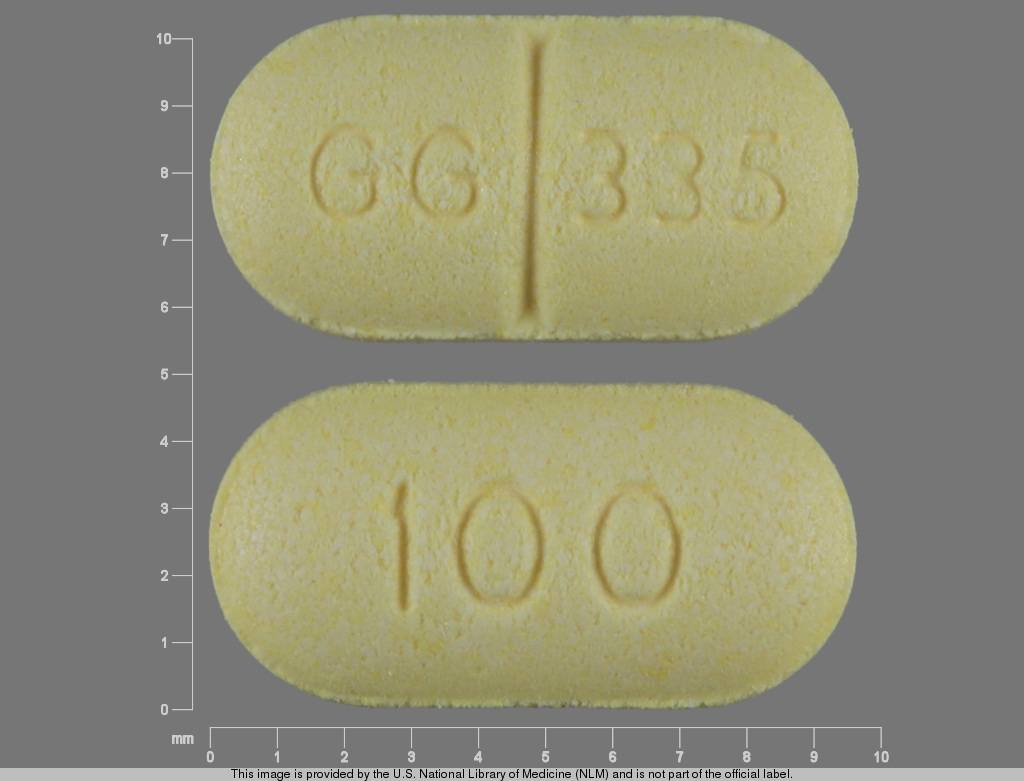
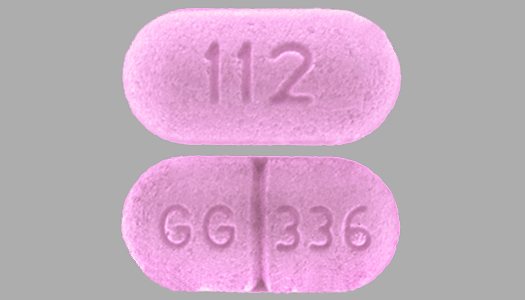
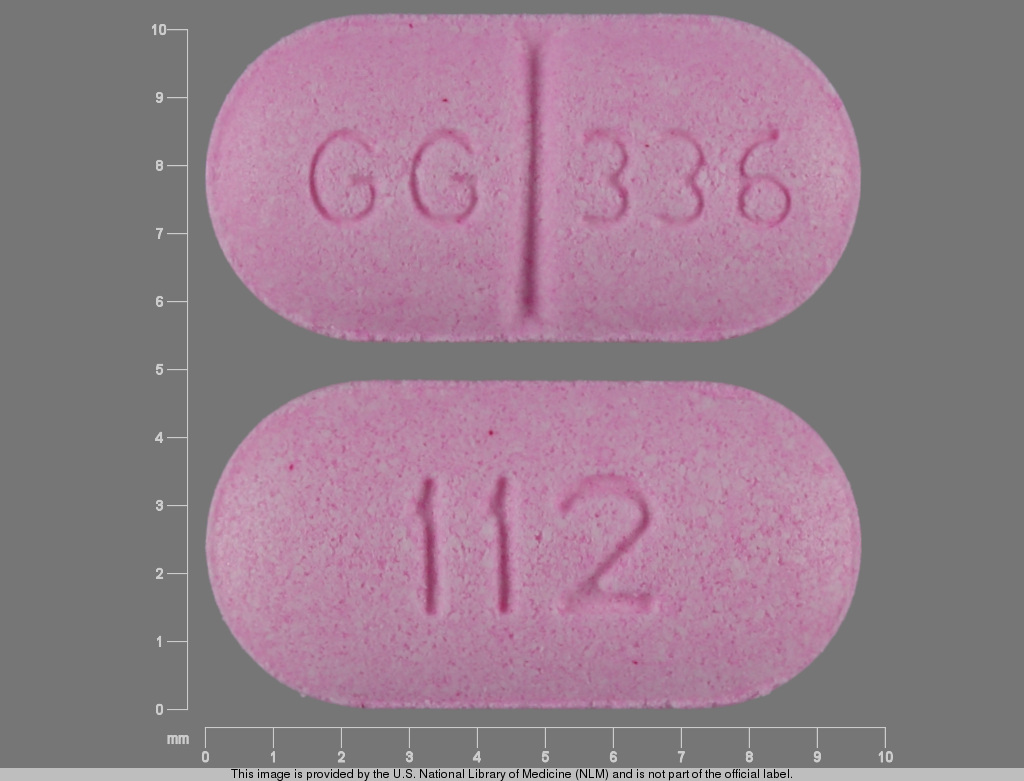
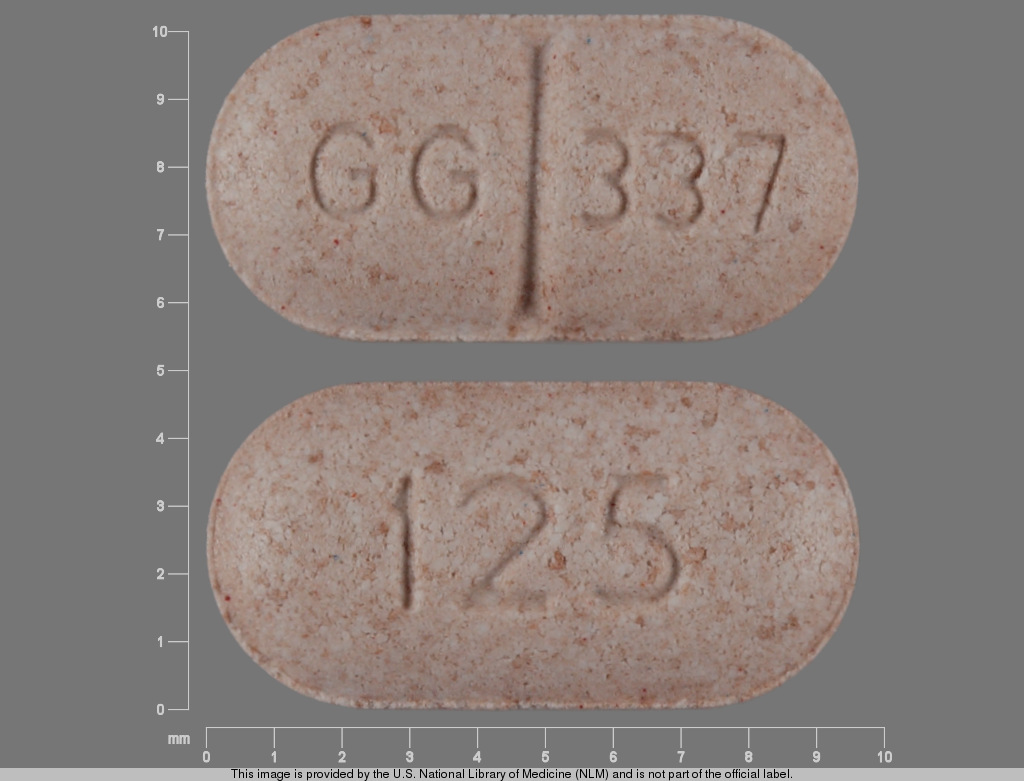
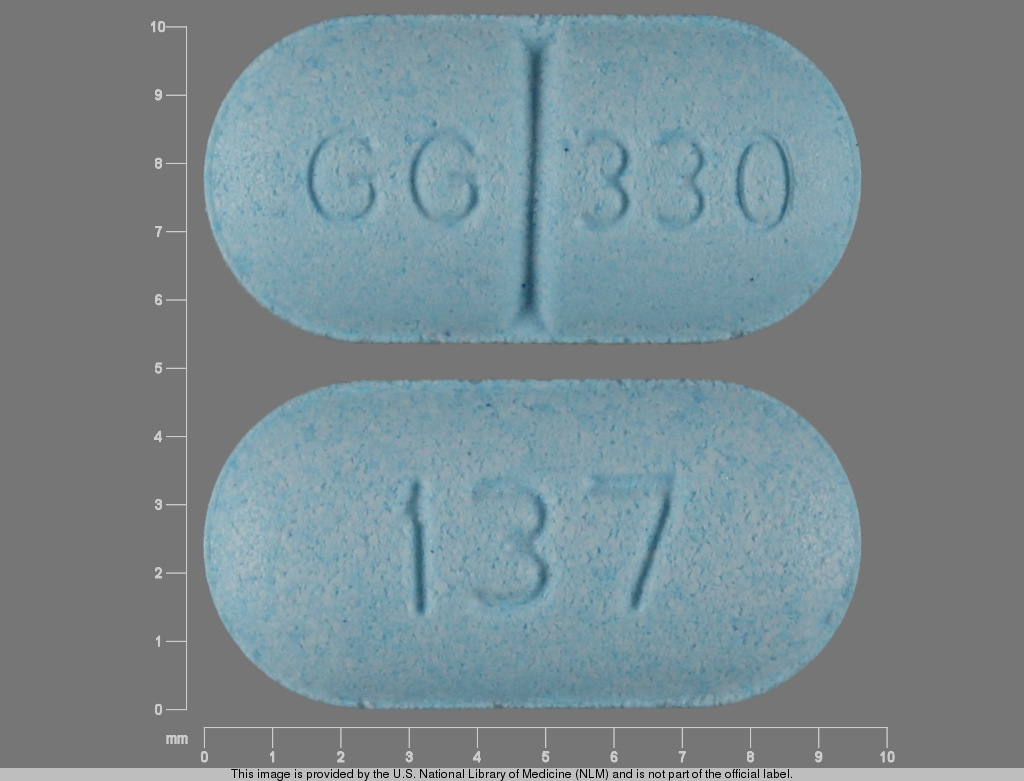
Reference data on file lists hundreds of distinct levothyroxine pill listings, because the medication is made by many manufacturers and is sold under several brand names as well as generic labels. Appearance therefore varies. Tablets differ in shape (round, oval or capsule-shaped), in imprint, and in whether they are scored. The following general features may help with identification:
- Color by strength. Levothyroxine tablets follow a widely used color convention that links color to strength. Typical colors include orange for the lowest common strength, white, violet, olive, yellow, rose, brown, turquoise, blue, lilac, pink and green for the highest. Although this scheme is largely consistent across brand-name products and many generics, it is not a legal guarantee for every manufacturer, so color alone should never be treated as proof of strength.
- Imprint codes. Most tablets are debossed with a brand name, a manufacturer logo or code, and sometimes a number or letters indicating strength. A pharmacist or an imprint search tool can match these to a specific product.
- Dosage form. The common form is an oral tablet. A powder form of the active ingredient also appears in drug databases, but this refers to the raw material used by manufacturers and compounding facilities rather than something dispensed for home use in this format. Levothyroxine is also made as soft-gel capsules, an oral solution and an injectable form for hospital use, but those are separate products from the tablets described on this page.
If a refill looks different from the previous one, for example a change of color shade, shape or imprint, this often reflects a switch to a different manufacturer. It is reasonable to ask the pharmacist to confirm that the strength is unchanged. Because even small differences between products can matter for people whose levels are tightly controlled, many prescribers prefer that a person stay on the same brand or manufacturer where possible, and may recheck blood tests after a switch.
Dosage and administration
Levothyroxine is taken by mouth, usually as a single tablet once daily. It is available as a tablet in a wide range of strengths, from 25 micrograms (0.025 mg) up to 300 micrograms (0.3 mg), with intermediate strengths including 50, 75, 88, 100, 125, 137, 150, 175 and 200 micrograms. Data on file also lists 0.175 mg and 0.2 mg, which are simply the same 175 and 200 microgram strengths expressed in milligrams, as well as a raw-material powder entry. The many small steps between strengths exist because the drug has a narrow therapeutic index. Fine adjustments of dose can noticeably change how a person feels and what their blood tests show.
How the dose is chosen. There is no single standard dose. Prescribers usually consider body weight, age, the cause and severity of the thyroid problem, how much natural thyroid function remains, other health conditions (particularly heart disease), pregnancy status and other medicines. In general terms:
- A person with otherwise good health and a full need for replacement may be started on a weight-based amount aimed at replacing the hormone the gland no longer makes.
- Older adults and people with coronary artery disease or other heart conditions are typically started on a much lower amount and increased gradually, to avoid putting extra strain on the heart.
- People with mild hypothyroidism or some residual thyroid function may need less than those who have had the thyroid removed.
- People treated for thyroid cancer may be kept on higher amounts to suppress TSH, based on specialist advice.
Adjustment and monitoring. The main blood test used to guide therapy in primary hypothyroidism is TSH. Because the body takes weeks to reach a new balance after a change, TSH is usually rechecked roughly six to eight weeks after starting treatment or changing the dose. Once the level is stable, testing usually becomes less frequent, often about once a year, unless symptoms, weight, pregnancy, new medicines or other factors change. In secondary or tertiary hypothyroidism, TSH is not a reliable guide because the pituitary or hypothalamus is itself impaired, so clinicians rely on free T4 levels and clinical assessment instead.
Timing with food and other products. Absorption of levothyroxine is affected by what is in the stomach and intestine. Typically, the tablet is taken with a full glass of water on an empty stomach, commonly thirty to sixty minutes before breakfast. Some people take it at bedtime, at least a few hours after the last meal, and studies suggest this can work comparably for some individuals, although the usual recommendation is the morning routine. What matters most is consistency, taking it the same way each day so that absorption stays predictable. Certain items reduce absorption and are commonly separated from the dose by several hours. These include calcium and iron supplements, antacids that contain aluminum, magnesium or calcium, and bile acid binders. Coffee taken at the same time as the tablet, soy products, high-fiber foods and grapefruit juice have also been reported to alter absorption in some people.
Tablet handling. Some levothyroxine tablets, such as Levoxyl, can swell quickly and may cause choking or gagging if they stick in the throat, so the label recommends taking them with a full glass of water. For infants and young children who cannot swallow tablets, the tablet is typically crushed and mixed with a small amount of water (or sometimes breast milk or non-soy formula) and given right away by spoon or dropper. Mixing it into a large volume of liquid or food is generally avoided because the child may not finish it. Tablets should not be mixed with soybean-based infant formula, which can interfere with absorption.
Missed doses. Because of the drug's long half-life, missing a single dose is usually not an emergency. General label guidance is to take a missed dose as soon as it is remembered on the same day, and not to double up the next day without advice. Some prescribers allow a person to make up several missed doses over a week. A pharmacist can say what applies in a particular case.
Brand and generic switching. Levothyroxine products are all expected to deliver the same labeled amount of hormone, and many are considered therapeutically equivalent by the FDA. Even so, small differences in inactive ingredients and manufacturing can matter in people with a very narrow target range. For this reason, people are often encouraged to tell their prescriber when their pharmacy changes the product, so that follow-up testing can be arranged if needed.
Warnings and precautions
Levothyroxine is generally well tolerated when the dose matches the body's needs, but the amount of thyroid hormone in the body matters a great deal. Both too much and too little can cause problems. The main warnings are as follows.
Not for weight loss. Thyroid hormones, including levothyroxine, are not approved for treating obesity or promoting weight loss. In people with normal thyroid function, the amounts that might affect weight can produce serious, even life-threatening, toxicity. Mild weight changes may occur when hypothyroidism is corrected, mostly through loss of fluid and a return toward normal metabolism, but this is different from using the drug as a diet aid.
Heart effects. Excess thyroid hormone raises heart rate and increases the heart's workload. Over-treatment can lead to a faster pulse, thickening of the heart wall, stronger contractions, angina and abnormal rhythms such as atrial fibrillation. These risks are of particular concern in older adults and in people with existing heart disease, which is why starting doses are lower and increases are slower in these groups. Anyone who develops chest pain, a racing or irregular heartbeat or unusual breathlessness while taking levothyroxine should seek prompt medical attention.
Myxedema coma. Myxedema coma is a rare, life-threatening state of severe, advanced hypothyroidism with confusion, low body temperature, low blood pressure and slowed breathing. Oral levothyroxine is not appropriate for treating it. It requires emergency hospital care with intravenous thyroid hormone, because absorption through the gut cannot be relied on in this state.
Adrenal insufficiency. In people whose adrenal glands are not producing enough cortisol, starting thyroid hormone can speed up the breakdown of cortisol and precipitate an adrenal crisis. For this reason, adrenal insufficiency is usually treated with glucocorticoids (such as hydrocortisone) before levothyroxine is started.
Narrow therapeutic index. The range between too little and too much is small. Under-treatment can leave symptoms of hypothyroidism in place, and in children can affect growth, school performance and development. Over-treatment can produce symptoms of hyperthyroidism and, over time, effects on the heart, bones, metabolism and cognition. Regular blood tests are the main protection against both.
Diabetes. Correcting hypothyroidism can raise the body's use of glucose and may worsen blood sugar control in people with diabetes. Doses of insulin or oral antidiabetic medicines such as metformin sometimes need adjusting when levothyroxine is started, changed or stopped, and blood sugar is usually monitored more closely during this time.
Bone health. Long-term over-replacement increases bone breakdown and can contribute to loss of bone density and fractures. This matters especially for postmenopausal women and for anyone given TSH-suppressive doses for thyroid cancer. Prescribers often aim for the lowest dose that achieves the needed effect, and may consider bone density monitoring or calcium and vitamin D intake in higher-risk people.
Contraindications. Levothyroxine should not be used by people with uncorrected adrenal insufficiency. The label also notes that it should not be used in thyrotoxicosis of any cause (a state of excess thyroid hormone), and that people who have had an allergic reaction to the active ingredient or any inactive ingredient in the tablet should avoid that product. Dyes in tablets differ by strength, which matters for people with a specific dye sensitivity, and the pharmacist can check the ingredient list.
Other conditions needing caution. Extra care is given to people with coronary artery disease, heart failure, hypertension, a history of arrhythmias, diabetes, osteoporosis, long-standing untreated hypothyroidism (where the body is especially sensitive to the hormone), and conditions that affect absorption such as celiac disease, inflammatory bowel disease, or a history of gastric surgery. Some people with persistently high TSH despite apparently adequate dosing turn out to have an absorption problem, adherence challenges, or an interacting product, and these are worth discussing with a clinician rather than simply raising the dose.
Biotin and lab tests. High-dose biotin supplements, often found in hair and nail products, can interfere with some laboratory immunoassays and produce misleading thyroid test results. Anyone having thyroid tests may be asked to pause biotin beforehand and should mention supplements to the clinic.
Side effects
When the dose is right, many people experience few or no side effects, because the medicine simply restores a hormone the body needs. Most adverse reactions reflect too much thyroid hormone, which is effectively a state of hyperthyroidism caused by over-treatment. Reported effects include the following, grouped by body system.
- General: fatigue, weight loss, heat intolerance, fever and excessive sweating.
- Nervous system: headache, nervousness, anxiety, difficulty sleeping, irritability and tremor.
- Heart and circulation: palpitations, a fast heartbeat, arrhythmias, angina and, in susceptible people, heart attack.
- Digestive: diarrhea, vomiting and abdominal cramps, and sometimes an increased appetite.
- Other: muscle weakness, shortness of breath, hair loss, and menstrual irregularities.
Partial hair loss is a recognized effect that is most often seen in the first few months of treatment, particularly in children, and usually settles with time. Allergic reactions to the active ingredient are uncommon but can occur, and reactions to dyes or other inactive ingredients in a specific tablet strength have been reported. Signs of a serious allergic reaction, such as swelling of the face, lips or throat, hives or difficulty breathing, need emergency attention.
When to seek advice. Symptoms such as a pounding or irregular heartbeat, chest pain, marked tremor, severe anxiety, heat intolerance or unplanned weight loss may suggest that the dose is higher than the body needs, and a prescriber can review blood tests. On the other hand, a return of tiredness, cold intolerance, constipation or low mood may suggest that the dose is too low or that absorption has changed. Either situation is handled by checking labs, not by self-adjusting tablets.
Children. In pediatric patients, pseudotumor cerebri (raised pressure around the brain, with headaches and vision changes) and slipped capital femoral epiphysis (a hip problem affecting growing bones) have been reported. Early closure of the growth plates (craniosynostosis in infants) can be a concern with over-treatment, so growth and development are monitored.
Overdose. Taking a large amount at once can produce symptoms ranging from restlessness and a rapid heartbeat to, in serious cases, seizures, high fever or abnormal heart rhythms, although the effects may be delayed by hours or days because of how the drug is converted in the body. Anyone who suspects a significant overdose, particularly in a child, should contact a poison control center or emergency service right away.
Drug interactions
Levothyroxine interacts with a large number of other substances. The interactions occur through several mechanisms, and understanding the type helps explain why timing and monitoring matter.
Products that reduce absorption in the gut. These bind levothyroxine or alter stomach conditions so that less reaches the bloodstream.
- Calcium carbonate and calcium-containing antacids or supplements.
- Iron preparations such as ferrous sulfate.
- Aluminum- and magnesium-containing antacids and sucralfate.
- Bile acid sequestrants such as cholestyramine, colestipol and colesevelam.
- Phosphate binders such as sevelamer and lanthanum.
- Proton pump inhibitors such as omeprazole, and other acid-reducing medicines, which may reduce absorption of tablets by raising stomach pH.
- Orlistat, and some bowel-clearing or fiber products.
The usual strategy is to separate these from levothyroxine by several hours, commonly around four, and to have thyroid levels rechecked when a new product is started or stopped.
Medicines that speed up levothyroxine metabolism. Enzyme-inducing drugs such as rifampin, phenytoin, carbamazepine and phenobarbital can increase the breakdown of thyroid hormone, so some people need a higher dose of levothyroxine while taking them.
Medicines that affect thyroid function directly. Amiodarone contains a large amount of iodine and can cause either hypothyroidism or hyperthyroidism. Lithium can suppress thyroid hormone release and can cause hypothyroidism. Some cancer drugs, particularly tyrosine kinase inhibitors such as imatinib and sunitinib, can alter thyroid hormone requirements. Interferon and certain immunotherapies can also trigger thyroid disease.
Medicines whose effects change when thyroid status changes.
- Warfarin: thyroid hormone increases the breakdown of vitamin K-dependent clotting factors, which can intensify the effect of warfarin. The INR is usually monitored more often after levothyroxine is started or adjusted.
- Insulin and oral antidiabetic drugs: as described above, needs may rise as thyroid status normalizes.
- Digoxin: blood levels and the effect of digoxin may be reduced when hypothyroidism is corrected, so dosing can need review.
- Beta-blockers: propranolol and similar drugs can reduce the conversion of T4 to T3 and can mask symptoms of excess thyroid hormone such as a fast pulse.
- Antidepressants: thyroid hormone may increase the effect of tricyclic antidepressants, and sertraline has been reported to increase levothyroxine requirements in some people.
- Sympathomimetics and decongestants: combined effects on heart rate and blood pressure can be amplified.
Estrogens and other hormones. Estrogen-containing products, including oral contraceptives and menopausal hormone therapy, increase levels of thyroxine-binding globulin. This means more of the hormone is bound and inactive, and some people on levothyroxine need a higher dose when they start oral estrogen. Androgens and corticosteroids can reduce binding proteins, and high-dose glucocorticoids can reduce conversion of T4 to T3.
Other thyroid medicines. Levothyroxine is not usually taken together with antithyroid drugs such as methimazole or propylthiouracil, except in specialized regimens (the "block and replace" approach used by some endocrinologists). Taking liothyronine or desiccated thyroid in addition to levothyroxine is sometimes done under specialist supervision but is not standard.
Food and supplements. Soy flour, walnuts, high-fiber foods, grapefruit juice and coffee have all been associated with reduced absorption. Large amounts of iodine or kelp supplements can also affect thyroid function. Anyone starting a new prescription, over-the-counter product or supplement is generally advised to tell the pharmacist that they take levothyroxine, so potential interactions can be reviewed. The MedlinePlus Drug Information pages offer consumer-level summaries that can be a useful companion to this page.
Pregnancy and breastfeeding
Thyroid hormone is essential for a developing baby, particularly for brain development in early pregnancy, before the fetus's own thyroid is working. For this reason, treating hypothyroidism in pregnancy is considered important, and levothyroxine is widely used throughout pregnancy. Untreated or inadequately treated maternal hypothyroidism is associated with a higher risk of miscarriage, preterm birth, preeclampsia, and lower cognitive scores in children.
Pregnancy typically increases the body's need for thyroid hormone, often starting as early as the first few weeks. Rising estrogen raises binding protein levels, and the placenta and growing fetus add demands. Many women with existing hypothyroidism therefore need their dose increased early in pregnancy, and prescribers commonly check TSH every four weeks or so in the first half of pregnancy, then at intervals afterward. Pregnant women often are advised to contact their prescriber as soon as they know they are pregnant, instead of waiting for the next routine appointment. After delivery, requirements usually return toward pre-pregnancy levels, and the dose is typically reviewed again.
Prenatal vitamins often contain iron and calcium, both of which reduce levothyroxine absorption, so timing between the two is an important practical point for pregnant women.
Levothyroxine is present in breast milk only in very small amounts and is generally considered compatible with breastfeeding. The hormone is the same as the one a mother's body would naturally produce, and the amount reaching the infant does not normally affect the baby's thyroid function. Treatment is usually continued during lactation.
Pediatric use
Levothyroxine is used in children of all ages, including newborns. Congenital hypothyroidism is detected through routine newborn screening in many countries, and prompt treatment, ideally within the first couple of weeks of life, is crucial to protect brain development and growth. Children who start treatment early and are monitored closely generally have outcomes in the normal range for development.
Children typically need more levothyroxine per kilogram of body weight than adults, with the highest requirement in infancy, declining gradually through childhood and adolescence. Doses are adjusted frequently in the first years of life because growth is rapid. Monitoring involves blood tests of TSH and free T4, as well as checks of growth, bone age, school performance and development.
Practical points for caregivers include giving the tablet crushed in a small amount of water, avoiding soy formula and iron-fortified mixtures given at the same time as the dose, and being consistent about timing. Over-treatment can lead to irritability, poor sleep, and possibly early fusion of skull bones in infants or accelerated bone maturation. Under-treatment can slow growth and learning. In children, transient hair loss early in therapy is a recognized effect, and pseudotumor cerebri and slipped capital femoral epiphysis have been reported.
In some children, congenital hypothyroidism proves temporary, and a specialist may carefully trial a period without treatment later in childhood. This should only be done under the guidance of a pediatric endocrinologist.
Use in older adults
Older adults are generally more sensitive to the cardiovascular effects of thyroid hormone, and they often have heart disease, atrial fibrillation or osteoporosis. As a result, treatment is typically begun at a low amount and increased in small steps with time between changes, particularly in people with known coronary disease. The goal is to restore thyroid levels gradually without provoking angina, arrhythmia or heart failure symptoms.
Age also changes how the body handles thyroid hormone. The metabolic clearance of thyroxine declines with age, so older adults often require less levothyroxine per kilogram than younger adults. TSH also tends to rise slightly with normal aging, and some guidelines accept a somewhat higher TSH target in very elderly people than would be used in younger adults. Treating mild subclinical hypothyroidism in people over about 70 or 80 has not been shown to provide consistent benefit in large trials, so decisions are usually individualized.
Older adults are also more likely to take multiple medicines and supplements that can interfere with absorption, such as calcium, iron, acid reducers and fiber products. Medication organization, consistent timing and good communication between the person, caregivers, pharmacist and prescriber are especially helpful. Over-replacement is a concern because it can contribute to bone loss and heart rhythm problems, so regular blood tests are an important part of ongoing care.
Kidney and liver impairment
Kidney disease. Levothyroxine itself is not removed mainly by the kidneys, so there is no routine dose reduction for reduced kidney function. However, chronic kidney disease is closely linked with thyroid problems. Hypothyroidism is more common in people with kidney disease, and thyroid hormone levels can be altered by the illness itself. People with kidney disease may also take phosphate binders such as sevelamer or calcium-based products, which interfere with levothyroxine absorption. Careful timing and periodic TSH checks are therefore especially useful. In nephrotic syndrome, protein loss in the urine can include thyroid-binding proteins, which may change laboratory results.
Liver disease. The liver plays a role in binding proteins and in converting T4 to T3 and clearing thyroid hormone. Severe liver disease can change blood levels of binding proteins and alter the pattern of thyroid test results, which can make interpretation more complex. Levothyroxine is not known to cause liver injury in typical use. There is no standard dose adjustment, but dosing is usually guided by TSH and clinical response, with attention to other medicines affected by liver function. Thyroid status itself may influence how the body processes many other drugs, which is another reason for consistent monitoring.
Storage and handling
Levothyroxine tablets are typically stored at room temperature, in a tightly closed container, away from excess heat, light and moisture. Keeping the tablets in their original packaging helps preserve potency and allows the strength and manufacturer to be identified later. Bathroom cabinets, where humidity is higher, are not ideal storage places. As with any medication, tablets should be kept out of the reach of children, and unused or expired tablets can usually be disposed of through a pharmacy take-back program. People who use pill organizers sometimes find it useful to keep the original container as well, in case the appearance of a tablet needs to be checked.
Long-term outlook and monitoring
Levothyroxine replacement is generally a long-term therapy. For most people with permanent hypothyroidism, the need does not go away, and stopping medication without medical direction usually leads to the return of symptoms over weeks to months as stored hormone is gradually depleted. With a well-matched dose and periodic monitoring, most people can expect their symptoms and blood tests to be well controlled. Lab targets vary by person, and the aim is typically to bring TSH into the reference range while avoiding symptoms of over- or under-treatment.
Things that can prompt a change in dose over time include weight gain or loss, pregnancy, menopause, starting or stopping estrogen, changes in other medicines or supplements, gastrointestinal illness or surgery that affects absorption, and aging. People sometimes find that they feel unwell even when their TSH is in range, and this is a topic worth discussing with a clinician, who can look at other possible causes of symptoms, such as anemia, sleep problems, vitamin deficiencies or depression. The National Institutes of Health website provides general research-based information about thyroid conditions for those who want to learn more.