Overview
Metoprolol is a prescription beta-blocker, a medicine that lowers heart rate and blood pressure and reduces the workload of the heart. It has been in clinical use for decades and is one of the most frequently dispensed cardiovascular drugs. It comes in two main salt forms that are not interchangeable milligram for milligram: metoprolol tartrate, an immediate-release tablet, and metoprolol succinate, an extended-release tablet designed to release the drug slowly over about a day. Much of the confusion people have about this medicine comes from the similar names, so this page explains both forms side by side and notes where they differ.
Metoprolol is a cardioselective (beta1-selective) agent. It acts mostly on beta1 receptors, which are concentrated in heart tissue, and has less effect on the beta2 receptors found in the airways and blood vessels. That selectivity is relative rather than absolute. It tends to fade at higher doses and when blood levels of the drug rise for other reasons. It is the main reason metoprolol is often chosen over older, non-selective beta-blockers in people who also have mild lung disease or diabetes, although caution is still needed in both situations.
This page is meant to help you understand what metoprolol is, what it is used for, how it is commonly taken, what to watch for, and how to read the information on a pill bottle or package. It does not replace the advice of the prescriber or pharmacist who knows your medical history.
Brand names and the two forms
Metoprolol tartrate is commonly sold under the brand name Lopressor, and many pharmacies stock generic versions labeled simply as metoprolol tartrate. Metoprolol succinate extended-release is best known under the brand name Toprol-XL, with many generic equivalents. A metoprolol succinate extended-release capsule product (Kapspargo Sprinkle) also exists for people who have trouble swallowing tablets. Combination tablets that pair metoprolol with the diuretic hydrochlorothiazide are also marketed, including under the brand names Lopressor HCT and Dutoprol.
In practical terms, the tartrate form is absorbed fairly quickly, reaches its peak effect within a couple of hours, and wears off over roughly half a day, so it is typically taken twice daily. The succinate form is built to release metoprolol at a steady rate, giving a more even level in the blood across 24 hours, which is why it is typically taken once daily. Because of this difference, a pharmacist will notice immediately if one is substituted for the other, and a change between the two is made only by a prescriber.
Uses
The approved uses depend on the form. Metoprolol tartrate tablets are approved in the United States for three conditions:
- High blood pressure (hypertension): alone or combined with other blood pressure medicines, to lower blood pressure and reduce the long-term risk of stroke, heart attack, and kidney damage that sustained high pressure causes.
- Angina pectoris: for the long-term management of chest pain caused by reduced blood flow to the heart muscle. By slowing the heart and reducing the force of each contraction, metoprolol lowers the heart's oxygen demand, so chest pain tends to occur less often and with more exertion.
- Myocardial infarction (heart attack): in hemodynamically stable people with a definite or suspected acute heart attack, to reduce cardiovascular mortality. In hospital this often starts with an injection of metoprolol, followed by tablets.
Metoprolol succinate extended-release is approved for hypertension and angina, and it is also approved for stable, symptomatic heart failure with reduced ejection fraction (in people who are already on standard heart failure care). Few beta-blockers have evidence for lowering the risk of death and hospitalization in heart failure, and metoprolol succinate is one of them, alongside carvedilol and bisoprolol. The tartrate form is not the one used for long-term heart failure treatment.
Doctors also prescribe metoprolol for conditions outside the formal labeling, based on medical experience and guideline support. Common examples include controlling the heart rate in atrial fibrillation and some other fast heart rhythms, preventing migraine headaches, easing symptoms of hypertrophic cardiomyopathy, and, less commonly, reducing physical symptoms of performance anxiety or controlling tremor. If your medicine was prescribed for a reason not listed on the label, that is not unusual, and the prescriber can explain why it was chosen.
Consumers who want a plain-language summary from a public health source can also read the entries on MedlinePlus Drug Information for metoprolol.
How metoprolol works
The body's sympathetic nervous system releases adrenaline (epinephrine) and noradrenaline (norepinephrine), which bind to beta receptors on the heart. This makes the heart beat faster and harder and raises blood pressure. Metoprolol sits on beta1 receptors and blocks these signals. The result is a slower resting heart rate, a weaker response of the heart to stress or exercise, a lower force of contraction, and a gradual fall in blood pressure. Metoprolol also reduces the release of renin from the kidneys, which contributes to the blood-pressure-lowering effect over time.
In angina, the lower heart rate has a second benefit: a slower heart spends more of each minute in diastole, the relaxation phase when the heart muscle receives most of its own blood supply. After a heart attack, blocking adrenaline's effects is thought to reduce the risk of dangerous rhythm disturbances and limit strain on damaged heart muscle. In heart failure, long-term blockade appears to protect the heart from the harmful effects of constant sympathetic overstimulation, even though starting a beta-blocker can briefly make symptoms feel worse before they improve, which is why treatment begins at low strengths and increases slowly.
Metoprolol is fairly fat-soluble, so it enters the brain to some extent, and this may account for effects such as vivid dreams or sleep disturbance in some people. It is broken down mostly by the liver, mainly through an enzyme called CYP2D6, and the metabolites are removed by the kidneys. Genetic differences in CYP2D6 activity mean that some people naturally have higher blood levels from the same dose, a fact that also underlies several important drug interactions described below.
Dosage and administration
Metoprolol is prescribed in tablet form, and the details differ between the two salts. Metoprolol tartrate is supplied as immediate-release tablets, including film-coated versions, in strengths of 25 mg, 50 mg, and 100 mg (the 37.5 mg and 75 mg strengths exist in some markets). Metoprolol succinate is supplied as extended-release tablets, including film-coated versions, in strengths of 25 mg, 50 mg, 100 mg, and 200 mg. Bulk powder forms of the drug also appear in pharmaceutical listings, but these are manufacturing materials rather than something dispensed to patients.
As a general pattern, the tartrate tablets are taken with or right after meals, commonly in two divided daily doses, though some people with hypertension are prescribed a single daily dose. Food slows the absorption of the tartrate tablet slightly and increases how much of the drug the body takes up, so consistency in how it is taken relative to meals helps keep the effect steady. The succinate tablets are commonly taken once daily, with or just after a meal, at about the same time each day.
The extended-release tablets are made to release the drug gradually, and the way they are handled matters. Many succinate tablets are scored and can be divided at the score line if the prescriber or pharmacist says so, but they should not be crushed or chewed, since this would release the full amount at once. The tartrate tablets, by contrast, can generally be split or crushed if directed. Anyone who has trouble swallowing should ask the pharmacist about options rather than altering the tablet on their own.
Prescribing is individualized. Treatment usually begins at a modest daily amount, and the prescriber raises it at intervals of about a week or longer, based on heart rate, blood pressure, symptoms, and tolerance. Prescribing information describes effective daily ranges that, for tartrate, extend up to several hundred milligrams per day divided into doses; for succinate, the range is generally lower and given once daily. In heart failure, the starting amount is deliberately small and is increased slowly, often over many weeks, to the level that is tolerated. Higher amounts are not necessarily better. In many people the benefit levels off and side effects such as fatigue and a very slow pulse become more likely.
For people recovering from a heart attack in hospital, the sequence usually begins with intravenous metoprolol, followed after a short interval by tablets taken frequently for the first couple of days, then a twice-daily maintenance schedule. Therapy is generally continued for at least several months after a heart attack, and cardiology guidance often favors continuing for longer, depending on the individual's heart function and other risks. That decision belongs to the treating cardiologist.
Other practical points about taking metoprolol:
- Regular timing: A routine, such as taking it with breakfast, helps keep blood levels even.
- Missed doses: General guidance is to take a missed dose when remembered unless it is close to the time of the next one, and not to double up. Pharmacists can give advice specific to the product, particularly for the extended-release form.
- Monitoring: Many people are asked to check their pulse and blood pressure at home. A resting pulse that is persistently very slow, or one that comes with dizziness or fainting, is something the prescriber will want to hear about.
- Time to effect: Heart rate responds within hours, but the full blood-pressure effect may take a week or more to be seen at a given dose.
- Storage: Metoprolol is usually kept at room temperature, in a tightly closed container away from moisture, heat, and out of reach of children.
Identifying metoprolol tablets
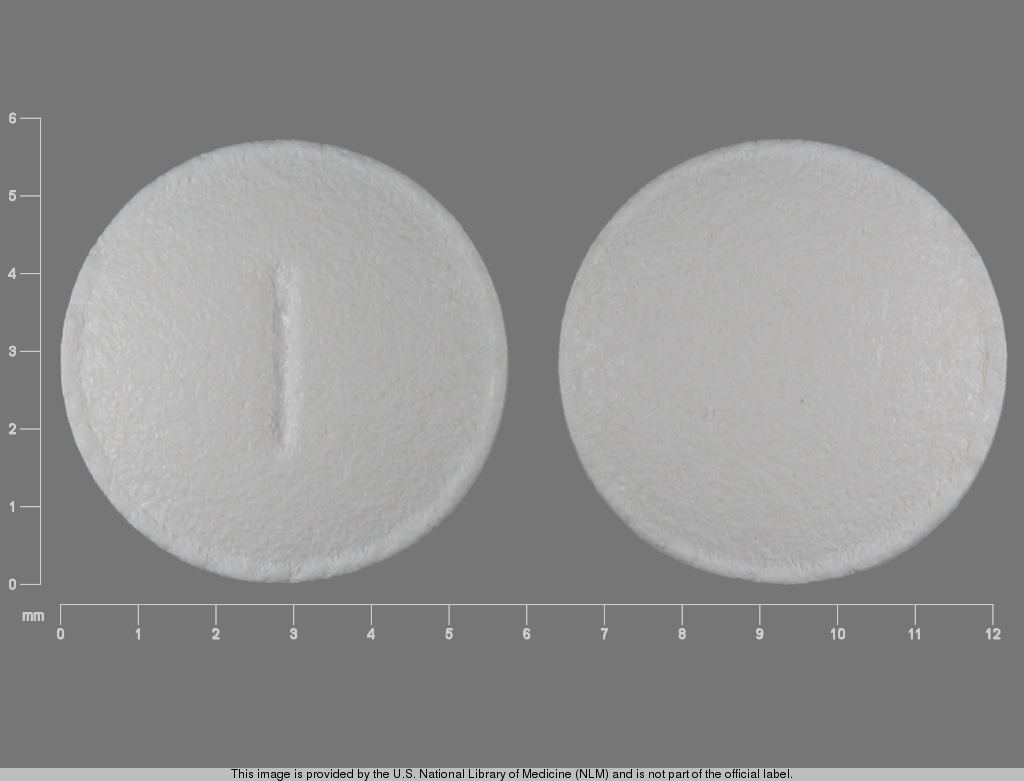
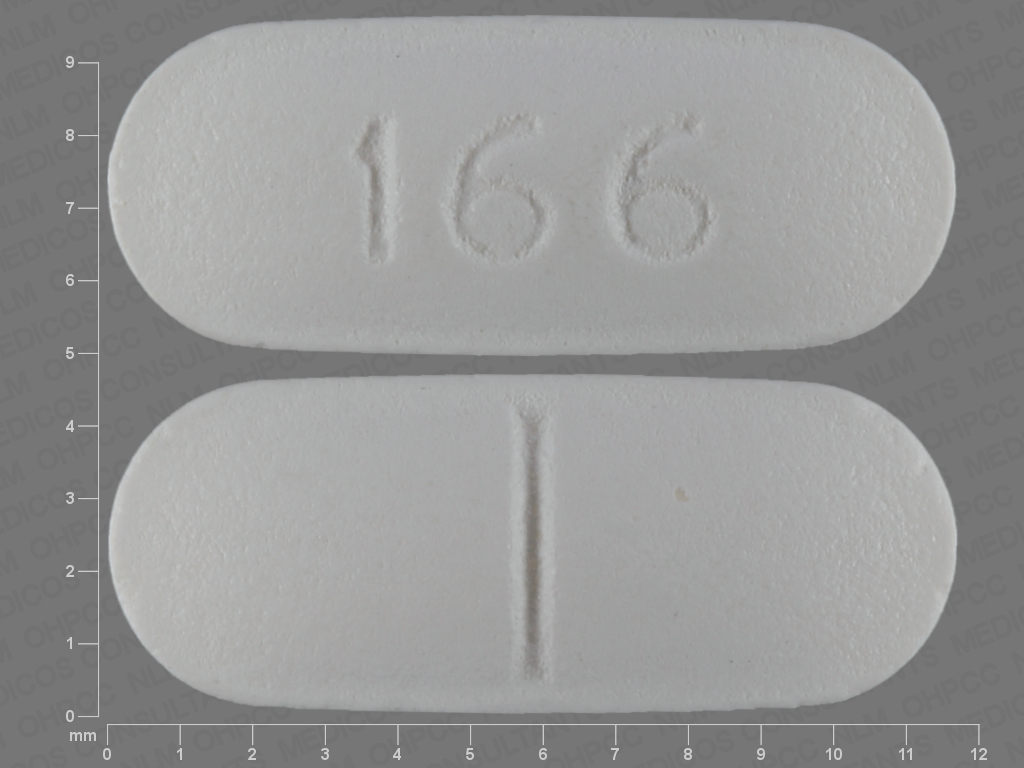
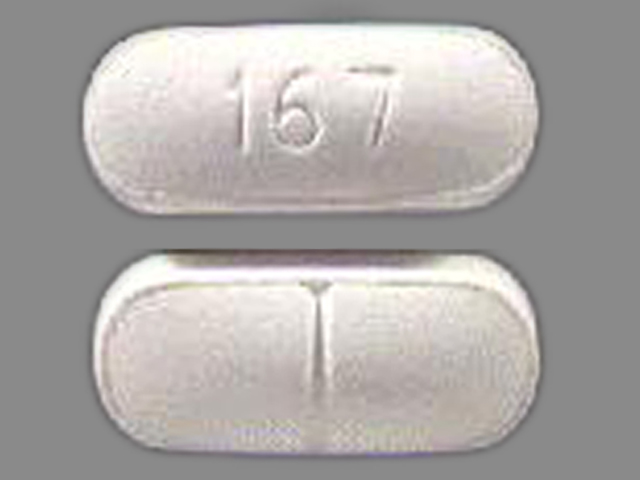
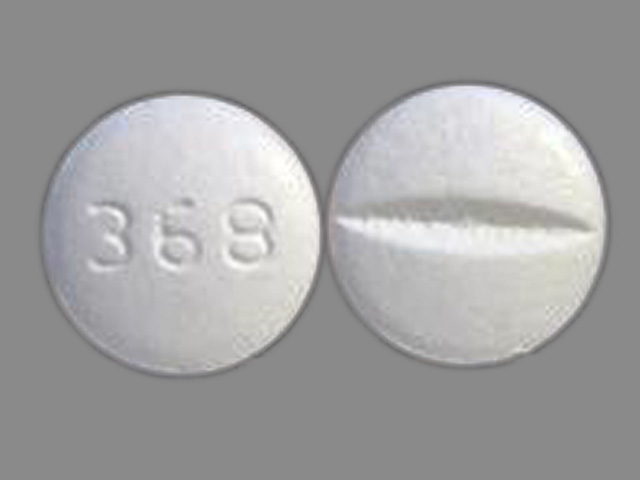
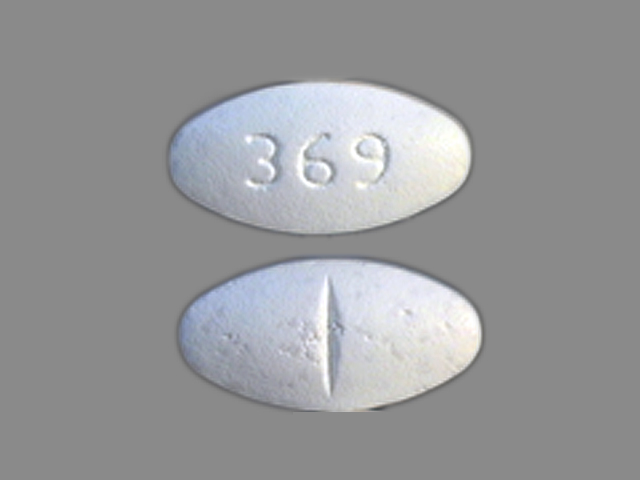
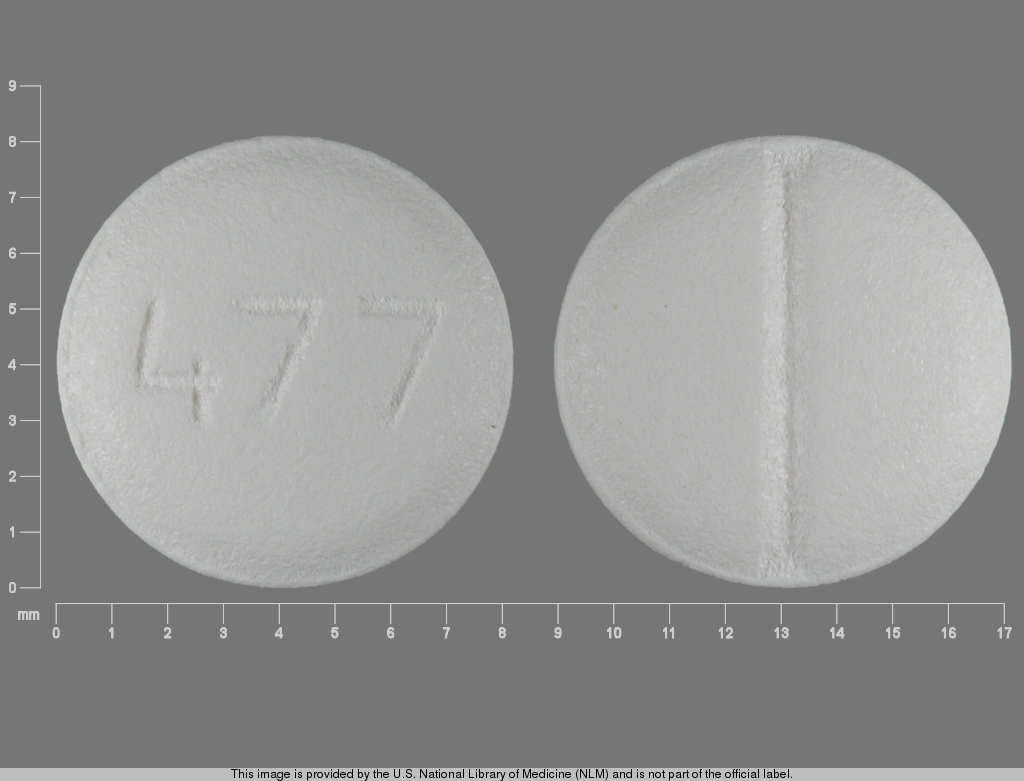
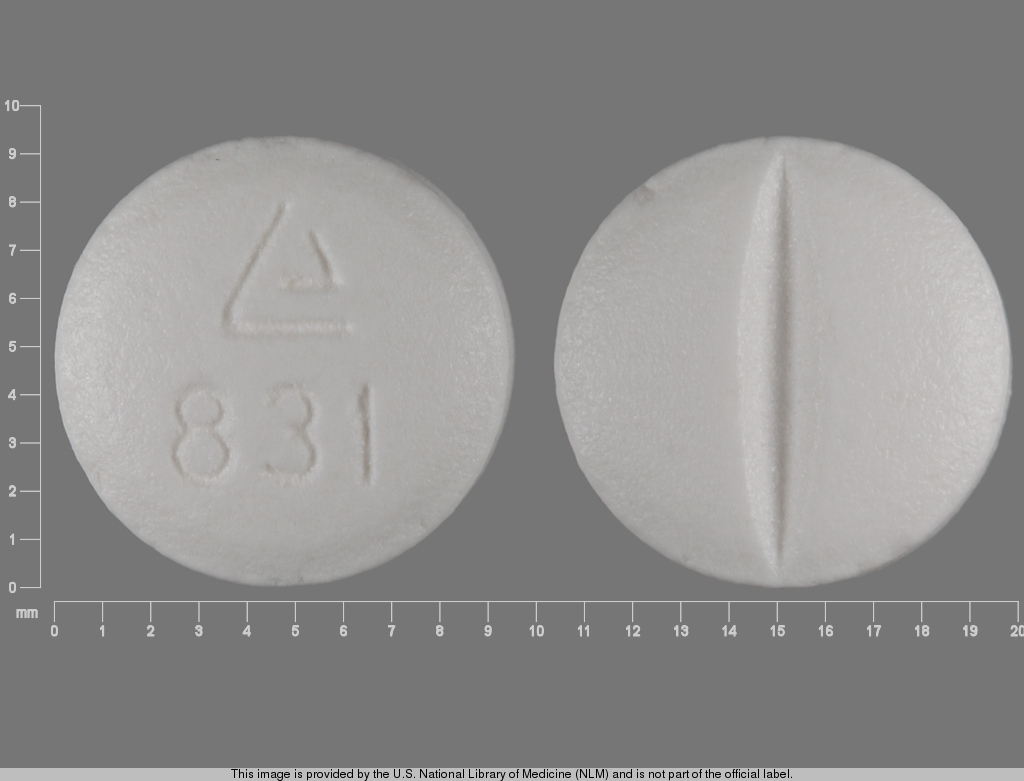
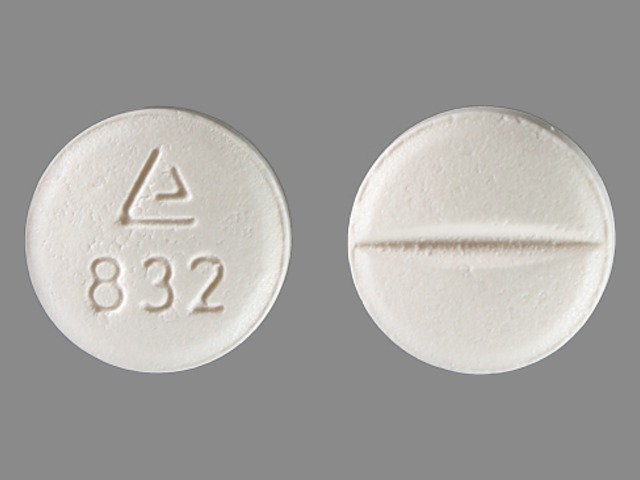
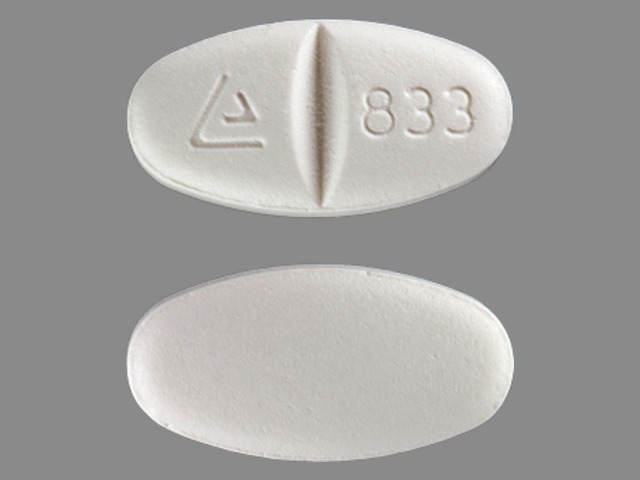
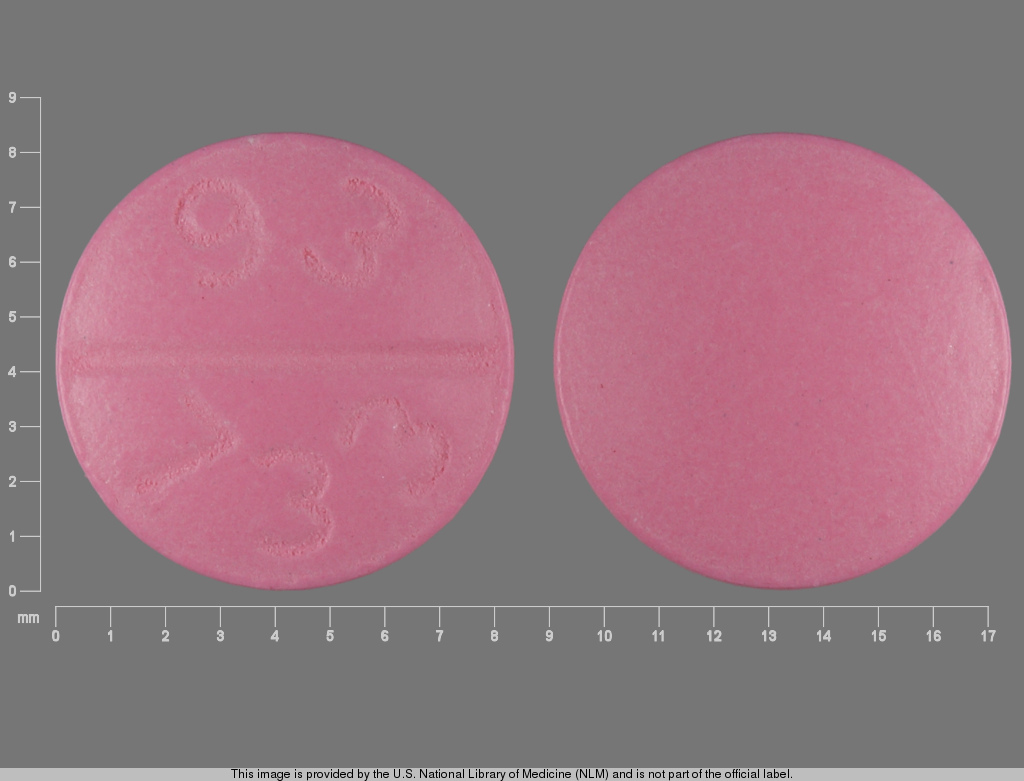
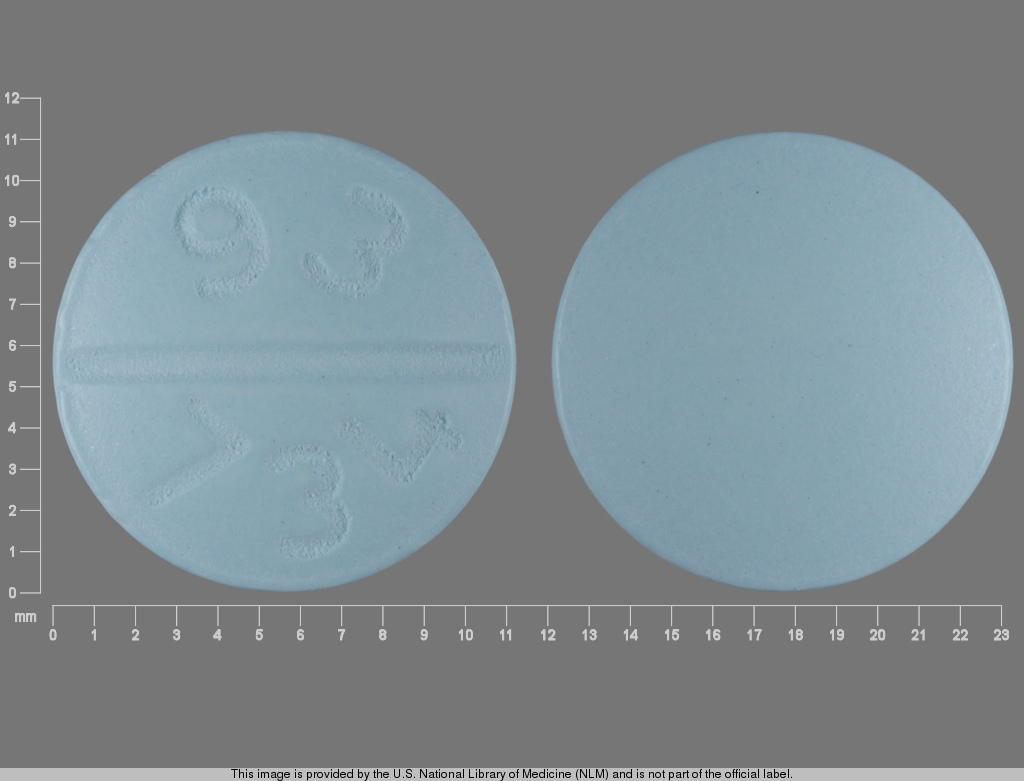
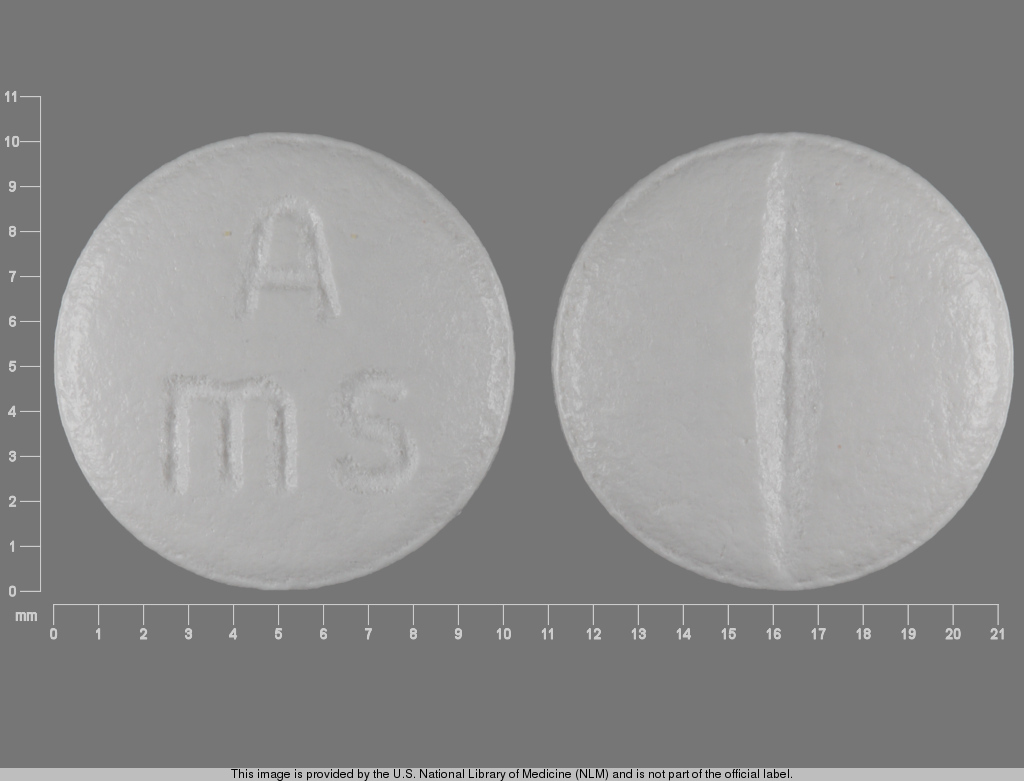
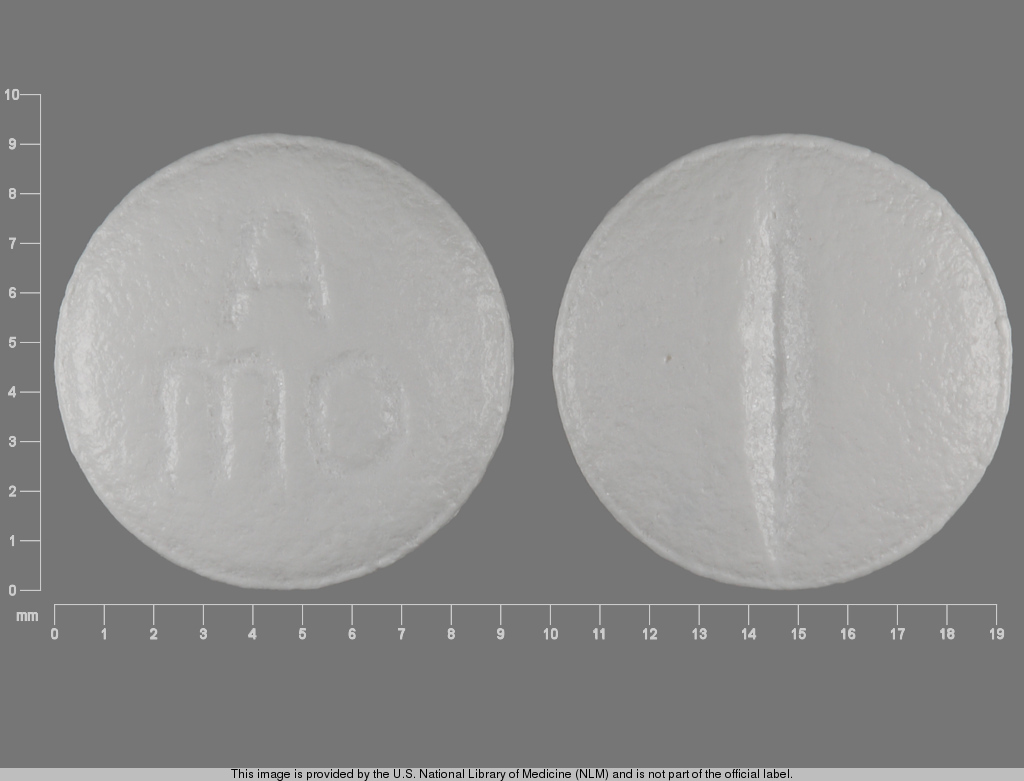
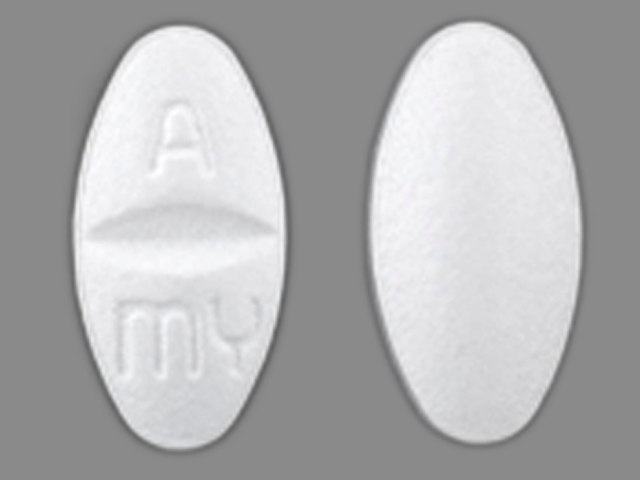
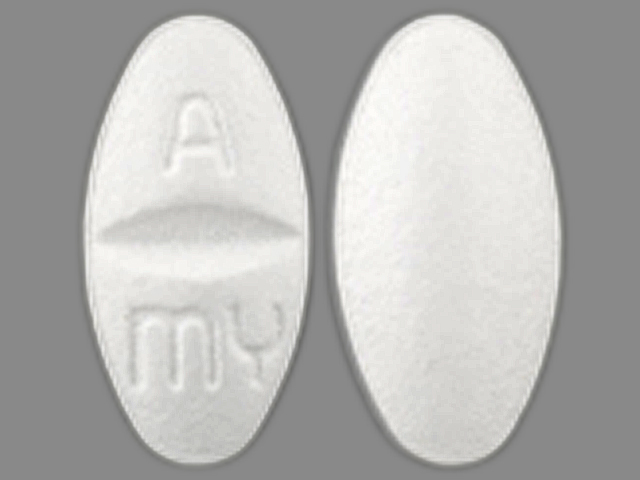
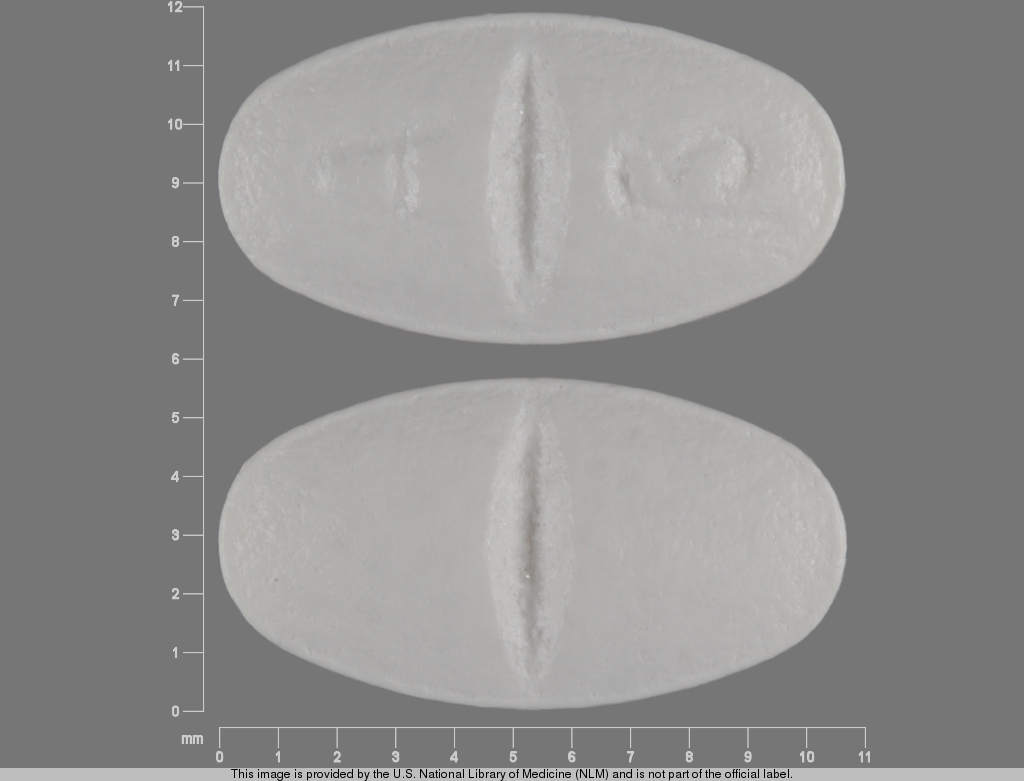
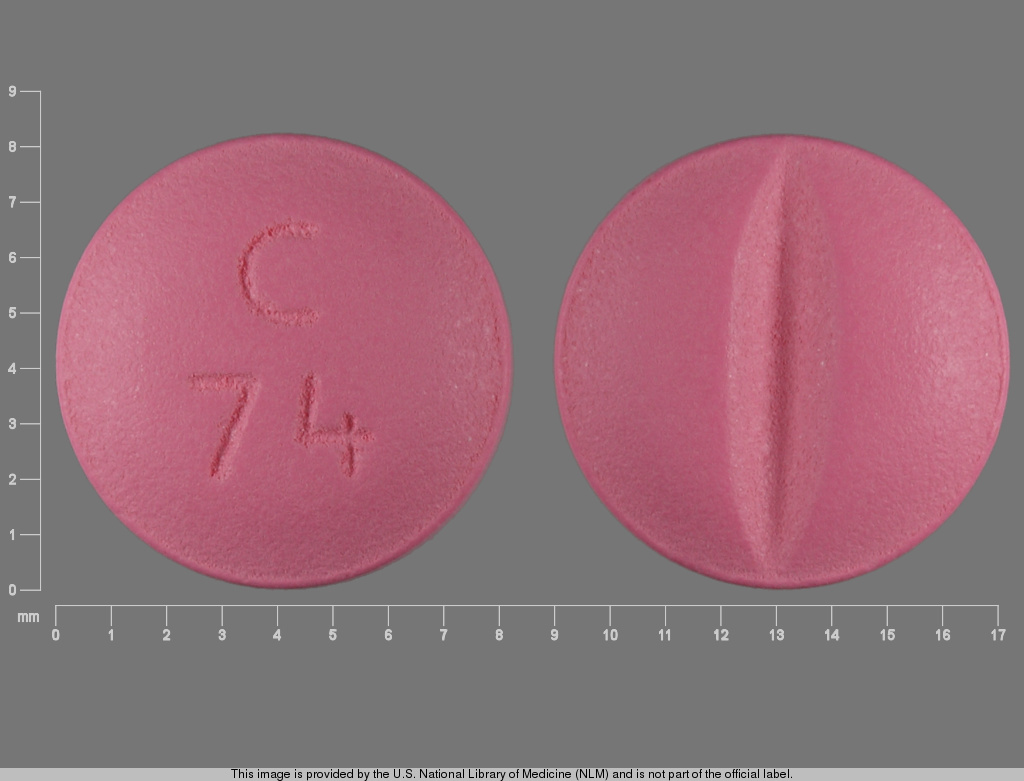
Metoprolol is made by a large number of manufacturers, and the drug database on this site lists hundreds of different tablets containing it. As a result, there is no single look for metoprolol. Tablets vary in color (white, pink, blue, and others), shape (round, oval, capsule-shaped), size, and scoring, depending on the maker and the strength. Extended-release succinate tablets are often larger and may be scored, while tartrate tablets in common strengths are often film-coated. The most reliable identification features are the imprint (letters, numbers, or a logo stamped into the tablet), the strength printed on the label, and the manufacturer name on the bottle. If a refill looks different from the previous one, this commonly reflects a change of generic manufacturer, but it is worth confirming with the pharmacist before taking it, particularly to be sure it is the same salt (tartrate or succinate) as before.
Warnings and precautions
Several well-established cautions apply to metoprolol, and they relate directly to how beta-blockade affects the heart, lungs, metabolism, and the body's responses to stress.
Stopping suddenly. One of the best known risks of beta-blockers is that stopping abruptly after long-term use can cause a rebound surge in heart rate and blood pressure. In people with coronary artery disease, this has been linked to worsening angina, heart rhythm disturbances, and heart attacks. For this reason, when treatment is going to end, the prescriber generally reduces the amount gradually over one to two weeks or more. The same caution applies to missing several days of tablets in a row because a prescription ran out, so it helps to arrange refills ahead of time. Anyone considering stopping should speak to their prescriber first.
Heart failure. Sympathetic stimulation supports the heart when it is weak, and blocking it can in principle reduce the heart's pumping strength further. This is why metoprolol is not used in decompensated heart failure, and why, in stable heart failure, it is started at very low strengths and increased cautiously under supervision. Symptoms such as new or worsening swelling in the legs, rapid weight gain, or increasing breathlessness should be reported promptly.
Slow heart rate and heart block. Metoprolol slows conduction through the heart's electrical system. It can cause or worsen a very slow pulse, first-degree or higher-degree atrioventricular block, and dizziness or fainting. If the rate becomes too slow or heart block develops, the prescriber may reduce or stop it.
Lung disease. Beta-blockers can trigger bronchospasm in people with asthma or other bronchospastic conditions, and prescribing information advises that such patients should in general not receive beta-blockers. Because metoprolol is cardioselective, it is sometimes used cautiously in people with mild, well-controlled airway disease when the heart benefits are important, usually at the lowest effective amount and often with a bronchodilator available. This is a specialist judgment call, and the selectivity decreases as the amount increases.
Diabetes and low blood sugar. Beta-blockers can mask the warning signs of hypoglycemia, especially a racing heartbeat and tremor. Sweating usually continues, but other cues may be dulled. They can also affect how the body recovers from low blood sugar. People with diabetes who take insulin or sulfonylureas are often advised to check glucose more carefully when starting a beta-blocker.
Thyroid disease. Beta-blockers can hide signs of an overactive thyroid, such as a rapid pulse, and stopping them abruptly in someone with hyperthyroidism may bring on a worsening of symptoms, sometimes called thyroid storm.
Circulation problems. Cold hands and feet are common, and beta-blockers may worsen symptoms in people with peripheral artery disease or Raynaud's phenomenon.
Pheochromocytoma. In this rare adrenal tumor, a beta-blocker is given only after an alpha-blocker has been started, because blocking beta receptors alone can raise blood pressure unpredictably.
Allergic reactions. People who take beta-blockers and have a history of severe allergic reactions may respond more intensely to allergens and may respond less well to the usual amounts of epinephrine used to treat anaphylaxis. Anyone who carries an epinephrine auto-injector should mention this to their prescriber.
Surgery and anesthesia. Anyone who takes metoprolol long-term is generally told to continue it through the time of surgery unless the surgical team says otherwise, because stopping can cause rebound effects. Anesthesiologists should be told about the medicine, since combined effects with anesthetic agents can lower heart function and blood pressure. Starting a high amount of a beta-blocker just before major non-cardiac surgery has been associated with a higher risk of stroke and death in research, so that approach is approached carefully.
Liver problems. Because the liver does most of the work of clearing metoprolol, severe liver impairment can raise drug levels and may call for a lower amount.
Alertness. Dizziness and tiredness can occur, particularly during the first weeks or after an increase, so people are usually advised to see how they respond before driving or operating machinery.
Contraindications
Metoprolol tartrate is contraindicated in people with severe bradycardia, heart block greater than first degree, sick sinus syndrome (unless a permanent pacemaker is in place), cardiogenic shock, a systolic blood pressure below 100 mm Hg in the setting of an acute heart attack, decompensated heart failure, or a known hypersensitivity to metoprolol or any ingredient in the product. The succinate form has similar contraindications for severe slow heart rhythms, heart block, cardiogenic shock, decompensated heart failure, and hypersensitivity. Some older labels also list other conditions, so the prescriber and pharmacist will go through the full list against a person's medical history before the first prescription is filled.
Side effects
Most people tolerate metoprolol well, and many side effects are mild and ease as the body adjusts. In clinical studies for hypertension and angina, the most frequently reported effects were tiredness and dizziness (affecting roughly one in ten people), followed by depression and diarrhea (about one in twenty), and shortness of breath and a slow heart rate (about three in a hundred). Rates differ between studies and between the tartrate and succinate forms.
Commonly reported effects include:
- Fatigue or reduced exercise tolerance, as the heart cannot be pushed to as high a rate
- Dizziness or light-headedness, especially when standing up quickly
- Slow pulse (bradycardia)
- Cold hands and feet
- Headache
- Nausea, stomach upset, diarrhea, or constipation
- Trouble sleeping, vivid dreams, or nightmares
- Low mood, or a feeling of emotional flatness in some people
- Itching or rash
- Reduced sexual desire or erectile difficulty (less commonly)
Less common but more significant effects that call for prompt medical attention include fainting or a heart rate that drops very low, new or worsening swelling of the ankles or feet, sudden weight gain, worsening shortness of breath, wheezing or chest tightness, chest pain that becomes more frequent, confusion, and signs of a serious allergic reaction such as swelling of the face or throat. Other rare reports include worsening of psoriasis, hair thinning, changes in blood counts, and liver enzyme elevations. Anyone who notices yellowing of the skin or eyes, or dark urine, should contact a clinician.
Many of the more bothersome effects, such as fatigue, are related to the amount taken. If they interfere with daily life, the prescriber may adjust the amount, change the timing, switch between forms, or choose a different medicine. Depression has been reported with beta-blockers, though large analyses suggest the link is weaker than once believed, so any persistent change in mood is best discussed rather than ignored or managed by stopping the tablets alone.
Drug interactions
Metoprolol interacts with several other medicines, either by adding to its effects on heart rate and blood pressure or by changing how much of it remains in the body. Always give the pharmacist a full list of prescription medicines, over-the-counter products, and supplements.
CYP2D6 inhibitors. Because metoprolol is cleared mainly by CYP2D6, drugs that block this enzyme can raise its levels substantially. Strong inhibitors such as quinidine, fluoxetine, paroxetine, and propafenone have been shown to roughly double metoprolol concentrations. Other drugs with the same property include bupropion, terbinafine, and, to a lesser extent, diphenhydramine and some others. Higher levels increase the risk of an excessively slow heart rate and reduce the cardioselectivity of the drug. When such a combination cannot be avoided, close monitoring is advised.
Other drugs that slow the heart. Digoxin, amiodarone, verapamil, and diltiazem all slow conduction through the heart, and combining any of them with a beta-blocker increases the chance of bradycardia and heart block. The combination of metoprolol with verapamil or diltiazem is of particular concern, especially in people with weakened heart function, and is usually avoided or tightly supervised. Fingolimod, a multiple sclerosis medicine, can also lower heart rate, and caution is advised when it is combined with a beta-blocker.
Clonidine. The two together can cause an excessive fall in heart rate. In addition, when clonidine is withdrawn while a beta-blocker is still being taken, it can cause a severe rebound rise in blood pressure. Labeling advises that when both are in use and clonidine is to be stopped, the beta-blocker is stopped first, several days earlier, and clonidine is then tapered gradually.
Catecholamine-depleting drugs. Reserpine and certain monoamine oxidase inhibitors may add to the effect of metoprolol, producing low blood pressure, marked bradycardia, vertigo, or fainting.
Other blood pressure medicines. Metoprolol is often deliberately combined with diuretics, ACE inhibitors such as lisinopril, angiotensin receptor blockers such as losartan, and others, and the effects are additive. This is usually intended, but it is the reason dizziness on standing can increase when a new blood pressure medicine is added.
Epinephrine. As noted, standard doses may be less effective for treating severe allergic reactions in people taking beta-blockers, and may occasionally cause a rise in blood pressure with a slow heart rate as the unopposed alpha effect takes over.
Diabetes medicines. Insulin and oral blood-sugar-lowering drugs may have their effect on glucose altered, and the warning signs of low blood sugar may be less obvious.
Anti-inflammatory pain relievers. NSAIDs such as ibuprofen and naproxen can blunt the blood-pressure-lowering effect of beta-blockers and may promote fluid retention.
Enzyme inducers. Rifampin can lower metoprolol levels by speeding up its metabolism, which may reduce its effect.
Alcohol. Alcohol can add to the blood-pressure-lowering effect and increase dizziness.
Anesthetics and some asthma medicines. Inhaled anesthetics can enhance cardiac depression, and beta-agonist inhalers such as albuterol work against the action of beta-blockers, which is part of why asthma and metoprolol are a delicate combination.
Overdose
Taking much more metoprolol than prescribed is a medical emergency. An overdose may lead to a severe drop in heart rate, a sharp fall in blood pressure, and cardiogenic shock. Other possible signs include heart block, worsening heart failure, wheezing or airway tightening, low oxygen levels, drowsiness progressing to coma, nausea, and vomiting. Beta-blocker overdose can be resistant to the usual rescue medicines, so treatment is carried out in a hospital, often with intensive care monitoring.
Care teams may use atropine, glucagon, intravenous vasopressors such as dopamine or norepinephrine, other adrenergic drugs such as dobutamine, volume expansion, or a temporary pacemaker, depending on the findings. Bronchospasm can usually be reversed with bronchodilators. Dialysis is unlikely to contribute meaningfully to removing metoprolol. Anyone who suspects an overdose, whether accidental or intentional, should contact emergency services or a poison control center right away rather than waiting for symptoms.
Pregnancy and breastfeeding
Metoprolol crosses the placenta. Beta-blockers have been used in pregnancy for high blood pressure and certain heart conditions, and metoprolol is among those with a considerable amount of experience. Even so, they have been linked in some reports to slower fetal heart rate, low birth weight or restricted growth with prolonged use, and low blood sugar or slow heart rate in the newborn. Newborns of mothers who take it close to delivery are often monitored for these effects. Decisions about whether to use it during pregnancy balance the risk of untreated maternal hypertension or heart disease against these potential effects. Anyone who is pregnant, planning pregnancy, or who becomes pregnant while taking metoprolol should discuss this with their prescriber and should not stop the medicine on their own.
Metoprolol passes into breast milk in small amounts, generally well below the amount that would be expected to affect most nursing infants. Infants of breastfeeding mothers who take it, particularly premature or very young babies, may be observed for signs such as unusual sleepiness, poor feeding, or a slow heart rate. A pediatrician and the prescriber can advise on monitoring.
Pediatric use
Metoprolol tartrate has not been established as safe and effective for children, and prescribing information does not provide a pediatric indication for it. Metoprolol succinate extended-release has been studied in children aged six and older with hypertension, and in that study it lowered blood pressure, but it did not show a benefit in the long-term studies of the very young and is not recommended for children under six. It has not been established for pediatric heart failure. The extended-release tablets are not designed to be crushed, which makes them awkward for younger children. Pediatric cardiologists sometimes use beta-blockers for particular heart conditions based on specialist judgment, with doses calculated by weight and closely monitored.
Older-adult use
Older adults are commonly prescribed metoprolol, and in general they respond to it much like younger adults, though individual sensitivity varies. Because older people are more likely to have slower baseline heart rates, conduction problems, reduced liver or kidney function, and other medicines that interact with it, prescribers often start at a low amount and increase it gradually. Dizziness on standing, tiredness, and falls are the usual concerns, so reporting lightheadedness is worthwhile. Slow pulse and low blood pressure can be more pronounced in this age group, and monitoring of both is part of routine follow-up.
Kidney and liver impairment
Metoprolol is cleared mostly by the liver, with the metabolites removed in the urine, so kidney impairment has little effect on the active drug's levels, and dose changes are generally not needed for reduced kidney function alone. Metoprolol and its metabolites are not removed well by hemodialysis. Even so, people with severe kidney disease often have other heart-related conditions that need careful monitoring.
Liver impairment is a different matter. In significant liver disease, such as cirrhosis, the blood levels of metoprolol can be much higher, and the effect lasts longer. Prescribers may begin at lower amounts and increase slowly, with attention to pulse and blood pressure. People with a known liver condition should make sure the prescriber knows about it before treatment starts.
Living with metoprolol
Metoprolol is usually taken for the long term, and a few everyday habits can make treatment smoother. Taking it at consistent times with food helps maintain steady levels. Standing up slowly can limit dizziness, especially in the first weeks. Many people notice that vigorous exercise feels harder because the heart rate cannot rise as far; this is an expected effect and is not necessarily a sign of poor fitness, though exercise plans are worth discussing with the care team, as a pulse-based target may no longer apply. Alcohol is best limited because of its additive effect on blood pressure. Those with diabetes may be asked to pay close attention to blood sugar readings, since the usual warning signs can be subdued. Keeping an up-to-date medication list, including supplements and over-the-counter products, helps pharmacists catch interactions, and informing every doctor, dentist, and surgical team about the medicine matters.
Regulatory details, including the official prescribing information for each manufacturer's product, are overseen by the FDA, and the full label can differ somewhat between manufacturers and between the tartrate and succinate products.