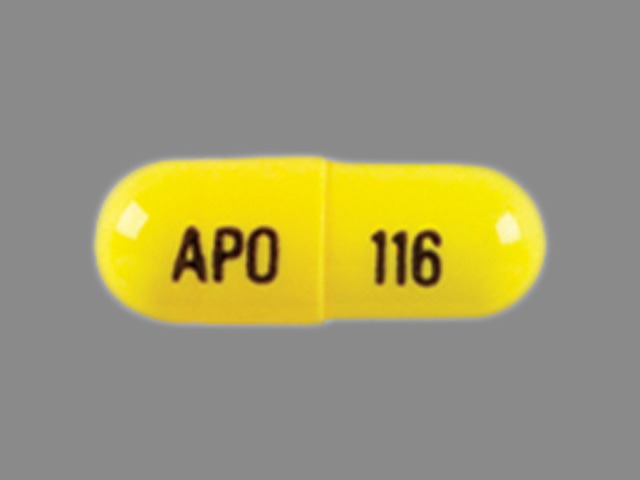
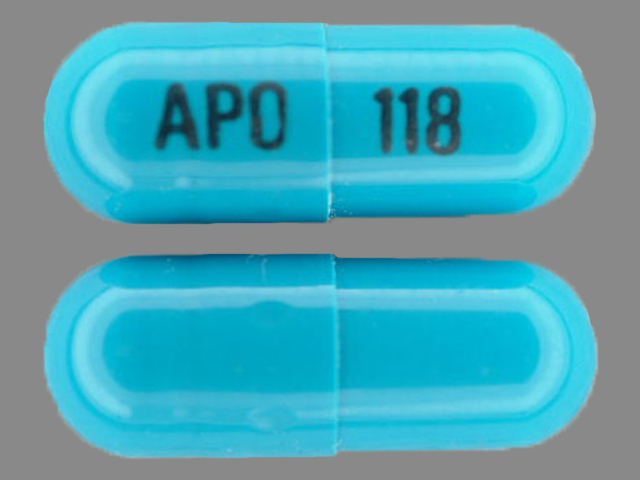
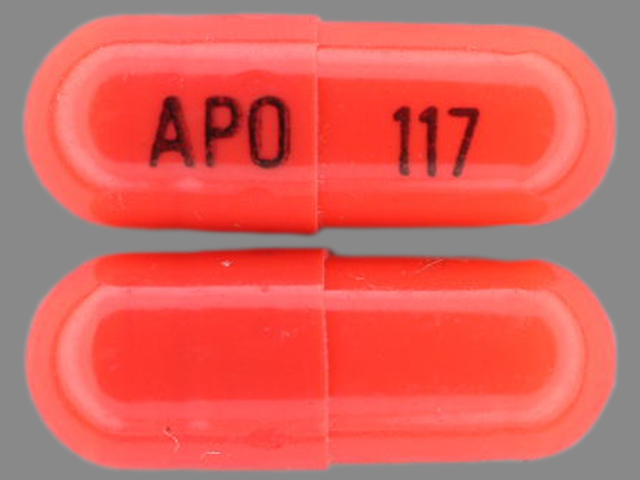
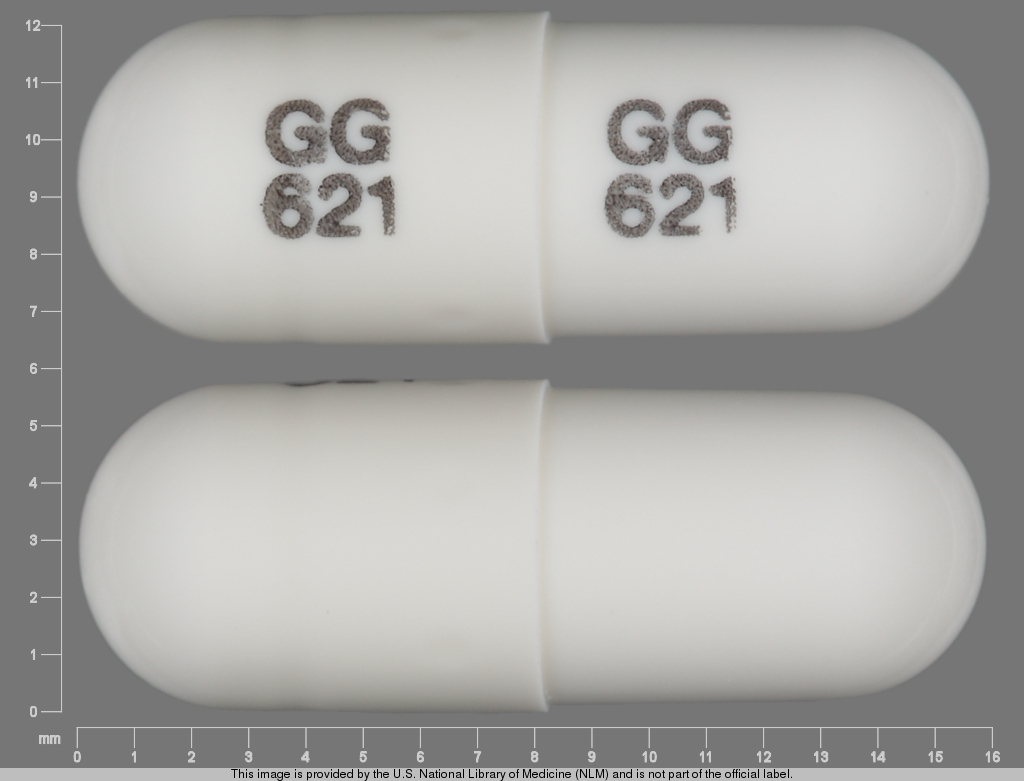
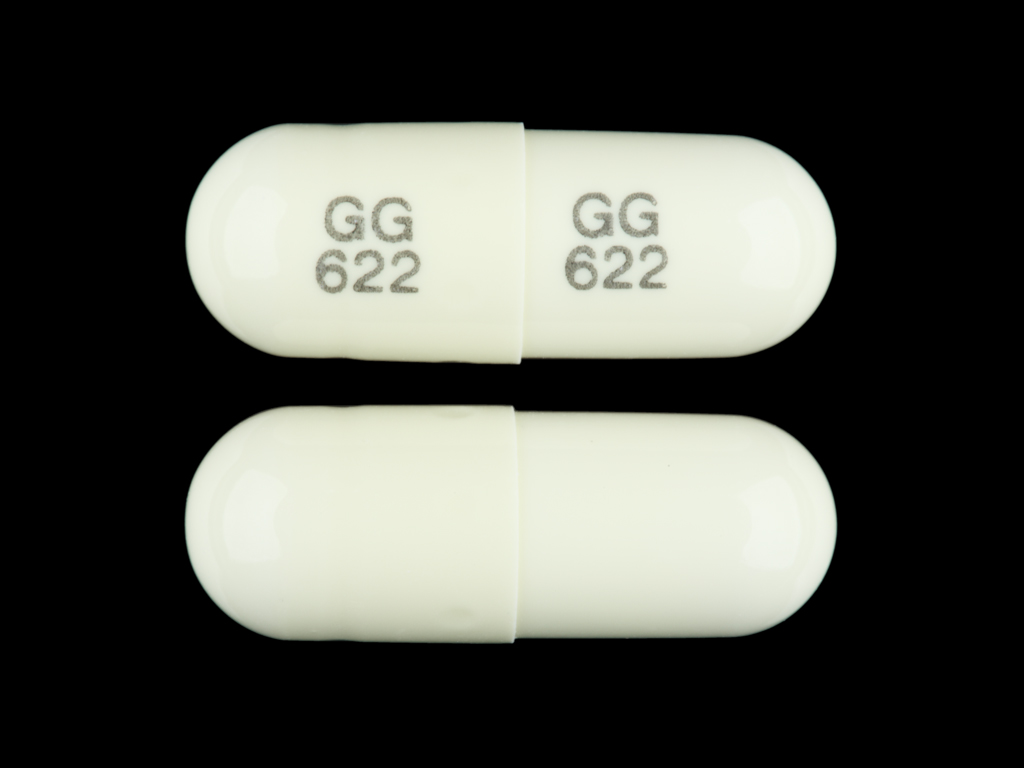
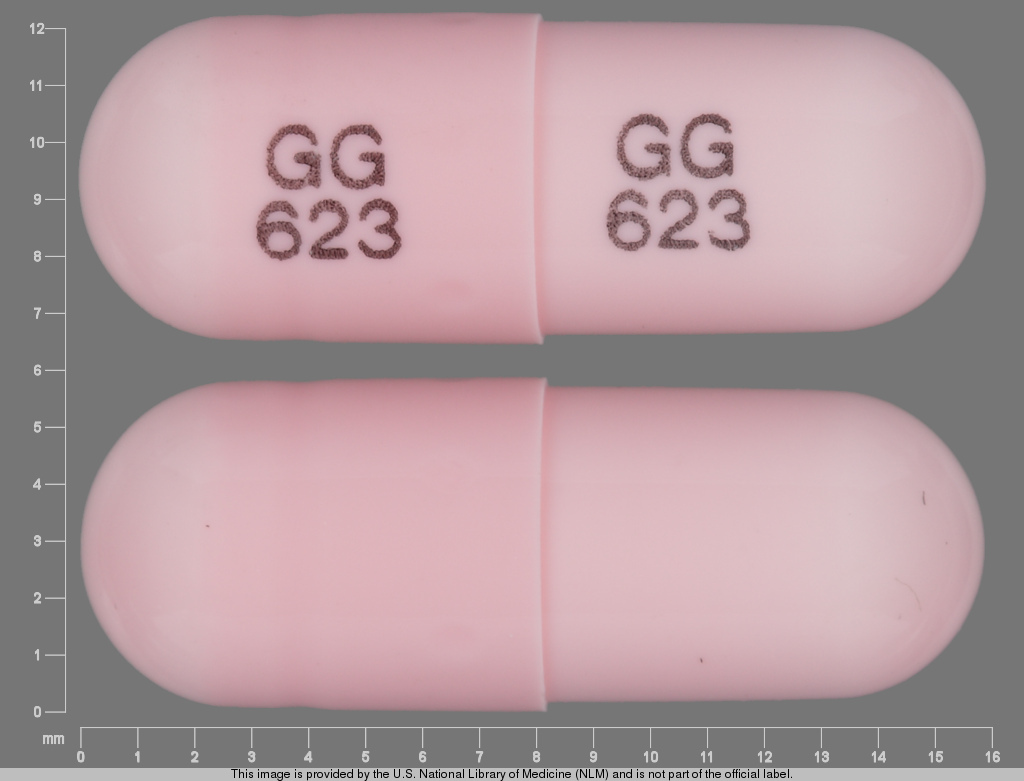
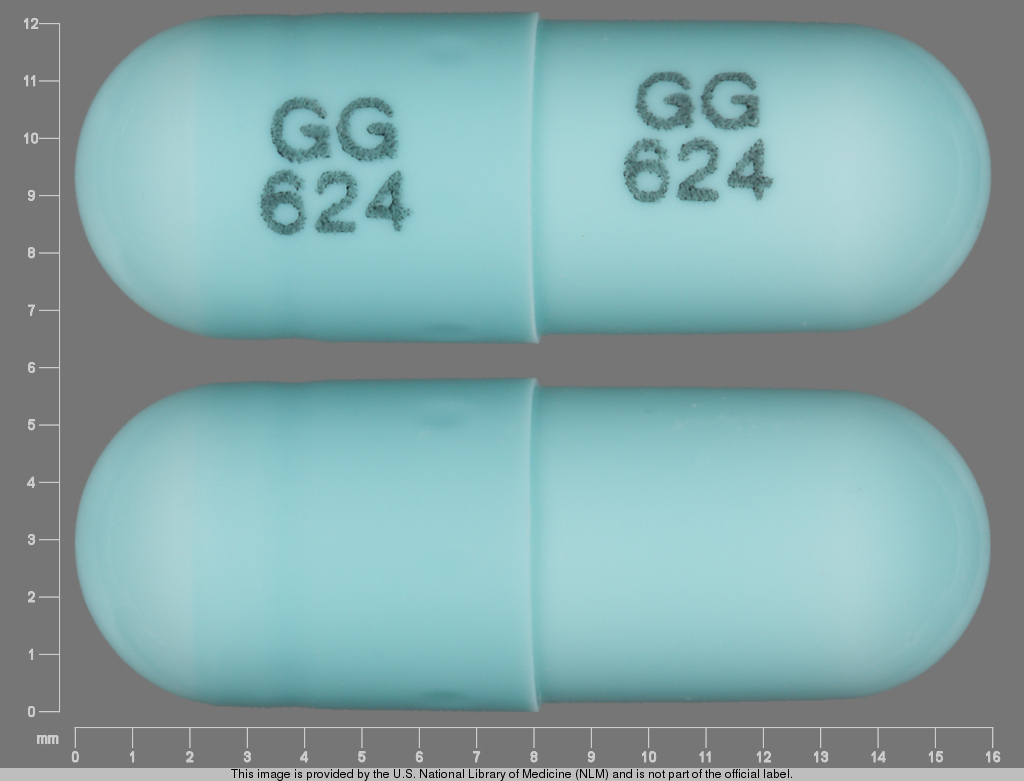
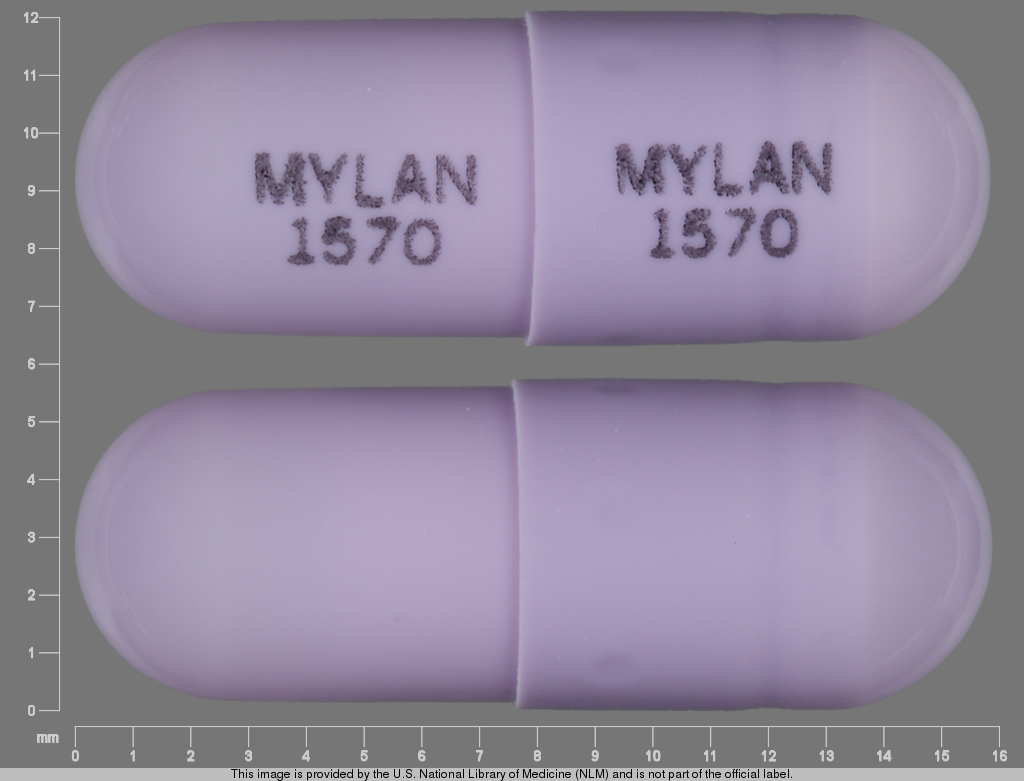
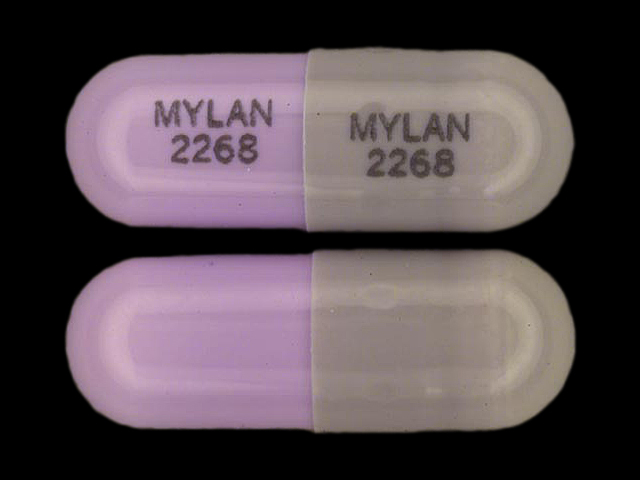
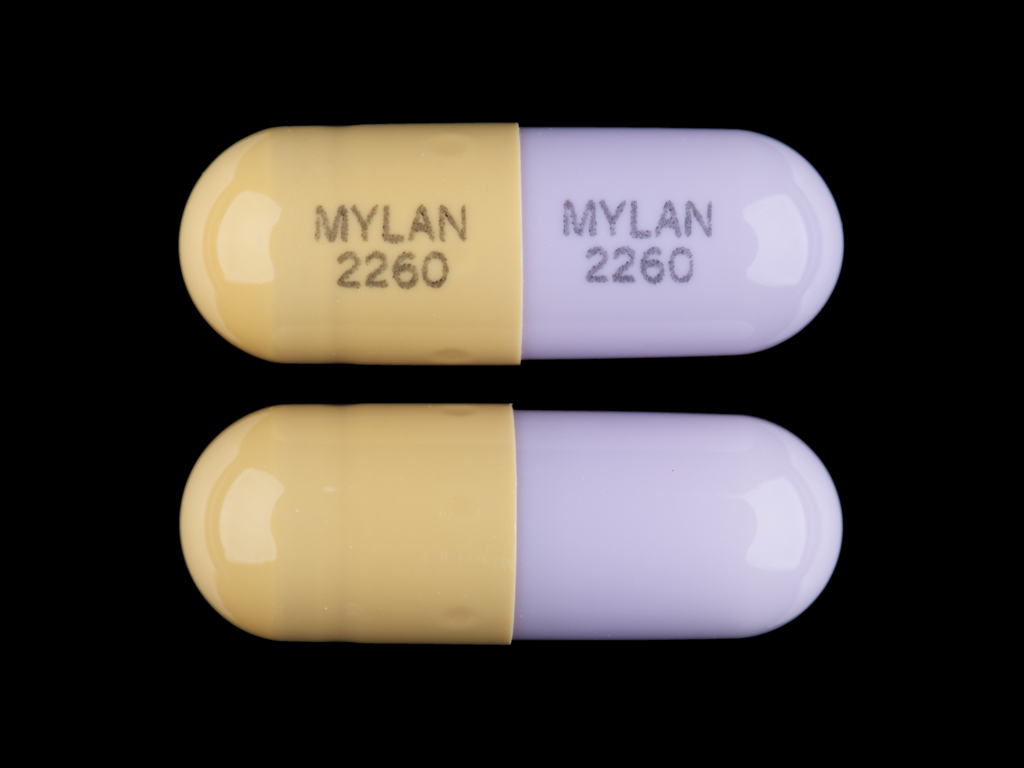
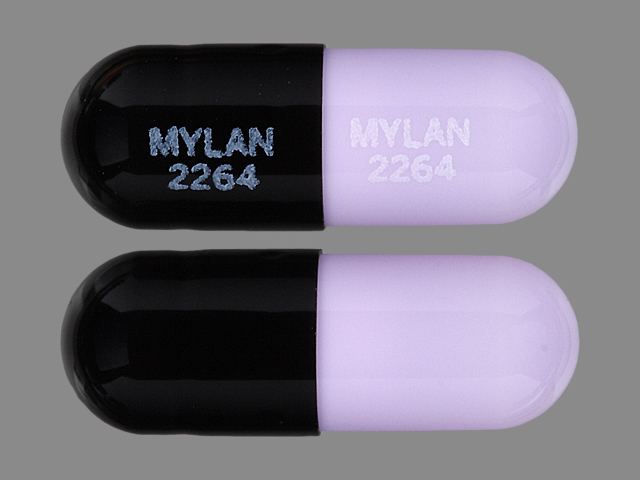
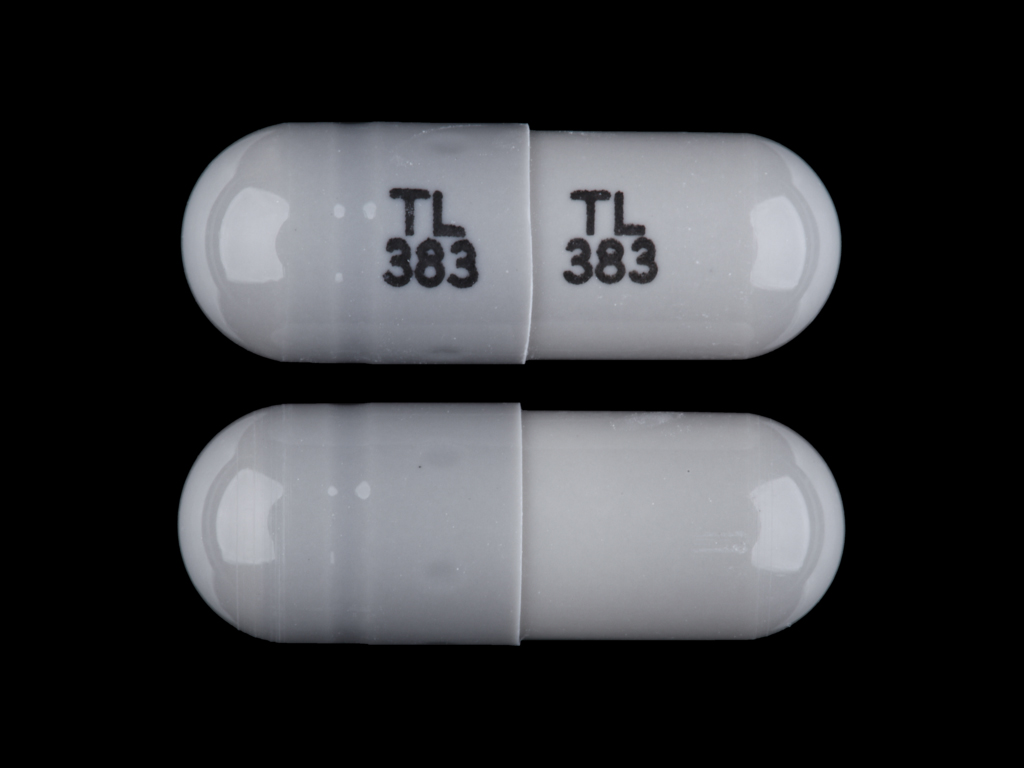
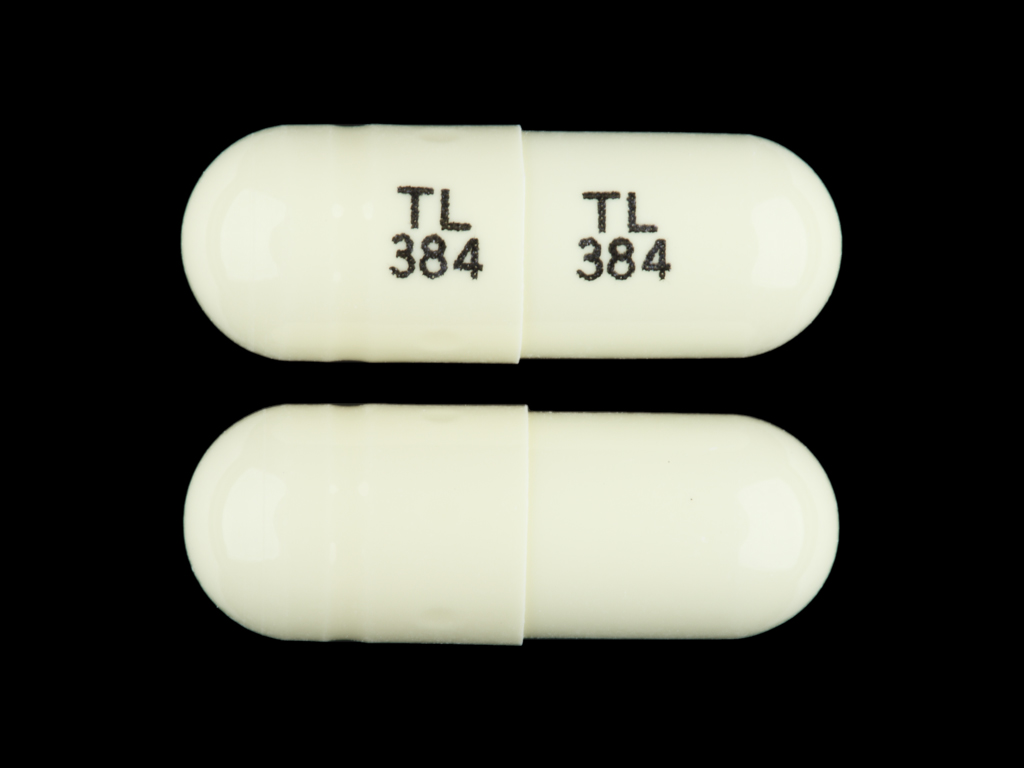
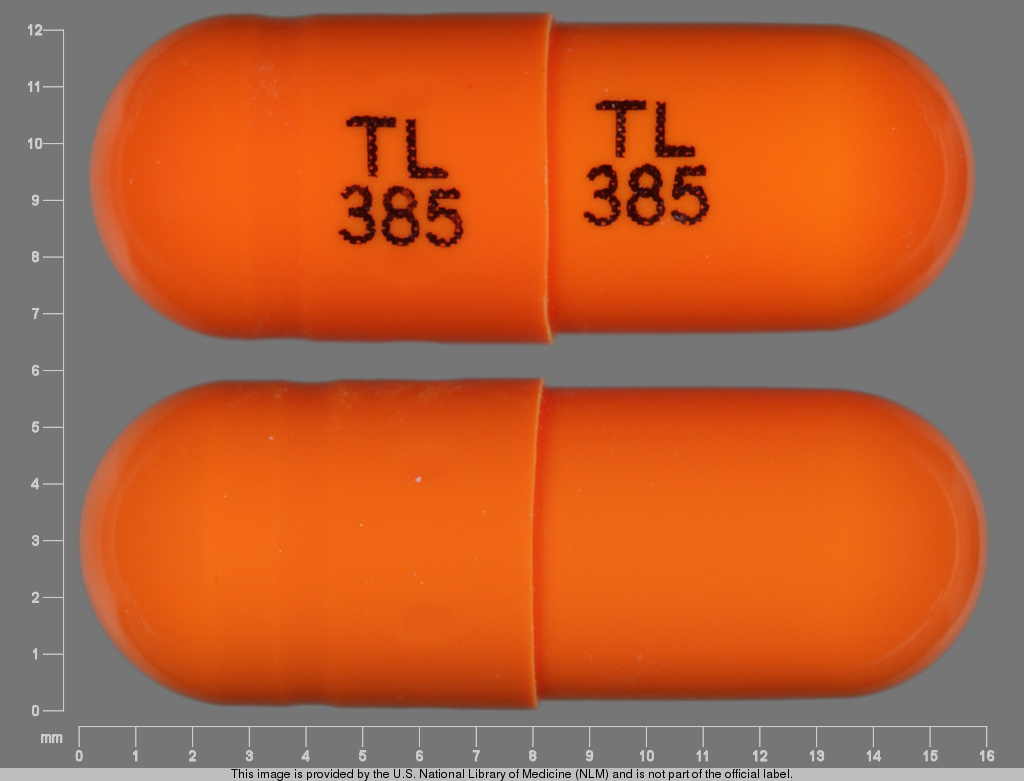
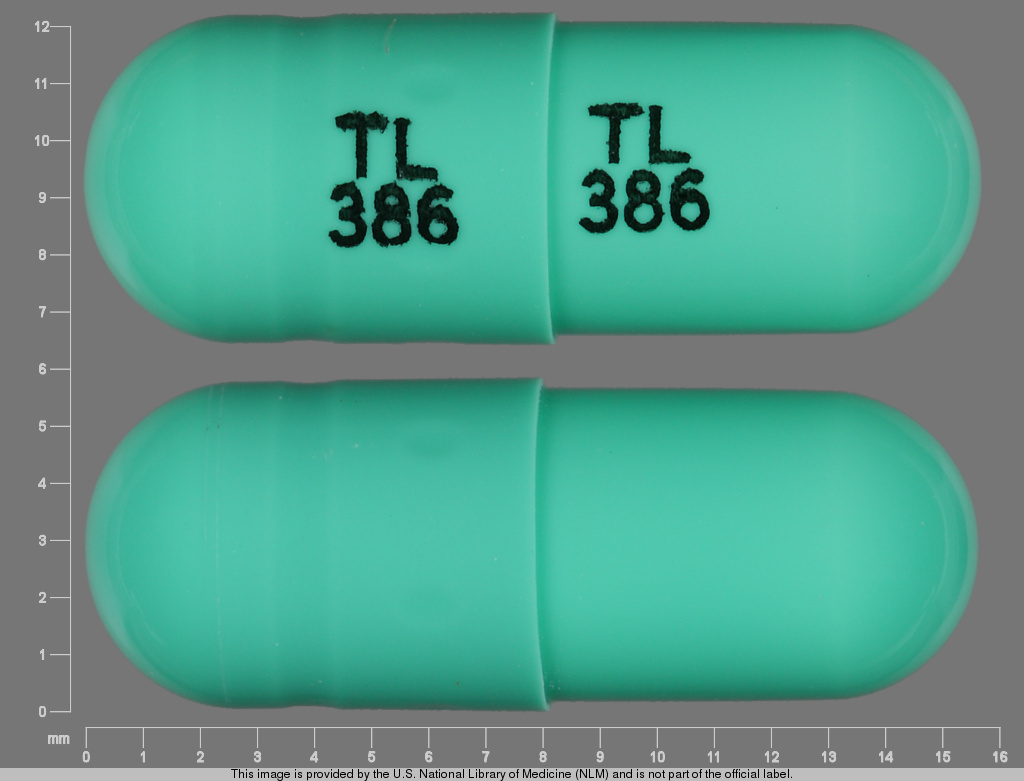
Drug class
An "alpha-1-selective adrenoceptor blocking agent," chemically a quinazoline derivative, that relaxes smooth muscle in the bladder neck/prostate and vasculature by blocking alpha-1 adrenergic receptors.
Uses
Indicated for "treatment of symptomatic benign prostatic hyperplasia (BPH)," with approximately 70% of patients experiencing "an increase in urinary flow and improvement in symptoms," and for "treatment of hypertension," where it "can be used alone or in combination with other antihypertensive agents."
Warnings
No boxed warning. Contraindicated in patients "known to be hypersensitive to terazosin hydrochloride." The label highlights "first-dose" postural hypotension and syncope, which "can cause marked lowering of blood pressure, especially postural hypotension," most common with the initial dose or dose increases - therapy should start at a low dose given at bedtime. Also warns of rare priapism ("painful penile erection, sustained for hours") that can cause permanent impotence if not treated promptly, and Intraoperative Floppy Iris Syndrome observed during cataract surgery in patients taking alpha-1 blockers.
Contraindications
CONTRAINDICATIONS Terazosin capsules are contraindicated in patients known to be hypersensitive to terazosin hydrochloride.
Overdose
OVERDOSAGE Should overdosage of terazosin lead to hypotension, support of the cardiovascular system is of first importance. Restoration of blood pressure and normalization of heart rate may be accomplished by keeping the patient in the supine position. If this measure is inadequate, shock should first be treated with volume expanders. If necessary, vasopressors should then be used and renal function should be monitored and supported as needed. Laboratory data indicate that terazosin is 90 to 94% protein bound; therefore, dialysis may not be of benefit.
Drug interactions
Drug Interactions In controlled trials, terazosin has been added to diuretics, and several beta-adrenergic blockers; no unexpected interactions were observed. Terazosin has also been used in patients on a variety of concomitant therapies; while these were not formal interaction studies, no interactions were observed. Terazosin has been used concomitantly in at least 50 patients on the following drugs or drug classes: 1) analgesic/anti-inflammatory (e.g., acetaminophen, aspirin, codeine, ibuprofen, indomethacin); 2) antibiotics (e.g., erythromycin, trimethoprim and sulfamethoxazole); 3) anticholinergic/sympathomimetics (e.g., phenylephrine hydrochloride, phenylpropanolamine hydrochloride, pseudoephedrine hydrochloride); 4) antigout (e.g., allopurinol); 5) antihistamines (e.g., chlorpheniramine); 6) cardiovascular agents (e.g., atenolol, hydrochlorothiazide, methyclothiazide, propranolol); 7) corticosteroids; 8) gastrointestinal agents (e.g., antacids); 9) hypoglycemics; 10) sedatives and tranquilizers (e.g., diazepam).
Dosage & administration
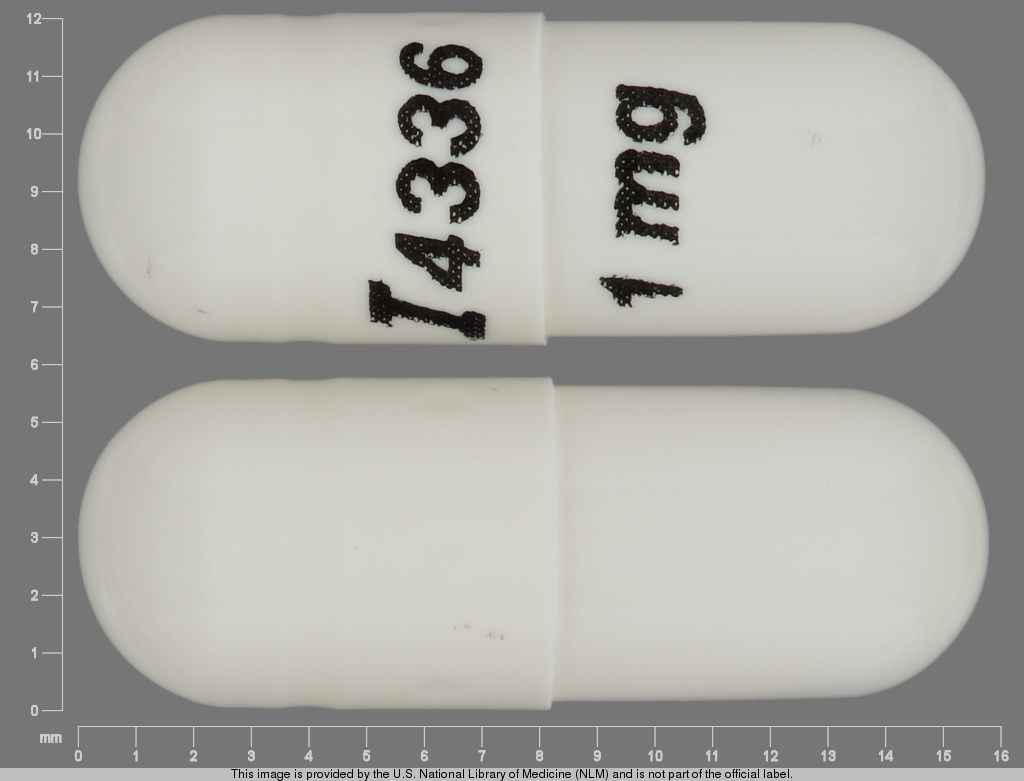
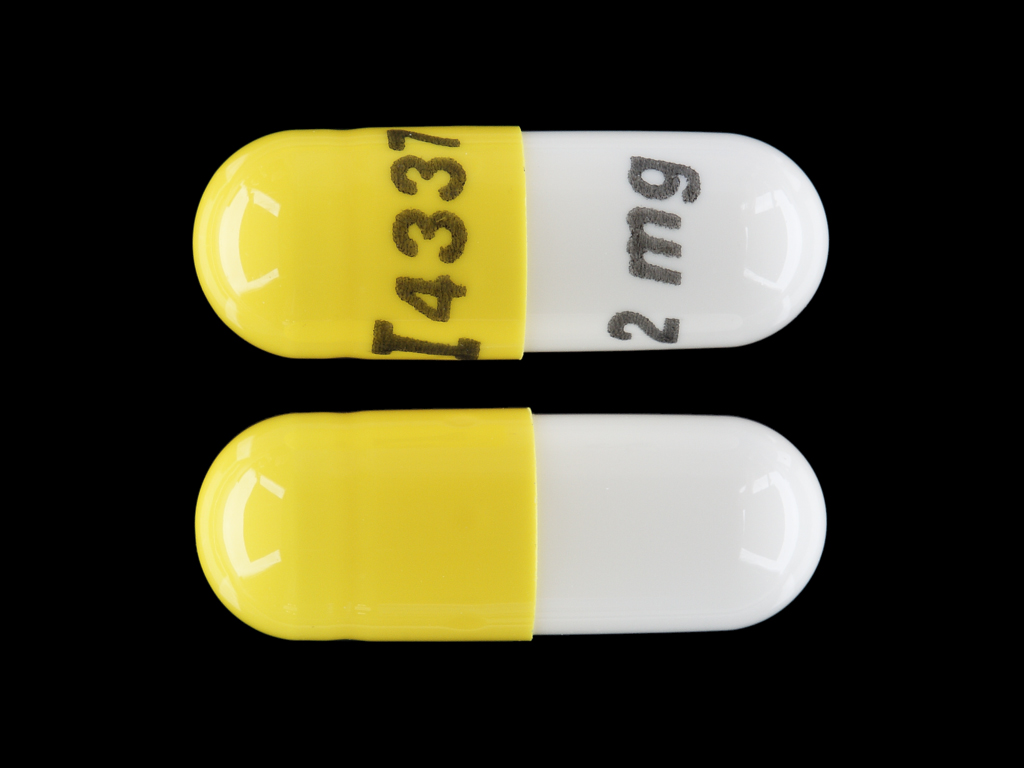
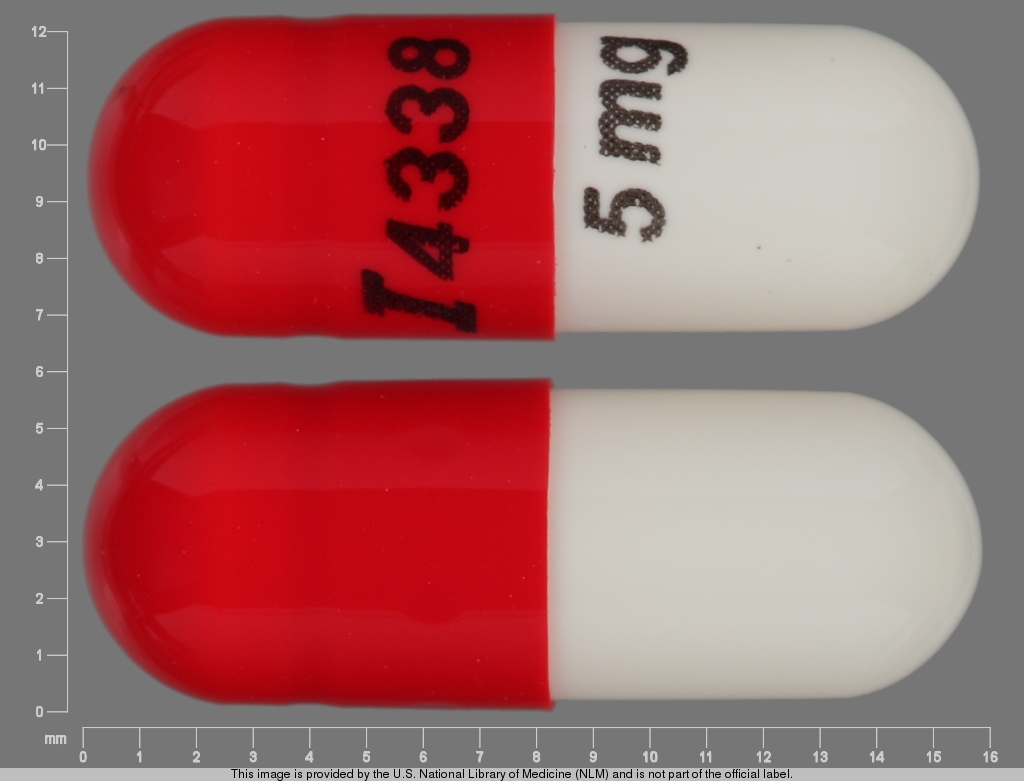
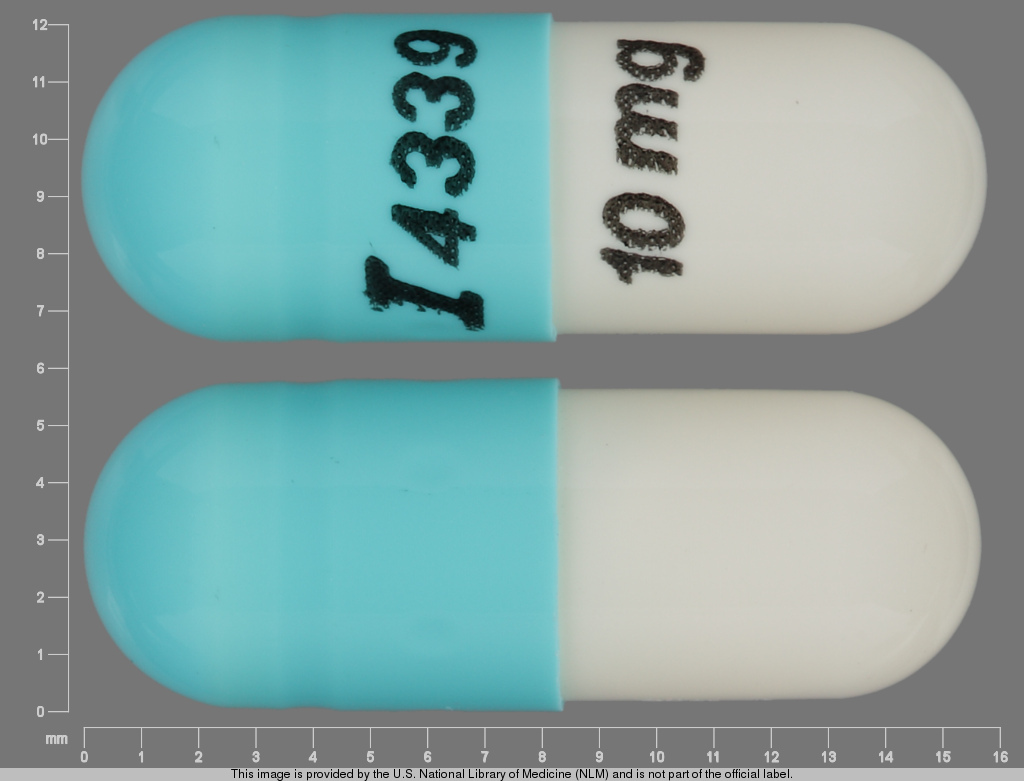
DOSAGE AND ADMINISTRATION If terazosin capsules administration is discontinued for several days, therapy should be reinstituted using the initial dosing regimen. Benign Prostatic Hyperplasia Initial Dose 1 mg at bedtime is the starting dose for all patients, and this dose should not be exceeded as an initial dose. Patients should be closely followed during initial administration in order to minimize the risk of severe hypotensive response. Subsequent Doses The dose should be increased in a stepwise fashion to 2 mg, 5 mg, or 10 mg once daily to achieve the desired improvement of symptoms and/or flow rates. Doses of 10 mg once daily are generally required for the clinical response. Therefore, treatment with 10 mg for a minimum of 4 to 6 weeks may be required to assess whether a beneficial response has been achieved. Some patients may not achieve a clinical response despite appropriate titration. Although some additional patients responded at a 20 mg daily dose, there was an insufficient number of patients studied to draw definitive conclusions about this dose. There are insufficient data to support the use of higher doses for those patients who show inadequate or no response to 20 mg daily. If terazosin administration is discontinued for several days or longer, therapy should be reinstituted using the initial dosing regimen. Use With Other Drugs Caution should be observed when terazosin capsules are administered concomitantly with other antihypertensive agents, especially the calcium channel blocker verapamil, to avoid the possibility of developing significant hypotension. When using terazosin and other antihypertensive agents concomitantly, dosage reduction and retitration of either agent may be necessary (see PRECAUTIONS ). Hypotension has been reported when terazosin capsules have been used with phosphodiesterase-5 (PDE-5) inhibitors. Hypertension The dose of terazosin capsules and the dose interval (12 or 24 hours) should be adjusted according to the patient's individual blood pressure response. The following is a guide to its administration: Initial Dose 1 mg at bedtime is the starting dose for all patients, and this dose should not be exceeded. This initial dosing regimen should be strictly observed to minimize the potential for severe hypotensive effects. Subsequent Doses The dose may be slowly increased to achieve the desired blood pressure response. The usual recommended dose range is 1 mg to 5 mg administered once a day; however, some patients may benefit from doses as high as 20 mg per day. Doses over 20 mg do not appear to provide further blood pressure effect and doses over 40 mg have not been studied. Blood pressure should be monitored at the end of the dosing interval to be sure control is maintained throughout the interval. It may also be helpful to measure blood pressure 2 to 3 hours after dosing to see if the maximum and minimum responses are similar, and to evaluate symptoms such as dizziness or palpitations which can result from excessive hypotensive response. If response is substantially diminished at 24 hours an increased dose or use of a twice daily regimen can be considered. If terazosin administration is discontinued for several days or longer, therapy should be reinstituted using the initial dosing regimen. In clinical trials, except for the initial dose, the dose was given in the morning. Use with other drugs (see above).
Side effects
In BPH trials, commonly reported effects include dizziness (9.1%), asthenia (7.4%), postural hypotension (3.9%), somnolence (3.6%), nasal congestion/rhinitis (1.9%), and impotence (1.6%). In hypertension trials, commonly reported effects include asthenia, blurred vision, dizziness, nasal congestion, nausea, peripheral edema, palpitations, and somnolence.